

Four days, one carry-on, one pair of shoes. That’s the brief most people give themselves before a trip, and it’s the brief that breaks around day two when the pair that looked fine at home turns into a damp, heavy problem in a hotel room with no drying rack.
Waterproof walking shoes for travel get sold on the wrong promise. The marketing says dry feet. The reality is that a waterproof shoe keeps rain out and keeps sweat in, and the second half of that equation is what ruins trips.
What follows is the pattern that repeats across most travel pairs, including the parts the box doesn’t explain.
The packing list that survives a 40cm cube
One pair of shoes for four days is a packing decision, not a shoe decision. It works when the pair can do three jobs: walk 12,000 steps on pavement, look acceptable at a dinner, and survive being worn in the rain without becoming a two-day drying project.
Here’s the list that actually fits.
- Shoes: one pair, low profile, dark colour, waterproof upper with a real outsole.
- Socks: three pairs of merino, which dry overnight and don’t hold odour the way cotton does.
- Insoles: one spare set, because a wet insole is the thing that makes a shoe unwearable.
- Bag: one thin shoe bag, for the day the shoes are wet and the suitcase isn’t.
That’s it. The instinct is to pack a second pair “just in case”, and that instinct costs you 700g and a third of your bag. The exception is a trip with a formal event, where a second pair earns its weight because the alternative is not going.
The colour note matters more than people expect. A light upper photographs well and shows every splash of mud. Mid-grey, olive, and dark navy hide the marks that matter, which means you spend less time cleaning and more time walking. That’s the trade nobody mentions at the till.
Weight is the other quiet decision. Two pairs of walking shoes in a carry-on is roughly 900g, which is a laptop. One pair plus two extra sock changes weighs 450g and covers the same days, because clean socks change how a shoe feels more than a different shoe does.
Waterproof means three different things
The word covers three technologies with very different behaviour, and travel exposes the difference fast.
A membrane. A thin film laminated inside the upper, with pores small enough to block water droplets and large enough to let vapour through. It’s the most durable option and the most expensive. It also stops working if the shoe is soaked inside, because the membrane can only move vapour, not standing water.
The coating route. A polyurethane layer sprayed or brushed onto the fabric. Cheap, effective when new, and it cracks where the shoe flexes. Most budget waterproof pairs use this, and most of them start leaking at the flex point across the toe after a season of regular wear.
DWR, the finish on the outside. A durable water repellent spray that makes water bead. It isn’t waterproofing at all; it’s what stops the outer fabric from wetting out so the membrane can keep breathing. This is the layer that dies first, usually within 20 to 30 wears, and it’s the one you can restore at home with a wash and a re-proof.
Practical upshot for a travel pair: a membrane plus a re-proofable outer is worth the money. A coating alone is fine for a city break in drizzle and disappointing in real rain. And whatever the label says, the weak point is rarely the upper. It’s the seam where the upper meets the sole, and water gets in there through capillary action on wet pavement.
One thing to check before buying: look at the tongue. A waterproof shoe needs a gusseted tongue, meaning the tongue is sewn to the upper on both sides rather than floating free. Without it, water runs straight in through the laces and every other feature becomes decoration.
Reproofing is a twenty-minute job and most people never do it. Wash the uppers with a technical wash rather than detergent, dry them at room temperature, then spray a DWR product from 20cm away in two thin passes. A pair treated twice a year beads water as well as it did when new, and the membrane underneath lasts far longer because it isn’t fighting a soaked outer layer.
The one thing you can’t fix at home is a delaminated membrane. If water comes through in the middle of a panel rather than at a seam, the film has separated from the lining and the shoe is done as a waterproof item. That usually shows up as a damp patch on the inside of the upper after an hour in rain.
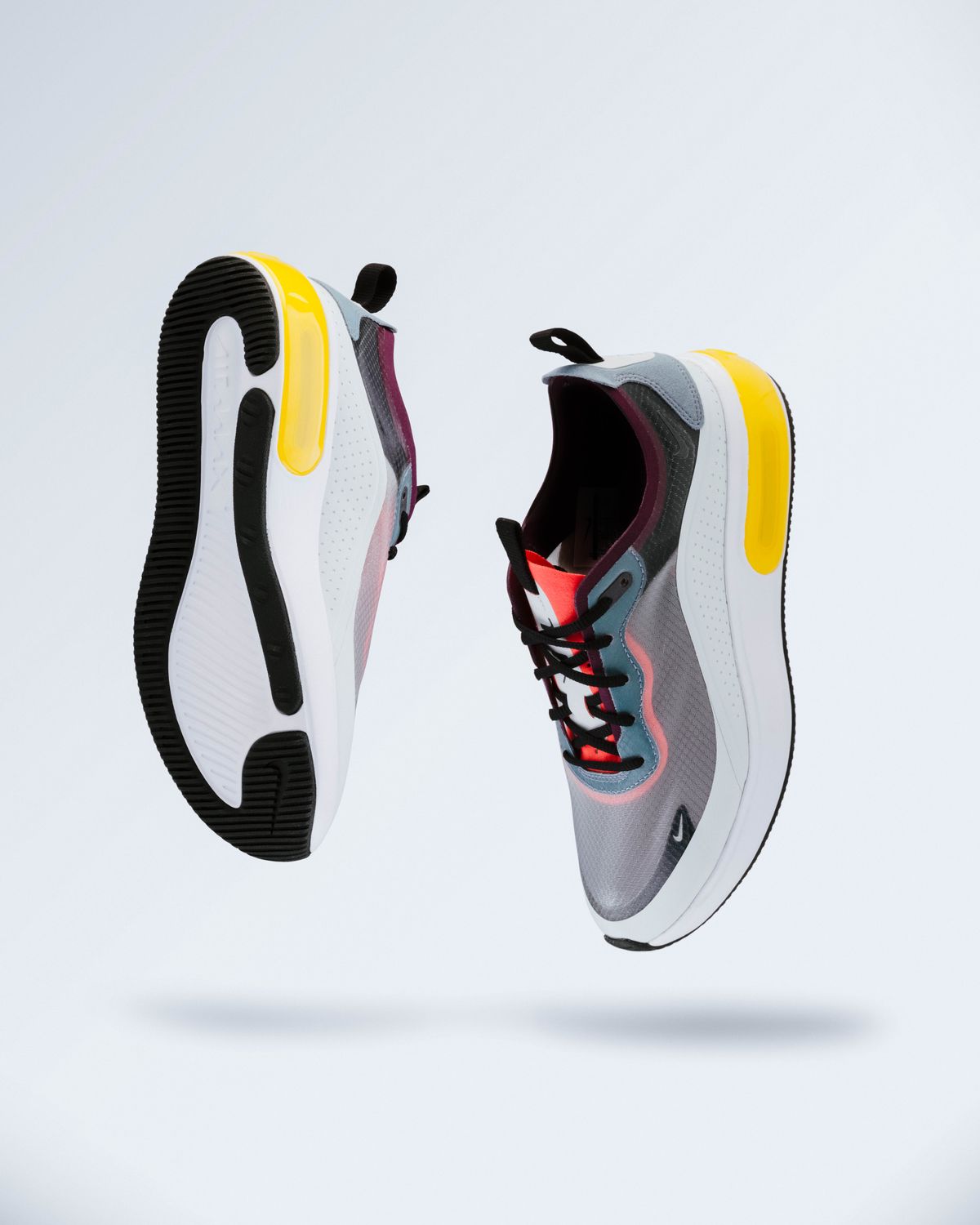
Why waterproof pairs fail on day two
Condensation. Your foot produces roughly 30ml of sweat on a normal walking day, more in heat. In a breathable shoe most of that escapes. In a waterproof shoe it has one route out, through the membrane, and that route depends on a temperature and humidity gradient that disappears the moment it rains.
So the shoe wets out on the outside, the membrane stops breathing, and the inside becomes a slow sauna. By the afternoon your socks are damp from the inside, and by the evening the shoe smells like it.
Three fixes, in order of effectiveness:
- Merino socks. They hold moisture away from the skin and dry in about four hours. Cotton holds it against your foot for a day.
- Change socks at lunch. Sounds fussy and takes ninety seconds. It’s the single biggest comfort improvement on a wet day.
- Air the shoes overnight. Pull the insoles out, loosen the laces, and leave them near a window rather than in the bathroom.
The mistake most travellers make is trying to dry a wet shoe with a hairdryer. Heat above about 40C degrades the adhesives holding the sole and shrinks the upper where it’s bonded. You get a shoe that’s dry and slightly smaller, and the crease across the toe never comes out.
There’s a related trap with waterproof boots that gets sold as a travel shoe. A high collar keeps splash out and also traps heat around the ankle, which is where most of the sweat ends up. For a four-day city trip, a low shoe with a gusseted tongue beats a boot on almost every measure except a downpour.
The sink-wash test
Any travel shoe should survive being washed in a hotel sink on day three. If it can’t, it isn’t a travel shoe, it’s a shoe you happen to be travelling with.
The method takes six minutes. Rinse the uppers with cool water, use a drop of hand soap on a cloth for the midsole, rinse again, then press the shoes between two towels and stand on them for thirty seconds. That last step pulls most of the water out of the lining, which is where it lingers.
What survives this and what doesn’t:
- Knit and mesh uppers: wash well, dry in 6 to 8 hours, hold shape.
- Smooth leather: washes fine but needs conditioning afterwards or it cracks at the flex point.
- Suede: don’t. Water marks are permanent and the nap flattens.
- Foam midsoles with a fabric cover: fine, but expect a day of drying.
The insoles are the part people forget. A standard foam insole holds water like a sponge and takes 24 hours to dry, which means the shoe is unusable even when the upper is dry. Either pack a spare set or buy a pair with removable insoles you can wring out and swap.
One more test worth doing before you leave: wear the pair in the shower at home, then walk around for ten minutes. If water gets in through the laces within a minute, you’ve found the failure before it costs you a day of a trip.
Drying overnight in a hotel is mostly about airflow. Hang the shoes by the heel from a chair back near a window, take the insoles out, and leave the laces loose. In a humid city this takes 12 hours rather than 8, which is another argument for merino socks and a spare insole rather than a second pair of shoes.
Weight, stack height, and the numbers that decide the day
Three specifications matter for travel and they’re all published, which makes them the easiest part of the purchase to get right.
Weight. A pair between 240g and 300g per shoe is the sweet spot for a walking travel shoe. Under 240g and the midsole is usually thin enough that 12,000 steps on cobbles becomes a foot problem. Over 320g and you feel it at the end of a long day, especially on stairs.
Stack height. The total thickness under the heel. Anything from 25mm to 32mm works for pavement. Below 20mm you get ground feel at the cost of comfort on hard surfaces, and above 35mm the shoe gets tippy on uneven ground, which is the exact condition most European city centres provide.
Heel-to-toe drop. The difference between heel and forefoot height. A 6mm to 8mm drop suits most walkers. A 10mm to 12mm drop feels familiar if you’re coming from traditional trainers. Zero drop needs a gradual build-up and is a bad choice for a trip where you’ll suddenly walk three times your normal distance.
One more number that isn’t on the box: the toe box width at the widest point. For long days, 95mm to 100mm across the ball is comfortable for most women. Under 90mm and you’ll feel pressure by hour four, particularly if your feet swell in heat, which they do by up to half a size over a long day.
That swelling is why travel shoes should be bought in the afternoon, after you’ve been on your feet. A pair that fits at 9am will be tight by 6pm, and a tight waterproof shoe is a blister factory.
The outsole compound is the spec nobody lists. Soft rubber grips and wears faster; hard rubber lasts and slides. For a four-day trip, grip wins, because the surfaces you’ll meet are wet stone and polished tile rather than dry trail.
What I’d leave at home
Half of packing well is subtraction, and shoes are where most people over-pack.
The second pair “for evenings”. Unless there’s a dress code, a clean dark walking shoe reads fine at a casual dinner. Nobody at a restaurant in Lisbon is inspecting your footwear, and the second pair costs you a third of your bag.
Waterproof spray for the trip. If the pair needs re-proofing, do it before you leave. A can of spray in a suitcase is a leak waiting to happen, and the TSA rules on aerosols are not worth the argument.
Gel insoles you’ve never worn. Insoles change the volume of the shoe, and a new insole on a trip is how a comfortable pair becomes a tight one. Break them in at home for a week first.
Shoe trees. Two rolled socks do the same job and weigh nothing.
The thing I’d add instead is a small cloth. Wiping down a walking shoe at the end of the day takes twenty seconds and makes the difference between a pair that looks presentable on day four and one that looks like it’s been hiking.
One more subtraction: the formal backup outfit. People pack a second pair of shoes to go with an outfit they’ll wear once, and the outfit itself is the thing that should have stayed home. If the trip needs one nice dinner, one dark walking shoe and a clean shirt covers it.
If you want the wider option for the same trip, the three-piece capsule built around a navy pair covers the outfit side, and this piece on what survives a carry-on goes deeper on the packing math.
Cobbles, airport floors, and 14,000 steps
Travel walking is not the same as walking at home. Three surfaces break shoes that pass every shop test.
Cobblestones. Rounded, wet, and often polished by a century of traffic. What matters is the outsole pattern. A shallow zigzag grips dry pavement and slides on wet stone. A lug pattern with 3mm to 4mm depth and a rubber compound that stays soft in the cold is what you want. If the outsole feels hard and shiny in the shop, it will be worse on wet granite.
Airport floors. Polished terrazzo is the second-slickest surface in the trip, and it’s where a hard rubber outsole gives you nothing. The relevant test is easy: press a thumbnail into the outsole. If it leaves no mark, the compound is too hard for indoor tile.
Stairs and kerbs. Cities with old centres are stair-heavy, and a high stack height makes each step a small balancing act. This is the argument against the maximalist travel shoe: it’s comfortable on flat pavement and awkward on the 60 steps up to a viewpoint.
There’s also the 14,000-step reality. Most people walk three to four times their normal daily distance on a city trip, in a pair that’s only been broken in for a week. The blisters that follow aren’t a shoe defect, they’re a training gap, and the standard cause is friction at a hot spot that was ignored for an hour. Wear the pair for two long walks at home before you pack them, and if you feel that hot spot at the 8km mark, deal with it before the flight rather than after.
One small piece of kit that earns its place: a blister plaster in the wallet. Cheap, weightless, and worth its weight in gold on the day the shoe rubs at the heel because you’ve been walking on wet pavement for six hours.
Rain changes the surface more than it changes the shoe. Wet cobbles lose most of their grip, painted crossings turn into ice, and metal drain covers are worse than both. Shortening your stride and walking on the drier crown of the pavement does more for safety than any tread pattern.
The buying checklist
Five things to confirm before paying, all of them visible in a listing or on the box.
One: gusseted tongue. Sewn on both sides. Without it, nothing else matters.
Two: a membrane named in the spec. If the listing says “water resistant” and doesn’t name a membrane, assume a coating.
Three: removable insoles. For drying, and for replacing them when they compress after a few months.
Four: an outsole with visible lug depth. Look at the photos. If the tread looks like a flat sheet with shallow lines, it’s a pavement shoe, not a travel shoe.
Five: weight per shoe under 320g. Listed on most product pages. If it isn’t, ask.
For the pair that handles both the walking and the packing, a soft leather walking shoe with a proper sole covers most itineraries, and a lighter mesh pair for warm-weather city trips is the better call if you’re travelling somewhere dry.
One pair is the whole point
The reason to spend on a waterproof travel pair isn’t the rain. It’s that one good pair replaces two mediocre ones, and a 7kg bag makes every train connection easier.
Buy the pair in the afternoon, walk 8km in it at home first, and check the tongue before you pay. Then the four-day trip stops being a packing puzzle and goes back to being a trip. The rest of the category sits in the walking shoes section, and if you want the technical background on how membranes work, the basics of waterproof fabric are worth ten minutes.
