

The chart says 38. The shoe says 38. Your foot says no. Somewhere around the third hour the little toe starts to burn, and by evening there’s a red mark on the outside of the joint that will still be there tomorrow.
In shops this is the most common width complaint, and it almost never gets solved by going up a size. What it usually needs is a different toe box: the part of the shoe in front of the ball of your foot, where the shape either gives your toes room to spread or doesn’t.
Walking shoes with a wide toe box for women are sold as a niche category, which is odd, because the foot shape they suit is extremely common. The trade treats wide as a special order when the measurements suggest it should be closer to a third of the women’s market.
Here’s what the numbers actually mean, how to measure the one dimension the chart leaves out, and the cases where a wide toe box is the wrong answer.
What the toe box measurement actually measures
A shoe’s width is specified at the ball of the foot, the widest part, where the metatarsal heads sit. That number is a last width, not a shoe width, and it’s expressed on letter scales that differ by market: AAAA through EEEE in the US system, with B described as standard for women and D as wide.
The toe box is different. It’s the three-dimensional volume in front of the ball, and it has three separate measurements that almost no product page lists:
- Width at the ball, the number the chart gives you.
- Width at the toes, usually 4mm to 8mm narrower than the ball in a tapered shoe, and equal or wider in a wide toe box design.
- Height over the toes, which decides whether the top of the shoe presses on your toenails.
A shoe can be wide at the ball and still crush your toes if it tapers hard in front of it. That’s the geometry behind most “my size fits but my toes hurt” complaints. Wide at the ball is a promise about the joint. It says nothing about the toes.
Height over the toes is the measurement that gets ignored and causes the most specific kind of pain: pressure on the top of the toenails, worst on the big toe, usually noticed on a downhill stretch. In a well-built shoe that dimension runs about 22mm to 25mm over the toes. In a low-profile fashion shoe it can be 15mm, which is where the toenail problems begin.
In this trade you see the same pattern every season: a customer tries a half size up, the ball gets loose, the heel starts slipping, and the toes still hurt because the taper didn’t change. Two problems, one wrong solution.
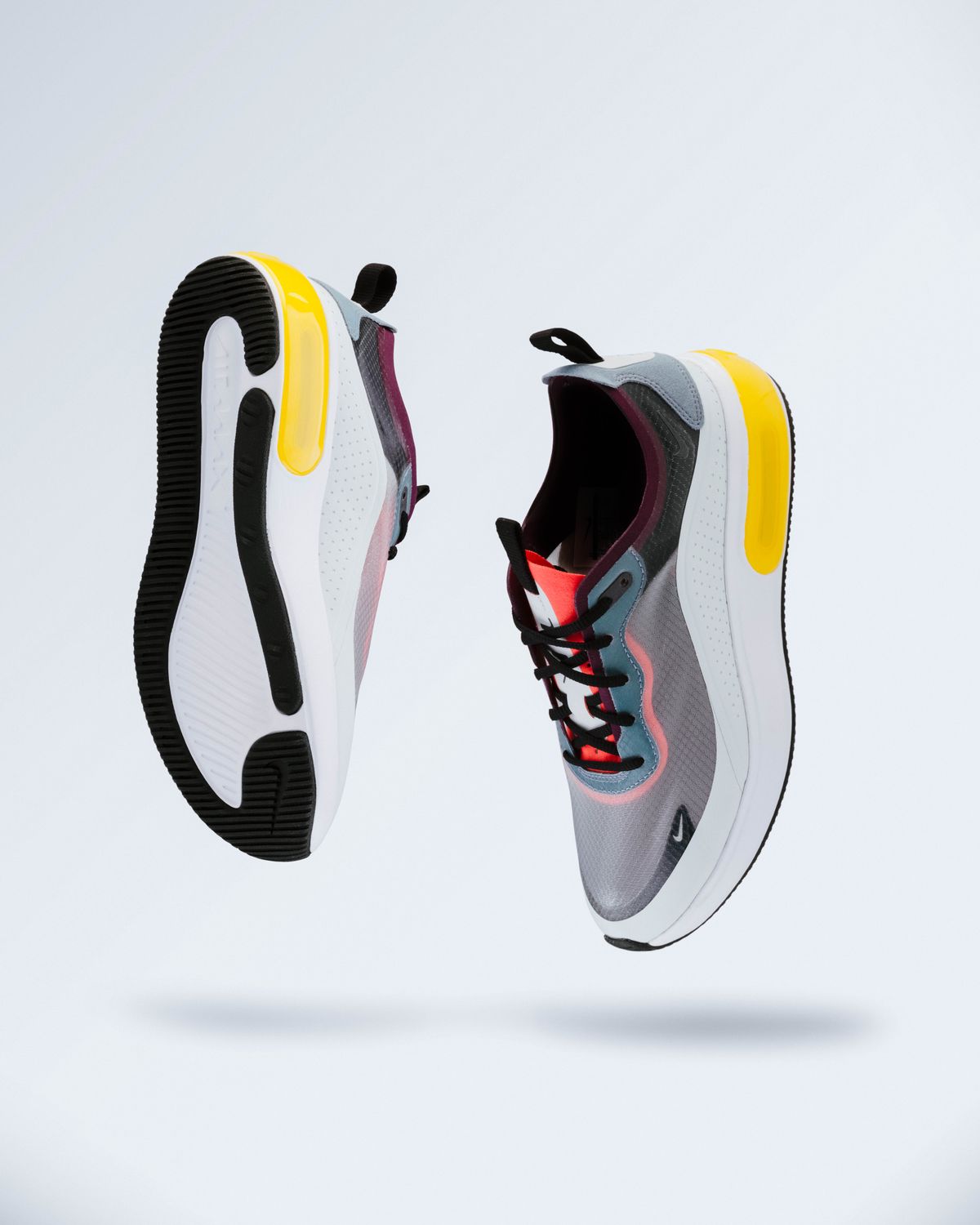
Why your usual size hides the problem
Sizing up is the intuitive fix and it’s the wrong one for width. Going up half a size adds roughly 4mm to 5mm of length and about 2mm of width. Your toes need 6mm to 10mm more width. The numbers don’t get there.
Meanwhile, the extra length creates its own set of problems. The flex point of the shoe moves forward, away from where your foot actually bends, which makes the shoe feel stiff and can cause the upper to crease across the wrong part of the toe. The heel also gets looser, so you grip with your toes to keep the shoe on, and gripping is exactly the habit that makes toes hurt.
The sequencing that works, and it’s the one most fitting guides skip:
- Length first: your longest toe should sit 8mm to 10mm from the front, standing, end of day.
- Then ball width: snug but not pressing, no bulging over the sole edge.
- Then toe room: your toes should be able to lift and spread slightly without hitting the upper.
- Then heel: no slip when you walk, no pressure on the Achilles.
If length is right and width is wrong, you need a different last, not a different size. That single sentence would save a lot of returns.
One practical rule from fitting rooms: if your toes touch the side of the shoe, going up a half size will buy you about 2mm of width and 5mm of length. Most women need 6mm to 10mm of width, so the extra length buys discomfort elsewhere and still doesn’t fix the original problem.
Vanity sizing makes this worse. A women’s 38 from one brand can measure 240mm internally, and from another 247mm. The documented history of shoe sizing standards explains why: there was never a single enforced standard, so brands set their own lasts and label accordingly. The chart is a marketing document as much as a technical one.
There’s a cheap workaround. Save the internal length of any pair that fits you well, measured with a ruler from the insole heel to the insole toe. That single number, plus your ball width, is a more reliable filter than any size label, and it works across brands and countries without conversion.
EU, US and UK charts, and where they disagree
Three systems, three different zero points, and conversions that are usually rounded to the nearest half size. For width, only the US system has a widely used letter scale, which is why European brands often publish a single width and describe it as standard.
The practical consequences:
- An EU 38 is not a US 7.5. Depending on the brand it converts to a US 7 or a US 8, a full size of ambiguity.
- UK sizing runs about one size below US for women, so a UK 5 is roughly a US 7.
- Most EU brands publish one width. If that width is a B, the shoe will be too narrow for a D foot regardless of size.
- Japanese sizing is in centimetres of foot length, which is the most useful number of the lot and the one nobody quotes.
The reliable method is to ignore the label and use your foot length in millimetres plus your ball width in millimetres. Two numbers, measured once, and you can shop any brand. Foot length at end of day, standing, heel against a wall, is the number that matters. For most women it’s between 230mm and 255mm.
Where the charts really fail is the half sizes at the top of the range. Above a EU 42, many women’s shoes are built on a men’s last, which changes the width proportionally more than the length. That’s why a size that fits at 40 can feel narrow at 43. The clinical description of bunion formation is a useful reminder of what years of too-narrow toe boxes actually do to the joint.
The 4mm test you can run at home
You don’t need a Brannock device. You need a sheet of A4 paper, a pencil, and a ruler.
- Stand on the paper in the evening, weight on both feet.
- Trace around the foot, holding the pencil vertical, not angled.
- Measure the longest point at the heel to the longest toe. That is your length.
- Measure across the widest part, at the ball, from the joint of the big toe to the outside edge. That is your ball width.
- Add 8mm to 10mm to the length for toe clearance. That’s the internal length you need.
Now the toe box part. Compare the width at the ball with the width across your toes when you spread them. The difference is what the shoe has to accommodate. If your toes spread more than 4mm wider than the ball, a tapered shoe will press on them, and you want a design where the forefoot is straight-sided rather than pointed.
Two millimetres of extra width at the toes is the difference between a shoe you forget about and a shoe you’re aware of all day. That’s the 4mm the chart hides, split across both sides of the foot.
One more home check that takes ten seconds and catches most problems: take the insole out and stand on it. If any part of your foot hangs over the edge, the shoe is too narrow, full stop. No breaking-in period fixes that.
When a wide toe box is the wrong fix
Three situations where the shoe isn’t the problem.
First, if the pain is under the arch rather than at the toes, width won’t help. That’s an arch support question, and a wider shoe can make it worse by letting the foot flatten further. Check whether the pressure is at the ball or behind it before you shop.
Second, if the heel is slipping, a wider toe box makes it worse, because most wide-fit shoes are built on a last that’s wider everywhere. Some brands offer a wide forefoot with a standard heel, which is the shape most people actually need, but you have to read the spec to find it.
Third, if your shoes are already comfortable for two hours and painful at six, that’s usually swelling, not width. Feet expand by up to 4% over a day. A shoe that fits at 8am is tight at 6pm. The fix is a shoe with a soft upper that can give, or lacing that you can loosen, not necessarily a wider last.
There’s an honest limitation to all of this. A wide toe box changes the look of a shoe. Straight-sided forefoot designs read wider from above, which is the trade-off nobody mentions in the product copy. If you want a slim silhouette, you’re choosing between appearance and toe comfort, and it’s fair to admit that out loud rather than pretending a shoe can do both.
One more case, and it’s the one that surprises people: shoes that are too wide at the heel but right at the toe. The usual advice is to size down, which then presses the toes again. What actually helps is a different lacing pattern, or an insole with a slightly thicker heel pad, which takes up the volume at the back without touching the forefoot. Small adjustments, but they work better than another return.
The last thing worth knowing is how much width a mesh upper will give you over time. Knit and mesh stretch roughly 2mm across the forefoot in the first month of regular wear, then stop. Leather gives less, maybe 1mm, and coated synthetics give almost nothing. So if a mesh shoe is 3mm tight at the toes on day one, it’s probably fine by week three. If a coated shoe is 3mm tight, it will still be 3mm tight in a year.
For an everyday pair that leans towards toe room, the soft mesh styles in our walking shoes collection are the easiest place to start, because mesh stretches about 2mm across the forefoot over the first month. The mesh sports styles with a rounded forefoot are a reasonable example of the shape: they don’t taper hard in front of the ball, so the toes keep their room. If you need something lighter for summer, the soft-soled mesh walking pair has a similar forefoot but a thinner sole under the heel.
If you already know width is your main issue and you want the longer version of this argument, the notes on what the size chart hides about extra wide walking shoes go through the 2E and 4E options in more detail than fits here.
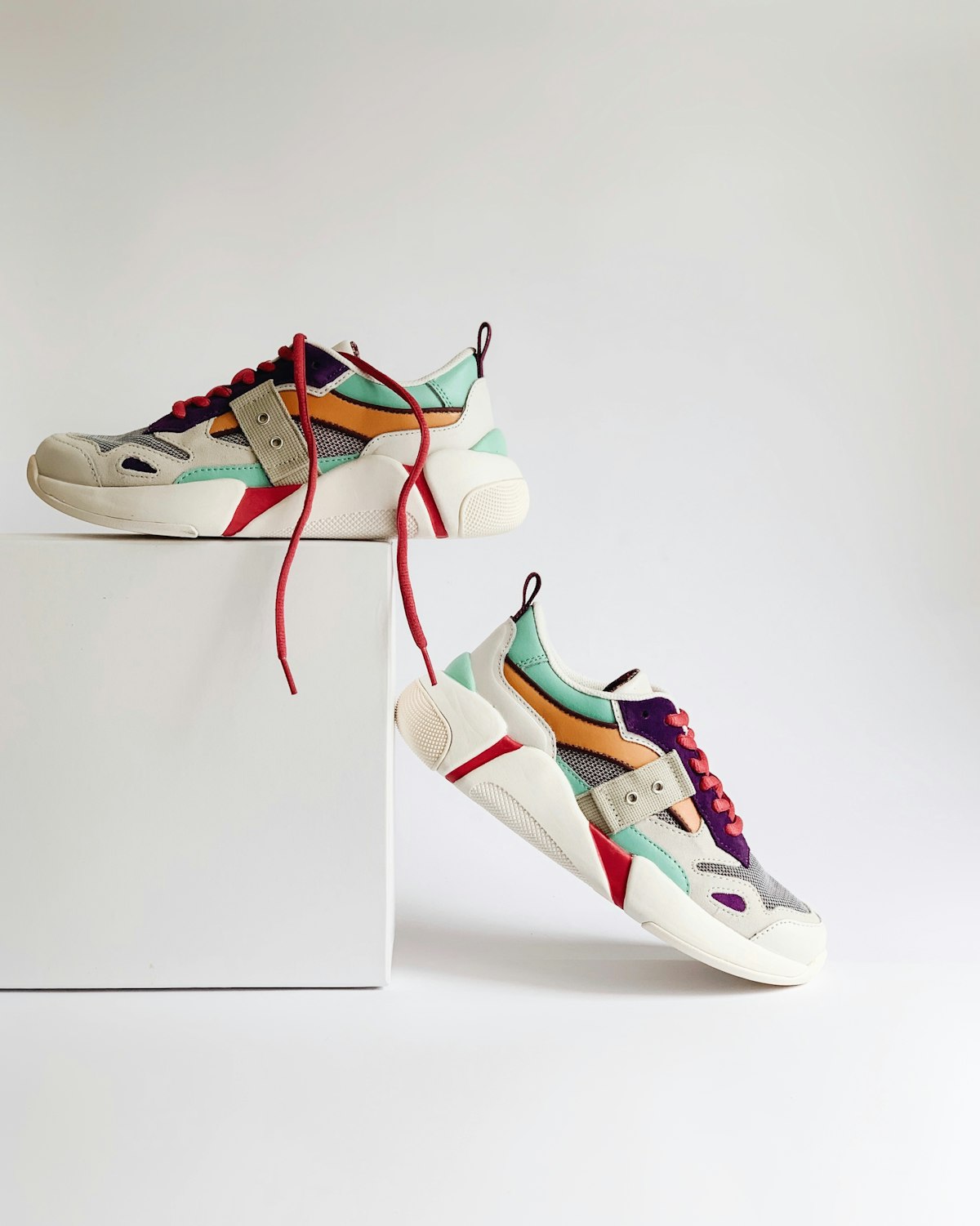
If you’re replacing a pair this week, do the paper trace before you open a single product page. Two numbers on a scrap of paper will narrow the field faster than an hour of scrolling, and they’ll tell you within a minute whether the pair you’re looking at can work at all.
Then check one more thing in the shop: press your thumb down on the top of the toe box. If there’s no give at all, the height is wrong for your toes no matter what the width says. The footwear trade measures that dimension too, and it’s the one number that never makes it onto the box.
