

It’s 7:40 on a Tuesday. You’ve got one shoe on, the other is still by the door with a crease across the toe, and you’re doing the maths on how far you’ll walk today. Commute. Shift. A lunch run you didn’t plan for. Maybe 8,000 steps before six o’clock.
Most of us buy work shoes for how they look at 8am, then spend the afternoon paying for it. Your feet don’t care about the photo. They care about three numbers, and none of them are printed on the box in a useful place.
Here’s the short version, before the detail: a heel-to-toe drop under 10mm, a toe box that leaves 10mm of space past your longest toe, and a midsole that doesn’t compress flat by 3pm. Get those right and the “best comfortable work shoes for women” question mostly answers itself. Get them wrong and no amount of gel inserts will save you.
A nine-hour shift is a different test than a ten-minute walk
Try this. Stand on one foot for thirty seconds in the pair you wore yesterday. If your arch collapses or your ankle rolls inward, that shoe is already working against you and you’ve been fighting it all week without naming it.
Short walks are forgiving. A ten-minute walk to the station can be done in almost anything, which is why so many of us get away with bad shoes for years. A nine-hour shift is not forgiving. Standing still is harder on the feet than walking, because the same small patch of tissue takes the load without the pump action that moves blood and fluid out. That’s why your heels ache at 4pm on a day you barely moved.
What you want is a shoe that keeps your foot in roughly the position it sits in barefoot, just with a bit of cushioning and some grip. Look for a firm heel counter (the stiff bit at the back) so your heel doesn’t slide up and down, and a sole that bends where your toes bend, not in the middle of the arch. If you can fold the shoe in half like a taco, it’s too soft for a long day.
The plantar fascia runs from your heel to your toes and takes the brunt of this. It doesn’t need to be cradled like glass, but it does need a shoe that doesn’t fold under it.
One more thing worth knowing: feet swell through the day. Measure your feet in the late afternoon, standing up, and buy for the bigger number. Most people who insist their shoes “used to fit” are actually wearing a half size too small.
25mm of heel is the line most people can hold all day
You don’t have to wear flats. A 25mm block heel with a wide base looks more put together than a trainer and doesn’t wreck your calves by lunchtime. The number matters more than the shape.
Once you go past about 40mm, your calf shortens and your weight shifts onto the ball of your foot. That’s a fine trade for a wedding. It’s a bad trade for nine hours of standing. If your job requires a heel, aim for 20 to 35mm with a base at least 25mm wide, and check that the heel sits under your own heel bone rather than behind it, which is where the wobble comes from.
Platforms are the usual cheat here, and they work, up to a point. A 60mm platform with a 20mm internal drop gives you height without the angle. But a platform also deletes feedback from the ground, and on wet tile that’s how ankles get turned. If your workplace has polished floors, that’s a real risk, not a theoretical one.
What I’d skip: stilettos under 4mm at the tip, no matter how good the reviews are. They sink into gaps, they chew through heel caps, and they make you walk carefully, which is a tell. Here’s a quick reference for what each height is actually good for.
- 0 to 15mm: full shift on your feet, standing desks, hospital corridors.
- 20 to 35mm: office days with a commute, presentations, anything with stairs.
- 40 to 60mm: desk-bound days, dinners, weddings where you’ll sit for the meal.
- 70mm and up: two hours, a car, and a plan to take them off.
If you want the mechanics of why a wider sole changes the whole feel, there’s a decent breakdown in this piece on why the sole decides whether a heel actually works.
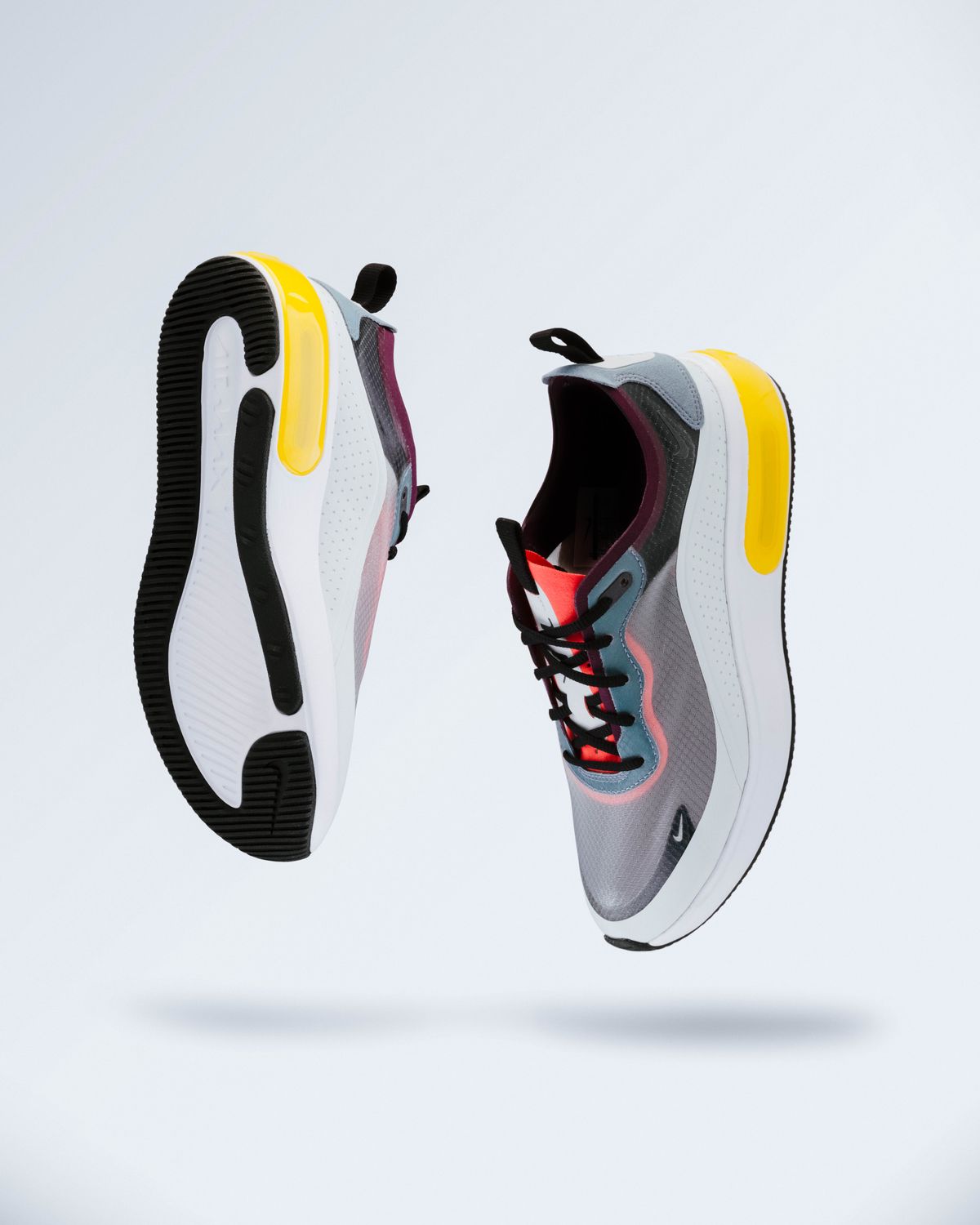
The toe box number size charts leave out
Take a ruler to the shoes that hurt. Nine times out of ten the widest part of the shoe is narrower than the widest part of your foot, and the leather or synthetic upper has been quietly pressing your big toe inward for months.
You want at least 10mm between your longest toe and the front of the shoe, measured standing up with your heel against the back. And you want the widest point of the shoe to line up with the ball of your foot, not with your arch. If it lines up behind the ball, your toes get squeezed every time you push off.
Bunions, calluses on the little toe, a toenail that goes dark after a long day: all of these are usually a width problem wearing a disguise. According to the standard sizing conventions that most brands still use, length is the only thing that gets graded properly, so a “wide” fit can mean almost anything from one label to the next.
Practically, this means trying shoes at the end of the day, and picking the pair where your toes can spread out slightly when you stand. If you can feel the edge of the insole under your little toe, size up or change shape. Square and rounded toes give more room than pointed ones at the same length, which is why so many people who “can’t wear pointed shoes” actually just can’t wear narrow ones.
Half a size is cheaper than a podiatrist.
There’s also the width you can’t see. A shoe with a soft, unstructured upper forgives a slightly narrow last because the material gives. A stiff patent or coated leather does not. If your feet are on the wider side, soft uppers buy you half a size of comfort for free.
Support you can feel at hour six, not hour one
Every shoe feels supportive in the shop. The test is what’s left at hour six, when the foam has warmed up and your foot has spread.
Look for a midsole that springs back when you press your thumb into it, and a removable insole. Removable matters more than people think: it lets you swap in a proper orthotic without fighting a glued-in footbed, and it lets you wash the thing that actually gets smelly.
Arch support is where marketing gets silly. You don’t need a shoe that claims to correct your gait. You need one that doesn’t let your arch collapse inward, which is mostly about a firm midfoot and a heel counter that holds. For most people, a 4 to 6mm contoured insole under the factory one is enough. If you have flat feet and standing hurts by mid-morning, get assessed properly rather than guessing from a product page, because the wrong insert can make things worse.
My own rule after too many cheap pairs: spend the money on the sole, save on the upper. A good midsole with a plain leather top is worth more than a beautiful upper glued to a slab of dead foam. The reverse is where most of the disappointing shoes in my cupboard came from.
Cushioning also has a lifespan. Foam compresses permanently. If a pair that used to feel soft now feels flat and you’ve had them for a year of daily wear, they’re done, even if the outside still looks fine. Rotating two pairs extends both, because foam needs about 24 hours to recover.
Materials that survive coffee, rain, and a Friday smell test
Here’s the unglamorous part. The inside of a shoe is a warm, damp, dark box, and whatever you put in there at 8am multiplies by lunchtime.
Leather breathes and hides scuffs with a bit of polish. It also shows water marks if you get caught in the rain without a protectant spray. Mesh breathes better and dries faster, but it holds odour in a way leather doesn’t, and it stains permanently the first time someone steps on your toe with a coffee. Suede looks the best in October and looks the worst in February. None of these are neutral choices, whatever the product copy says.
If you’re on your feet all day and you sweat, go mesh with a removable insole you can wash, and rotate. If you work somewhere with a dress code, go smooth leather with a rubber outsole, and keep a tin of neutral polish in your desk drawer. If you want one pair to do everything, you’ll end up with a compromise that’s mediocre at all of it.
Two small habits make a real difference. Take the insoles out when you get home and let both dry separately overnight. And don’t put damp shoes on a radiator, because heat warps the midsole and shrinks the upper, and you’ll never get the fit back.
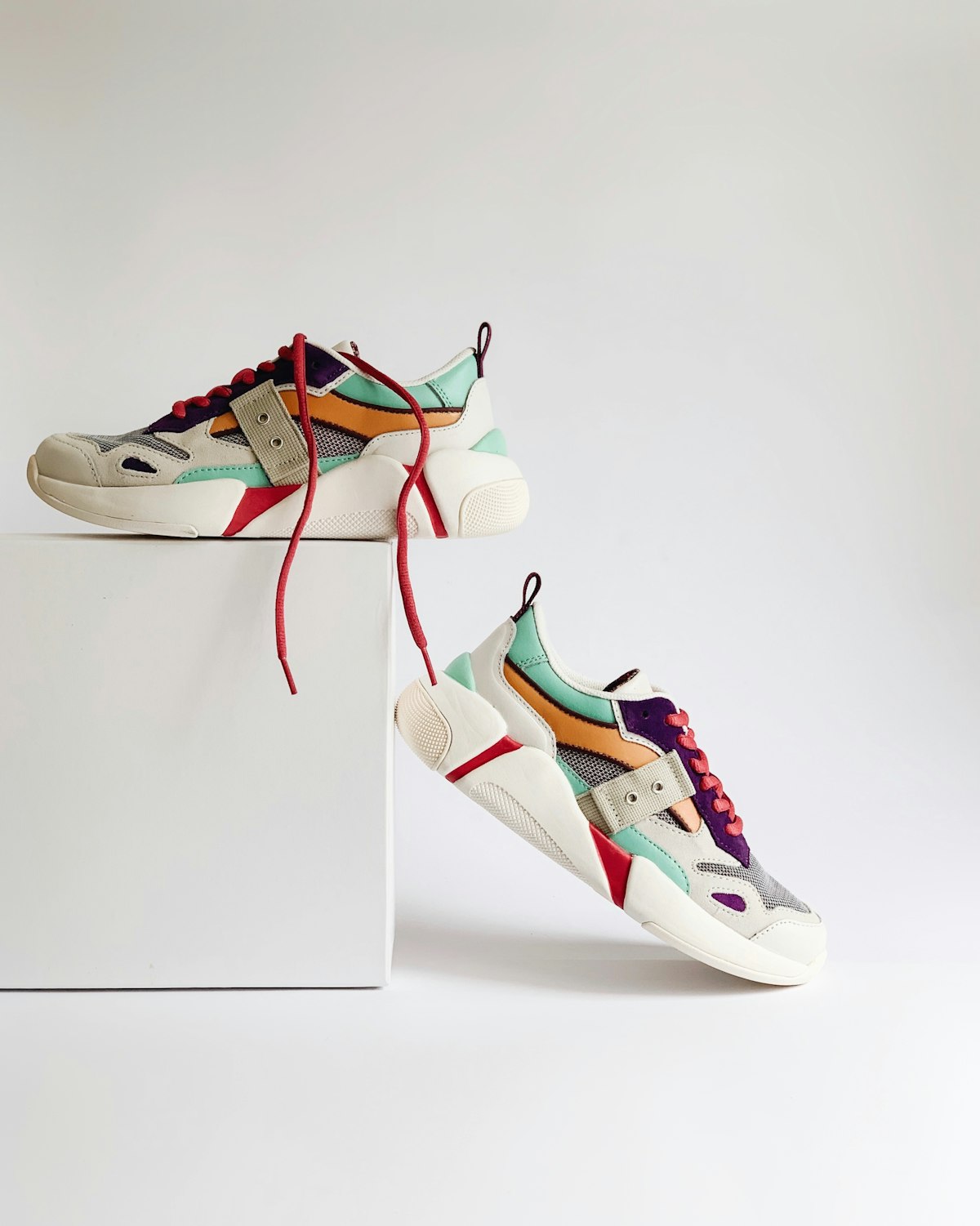
Three pairs that do three different jobs
You don’t need one perfect shoe. You need a small rotation where each pair has a clear job, because the pair that’s great for a client meeting is rubbish for a stockroom.
For long days on hard floors, a mesh trainer with a wide toe and a firm heel is the workhorse. Something like these breathable walking shoes built for long shifts does the job without looking like gym kit. They’re not going to pass a formal dress code, and the mesh will pick up a scuff if you’re clumsy, but your feet will still be fine at 6pm.
Office days with stairs and a commute are a different ask. A flat or low-wedge with a soft upper is the smarter pick. A soft-soled pair with a generous toe box, like these soft-soled mesh shoes with room across the toes, gets you through a day of walking meetings without the trainer look.
For the days when you need to look like you made an effort, a flat-bottomed shoe with a thick sole gives you height and stability at once. These flat-bottomed board shoes with a chunky sole are the version of that idea I’d actually wear to a desk job, because the sole is thick enough to absorb pavement without turning into a platform you have to balance on.
If you want to browse instead of picking from three, start with the everyday sneakers side of the site and filter by what you actually do all day.
What I’d hold back on
Two things I’ve stopped doing. The first is buying a work shoe in a hurry the night before a new job. Fit needs a day of standing in it, and returns are easier than living with a mistake.
The second is trusting the size on the box across brands. My everyday pair is a 38 in one label and a 39 in another, same foot, same week. If you’re ordering online, check the insole length in centimetres rather than the number, and buy from somewhere that takes returns without a fight.
And a caveat on all of this: if you have diabetes, reduced sensation in your feet, or pain that doesn’t settle overnight, the advice above isn’t enough. Get your feet looked at by someone who can check circulation and sensation, because a shoe that’s merely uncomfortable for most people can cause real damage for you.
So: measure your foot in the afternoon, keep the drop under 10mm, leave 10mm at the toe, and buy two pairs instead of one expensive pair you’ll wear into the ground. Then go and stand on one foot in front of the mirror and see what your ankle does. That’ll tell you more than any review, including this one.
