

You tried them on at 11am in a shop with carpet and a mirror, and they felt fine. By 6pm your second toe is throbbing and you’re walking on the outside edge of your foot. That’s the usual round toe story. The shoe looked roomy, so you assumed it was.
Round toe high heels for women are the shape most people reach for when pointed toes have done them wrong. But a round toe doesn’t automatically mean room. Plenty of pairs in the women’s shoes section have a rounded outline and a shallow, narrow box underneath it, and your toes find out the difference around hour three.
Here’s the short version before the detail: at 80mm and below, a round toe buys you real width. Above 80mm, it mostly buys you the look. Everything else depends on the measurements nobody prints on the box.
Measure the toe box, not the heel
Stand on a sheet of paper in the afternoon, when your feet are at their widest. Trace both feet. Now measure across the widest part, which is the ball of your foot just behind the big toe joint. Most women land between 88mm and 100mm. If you’re at 98mm or more, a pointed toe at 85mm is going to be a fight, and a round toe is the sensible starting point.
Then measure the length from your heel to the tip of your longest toe. Nine times out of ten that’s your second toe, not your big toe, and that single fact explains a lot of shoe shopping misery.
Now the part shops don’t tell you. A round toe box has two numbers that matter: the width across the ball, and the vertical depth over the toes. You can measure the depth of a pair you already own with a soft tape from the insole up over the top of the toe. Anything under 45mm at the front is shallow. Shallow plus a 90mm heel equals toes pressed flat against leather all day.
Quick comparison, using numbers from pairs I’ve actually measured on a shop floor:
- Round toe, 60mm heel: toe depth usually 48 to 55mm. Forgiving, genuinely wearable.
- Round toe, 80mm heel: toe depth 44 to 50mm. Fine if the leather is soft.
- Round toe, 100mm heel: toe depth 40 to 44mm. Looks elegant, feels like a clamp after two hours.
- Pointed toe, 80mm heel: toe depth 38 to 42mm regardless of the outline. Narrower at the ball by 6 to 10mm.
Notice the pattern. As the heel goes up, the toe box gets shallower even when the outline stays round.
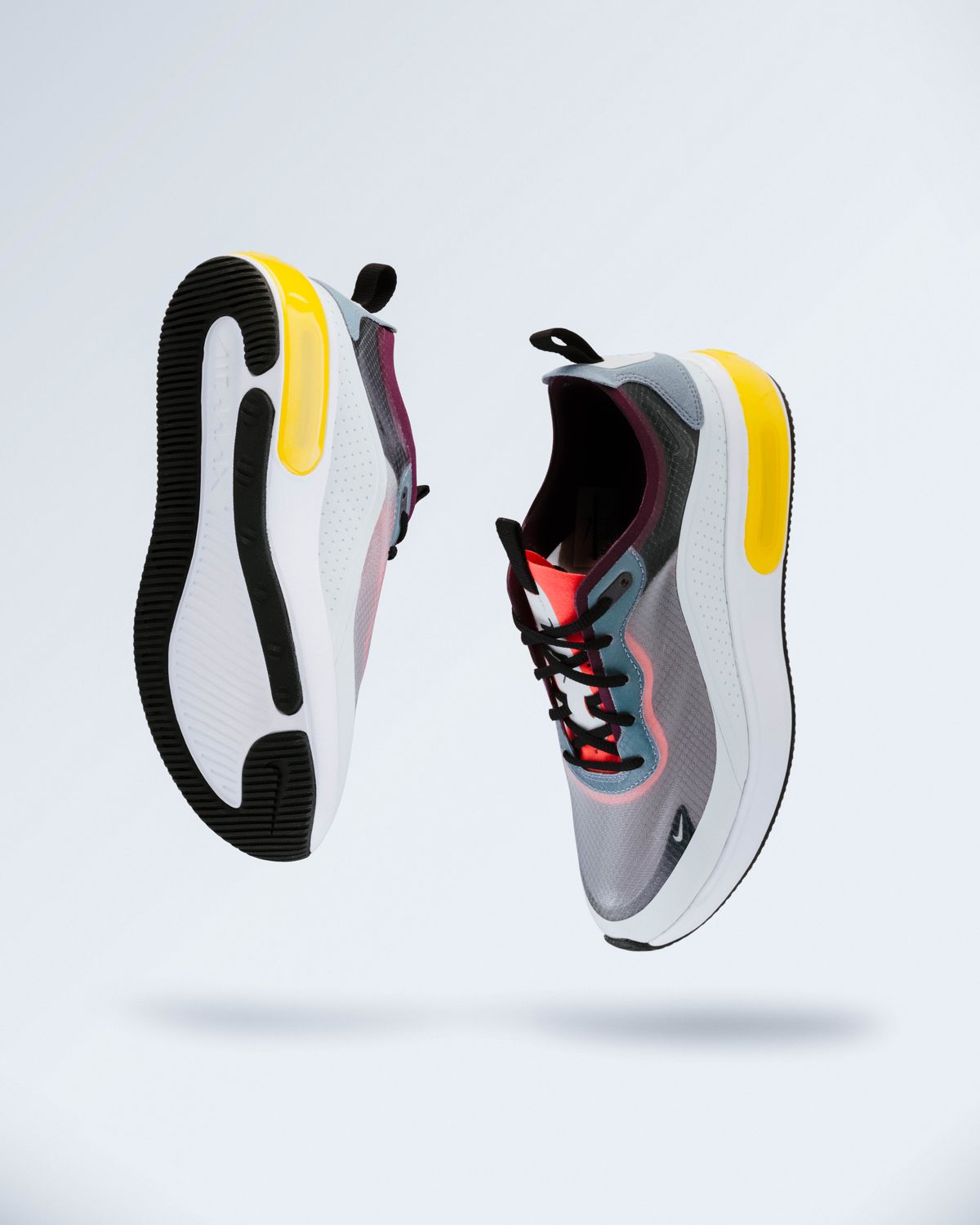
The shape on top is a styling decision. The volume inside is a construction decision, and the second one decides whether you can wear them to dinner.
If your feet are wide, the horizontal measurement matters more than anything else on this list. A round toe gives you maybe 4 to 8mm more width at the ball than a pointed toe in the same size. That’s not a lot, but at the end of a long day it’s the difference between a red mark and a blister.
Why 80mm is the practical ceiling for most pairs
Put your foot in a high heel and it slides forward. That’s not a fit problem, it’s physics. The steeper the shoe, the more of your body weight gets pushed onto the ball of the foot and the toes. Research on how high heels redistribute load through the foot puts the shift at roughly 50 to 90 percent of your weight landing on the forefoot once you pass 80mm, depending on the pitch.
Your toes respond by spreading and curling. A round toe can absorb some of that spread. It can’t absorb curling, because curling needs vertical space and that’s exactly what a high heel takes away. Do it for years and the joint at the base of your big toe starts to drift, which is how a bunion develops in the first place. Same story with the toes next door, which is what a hammer toe is: a joint that got stuck in the curled position because the shoe never let it flatten out.
This is why the same round toe feels fine at 70mm and cruel at 95mm. Same outline, less depth, more forward slide. The shoe didn’t change. The angle did.
Most round toe high heels for women on the shelves sit between 75mm and 100mm, which is exactly the range where the depth starts disappearing. That’s why the fit varies so much between pairs that look identical.
There’s also the heel counter to think about. When your foot slides forward, your heel lifts out of the back of the shoe, and your toes start gripping to hold the whole thing on. Toe gripping is what builds the ache behind your toes that shows up the next morning. If you want the long version of how toe shape drives that, this piece on why round toe heels stop toe pain better than pointed ones goes deeper into the anatomy.
So what do you do if you want the height? Three options that actually work:
- Drop to 80mm and keep the round toe. The safest combination by a wide margin.
- Keep 95mm but pick a pair with a 10 to 15mm platform under the toe. The platform cuts the effective pitch without changing the look from the side.
- Stay at 95mm with no platform and accept a two-hour shoe, not a nine-hour shoe. Some pairs are for sitting down in, and pretending otherwise is how people end up barefoot at weddings.
None of these is a compromise on style. They’re a compromise on the story you tell yourself in the shop.
The twelve-minute test that beats any size chart
Shops give you carpet, a mirror, and about ninety seconds of good lighting. Use them properly.
Put the shoes on and walk to the far end of the shop and back. Slowly. Then do this:
- Minute 1 to 3: stand still and press down through your toes. Can you feel the end of the shoe against your longest toe? It should touch lightly, not press.
- Minute 4 to 6: sit down, cross one ankle over the other knee, and try to wiggle all five toes. If the little toe can’t move, the box is too narrow at the ball.
- Minute 7 to 9: stand up and rise onto the balls of your feet. Your heel should lift, and your foot shouldn’t slide so far forward that your toes jam the front.
- Minute 10 to 12: walk on a hard surface if the shop has one. Carpet hides everything. Tile doesn’t.
That’s the whole test. No gadget, no app, no specialist. If the assistant asks what you’re doing, tell them you’re checking the toe box depth. Half of them will nod.
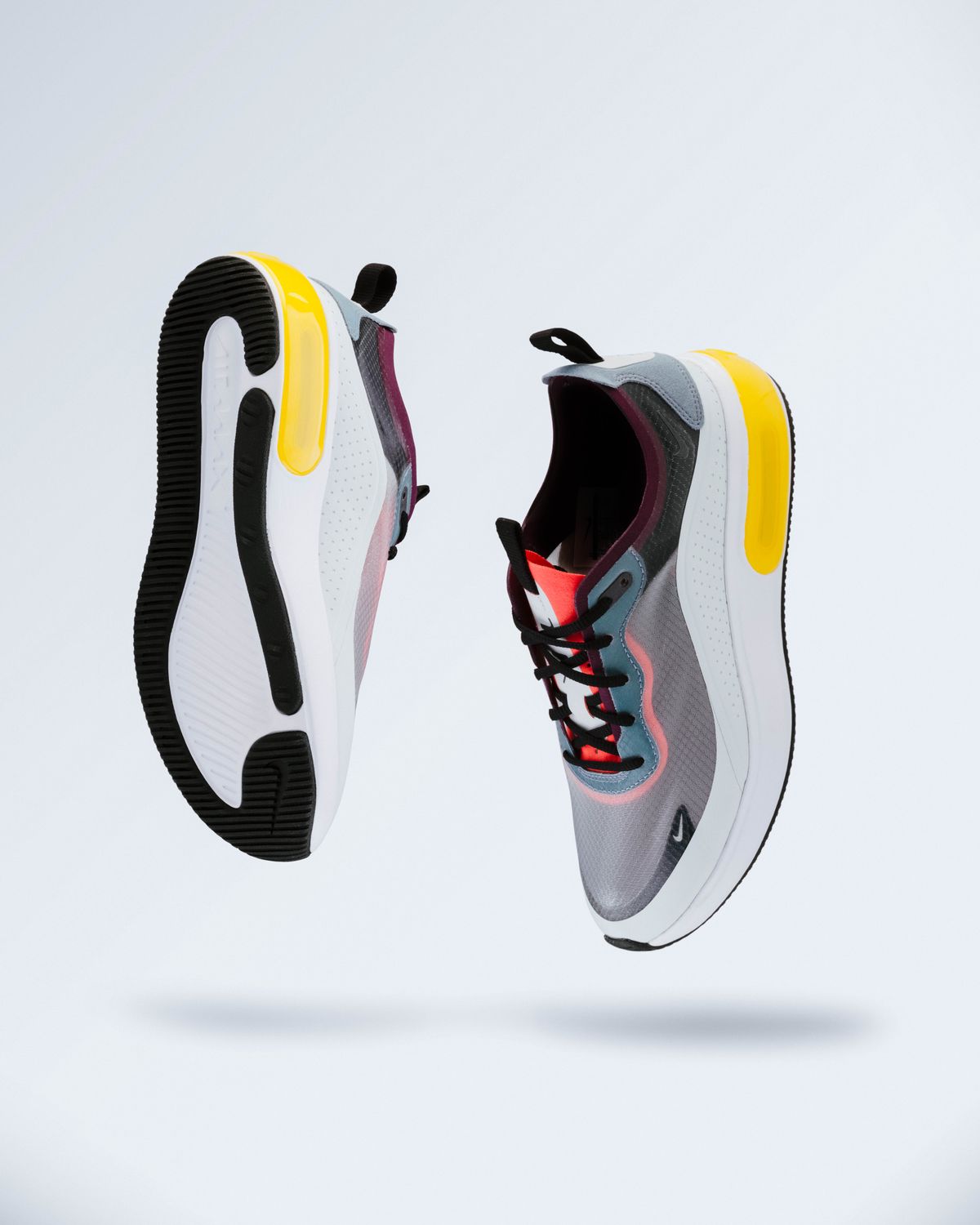
One more thing during those twelve minutes: check where your heel sits in the back. It should be snug against the heel counter without pinching. A loose heel means your foot will slide forward with every step, and a round toe can’t save you from that. If you want a pair that’s built to hold the heel steady, these thick heel high heels that don’t wear your feet out are worth trying on for comparison.
Leather type changes how much room you really get
Two pairs, same last, same size, different upper. One is soft nappa, one is patent. They will not fit the same after a month, and the difference matters more in a round toe than anywhere else on the shoe.
Patent leather gives almost nothing. It’s a coated surface on a tight finish, and it holds its shape. Buy patent half a size small and you’ll still be nursing the same pressure point in March. Buy it right and it stays exactly as it was on day one, which some people prefer because there’s no surprise.
Suede and soft calfskin stretch. Usually 2 to 4mm across the ball in the first few weeks, and a bit more over the toes. That sounds like good news, and it mostly is, but it comes with a cost: after two or three months a suede round toe can go slack enough that your foot slides, and slack plus a high heel equals toe gripping again.
Patent’s stiffness has one advantage people forget. It doesn’t collapse over the toes, so the depth you measured in the shop is the depth you keep.
My rough rule after years of buying both:
- Wide feet, high instep: soft leather, and buy your true size. Let the shoe give where it needs to.
- Narrow feet, low instep: patent or a firm calfskin. You want the shoe to hold its shape, because your foot won’t fill it out.
- Anyone planning to wear them for more than four hours at a stretch: suede or nappa, no question.
The exception is the toe cap. If a pair has a hard, structured toe cap, that section won’t stretch at all, no matter how soft the rest of the upper is. Run your thumb across the front before you buy. If it feels like a shell, treat it like patent.
Sizing: half a size up, or stay put?
The default advice online is to size up in heels. That’s half right, and the half that’s wrong causes heel slip.
Round toe high heels for women are the one category where the usual advice needs a caveat, because the extra room at the front changes how the rest of the shoe behaves.
Size up when your longest toe is your second toe and the shoe has a shallow box. You need the length, and half a size usually gives you 4 to 5mm, which is about right. Size up when the pair is patent and the toe cap is rigid, because nothing is going to give.
Stay at your true size when the leather is soft, the heel is 70mm or under, and your big toe is the longest. In that case sizing up buys you a shoe that slips at the heel and rubs the back of your ankle raw within a week.
And if you’re between sizes, which most people are, buy both and send one back. It’s annoying. It’s also cheaper than a pair that lives in the box. Check the return window before you order, and keep the box until you’ve decided.
The other size signal is the instep. High instep plus round toe is a good combination, because the toe box tends to be deeper in pairs cut for that foot shape. Low instep plus round toe can leave a gap over the top of your foot, and the shoe will feel like it’s floating. If that’s you, look for a pair with a strap or a higher cut vamp. These French retro style high heels with a higher vamp sit differently on a low instep than a plain pump does.
One number worth remembering: a 5mm difference in length is roughly half a size. If a pair feels a full thumb-width long, no insole is going to fix it, and the heel slip will wear the lining out in a month.
Where round toe high heels still look wrong
Honest section. Round toes aren’t universally flattering, and a few combinations read badly no matter how good the fit is.
A very round toe in a pale nude shade with a kitten heel is the big one. It can look orthopaedic, especially with a closed pump silhouette and no detailing. If you want a low heel in nude, a slightly squared or almond toe usually reads more current. This guide to square toe heels for wider feet covers that shape properly.
Wide round toe plus a very slim stiletto also fights itself. The visual weight at the front and the needle-thin heel at the back pull in opposite directions, and the shoe looks like two halves of different pairs. A block heel balances it. So does a slightly tapered round toe rather than a full circle.
And a chunky round toe on a short leg with a midi skirt can cut you off at the ankle. Not a rule, just a thing that happens. If that’s the outfit, go for a lower vamp and a bit of exposed instep so there’s some line to follow.
Cheap round toe high heels for women often fail here too, though for a different reason. A thin sole with a heavy upper makes the front look flat and wide, and no outfit fixes that.
Where round toes win outright: anything you’ll stand in for hours. Weddings where you’re a guest, not the bride. Work days with a commute. Travel. A round toe at 70mm is one of the few heel shapes that survives a full day without a change of shoes in your bag.
A full day in a pair, logged
I wore a round toe pair at 75mm with a soft nappa upper for a working day last month, mostly to see where it actually broke down. Numbers, because numbers are more useful than adjectives.
7:40am, out the door, 400 steps to the station. No issues. The toe box had 47mm of depth, which I’d measured with a tape the week before, and my second toe had about 3mm of clearance.
9:15am, seated at a desk. Feet swelled slightly by 11, which is normal. No pressure at the toe because I wasn’t standing on it.
12:30pm, 15-minute walk to a sandwich place and back, about 1,800 steps on pavement. First awareness of the ball of my foot, not my toes. That’s the heel height talking, not the toe shape.
3:00pm, standing through a presentation for 40 minutes. This is where a shallow toe box would have made itself known. Nothing.
5:50pm, 900 steps back to the station plus stairs. The right shoe started rubbing the outside of my little toe. Not a blister yet, but that’s the 4mm of stretch I mentioned, and the leather had gone slightly slack across the ball.
Total: about 7,400 steps, nine hours, one small hot spot. I’d call that a pass.
What would have failed: the same day in a 95mm round toe with a patent upper. I’ve done that version. By 2pm I was sitting with my shoes off under the desk, and by 6pm the walk to the station took twenty minutes instead of twelve.
If you take one thing from this: measure the depth over your toes before you fall for the shape from above. Round toe high heels for women are not automatically the comfortable option, and pointed toes are not automatically the painful one. Fit decides that, and fit lives in millimetres you can measure with a tape.
A pair that fits your foot volume is a genuinely comfortable shoe. One that only looks round is a two-hour shoe pretending to be a nine-hour one. Which of your current pairs would survive the twelve-minute test today?
