

Four Seasons, One Pair of Heels. Here’s What Actually Works
The first time I tried to wear a pair of 100mm heels through four seasons, spring broke them. Not winter, not rain. A mild Thursday in March, 12°C, wet pavement, and a twenty-minute walk that turned my right ankle into a question mark. I’d assumed the hard months were December and January. Wrong. The hard month was March, because March is when you get cocky.
So this is the version I wish someone had handed me before I wrecked a good pair of pumps: what actually works month by month, where the pretty advice falls apart, and how to spend your money so one pair carries you from March to February instead of from one party to the next.
Spring: slingbacks beat sandals until June
Spring is a temperature argument with yourself. Mornings are 7°C, lunch is 18°C, and whatever you wear has to survive both getting to a meeting and then sitting in a room with the heating on.
A closed-toe slingback is the most useful shoe of the season, and almost nobody buys one in March. You get the polish of a pump with a sliver of ventilation at the heel, so your feet don’t swell into the toe by 4pm. Patent finishes earn their keep in spring because a quick wipe with a damp cloth takes them back to new, which matters when every pavement has a puddle on it.
A pointed toe in nude or blush does more for a spring outfit than any other single choice. It continues the line of your leg instead of chopping it off at the ankle, and with a mid-length skirt that difference is roughly the visual gain of a 5cm heel without the pain. I’m not going to pretend that’s a fashion secret. It’s just true, and it’s why the shade sells out every year.
Colour is the other spring decision. Pale grey, dusty pink and cream all work with a light coat, and they look deliberate next to dark denim in a way that black doesn’t. If you only own black shoes, spring is the season where that shows most, because the coat gets lighter and your feet don’t.

The heel physics nobody mentions
Wearing heels changes your posture: the lower back curves in, the pelvis tilts forward, and your calf shortens slightly. That’s why the first twenty minutes in a high pair feel powerful and the next two hours feel like work. Your body is compensating, not posing.
A stiletto puts nearly all your weight on the ball of the foot and the tip of a 9mm heel. On a hard floor that’s fine. On cobblestones, grates, or a wooden deck, it’s a balancing act, and a lost heel tip on a night out is a genuine problem. If your spring calendar includes outdoor events, a 70mm or a block heel will get you home in one piece.
Summer: what survives 30°C
Heat changes the shoe you need. Feet swell by up to half a size across a long day, and anything closed turns into a sauna by lunchtime. Open straps aren’t a style preference in July, they’re basic engineering.
A wedge is the quiet hero. The wider base spreads your weight across the whole foot instead of one small point, so a 90mm wedge feels closer to a 60mm stiletto after three hours. That’s why they keep coming back, decade after decade, and why the ones with a slim profile look less like holiday footwear than the chunky versions.
Sandals with crystals or beading catch evening light beautifully and then snag on everything. I lost a bead in a taxi in June and spent the rest of the summer pretending the strap was meant to look like that. Simple leather straps survive better and photograph just as well after dark.
Height is worth thinking about honestly. A 100mm sandal is a taxi-to-table shoe, and there’s nothing wrong with that as long as you’ve planned the taxi. For anything involving grass, stone steps or a beach bar, 70 to 85mm with a slightly wider heel does the same job and lets you stay out past eleven. Espadrille wedges are the other useful buy: cheap enough to abuse, and they handle sand without the sinking feeling you get in a stiletto.
Autumn: suede is a commitment, not a shoe
Autumn is when the palette gets good. Earth tones, oxblood, deep green, all of it flattering and all of it unforgiving in the wrong material. Suede looks richer than leather under low light because the nap swallows reflection instead of bouncing it, which is exactly why it photographs so well in October and looks terrible by January.
Here’s the part the styling posts skip: suede and wet leaves don’t mix. One damp walk and you’ve got a water mark that never fully lifts. If you want suede in autumn, spray it before the first wear, keep it for dry days, and accept that it’s a two-season shoe rather than a five-year one.
A heeled ankle boot is the actual workhorse. It handles a tweed skirt and tailored trousers equally well, keeps your ankles warm on a cold platform, and gives you grip on leaf-covered ground without looking like a hiking boot. I’d buy this before I bought another suede pump, and I say that as someone who owns three suede pumps.
Tights change the maths. A 70 denier opaque tight makes a summer shoe wearable into October and hides the fact that you haven’t had a pedicure since August. Sheer black does the same for about two weeks before it turns into a different look entirely, so buy the opaque ones first.
Why the red sole still works
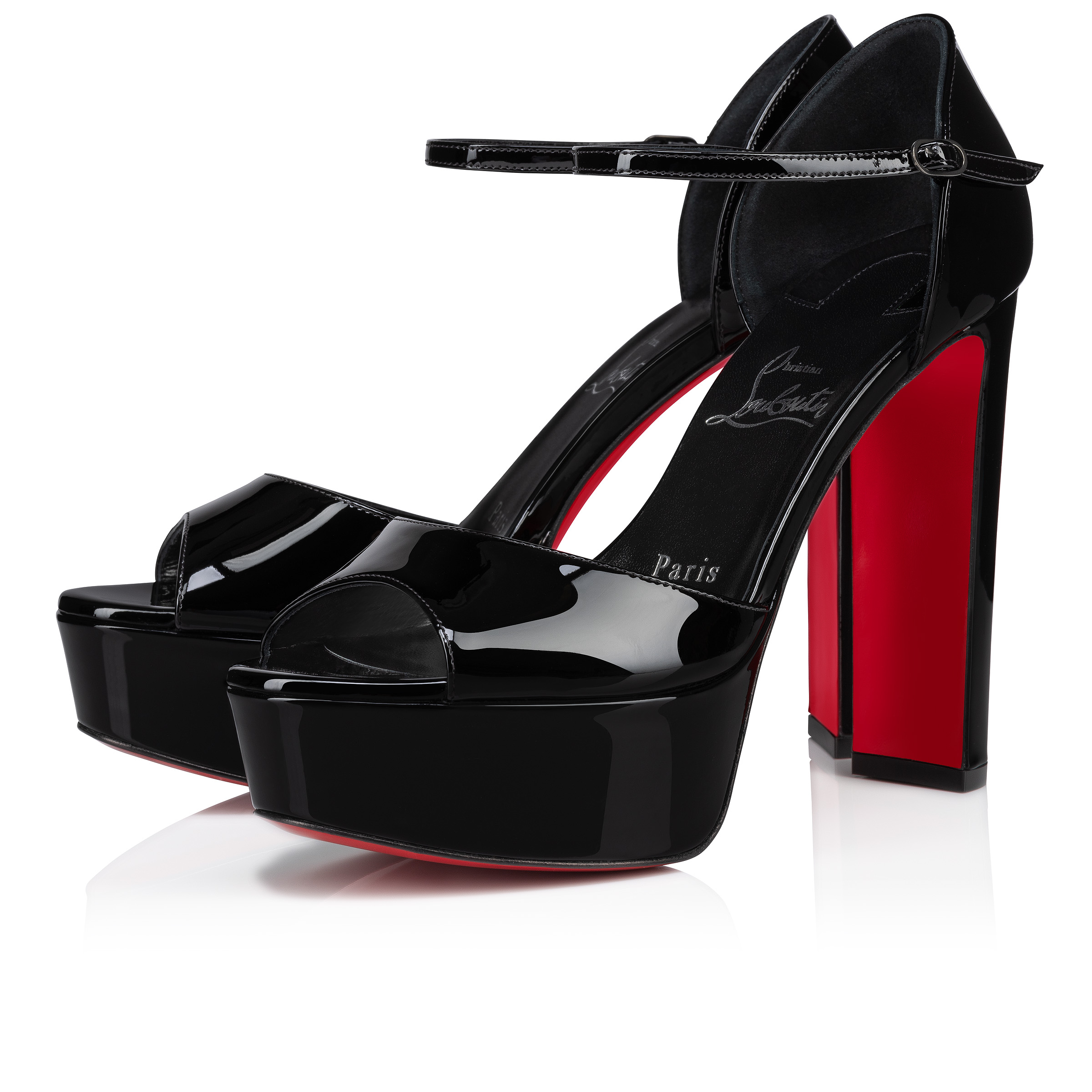
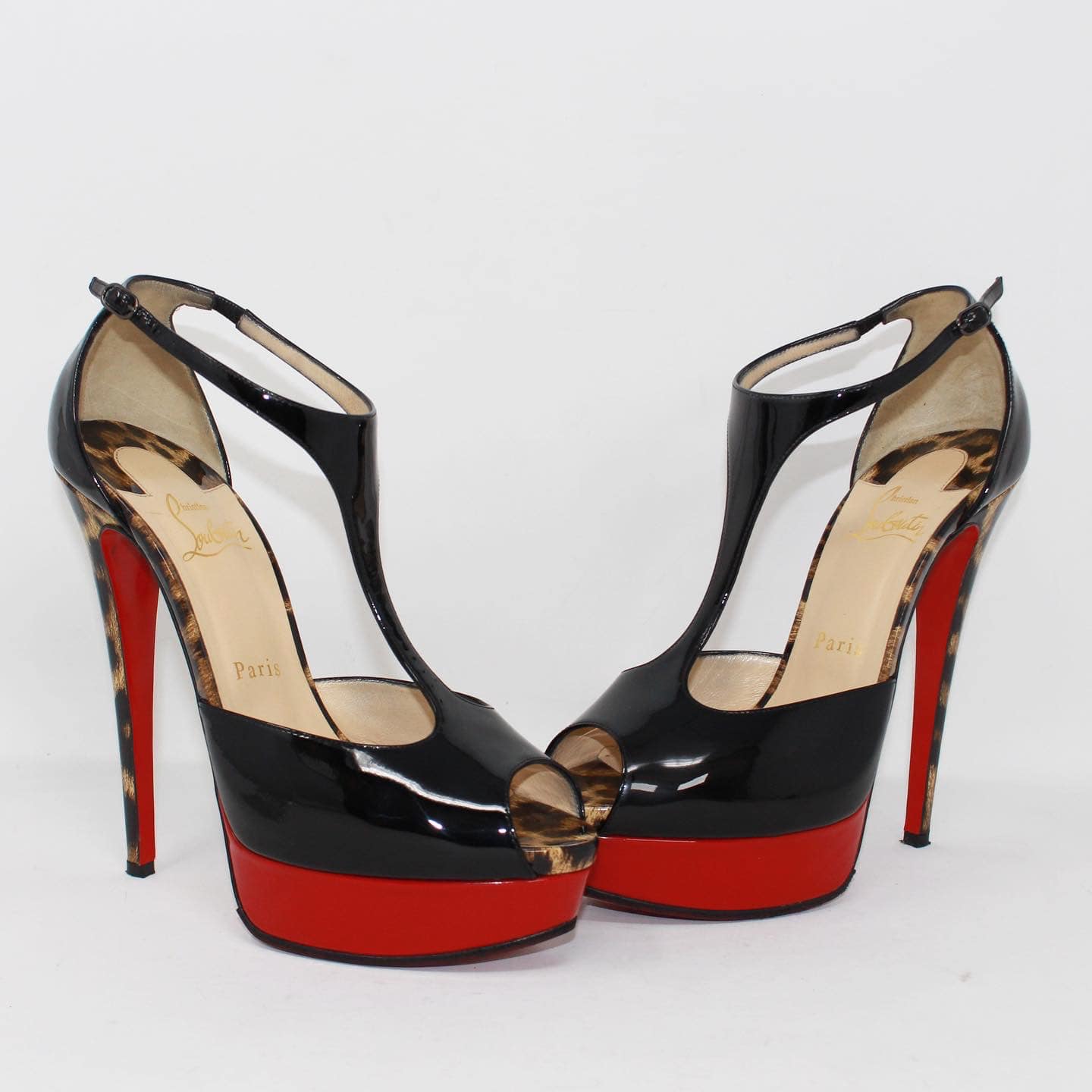
The lacquered sole is a very simple piece of branding: one flash of colour that means one thing. It works because you only see it in motion, so it reads as a glimpse rather than a logo. Nobody notices it while you’re standing still, which is the point.
Practically, that lacquer also protects the leather underneath, which is why a resole is cheap compared to what you’d pay on an unsealed sole. During a seasonal christian louboutin heels sale, the classic black 85mm is usually the first thing to go, because it’s the pair people buy when they’ve decided to stop experimenting. If you find your size at a discount, take it. If you find a colour you love, take that instead, because a shoe you actually wear beats a sensible shoe you don’t.
Winter: salt is the real enemy
Not snow. Salt. The grit they spread on pavements dries into a white crust that eats leather from the inside, and by February the damage is permanent. Wipe your boots with a damp cloth and a little vinegar-water after every salted walk, and condition the leather once a month. It takes four minutes and it doubles the life of the shoe.
Knee-high boots and closed pumps with a solid heel create a warm pocket around the foot, which is why they feel warmer than their weight suggests. Patent cracks in real cold, though, so if you’re regularly out at minus five, matte leather is the safer bet. Over-the-knee boots in black leather earn their price in a city winter: warm, flattering with a midi skirt, and they work with jeans on the days you can’t be bothered.
Winter is also when heel tips go fastest, because the ground is harder and wetter. Check them in November. Replacing a tip costs a tenner. Replacing a heel costs thirty times that and a week without the boots.
Boot fit is where most people get it wrong. The calf measurement matters more than the foot size, and a boot that’s tight at the top will feel fine for twenty minutes and unbearable by the end of the day. Try them on with the tights or trousers you’ll actually wear, and sit down. If the shaft digs into the back of your knee when you sit, it will do that every day for four months.

What I’d actually buy, in order
If you’re building this from scratch and you have a budget rather than a wish list, the order matters more than the brand.
- One black leather pump, 70 to 85mm, pointed or almond toe. This is the pair that does weddings, interviews and dinners.
- One heeled ankle boot in matte leather. Autumn through March, every day you can’t face a pump.
- One open sandal with simple straps for summer evenings.
- One fun pair, whatever that means to you. Buy it last and buy it on sale.
That’s four pairs covering a year, and the fourth one is optional. Most of us own twelve pairs and wear three, which is a strange way to spend money on something that touches the ground.
If you want a number to hold yourself to, work out cost per wear before you buy anything else. A £180 ankle boot worn three times a week through autumn and winter costs you about £2 a wear by March. The £90 pair you bought for one party and never touched again cost £90 a wear. The maths is unforgiving and it has saved me more money than any sale.
One last thing, and it’s the opposite of what the styling guides tell you. The seasons don’t care about your outfit. If it’s 9°C and raining, wear the boots and save the slingbacks for Thursday. Style is not a schedule. It’s a decision you make at the door, usually in a hurry, and the pair that lets you make that decision fastest is the one worth owning.
