

Your Ultimate Guide to Vionic Walking Shoes
In a world saturated with footwear promising comfort, one name consistently rises to the top for those who understand that walking is a foundational human movement, not just a means of transport. The quest for the perfect walking shoe often leads to a crossroads of style, science, and sustained foot health. This guide cuts through the marketing noise to explore why a specific category of footwear, exemplified by the vionic walking shoe, has garnered such a dedicated following. We will dissect the biomechanical principles behind their design, evaluate their real-world application, and provide you with the knowledge to make an informed decision for your own stride.
The Science of Stride: Why Biomechanics Matter
Walking is a complex symphony of biomechanical events. Each step involves heel strike, foot flattening (pronation), and a final push-off from the toes. When this sequence is disrupted by improper alignment or lack of support, a cascade of issues can arise, from plantar fasciitis to knee and hip pain. The core philosophy behind a vionic walking shoe is not merely cushioning; it is controlled support. This approach is rooted in podiatric science. As noted by the American Podiatric Medical Association (APMA), shoes that offer structural support can help maintain proper foot alignment and reduce stress on the musculoskeletal system. The design principle here aligns with concepts from sports medicine and ergonomics, focusing on aligning the foot from the ground up to create a stable platform. Unlike a memory foam shoe that simply molds to your existing (potentially problematic) foot position, a biomechanically designed shoe aims to guide your foot into a healthier position throughout the gait cycle. This is the critical difference between passive comfort and active correction, a distinction that separates generic sneakers from purpose-built orthotic-friendly footwear.
Deconstructing the Vionic Innovation: The Orthaheel Technology
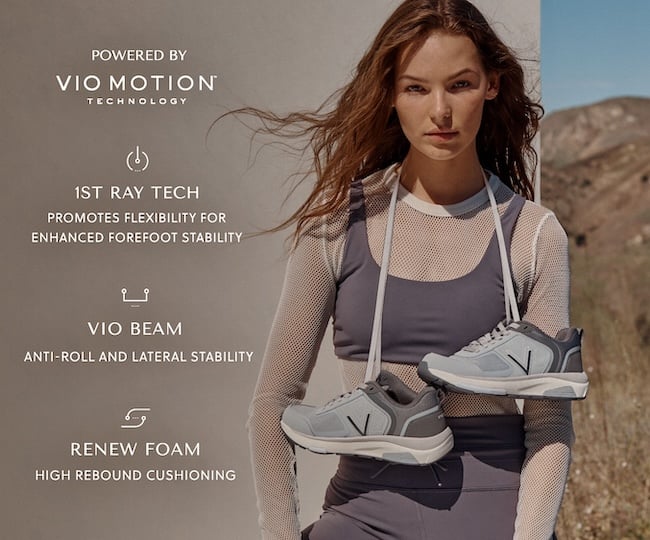
At the heart of every vionic walking shoe lies its signature Orthaheel Technology (now often integrated as Vio-Motion Support). This isn’t a marketing gimmick; it’s a podiatrist-inspired footbed engineered to mimic the optimal alignment of a bare foot on a perfectly supportive surface. The key components are a deep heel cup, a structured arch support, and a forefoot groove. The deep heel cup stabilizes the rearfoot, minimizing excessive calcaneal movement that can lead to Achilles tendonitis. The arch support is not a one-size-fits-all mound but is strategically contoured to cradle the medial longitudinal arch, reducing strain on the plantar fascia ligament—a common source of debilitating heel pain. This aligns with treatment principles for plantar fasciitis, where orthotic support is a first-line conservative intervention. The forefoot groove allows for natural toe flexion during push-off. Dr. Andrew Shapiro, a spokesperson for the APMA, has emphasized the importance of proper arch support in everyday footwear, stating that it “helps to distribute pressure evenly across the foot.” This technology transforms the shoe from a mere covering into a dynamic partner in your movement, offering what many users describe as a “walking on clouds” sensation that is both soft and firmly supportive.
Beyond the Footbed: A Holistic Design Philosophy
While the orthotic footbed is the star, a true vionic walking shoe is a masterpiece of integrated design. The midsole often utilizes lightweight, responsive foams like EVA or proprietary compounds that provide shock absorption without bottoming out. The outsole is designed with strategic flex grooves and durable rubber pods to ensure flexibility where you need it and traction where you demand it. The upper materials are selected for breathability and adaptive fit, often incorporating stretch panels or seamless constructions to prevent irritation. This holistic approach ensures that every component works in concert. Consider the analogy from architecture: a building is only as strong as its foundation and the synergy of its load-bearing structures. Similarly, the footbed provides the foundation, but the midsole, outsole, and upper are the essential frameworks that translate that support into durable, all-day comfort. Reviews from platforms like Runner’s World and testimonials from long-distance walkers frequently highlight this seamless integration, noting that the support feels inherent to the shoe’s structure, not like an added insert that can shift or compress unevenly over time.

Who Stands to Benefit? A Spectrum of Walkers
The appeal of the vionic walking shoe spans a wide demographic. It is, of course, a godsend for individuals with diagnosed foot conditions like plantar fasciitis, flat feet (pes planus), or overpronation. For them, it serves as a daily wearable orthotic. However, its benefits extend far beyond clinical populations. The “healthy” walker who spends hours on their feet—be it a nurse, a teacher, a retail worker, or an avid traveler—will find in these shoes a preventive tool against fatigue and future injury. As the famous quote attributed to the philosopher Friedrich Nietzsche goes, “All truly great thoughts are conceived while walking.” Shouldn’t the vessel that enables such thought be equally considered? Furthermore, for the aging population, maintaining foot health and stability is paramount to preserving mobility and independence. A study from the Journal of Foot and Ankle Research underscores the link between footwear and fall prevention in older adults, citing stability and proper fit as key factors. Thus, from the therapeutic to the prophylactic to the performance-oriented, these shoes offer a universal proposition: optimized walking mechanics for a better quality of movement.
Style Meets Substance: The Evolving Aesthetic
Historically, orthotic-friendly shoes were synonymous with clunky, medical-looking designs. Vionic, among other brands, has been instrumental in shattering that stereotype. Today, you can find styles ranging from sleek athletic sneakers and modern sandals to professional loafers and casual slip-ons. This fusion of clinical function with contemporary fashion is a significant part of their value proposition. It addresses a psychological barrier to adherence; people are more likely to wear supportive footwear consistently if they feel confident and stylish in it. This design evolution reflects a broader trend in health and wellness, where products are expected to integrate seamlessly into lifestyle, not detract from it. As fashion icon and entrepreneur Iris Apfel once said,
“Style is attitude. It’s about expressing yourself and feeling good in what you wear, without sacrificing comfort.”
This ethos is embodied in the current generation of Vionic footwear. Whether you’re navigating city streets, attending a business casual meeting, or enjoying a weekend brunch, the technology is discreetly embedded within aesthetically pleasing designs, proving that you don’t have to choose between looking good and feeling great.

Making the Investment: Value Beyond the Price Tag
Let’s address the practical consideration: Vionic shoes often carry a premium price point compared to mass-market athletic brands. However, evaluating them requires a shift from a commodity mindset to an investment mindset. The cost should be weighed against the potential savings in future medical bills, pain management, and the simple value of pain-free daily living. Furthermore, the construction quality and durable materials typically result in a longer lifespan than cheaper, foam-based shoes that compress and lose support within months. To maximize value, savvy shoppers should look for seasonal sales, discounts on previous-season colors, and promotions on the brand’s official website or authorized retailers. Bundling purchases during holiday sales or subscribing for newsletters to receive exclusive promo codes can lead to significant savings. Remember, investing in a shoe that actively contributes to your musculoskeletal health is an investment in your long-term mobility and well-being. It’s the difference between buying a tool that wears out and investing in a system that supports you.
The Verdict on Your Feet
The journey to finding the right walking shoe is deeply personal, but it should be guided by evidence and an understanding of one’s own body. The vionic walking shoe represents a compelling synthesis of podiatric science, material innovation, and design intelligence. It stands as a testament to the idea that everyday footwear can be both a therapeutic aid and a lifestyle enhancer. For those who view walking not as a mundane task but as a vital, joyful, and fundamental part of human existence, equipping your feet with thoughtful engineering is the first and most important step. Your stride is your signature; make sure it’s supported by a foundation worthy of the journey ahead.

