

Ten days, one pair of shoes, one carry-on. It sounds like a packing flex until you’re standing in a hotel bathroom at 11pm with a hair dryer pointed at a damp insole, hoping tomorrow’s walk doesn’t start with a squelch.
I’ve watched this play out in shop returns and in long forum threads for years, and the pattern is consistent. People don’t fail because they bought a bad shoe. They fail because they bought a shoe for the wrong half of the trip. The first three days are fine. Days four through seven are where the seams, the insoles, and the drying time start telling the truth.
What follows is the version of travel walking shoes for women advice that assumes you’re packing light and walking far: what actually wears out first, which specs matter when you’re washing shoes in a sink, and where the sales pitch and the reality part company.
What wears out first is almost never the sole
Ask anyone what kills a walking shoe and they’ll say the outsole. In practice, on a two-week city trip, the outsole is usually the last thing to go. The tread on a decent rubber sole is good for several hundred kilometers on pavement, and you’re unlikely to cover that in ten days unless you’re doing something unusual.
The parts that fail first are boring. The insole compresses, especially the cheap foam one that comes in the box, and by day five you’re standing on a flattened pancake with your heel doing the work. The lining at the heel collar abrades, which is where the blister starts. The laces fray at the eyelet nearest the toe, because that’s where the flex point is. And the midsole foam loses maybe 10 to 15% of its height under repeated load, which is why the shoe that felt plush on day one feels flat by day nine.
None of that shows up in a spec sheet. All of it is fixable if you plan for it.
Swap the insole before you leave. A 15 euro replacement with a firmer heel cup adds almost no weight and roughly doubles the useful life of the comfort you paid for. Bring a spare pair of laces, because they weigh nothing and a broken lace in a city where you don’t speak the language is a genuinely annoying afternoon. And check the heel collar for a seam that sits right on your Achilles before you pack, not after.
Look at the eyelets while you’re at it. Metal eyelets on a thin synthetic upper pull through, and once one goes you’re lacing around a hole. If the top eyelet sits on a single layer of material with no reinforcement behind it, that’s the first thing to fail on a daily-wear shoe. It’s not a reason to reject a pair, but it does tell you how the maker thinks about longevity.
Midsole compression is the one nobody can fix on the road. A foam midsole loses height under load, and a 25mm stack can measure 21mm by the end of a long trip. You won’t notice the change day to day. You will notice it when the shoe that felt supportive on the way out feels thin on the same walk in week two. That’s not your feet getting weaker. It’s the foam.
Lining abrasion deserves a specific mention because it decides whether you can wear the pair barefoot in the evening. A smooth, one-piece heel lining survives. A stitched seam that crosses the heel at ankle height will rub through in about 40 hours of walking, and then you’re buying plasters in a pharmacy with a queue.
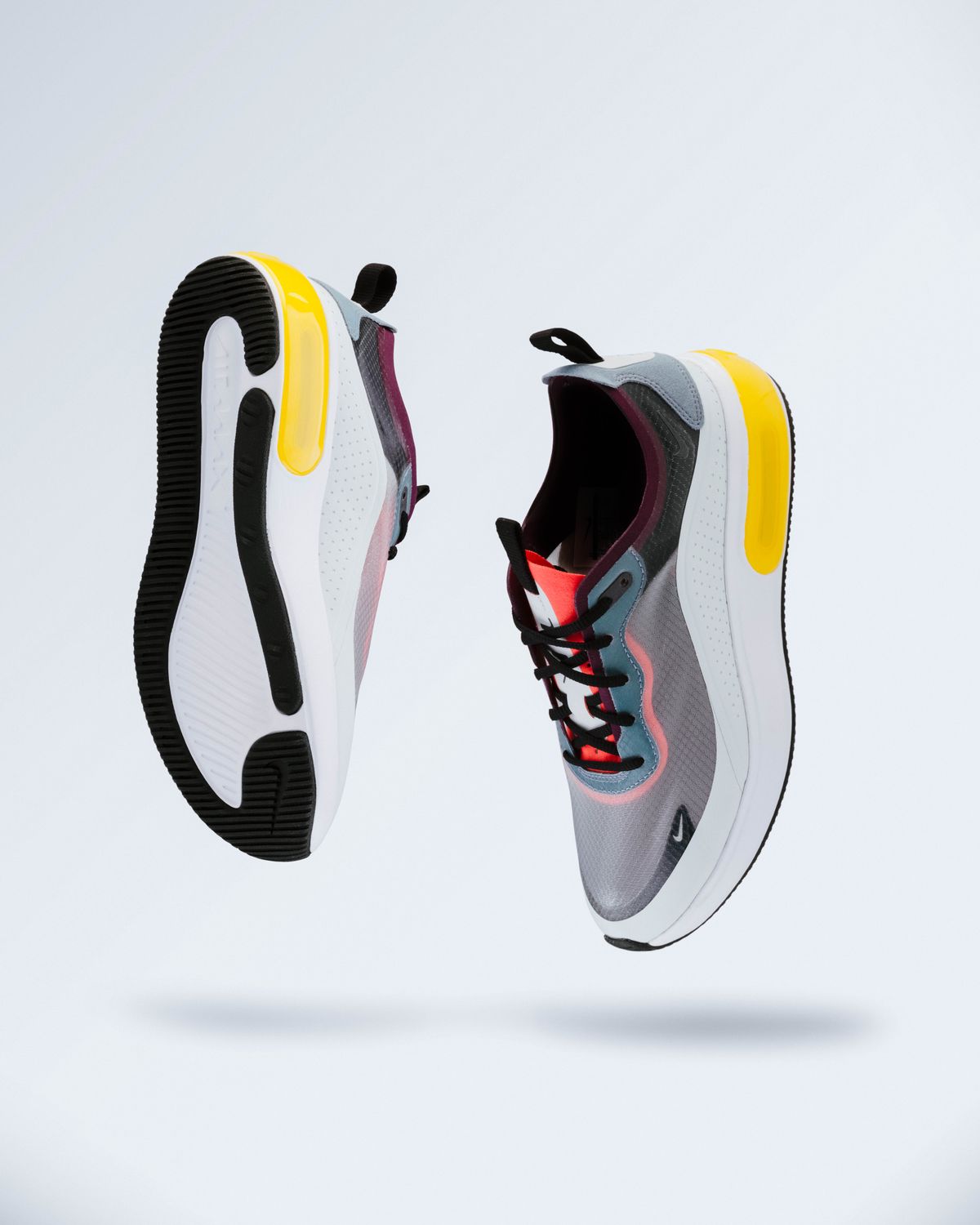
Drying time is the spec nobody lists
Here’s the number that decides whether one pair is enough: how long the shoe takes to dry after rain or after a sink wash. Most walking shoes with mesh uppers and foam linings need 12 to 24 hours in a hotel room with no airflow. Leather takes longer. A knit upper with a thin lining can be dry in six hours if you stuff it with newspaper and point a fan at it.
That single property changes your packing math. If your shoes dry overnight, one pair is genuinely enough. If they need a full day, you’re either walking in damp shoes or you’re packing a second pair. There’s no clever trick that beats physics, although pulling the insole out and stuffing the shoe with rolled newspaper does help more than most people expect. Change the paper after two hours.
Never dry them on a radiator or with a hair dryer on hot. Foam and glue don’t like it, and a distorted midsole is worse than a damp one. Warm room, airflow, patience.
One number to remember when you’re comparing pairs online: a shoe that needs more than 18 hours to dry in a hotel room is a two-pair shoe, whatever the listing says. “Quick dry” in a product description usually means the mesh, not the lining or the insole, and those two are what slow everything down.
Rain is the other half of this. A shoe that’s fully waterproof sounds better than it is for city travel, because waterproof membranes trap sweat as effectively as they block puddles. On a 20,000-step day your foot produces a surprising amount of moisture, and a non-breathable shoe ends up wet from the inside. For most trips, a water-repellent upper that dries fast beats a membrane. If you’re going somewhere genuinely wet in winter, that trade-off flips, and the membrane wins.
If you do get caught out, the hotel towel method works better than its reputation suggests. Roll a dry towel tightly, push it into the shoe, and stand on the shoe for a minute. The pressure pulls water into the towel far faster than gravity does. Repeat with a dry section of towel, then stuff with newspaper and leave the shoe near, not on, a heat source.
Smell is the other thing that ambushes people on a ten-day trip with one pair. Damp foam and warm hotel rooms produce a smell that no amount of deodorant spray fixes. A pair of cedar inserts weighs almost nothing and does more than any spray. Failing that, a dry tea bag in each shoe overnight absorbs some of the moisture that feeds the bacteria.
Weight, and the quiet cost of a heavy shoe
Every extra 100g on your feet costs more energy than 100g in your bag, and the effect compounds over a day. A 380g walking shoe versus a 280g one doesn’t sound like much. Over 20,000 steps it’s an extra 2,000 kilos of lifted mass, spread across your quads, calves, and hip flexors.
The physiology behind that is not exotic. Walking is a controlled fall from one foot to the other, and each step lifts and decelerates your body weight plus whatever is strapped to your feet. Add mass at the far end of the lever and the muscles above the ankle pay for it.
This is why the lightest pair that still passes your grip and support tests is usually the right answer for travel. It’s also why I’m wary of shoes marketed as “maximum cushioning” for city trips. The extra foam often comes with extra weight and a taller platform, and a taller platform on uneven stone is a rolled ankle waiting for its moment.
Weigh your candidates if you can. Kitchen scales, both shoes, and compare. The difference between 600g and 800g for the pair is meaningful when you’re carrying them in a shoulder bag on a museum day because your feet needed a break.
Which brings up the honest caveat: if you have knee or hip issues, a slightly heavier shoe with better shock absorption is the better call. Weight matters, but it isn’t the only variable, and this is exactly the kind of decision where a generic “buy the lightest” rule does real damage.
Stack height deserves a second look too, and not for the reason the marketing suggests. A taller platform raises your center of gravity, which is fine on a flat pavement and less fine on a stepped street with a wet edge. If your itinerary includes old towns with uneven surfaces, a lower, wider base is more forgiving than an extra 8mm of foam.
There’s also the bag math. A pair of shoes in a suitcase takes roughly the space of two folded sweaters. If you’re traveling with hand luggage only, that’s a real cost, and it’s the reason so many people try to make one pair work. The compromise is to wear the heavier walking pair on travel days and pack the light evening pair flat. Shoes on your feet don’t count against the cabin bag.
One pair or two: the case for the second pair
Most travel advice says one pair is enough. I’d push back slightly. One walking pair plus one light evening pair is the configuration that works for ten days, and the second pair earns its place for three reasons that have nothing to do with fashion.
First, alternating lets each pair dry. Second, a change of pressure points every evening gives hot spots a chance to settle. Third, and this is the one people underestimate, having a second option means a wet morning doesn’t derail the day.
The evening pair should be light and flat-ish. A low block heel or a mule in a neutral tone covers dinners, and it weighs less than a paperback. Our thick-heel evening pair that stays comfortable through dinner is the general idea, and a lower block style like these commuting heels that pack flat in a tote covers the same ground with less height.
What I’d skip is the third pair. Every extra pair is roughly 600g and a chunk of your bag, and the marginal benefit drops fast. Two is the sweet spot.
One rule for the evening pair: it has to survive a 15-minute walk, not just a taxi ride. Plenty of dressy shoes are fine from the door to the table and miserable on the way back. If you can’t walk around the block in them comfortably, they’re a prop, not a shoe, and they’ll stay in the room while you wear the walking pair to dinner for the fourth night running.
Packing matters as much as the choice. Put the walking pair at the bottom of the bag with socks stuffed inside, so the uppers don’t collapse, and wrap the evening pair in a cloth bag so the heel doesn’t scuff everything else. It sounds obvious. It’s also the difference between arriving with two wearable pairs and arriving with one and a dented heel.
Buying before you fly versus buying there
The romantic version of this advice is to buy shoes in Europe, where the selection is better. The practical version: don’t. A new pair needs testing miles, and testing miles are exactly what you don’t have on arrival. If you buy abroad, buy a second pair for the trip and keep your broken-in ones for the walking days.
Sizing is the other trap. An EU 38 measures about 24cm inside, but lasts vary by nearly a centimeter between makers, and width varies more. If you’re ordering online, convert by measured foot length in centimeters. Our note on where wide widths actually add room explains why the same size number can feel completely different across brands.
There’s also the return question. Shoes bought at home can be returned for weeks. Shoes bought on day two of a trip can only be lived with. That asymmetry alone is a good reason to do the buying at home, where a mistake costs you a postage label instead of four days of limping.
Do your trying on at night, after a day of standing. Feet are at their largest then, and a pair that fits at 9am can be a size too small by dinner. Ten minutes of walking around your own kitchen in the evening tells you more than an hour in a shop in the morning, and it costs nothing.
One more practical note on the conversion: measure both feet and use the longer one. Very few people are perfectly symmetrical, and buying to the shorter foot is a reliable way to lose a toenail on the first long descent. Keep the measurement in your phone, in centimeters, and ignore the label on the box.
If you’re shopping for a warm-weather trip, lighter uppers and a breathable lining matter more than waterproofing. If it’s a northern winter, the priorities flip entirely, and the shade and surface questions that come up with brown walking shoes are worth reading before you commit to a light-soled pair that will look wrecked by day three.
Foot care is part of the kit, not an afterthought
You can do everything right with the shoe and still get a blister, because blisters are a friction problem and friction depends on socks, sweat, and how fast you walk. The NHS guidance on blisters is blunt about the cause: repeated rubbing, made worse by damp skin.
So pack for it. Three pairs of wool-blend or synthetic socks, not cotton. A small strip of moleskin or a blister plaster in your bag, because the shop that sells them is always 900m behind you. And a rule that sounds fussy but works: stop and fix a hot spot the moment you feel it. Thirty seconds now saves three days later.
Change socks at lunch on long days if you can. Dry feet have dramatically less friction than damp ones. It’s a small ritual that costs nothing and changes how the afternoon feels.
The mechanics of blister formation are well documented: shear force separates the upper skin layers, and fluid fills the gap. That’s why the fix is reducing shear, not adding padding. A tighter heel hold and a sock that doesn’t slide do more than any gel patch.
Carry one small repair kit and stop thinking about it. A blister plaster, a strip of moleskin, a spare insole if you have room, and a nail file. That’s it. The file earns its place because a rough nail edge will destroy a sock lining over three days, and you won’t feel it happening until the damage is done.
By day four, a good travel pair stops being noticeable, which is the highest compliment a shoe can get. By day seven, the insole has taken the shape of your foot and the laces have stretched into their final position. By day ten, the heel lining has a worn patch and the tread is visibly smoother at the outside edge, and you’ll be glad you didn’t pay extra for shoes you were afraid to scuff.
That’s the test you can’t run in a shop, and it’s the only one that counts. The right pair for a ten-day trip is the one you stop thinking about somewhere around day three and don’t resent by day nine.
If you want a starting point, spend fifteen minutes on the all-day walking category and shortlist by weight and drying time before you look at anything else. Then replace the insole, buy the spare laces, and stop worrying about the rest.
And if you’re still deciding how many pairs to bring, count your evenings, not your outfits. Two pairs, one of them flat enough to pack, covers almost every ten-day trip you’ll take.
