

The walk to the station takes eleven minutes, and for four weeks I did it in three different pairs of leather walking shoes, in the same coat, with the same bag. October gave me the full range: 11°C at 7:40 with a wind, 21°C by 1pm, one day of proper rain, and a Thursday that somehow managed all three before lunch.
What I learned is that leather is not warm and it is not cool. It’s sealed, which is a different property, and it behaves very differently at 11°C than it does at 21°C. Most buying advice treats leather as a single material with a single set of virtues. It isn’t. Tannage, lining, and thickness change the shoe more than the brand does.
If you’re choosing between leather and mesh for a pair you’ll wear from October to March, and you’ve already read three lists of best leather walking shoes for women that all say the same thing, this is the part those lists skip, the decision comes down to three things: how the upper handles water, where it creases, and how long it takes to dry. I’ll take them in that order, because that’s the order they bit me.
Three pairs, one month, and the numbers I actually tracked
Same route, same time, five days a week. 11 minutes each way, plus about 3 km of errands on most days. Roughly 45 km a week, which is a normal city amount rather than a heroic one.
The three pairs, described by what mattered rather than by label:
- Pair one: full-grain, 1.6 mm, unlined, rubber outsole 5 mm, 302 g per shoe.
- Pair two: corrected-grain with a waterproof membrane, fabric lining, 328 g per shoe.
- Pair three: oiled nubuck, lightly lined, 285 g per shoe.
The weight difference looks trivial and isn’t. At 45 km a week, 40 g per shoe is 3.6 kg of extra lifting per week, and by Friday my calves knew which pair I’d been wearing. This is also why I stopped believing the “you won’t notice the weight” line in reviews. You notice by Thursday.
What I measured, with a cheap hygrometer and a notebook:
- Inside temperature at the end of the walk, taken with the shoe off within 30 seconds.
- Sock dampness, scored 0 to 3 by feel, which is not scientific but was consistent.
- Drying time after the rainy day, indoors at 19°C, no radiator.
None of this is laboratory data, and I’m not going to pretend it is. It’s one person, one autumn, one city. But it’s more than most product pages tell you, and the pattern was consistent enough that I’d make the same choices again.
The 11°C morning: leather insulates less than you think
Here’s the thing about leather in cold weather: it blocks wind, which is most of what makes 11°C feel cold, but it has almost no insulation value of its own. The warmth comes from what’s inside: the lining, the sock, and the air trapped between them.
The lined pair, with its membrane and fabric interior, was the warmest by a clear margin. It was also the dampest by the end of a long day, because a membrane that keeps water out also keeps moisture in. There’s a reason hikers argue about this endlessly: waterproof and breathable are in tension, and the resolution is always a compromise.
Pair one, unlined, was cold at 7:40 and comfortable by 9. That’s the honest pattern. Unlined leather adapts to your foot temperature within about 20 minutes of walking, and then it stays roughly neutral.
The oiled nubuck was the surprise. Oiled leather is softer and slightly more porous than a finished full-grain, so it breathes better than pair one and insulates a touch more. It also marks if you look at it wrong.
Practical version: at 10 to 14°C, an unlined leather shoe with a wool-blend sock is more comfortable than a lined waterproof one. Below 8°C, the lined pair earns its keep. Above 18°C, none of them are pleasant, and you should be in mesh.
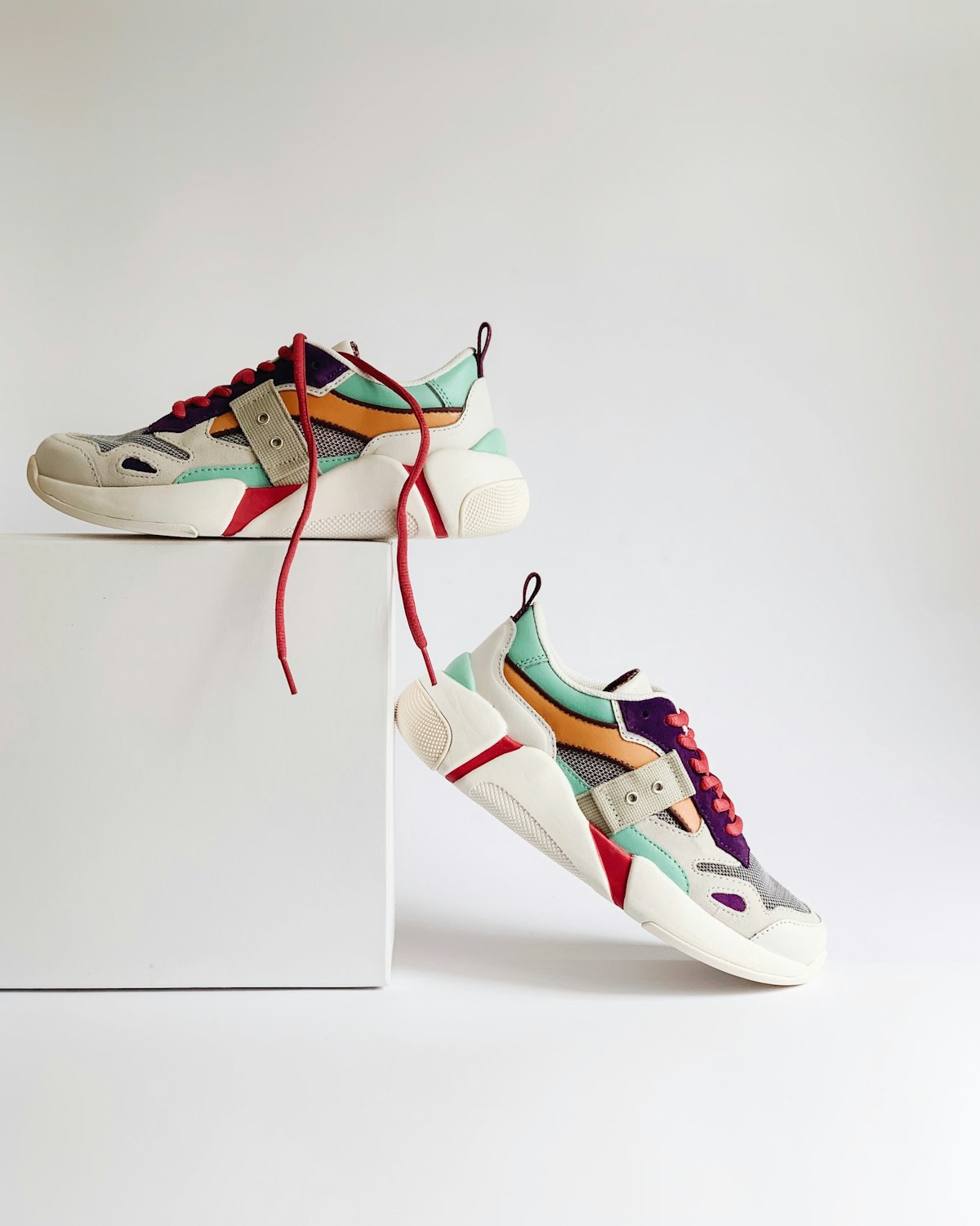
By 21°C at lunchtime, leather stops being a clever choice
The same shoe that felt right at 7:40 felt wrong by 1pm on the warm days. Not painful, just clammy. Leather doesn’t wick; it holds moisture against the lining until you take the shoe off. On a 21°C afternoon that means a slightly damp sock by 3pm and a shoe that smells like a gym bag by Friday.
What helped:
- Merino socks instead of cotton. Cotton holds water against the skin; merino moves it outward and still insulates when damp. This single change made the biggest difference to afternoon comfort.
- A spare pair of socks in the bag. Unglamorous, effective. Changing socks at lunch resets the whole equation.
- Cedar shoe trees overnight. They absorb moisture and hold the shape. About 15 euros, and they extend the life of a leather pair by a year.
What didn’t help: insoles marketed as “cooling.” Most are a layer of mesh over foam, and the foam is the problem. If you want a cooler shoe, change the upper, not the insole.
The broader point is that a leather walking shoe is a cool-weather shoe, and buying one in April for a summer of walking is how people end up disappointed. If your climate runs above 22°C for four months, leather is a two-season material at best. That’s not a flaw. It’s a use case. If you want the lighter option for the warm half of the year, the notes on white walking shoes on wet pavement cover the mesh side of the same decision.
Where leather creases, and which creases mean trouble
Every leather shoe creases across the vamp, right where your toes bend. That crease is normal and, over time, it’s what makes a leather pair look like yours rather than new. The question is where it lands.
A good crease sits about 15 to 20 mm behind the widest part of the toe box, exactly where your foot flexes. If the crease lands further back, near the middle of the vamp, the shoe is too long. If it lands right at the toe cap, the shoe is too short and the leather is folding where there’s no room.
Three crease problems worth acting on:
- Deep creases that crack. Usually corrected-grain leather with a heavy surface finish. Once the finish cracks, water gets in and the crack grows.
- Asymmetric creasing across the two shoes. A sign that one foot is longer, which is normal, but it also tells you which foot to fit for.
- Creasing plus a hot spot. The crease is pressing a seam into your foot. Not fixable with break-in.
Full-grain leather creases softly and recovers between wears. Corrected-grain, with its sanded and coated surface, creases sharply and doesn’t recover. That’s the difference between a pair that looks better in month six and one that looks tired in month two, and it’s not visible in a product photo.
If you want the long version of that distinction, how leather is made covers the difference between full-grain, top-grain and corrected-grain better than most brand pages do. The short version: the closer to the original hide surface, the better it ages.
One maintenance note that actually matters: condition twice a season, not weekly. Over-conditioning softens the leather until it loses shape, and a floppy upper on a walking shoe is worse than a dry one. A pea-sized amount, worked in with fingers, is plenty for a pair.
The rainy day test: what 24 hours does to a soaked pair
It rained properly on the eleventh day, about 14 mm in three hours, and I walked home in it because that’s the test. All three pairs got wet within a week of each other, on comparable days.
Drying times, indoors, no heat:
- Pair one, unlined full-grain: 19 hours to feel dry inside, 30 to be genuinely dry.
- Pair two, membrane-lined: 22 hours inside the shoe, and the membrane felt cold and clammy for a further day.
- Pair three, oiled nubuck: 15 hours, quickest of the three, and it showed the water stain for a week.
All three survived. None of them smelled right for a few days. The membrane pair was the least wet during the walk and the slowest to recover afterwards, which is the trade-off nobody puts on the box.
What to do if a leather pair gets soaked:
- Take the insoles out immediately. They hold more water than the upper.
- Stuff with newspaper, change it after two hours.
- Dry at room temperature, away from radiators. Heat cooks the adhesive and shrinks the leather.
- Condition lightly once dry. Not before.
Never put a leather shoe in a tumble dryer, and never on a radiator. I tried the radiator once, years ago, with a pair I liked. The toe curled and the sole lifted at the front. That’s not a repairable fault.
What a waterproof leather shoe can and can’t do
Waterproofing is the most over-promised feature in the category. A membrane keeps liquid water out and water vapour in. That’s the physics, and no amount of marketing changes it. On an 11-minute walk in drizzle, a membrane is a benefit. On a 90-minute walk in 21°C, it’s a small sauna.
Three claims worth reading carefully on a product page:
- “Waterproof leather.” Usually means a treated upper with a membrane behind it. The leather itself is treated, not sealed forever; it needs re-proofing every season.
- “Water-resistant.” Handles a shower, not a puddle. Expect 20 to 30 minutes of light rain before the toe box starts to take water.
- “Breathable membrane.” True and conditional. Membranes move vapour when there’s a temperature and humidity gradient to drive it, which there rarely is inside a shoe on a mild day.
For tanning and finish claims, the OEKO-TEX leather standards are the ones worth checking, because they cover restricted substances rather than marketing language. It won’t tell you how a shoe fits, but it does tell you something about what’s in the upper.
The practical conclusion after a month: buy leather for structure and ageing, buy a membrane only if you’ll genuinely be out in sustained rain. For city walking in autumn, an unlined or lightly lined full-grain pair with a conditioned surface handles drizzle fine, and it dries faster when it doesn’t.
A cheap trick that works better than any spray: keep a second pair of shoes at the office. The best leather walking shoes for women are the ones that get a day off between wears, and two pairs rotated last roughly three times as long as one pair worn daily.
Socks and linings do more than the upper
This was the least expected finding, and it’s the one I’d pass on to anyone comparing best leather walking shoes for women on specification alone. Changing socks changed comfort more than changing shoes did.
A 2 mm merino sock versus a cotton crew sock, same shoe, same route: the merino version was warmer at 7:40 and drier at 13:00. The cotton version felt fine for the first hour and then got cold and heavy.
Three sock rules that held up:
- No cotton for walking. It absorbs and holds. That’s the whole problem.
- Match thickness to the shoe’s volume, not the weather. A thick sock in a snug leather shoe makes the fit worse and the foot hotter.
- Two thin pairs beat one thick pair in cold weather, because the layers move against each other and reduce friction.
On linings: leather lining is more durable and more expensive; fabric lining dries slower but feels cooler in warmth. For a pair you’ll wear from October to March in a cool climate, leather lining is worth the extra money. For a pair you’ll wear in a warm autumn, fabric is the better bet.
Also worth checking: whether the lining is stitched or glued at the heel. Glued linings peel at the heel first, usually around month eight, and once they peel the shoe rubs. There’s no fix short of a cobbler, and a cobbler costs more than the shoe is worth by then.
What I’d buy again, and what I wouldn’t
The unlined full-grain is the one I’d replace with the same specification. It was cold on the worst mornings, it needed socks I thought about, and it looked better every week. At 1.6 mm with a 5 mm rubber outsole it hit the balance between protection and ground feel that a walking shoe needs.
Would I buy the membrane version again for city use? No. It’s a good shoe for a specific job, which is standing in wet grass or walking in sustained rain for more than an hour. For 11 minutes to the station, it was the wrong tool: warmer than needed, slower to dry, and clammy by mid-afternoon.
For a dry autumn, the oiled nubuck is the pair I’d replace without thinking about it. It was the most comfortable of the three from day one and the fastest to dry. It also needed more care than I gave it, and the water stain from the rainy day never fully came out.
If you’re shopping for the best leather walking shoes for women and want one pair rather than three, look at the specification rather than the badge. the sensible specification is: full-grain or oiled nubuck, 1.4 to 1.8 mm, unlined or lightly lined, rubber outsole at least 4 mm, removable insole, and a heel counter you can press with your thumb. That last one matters more than any brand name and it’s the one thing you can check in ten seconds.
These softer leather sports shoes sit closest to pair three in how they behave: light, pliable from the first wear, and honest about the fact that leather needs a brush now and then. If your walking is mostly pavement and you want something with more sole under the forefoot, the flat-bottomed board shoes with a thicker sole are the more cushioned option, though the upper won’t age the way leather does.
Two closing numbers, since numbers are what survive a season of wear. Neither is on the box, and both are the reason people end up replacing best leather walking shoes for women every eighteen months instead of every four years. Expect 500 to 800 km from a leather walking shoe before the midsole flattens, and expect the leather itself to outlast that by years. If the leather is still good and the sole is dead at month twenty, a cobbler can resole a stitched shoe for about a third of the price of new. Glued soles can’t be resoled economically, which is worth knowing before you buy rather than after.
And if you only do one thing differently this autumn: buy the pair in September, not November. Leather needs three or four weeks of ordinary wear to mould to your foot, and a shoe that’s still stiff on the first cold morning is a shoe that rubs for a fortnight. The walking shoes for women category is the place to start comparing, and the sizing notes on wide toe box walking shoes are worth ten minutes if your feet run broad.
