

You see them in the window in March, buy them in April, wear them constantly through June, and by September they’ve gone the colour of a faded towel. That’s the usual arc for pink walking shoes, and it has almost nothing to do with how much you paid.
Pink is the least stable colour in the shoe shop. It fades faster than black, shows dirt sooner than white, and dates faster than either. But it also does something no other colour does: it makes a plain outfit look deliberate.
So the question isn’t whether to buy pink. It’s which pink survives two years of real wear, and how to keep it there. Short answer: dusty rose in a coated upper, not hot pink in knit. That’s the short version of everything below, and it’s the advice that saves most people a wasted purchase on pink walking shoes for women.
Which pink still looks good after 60 wears
Pink splits into two families, and they age completely differently.
Soft pinks are the dusty rose, blush, and pale mauve end of the spectrum. They contain a lot of grey, which means they’re already slightly muted. When they fade, they fade toward grey, and grey is fine. Nobody notices.
Bright pinks are the fuchsia, bubblegum, and hot pink end. They contain almost no grey. When they fade, they go patchy and slightly yellow, and the effect is unmistakable. That’s the pair that ends up at the back of the cupboard.
There’s a physical reason for this. Saturated pinks use more pigment and less white base, and the pigments that produce bright magenta are the least light-stable of the common colourants. The chemistry behind pink dyes explains why the brightest versions are also the most fragile, and it’s the same reason a cheap hot pink t-shirt fades on the washing line.
UV is the main culprit, not washing. A shoe left by a window or worn on a sunny commute gets more UV in a month than it gets agitation in a year.
If you want one rule: pick a pink that already looks slightly grey in the shop. It will look the same in eighteen months. Pick the one that grabs you from across the room and you’ll be disappointed by autumn.
Dusty rose also matches more of your wardrobe, which is a practical point rather than an aesthetic one. It reads as a neutral next to denim, navy, grey, and cream. Hot pink reads as a statement and only works against black, white, or denim.
What pink does to your outfits, honestly
Here’s the useful part. Pink isn’t hard to wear, but it does interact with specific colours in specific ways.
- With raw denim: excellent. The blue-grey of indigo makes dusty pink look warmer without clashing.
- With navy: the safest combination on this list. Navy reads as a neutral and lets the shoe be the only colour in the outfit.
- With grey: works if the grey is mid-tone. Pale grey plus pale pink goes washed out and slightly clinical.
- With olive or khaki: surprisingly good, because the two sit opposite each other on the colour wheel without shouting.
- With red or orange: avoid. Two warm colours with nothing between them look like an accident.
The one combination I’d push back on is pink shoes with an all-black outfit. It’s the styling trick everyone reaches for, and it works in photos. In daylight it makes the shoe look like it belongs to a different person.
Try cream instead. A cream trouser with a dusty pink shoe is softer and reads more intentional than black with hot pink, and you can wear it to more places.
For a pink that leans warm, pair it with tan or camel and keep everything else neutral. For a pink that leans cool, pair it with denim and white. If you’re unsure which yours is, hold it next to a sheet of white paper in daylight. Warm pink looks peachy against white. Cool pink looks slightly purple.
Fabric decides whether the colour survives
The upper material matters more than the shade. Same pink, two materials, two completely different lifespans.
Coated synthetic and smooth leather hold colour well. The pigment sits in a sealed layer, so UV has less to attack, and you can wipe dirt off before it bonds. A pink leather shoe worn three times a week will look close to new after a year.
Knit and mesh are the opposite. The dye sits in the yarn, the surface is porous, and dirt works its way into the fibres instead of sitting on top. Pink mesh looks great for about three months. After that it takes on a grey cast that no amount of cleaning removes. If you want the technical version, how dyes bond to textile fibres explains why a dye that sits on the surface behaves so differently from one that soaks in.
Canvas is somewhere in the middle and behaves unpredictably. The first wash takes out 10 percent of the colour, and the second takes out another 5. After four washes a bright pink canvas shoe is a pale pink canvas shoe. If you like that look, fine. If you don’t, don’t buy canvas.
One detail worth checking on the shelf: look at the inside of the tongue. If the yarn is visible on the inside and the outside feels smooth, you’re looking at a coated knit that will crack at the flex point. If the outside has a visible grain and a slight sheen, it’s leather or a good synthetic and will hold colour longer.
Rubber toe bumpers and heel counters are your friend here. They take the scuffs that would otherwise land on the pink upper. A pair with a wrapped rubber toe will still look decent after a winter of pavement walking, which is more than a fabric toe cap will manage.
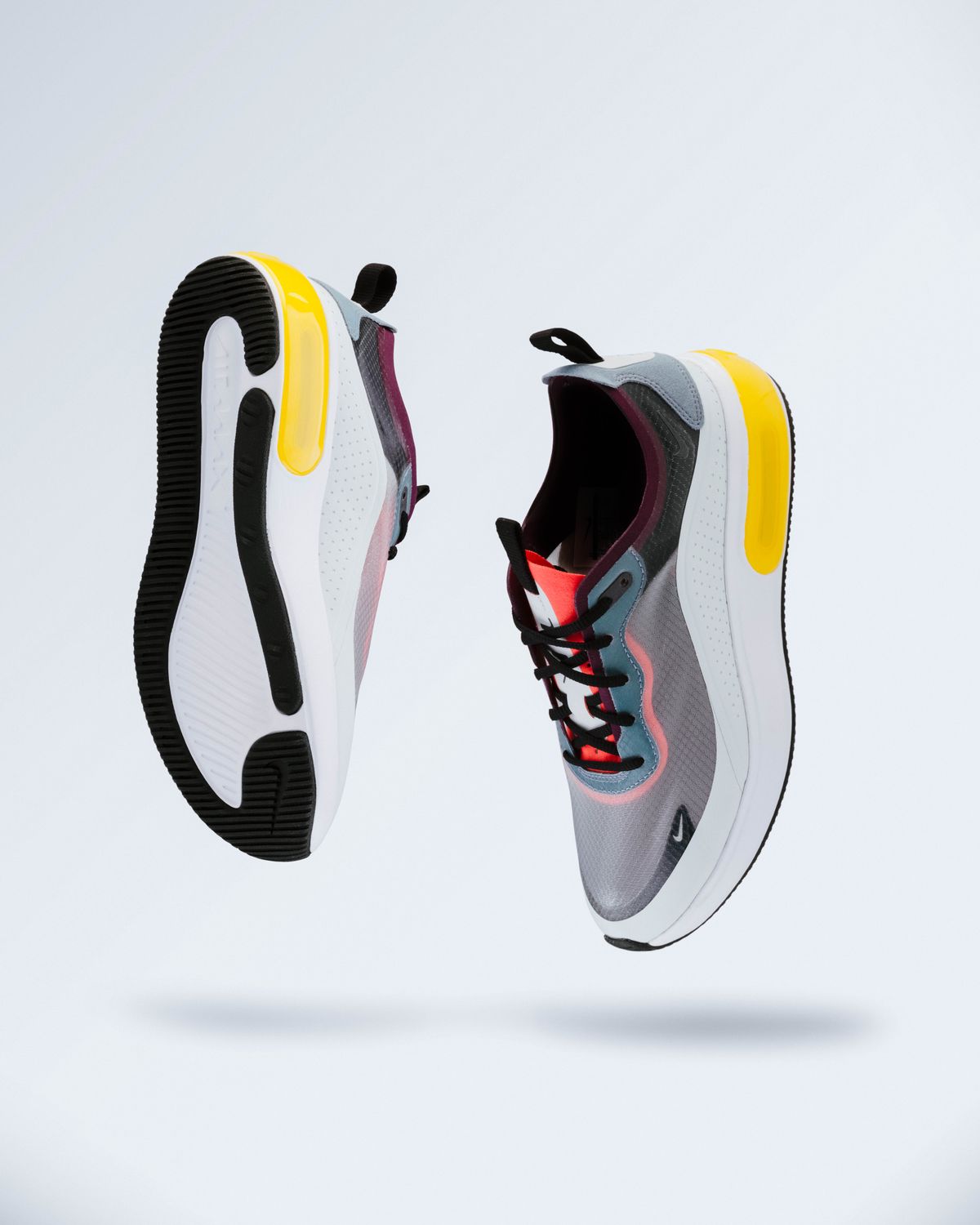
What pink actually costs you in upkeep
Nobody mentions this in the shop. A pale pink walking shoe needs about 15 minutes of maintenance a week if you want it to keep looking new, and a dark one needs almost none.
Here’s the honest breakdown from a year of wearing a dusty rose pair four days a week.
Wipes: three or four a week, 30 seconds each. That’s the minimum to stop dirt bonding to the surface.
Deep clean: once a fortnight, about 10 minutes with a soft brush and mild soap. More often in winter, when pavement grit is wet and sticks.
Conditioner: every six to eight weeks on leather, which is another 5 minutes. Skip it and the surface dries out and takes marks more easily.
Laces: replace them twice a year. Pink laces go grey faster than the upper and they’re the first thing people see.
Add it up and it’s around 20 minutes a week. That’s not nothing, and it’s the real reason some people shouldn’t buy pale pink. If you know you won’t do it, buy the deeper shade and save yourself the job.
The trade is straightforward. A darker rose or a berry pink hides more, needs less attention, and matches winter clothes better. A pale pink looks better in summer and photographs well. Pick based on how much maintenance you’ll actually do, not how the shoe looks under shop lights.
Cleaning pink without fading it
Pink is less forgiving than white, because you can’t use the aggressive products. Bleach turns pink yellow. Oxygen cleaners lift colour unevenly. A stiff brush on mesh abrades the surface and makes the fade patchy.
This is also where buying pink walking shoes for women gets slightly annoying: most care guides are written for white or black, and neither set of rules applies cleanly to a mid-tone colour.
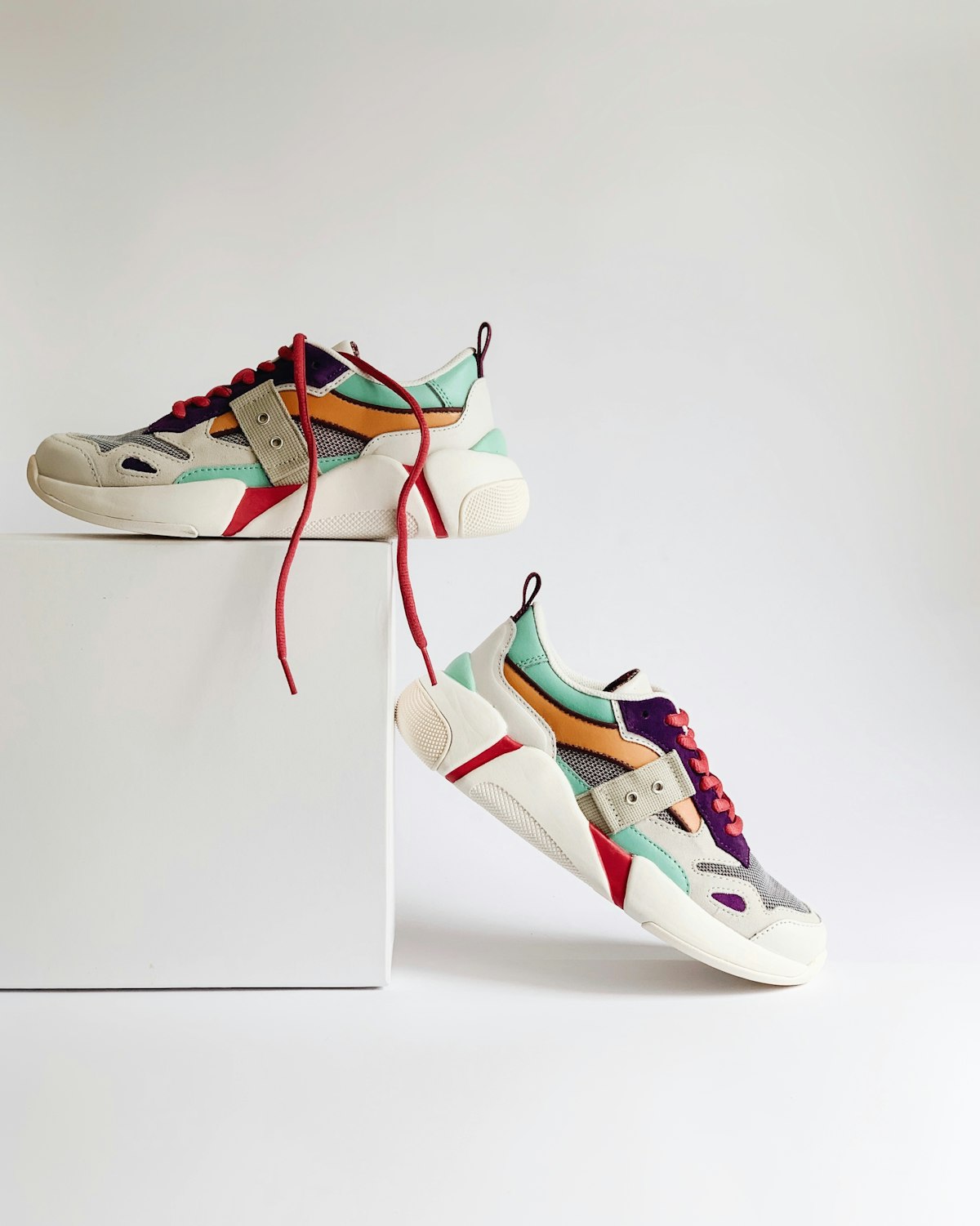
What works: a soft brush, cool water, and a drop of mild soap. Brush in one direction, rinse with a damp cloth, and blot dry with a towel. Do it the same day you notice the mark, because dried-in dirt needs more scrubbing and scrubbing is what removes colour.
Never put pink shoes in the washing machine. Heat and agitation break down the dye bond, and the spin cycle distorts the upper. If they’re canvas and genuinely filthy, hand wash in a basin with cool water and accept that you’ll lose some depth of colour.
Dry them in shade, stuffed with newspaper, away from radiators. Sun is the fastest way to fade a pink upper, and a radiator does the same thing with heat instead of light. Both take a bright pink to a dull one in a single afternoon.
For leather and coated uppers, a colourless conditioner every couple of months keeps the surface sealed, which slows UV damage. Don’t use a coloured polish unless it’s an exact match. A slightly wrong pink polish on a pink shoe is worse than a scuff.
One honest limitation: nothing restores faded pink. There’s no product that puts pigment back into knit or mesh. Once the colour has gone patchy, the shoe is what it is. That’s why the buying decision matters more than the cleaning routine.
If the shoes are already faded and you still like them, own it. A slightly washed-out pink reads as vintage rather than damaged, and nobody at the bus stop is comparing your shoes to a colour swatch.
Fit first, colour second
None of this matters if the shoe doesn’t fit, and pink walking shoes have two fit quirks worth knowing.
First, pale uppers show creasing more than dark ones. A shoe that’s slightly too long will crease across the toe box, and on pink that crease reads as a fold line within a week. Fit the length properly and this problem disappears.
Second, coated uppers have less give than knit. If you’re between sizes, take the larger one in a coated shoe and the smaller one in a knit. The coated shoe won’t stretch, and a tight pink toe box is uncomfortable in a way that’s hard to ignore.
The rest is standard. Try them at the end of the day, with the socks you’ll actually wear. Leave 10mm between your longest toe and the front. Check that your heel stays in the cup when you walk 20 paces. Stand on one foot to see whether the midsole rolls.
One more: pale pink shows sweat marks on the inside of the heel after a few weeks. It’s normal and it doesn’t come out. If that bothers you, wear socks that cover the heel, or choose a darker shade where the mark is less visible.
If your feet are narrow, note that pink colourways are often the same last as the black version, so the fit advice carries over. This guide to narrow walking shoes that grip the heel covers the tests in detail.
Where pink looks wrong, and what to wear instead
There are three situations where I’d leave pink on the shelf.
Formal offices. A pink walking shoe with tailored trousers reads casual in a way that black or navy doesn’t. If you walk to work and change shoes at your desk, that’s fine. If you wear them all day, they’ll undercut the outfit.
Wet climates with muddy pavements. Pink shows road spray immediately, and cleaning it every second day is what fades it. A darker rose or a burgundy handles the same weather and hides the marks.
Anything resembling a trail. Pale uppers and gravel don’t mix, and the scratches don’t buff out.
For the office case, a taupe or stone walking shoe does the same job as pink and survives a formal outfit. For wet weather, a deeper berry shade keeps the colour idea without the maintenance. Both are available in the low-profile sneaker range, which has more colour options than the walking section.
If you want a light pair for summer that isn’t white, a breathable flat-bottomed walking shoe works well in a pale colour because the flat sole keeps the shape simple. For something that holds a deeper shade better, a pair of soft leather sports shoes in a richer tone will keep its colour through a full season of wear.
And if you’re still deciding between light and dark, this piece on how white walking shoes hold up to daily wear is the honest version of the same argument. Pink sits between white and black on the maintenance scale, closer to white than most people expect.
The two-year test, in one sentence
Buy the muted pink, in a coated upper, in the right length, and you’ll still be wearing them when the trend has moved on. Buy the bright one in knit and you’ll get a summer out of them.
Neither choice is wrong. Just know which one you’re making before you get to the till, because the shop lighting makes every pink look like the good version.
