

Suede heels for women get bought in October and ruined by December, usually for the same two reasons: nobody tells you how the material behaves, and nobody tells you what to do when it rains. The shoes look soft and forgiving in the shop. Then a splash from a curb turns one toe a shade darker forever.
Most of that damage is preventable, and the rest is predictable. Here’s how suede actually works, which styles hold up, how to size a pair that won’t bag at the toe, and what to do the night a drink lands on your foot.
Suede is leather with the grain sanded off
Suede is made by sanding the flesh side of a hide, or by splitting a hide so the inner fibers become the surface. Those fibers are what you feel when you run a thumb across it: soft, slightly fuzzy, and very good at absorbing anything liquid.
That absorbency is the whole story. Suede has no sealed finish, so water, oil, and dye soak straight into the fiber mat instead of sitting on top. Leather can be wiped. Suede has to be cleaned out.
Velvet and suede look similar in photos and behave differently in rain. Velvet is a woven fabric with a pile. Suede is leather, so it stretches, molds to your foot with wear, and holds the shape of your arch after a month. That’s why a good suede heel feels better in week three than in week one, and why a cheap one collapses at the same point.
Quality shows in the thickness. Thin suede, under about 1.2mm, wrinkles into creases above the toe within a few wears and never recovers. Thicker suede, closer to 1.5mm, creases once and then holds. If you can pinch the vamp between finger and thumb and it feels like paper, keep looking. The production process behind suede explains why the surface is so open, and why it needs more care than a smooth finished leather.
There’s a side benefit to that openness. Suede grips a foot in a way patent can’t, so a slingback stays on through a whole evening instead of sliding down every ten minutes. It also warms up faster than leather in cold weather, which matters more than most people expect when they’re standing outside waiting for a taxi in November, wondering why they didn’t bring a coat. Suede sleeves over tights feel warm from the first minute, not the fifth.

Nap direction and the two-tone problem
Suede has a nap, which means the fibers lean in one direction. Brush them one way and the surface looks lighter and feels smooth. Brush the other way and it looks darker and feels rougher.
This creates the classic suede problem: one shoe looking a shade darker than the other, or a patch on the toe that won’t match the rest. It’s not fading and it’s not dirt. The fibers are simply lying at a different angle after being pressed by a foot, a bag, or a car door.
You can fix most of it with a suede brush and two minutes. Brush the whole shoe in one direction, heel to toe, with light pressure. Then brush the other shoe the same way. Nine times out of ten, the difference disappears because you’ve aligned both naps.
Check this before you buy, too. Hold both shoes at arm’s length in daylight and compare them side by side. If the color difference is visible before you’ve worn them, the panels were cut in different directions during manufacture. That’s a shortcut worth noticing, and it usually shows up alongside other shortcuts like glued rather than stitched soles.
Store them brushed, not squashed. Suede that sits under another pair for three months takes a pressed nap pattern that no brush fully lifts, and it tends to settle right across the vamp where everyone looks first.
Humidity does the same thing more slowly. If you live somewhere damp, keep a silica packet in the box and don’t store suede in a basement closet. The fibers hold moisture, and a pair that goes into storage slightly damp will come out with a stiff, patchy surface that feels like cardboard under your thumb. Air them for two days before they go back in the box, and don’t stack anything on top.
Weather: the honest verdict on rain and salt
Here’s the part most guides skip. Suede is not a rain shoe, and no spray makes it one.
A protector spray slows absorption. It buys you time to blot a spill before it sinks in. What it doesn’t do is make suede waterproof, and it won’t survive a walk through a puddle or a splash from a passing bus. If you need a shoe for a wet commute, this isn’t it. Buy leather or a coated textile and stop fighting the material.
Light rain is survivable. Damp pavement that leaves your toe slightly speckled will usually dry clean if you blot immediately and let the shoe air dry away from heat. Never put suede on a radiator or in front of a heater. Heat shrinks the leather and sets the water mark permanently, which is a far worse outcome than the original splash.
Salt is the real enemy in cold cities. Road salt dries into a white crust that works into the fiber and pulls it apart, and once that happens the panel looks permanently dusty even after brushing. If you wear suede between December and February, wipe the shoes with a barely damp cloth the same night and let them dry at room temperature.
Snow is mostly fine, oddly. Dry cold doesn’t damage suede the way slush does. The slush, with its mix of salt and grit, does the damage, so the walk from the car to the door is the part that matters.
Keep a cloth in the car if you wear suede often. Thirty seconds of blotting when you get in beats an hour of cleaning three days later, and it costs nothing at all. The people whose suede looks new after two winters are almost always the ones who do this small thing without thinking about it.
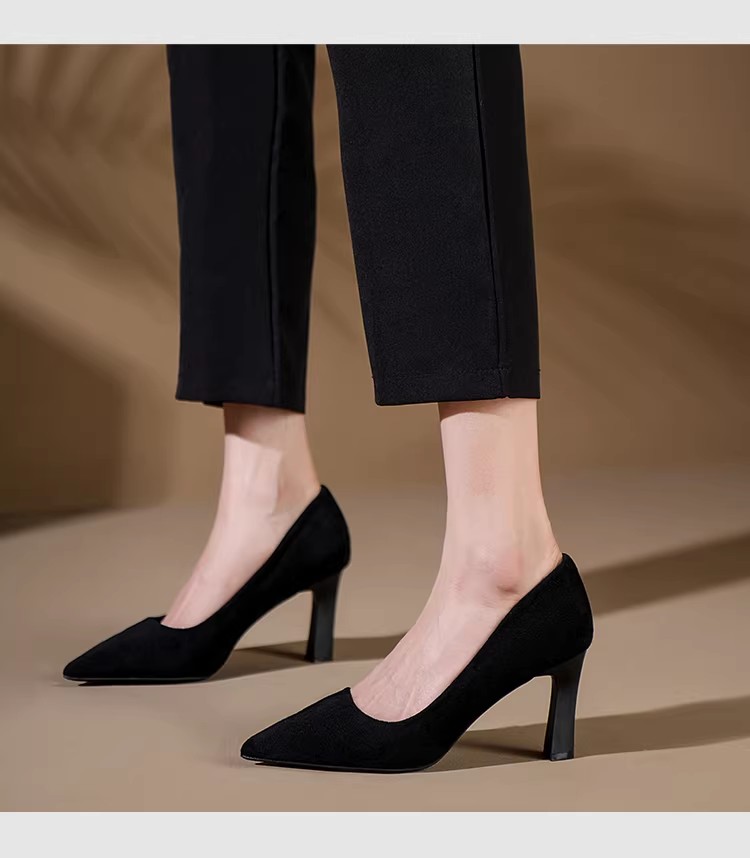
Protector sprays: what they do and what they don’t
Sprays work, within limits. Two light coats applied before the first wear will noticeably slow absorption on a spill. One heavy coat applied in a hurry does almost nothing except leave blotches.
Apply outdoors or near a window, hold the can 20cm away, and use short passes rather than one long spray. Let the first coat dry for at least an hour before the second. If the surface looks wet rather than slightly damp, you sprayed too close.
Reapply every few weeks if you wear the pair often. Spray wears off where the shoe flexes and where your heel rubs, which happen to be the two places damage starts. Test any new product on the inside of the heel first, and give it a full day before you judge the color.
What sprays don’t do: stop oil, stop dye transfer from dark jeans, and stop a spill from marking if you leave it sitting for an hour. They also don’t help much on the sole edge, which is where water first climbs up.
If you’re buying leather goods and want to know what a tannery’s environmental claims actually cover, the certification work published by OEKO-TEX on leather testing is a reasonable place to start. It won’t tell you which shoe to buy, but it explains what a “tested” label really means.
One practical note on cans. Aerosol protectors give a finer, more even mist than pump sprays, and the difference shows on dark suede where pump sprays leave visible droplets. If you only own one can, make it a pump for light colors and an aerosol for anything dark. Both need reapplication more often than the label suggests, especially on a shoe you wear twice a week. Write the date on the can so you know when to do it again.
Heel and toe shape that survives suede
Suede shows structure. A clean shape reads expensive, and a fussy one looks messy once the nap starts moving. That’s the opposite of patent, which hides a lot.
Pointed toes work well in suede because the material’s softness balances the sharp line. Rounded toes need a cleaner vamp or the shoe starts looking like a slipper by February. Square toes are the riskiest, since the corners crease first and suede creases visibly.
Heel height is a practical decision here. Suede has more grip than leather against a tights-covered foot, so a 70mm suede pump stays on where a 70mm leather one slips. That extra friction means you can go a little higher than you would in another material, and 80mm is realistic for a seated evening.
Thin stiletto stems in suede look fragile and often are. A slightly thicker stem holds up better outdoors and balances the visual weight of a soft upper. For something with a retro line, the suede retro heel with a rounded toe shows how the shape and material work together, and the French retro heel in a softer finish is the dressier version of the same idea.
Avoid heavily decorated suede for daily wear. Rhinestones, buckles, and contrast stitching all create edges where the nap catches dirt, and cleaning around them takes three times as long as cleaning a plain panel.
Sole thickness deserves a mention too, since suede uppers often come on thin soles. A 5mm sole transmits every stone through to your foot, and it wears through at the toe within a season. Look for something closer to 10mm with a rubber top piece, especially if you’ll walk on pavement at all. It’s the cheapest upgrade you can make to a suede shoe, and most shoppers never check it. Turn the shoe over in the shop and look at the top piece before anything else.
Sizing and break-in: suede gives, but unevenly
Suede stretches more than patent and less than soft calf, and it stretches unevenly. The vamp gives across the instep. The heel counter barely moves. Plan around that.
Buy your normal size if the shoe feels snug but not tight across the toes. Buy a half size up if your toes touch the front, because suede gains length slowly and never enough to fix a short fit. Don’t buy a size down hoping it will mold, since the heel counter won’t.
Width is where most people get it wrong. Suede softens over the first ten wears and accommodates a slightly wide forefoot, so a pair that feels a touch firm across the ball of the foot in the shop will usually be comfortable in two weeks. A pair that pinches at the little toe won’t improve.
Break them in indoors. Two sessions of 30 minutes on carpet, with thin socks, will stretch the vamp where it needs to. Then wear them for a short outing before committing to a long evening. Suede tells you where it will rub within an hour, and it tells you honestly.
One warning about stretching sprays. They work, and they also over-soften the heel counter, which is the one part you want to stay firm. If a shoe needs a spray to fit, it’s the wrong size.
Lining material changes the stretch too. Unlined suede gives the most and also bags the fastest, so an unlined pair works well for a shoe you’ll wear a season and poorly for one you plan to keep five years. A thin leather lining adds structure without making the shoe feel rigid, and it keeps the shape at the heel where it matters most. Try the shoe on with the tights you’ll actually wear, since a slippery pair changes everything.
Cleaning a pair you actually wore outside
Most suede cleaning fails because people attack the stain wet. Dry first, always.
- Let mud dry completely, then brush it off with a suede brush.
- Use a suede eraser on scuffs with light back-and-forth strokes.
- Blot spills immediately with a dry cloth, pressing rather than wiping.
- For water marks, damp the whole panel evenly and let it dry away from heat.
- Never scrub a wet stain. You’ll push it deeper into the fiber mat.
A suede brush with brass bristles on one side and rubber on the other covers most jobs. Brass lifts dried mud and restores nap. Rubber lifts grit and shines up the surface without scratching. Use brass sparingly on thin suede, since it can scratch if you press hard.
Oil is the one stain that usually wins. A grease mark spreads outward and darkens the panel, and home remedies mostly make it worse. Take it to a professional leather cleaner within a few days, and accept that a small mark may remain. If the shoes are dark brown or navy, the mark will be less visible than you fear right now.
Store cleaned pairs with paper inside rather than plastic wrap. Suede needs air, and a sealed bag traps moisture against the surface. A cotton dust bag does the job and lets the leather breathe between wears, which is the difference between a pair that lasts and one that smells faintly of damp by spring.
Brush after cleaning, not before. Cleaning lifts dirt to the surface, and brushing afterwards removes it properly instead of pushing it back down into the fiber. Two minutes in the right order saves you from repeating the job next week, and it keeps the nap even across the whole panel. Let them sit for an hour before you put them away, too.
Outfits, and the one colour rule worth following
Suede reads softer than leather, so it pairs best with texture that isn’t competing. Denim, wool, corduroy, and knits all work. Shiny satin and glossy leather fight it.
The colour rule: match the depth, not the exact shade. A camel suede heel works with cream, rust, and olive. A chocolate suede heel works with grey, navy, and black. Trying to match a shade exactly is how people end up with two browns that look wrong together.
Metallics behave differently in suede, and that’s mostly in your favour. A soft bronze or pewter suede picks up less glare than a foil finish, so it works at a daytime event where a shiny metallic heel looks out of place. It also hides scuffs better than any flat colour, which is worth knowing if you walk a lot on city pavement. Bronze in particular reads warm under indoor light without looking like a party shoe, and it sits well with grey and cream. It also survives a scuff better than any suede you’ll find at the same price, which is a strange thing to get attached to but there it is.
For autumn, a mid-brown suede bootie or heel with dark denim is close to foolproof, and the guide to brown heeled boots covers the shade decisions in more detail. If you wear a lot of black, a gold or metallic heel is the easier route than a second pair of black shoes. And for the wider range, the block heel collection is where most of the wearable suede sits.
One habit that makes suede last: keep a brush by the door and give each shoe ten strokes when you take them off. It takes twenty seconds, and it’s the difference between a pair that looks good in year two and one that looks tired by March.
