

Thursday, 7:40 in the morning. Your brown suede pair sits by the door, and you have ninety seconds to decide whether it comes with you to a 9 a.m. meeting and a dinner that starts at seven. You put one on, look down, and the hem of your trousers lands a centimetre above the ankle strap. Something looks off, though you can’t say what.
That gap is the whole problem. Brown suede behaves differently depending on the height of the heel and the length of what you’re wearing over it. Swap the pair and the same jeans read smart or sloppy, the same midi skirt reads prim or slouchy. Suede brown shoes for women are not one purchase. They’re four, and each one does a different job.
Four silhouettes cover almost every case: a 45mm block heel, a 70mm slingback, a flat loafer, and a 90mm court you keep for evenings. Below is how each one behaves at the ankle, which pairing fails, and what to check before you spend money. The short answer: match the heel to the hem first, then worry about the shade of brown.
Four pairs, and what each one is actually for
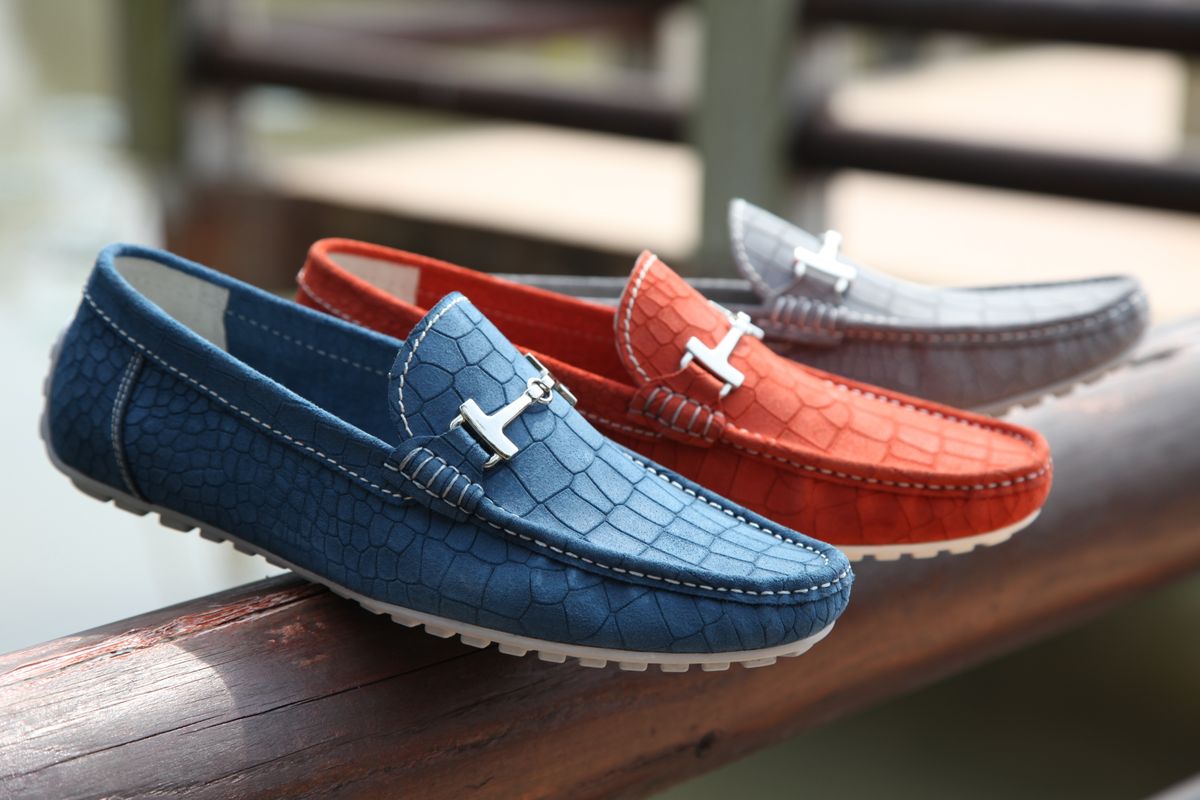
Start with a shortlist rather than a shopping spree. The four shapes below survive more than one season because they sit at heel heights where the ankle can still flex. Anything between 80mm and 100mm starts to force your foot forward into the toe box, which is why those pairs live in the evening drawer.
- 45mm block heel, almond toe: the trouser pair. Stable enough for a train platform, dressy enough for a client lunch.
- 70mm slingback, pointed toe: the skirt pair. Reads sharp with a midi hem, unforgiving with a cropped wide leg.
- Flat suede loafer: the nine-hour pair. Best with cropped or tapered trousers, worst with anything that pools.
- 90mm court, closed toe: the dinner pair. Two hours standing, not eight.
If you buy only two, take the 45mm and the loafer. They cover the days when you can’t afford to think about your feet. The slingback earns its place once you own a skirt you actually wear, and the court is a want, not a need.
Heel height is the first filter because it changes your posture before it changes the outfit. At 45mm your weight still sits over the middle of the foot. At 70mm it shifts forward by roughly a centimetre and a half, which is where toe pinch begins. At 90mm, most people are standing on the ball of the foot with the heel doing very little work. That’s fine for a wedding. It’s miserable for a Tuesday.
Toe shape is the second filter, and it’s usually ignored. Almond is the safe choice for trousers because it doesn’t add length you don’t need. Pointed works with skirts and cropped hems, and it looks aggressive next to a rounded, chunky trouser. Square toes come back every eight years and look dated for six of them. If the pair has to survive three winters of wear, pick almond and stop worrying.
One more filter: brown is not one colour. Tan, cognac, chocolate, and a greyish taupe sit at different levels of formality, and suede makes each of them look softer than the same shade in smooth leather. A dark chocolate suede loafer passes in a conservative office. A pale sand slingback does not.
What changes at the ankle, and why the hem decides everything
The ankle is where a pair of shoes stops being an object and starts being part of an outfit. Three things happen in that 8cm of space: the strap crosses it, the hem lands near it, and the skin between the two either shows or doesn’t. Get those three aligned and the outfit looks intentional. Miss by two centimetres and it looks like you dressed in the dark.
Suede is helpful here because it absorbs light. A brown suede shoe next to a wool trouser creates a soft edge instead of the hard line you get from patent or polished calf. That softness is why the material reads casual even in a dressy shape, and why a suede pump at 90mm still looks less formal than the same pump in black leather.
Practical rule set, tested against a tape measure rather than a mirror:
- Trouser hem should break once, or sit 5mm above the shoe, never pool on the vamp.
- Midi skirt hem wants to end 10cm to 15cm above the ankle strap, not on it.
- Bare ankle plus suede plus a dark hem is the safest combination for autumn.
- If you wear tights, match the tight to your skin tone, not to the shoe. Brown suede against opaque black tights splits the leg in half.
That last point is the one most people miss. A dark shoe with dark tights works when the tights are sheer. With 80-denier black, a mid-brown suede shoe looks like it belongs to someone else’s outfit, and the fix isn’t a different shoe. It’s a lighter tight or a longer hem.
Strap width matters more than most shoppers expect. A 6mm strap looks refined on a narrow foot and cuts on a wider one, because the load per square centimetre goes up. If the strap leaves a red line after ten minutes, it won’t stop leaving one. Wider straps, 10mm and up, are the ones that get worn on the days you’re on your feet.
Instep height decides whether the shoe closes cleanly over your foot. High instep plus a low-cut vamp means the lace area gapes, and suede doesn’t hide a gap the way smooth leather does. Try the pair on at four in the afternoon, not nine in the morning, because feet swell by roughly half a size over a working day.
45mm block heel with a straight-leg jean
This is the pairing that gets worn until the nap goes flat at the toe. A 45mm block heel lifts the hem of a straight-leg jean just enough to keep it off the floor, which is the entire reason the combination works. The block also spreads load across the heel rather than concentrating it on a 6mm point, so a day with 8,000 steps on it is survivable.
What to look for: a heel that’s at least 25mm wide at the base, a leather or suede-covered footbed rather than a glued fabric one, and a toe box you can press down on with your thumb. If the toe doesn’t give at all when new, it won’t give after a month either. Suede softens, but the stiffener under it doesn’t.
The jean matters as much as the shoe. Slim straight, cropped at the ankle bone, no stacking. A wide-leg jean over a 45mm heel hides the heel entirely and makes the shoe pointless. A skinny jean creates a cone shape that dates the whole outfit, and yes, that’s a bias, but you can see it in photographs.
One honest downside: brown suede picks up indigo. Wear the same raw-denim jean twenty times and the inside hem will leave a blue-grey halo on the shoe’s collar. It doesn’t come out with a brush. Rotate two pairs, or accept the mark as character. I’d rotate.
Comfort notes for this pair are boring in the best way. Expect three wears before the collar stops pressing on your Achilles. Wear them for an hour indoors first, with a thin sock, and note where the pressure sits. If it’s on the bone, the pair is wrong. If it’s on the tendon, it’ll settle.
For the office version of the same outfit, a slightly heavier block heel does the same work with more support under the arch. The thick-heel pair built for long dinners and longer standing hours is the shape to compare against if your week includes a lot of concrete floors.
70mm slingback with a midi skirt
Seventy millimetres is the height where a slingback starts to look deliberate. Below that it reads practical, above it reads evening. At 70mm the arch is lifted but the ball of the foot still takes weight, which is the difference between a shoe you can wear from 8 a.m. to 6 p.m. and one you carry in a tote by lunchtime.
The slingback’s weak point is the back strap, not the heel. A strap that sits too low slips off within twenty steps. A strap that sits too high cuts into the tendon. The correct position is just under the ankle bone, snug enough that you can slide one finger under it and no more. If you can fit two fingers, size down or choose a different last.
With a midi skirt, the visual job is to keep the leg line unbroken. A pointed toe does that. An almond toe shortens the leg slightly, which is fine with a shorter hem and less fine with a calf-length skirt. Brown suede pointed slingbacks with a hem that stops mid-calf is the combination that photographs best, mostly because the point continues the line the skirt started.
Where it fails: cropped wide-leg trousers. The combination of a pooling hem, a wide leg, and a delicate back strap makes the whole outfit look like it’s sliding downward. It isn’t a comfort problem. It’s a proportion problem, and no amount of styling fixes it.
Also worth knowing before you buy: suede slingbacks show creasing across the vamp faster than leather ones because the material has no finish to hide it. After about 30 wears you’ll see a soft fold where your toes bend. That’s normal, and it’s the reason to buy a darker brown rather than a pale sand if you plan to wear them weekly.
If your calendar has more dinner than desk in it, the satin option does the same job with a different finish. A black satin pair that reads formal under low light handles the evening version of the same silhouette without the rain risk.
The flat loafer and the wide-trouser trap
Flat suede loafers are the pair people buy for comfort and then abandon because the trousers ruin them. A loafer needs visible ankle or a clean hem line. Put it under a wide-leg trouser that pools and you get a shapeless column from hip to floor, plus a hem that drags on wet pavement.
What works: cropped wide-leg wool trousers that stop at the ankle bone, tapered trousers with a single break, straight jeans rolled once, and midi skirts with a slit. What doesn’t: anything full-length, anything flared, anything with a hem that touches the ground.
The loafer’s real advantage is the nine-hour day. No heel means no load shift, which means the ball of your foot isn’t screaming by four o’clock. That’s not a small thing if you commute standing up. The trade-off is arch support, which most flat loafers have very little of. If you have high arches, add a thin insole and go half a size up to make room.
There’s a contrarian point here worth saying plainly: the most expensive loafer is not automatically the most comfortable one. A stitched leather sole with a thin cork layer can be harder underfoot than a modestly priced pair with a rubber outsole and a padded sock. Price buys you materials and construction. It doesn’t buy you cushioning unless the brand chose to put cushioning in.
Walking mechanics matter too. A flat shoe with zero heel-to-toe drop asks your calf to stretch further with every step, which is why some people feel tightness in the Achilles after a long day in loafers but not in a 20mm heel. A small heel, 15mm to 20mm, is often easier on the leg than a true flat. It also keeps the trouser hem off the ground, which is a bonus you’ll notice on wet days.
For sizing, suede loafers run about half a size large in most European lasts because the material stretches across the instep. Try your usual size and your usual size minus a half. If the heel slips at all when new, it will slip worse in three weeks.
Where brown suede goes wrong
Four failure modes account for most ruined pairs. None of them are about quality. They’re about conditions.
- Rain. Suede is leather sanded on the flesh side, and that open surface absorbs water fast. One soaking won’t destroy a pair, but the water line that dries into the nap will.
- Salt. Winter pavement leaves a white tide mark around the sole. It brushes out if you catch it the same day. Left a week, it stains.
- Dye transfer. Dark denim, cheap black tights, and new leather bags all bleed onto pale suede.
- Crushed nap. Storing pairs pressed together flattens the surface. A shoe tree and 24 hours of space fixes most of it.
The honest recommendation: don’t buy pale brown suede if you live somewhere with 120 rainy days a year and no car. Dark chocolate and cognac hide water marks far better, and they don’t need re-proofing every fortnight.
Storage is the fourth factor and the easiest to control. A pair kept in a hallway cupboard with no airflow will grow a musty smell within a season, and that smell doesn’t wash out of suede. Keep them on a shelf, not in a sealed box, and give them a day between wears. If your flat is damp in winter, a cedar shoe tree is worth more than another pair of shoes.
On care, the sequence that works is protect, brush, rest. Spray a fluoropolymer protector when the pair is new, before the first wear, and again every four to six wears. Brush with a suede brush in one direction once the mud is dry, never while it’s wet. Rest the pair for a full day between wears so moisture can leave the lining.
Skip the home remedies. Vinegar, baking soda, and toothpaste all get recommended online, and all of them leave a residue that darkens the nap unevenly. A suede eraser and a horsehair brush cost less than one ruined pair and do the job properly. If you want the technical background on how suede is split and finished from the underside of the hide, the process explains why water marks set so fast. The broader tanning and finishing steps that turn a hide into shoe leather make the difference between suede and a smooth calf easier to see.
Break-in, lining, and the two things to check in the shop
Most suede discomfort comes from the lining and the stiffener, not the upper. Check two things before you pay.
First, the heel counter. Press the back of the shoe between thumb and finger. It should flex slightly at the top and hold firm at the base. A counter that’s rock hard all the way up will cut into your tendon for a fortnight. One that’s soft all the way down will collapse and let your heel slide.
Second, the lining material. Leather lining moulds to your foot over about ten wears. Synthetic lining doesn’t mould at all, and it holds heat. If the product page doesn’t say, feel inside the shoe. Leather feels cool and slightly tacky. Synthetic feels slick and warms up instantly.
Break-in schedule that works for most people:
- Twenty minutes indoors on carpet, thin socks, no walking.
- One hour the next day, including a short walk outside.
- Half a day in week one, with a blister plaster already on the heel.
- Full day from week two, rotating with another pair every other day.
If a pair still hurts after ten wears, it isn’t going to soften. That’s the point where people keep going and end up with a pair they resent. Return it, resell it, or accept that it’s a two-hour shoe.
Socks change the fit more than people admit. A thin cotton sock adds about 2mm of volume, which is enough to turn a snug pair into a painful one by noon. Try the shoes with the sock you’ll actually wear, and if you plan to go barefoot in summer, try them that way too before you commit.
One more detail worth the thirty seconds: check the sole edge where the upper meets it. A stitched or cemented join that shows a visible gap will let water in at the toe within a season. Suede absorbs from the bottom edge as readily as from the top.
Pick by your week, not by the shelf
Count what you actually wear before you choose. Most people overbuy heel height and underbuy flat coverage, then spend the winter in the same two pairs.
- Four office days, one dinner: 45mm block plus flat loafer. Add a dark court later if the dinner turns into a monthly thing.
- Client-facing, lots of standing: loafer first, block heel second. Skip the slingback until your week has skirts in it.
- Skirts four days out of five: 70mm slingback is the workhorse. Buy it in cognac, not sand.
- Weddings and evenings only: one 90mm court, closed toe, dark brown. It will outlast three fashion cycles.
Then check the colour against your wardrobe’s bottom half. If most of your trousers are navy, grey, and black, a mid-brown cognac is the most useful shade because it separates from all three. If you wear a lot of cream and oat, go darker so the shoe has weight.
The heels collection sorted by height and material is a faster way to compare shapes than scrolling a single long list.
And if you want the longer-term view on how a leather pair ages before you commit to suede, a 40-wear look at what happens to a toe crease covers the wear pattern you can expect in month three.
Buy the pair that matches the hem you wear most. Then wear it on a wet Tuesday before you decide whether the colour was a good idea. Brown suede rewards people who plan around the weather and punishes everyone else by the second winter.
One last check before you leave the house: stand in front of a full-length mirror with your usual bag on your shoulder. If the shoe and the hem agree at the ankle, you’re done. If they don’t, change the trousers, not the shoes.
