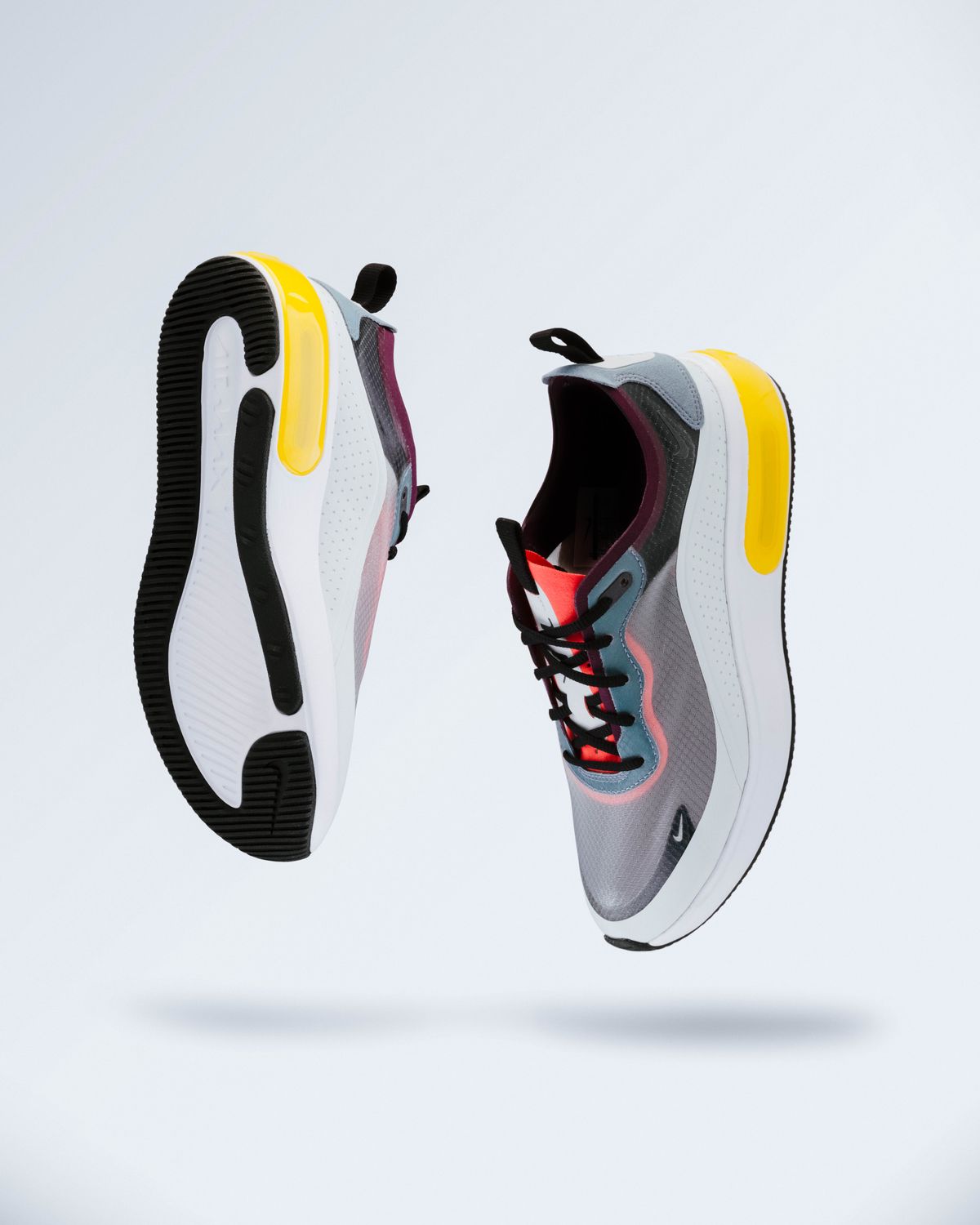
You put on the tennis shoes you’ve had for two years, walk to the station, do a full day in the office, walk home, and by 7pm your heel feels bruised. Nothing is wrong with the shoes. They were built for a sport you don’t play, and 10,000 steps is not that sport.
Before you buy anything, get the diagnosis straight. A court shoe and a walking shoe look similar in photos and are constructed around different loads. Courts are built for side-to-side stopping. Walking is built for forward repetition, thousands of times, on hard flat ground.
Here’s the short version, then the detail. Tennis shoes for walking work fine up to about 6,000 steps a day on forgiving surfaces. Past that, three things give out in a predictable order: the heel collar, the midsole foam under the forefoot, and the outsole pattern. You can slow all three. You can’t stop them.
Court shoes are built to stop, walking shoes are built to keep going
Think about what happens in tennis. Short bursts, hard cuts, a lot of lateral load, and then standing still between points. The outsole is designed for grip on a smooth acrylic court, which is why it has a herringbone or pivot pattern. The upper is reinforced at the sides for lateral push. The cushioning is tuned for impact rather than for sustained compression.
Walking is the opposite problem. There’s no lateral load worth mentioning. What you have instead is repetition: roughly 1,500 to 2,000 steps per kilometre for an average stride, so 10,000 steps is somewhere between 5 and 7 km. Each step compresses the midsole under your body weight plus a bit. None of it is dramatic. All of it adds up.
The structural difference that matters most is the heel-to-toe drop and the rocker. Walking shoes usually sit at 8 to 12mm of drop with a slightly rolled toe, which lets your foot roll through instead of slapping down. Court shoes are flatter, often 6 to 8mm, and much stiffer through the forefoot. Stiff is good for a hard stop. On a pavement, it means your toes fight the shoe 10,000 times a day.
That’s the mechanism behind the soreness people describe as “these shoes stopped being comfortable”. Nothing broke. The shoe is doing what it was designed to do, in the wrong context. For background on how the modern sneaker construction split into these categories, the history is more useful than most buying guides.
Weight tells you something too. A leather court shoe typically runs 300 to 380g per shoe. A mesh walking shoe in the same size is often 240 to 290g. Over 10,000 steps, with each foot lifting roughly 5,000 times, that 80g difference is a real amount of work, and you feel it in the last hour rather than the first.
What 10,000 steps actually load
Numbers help you decide how much shoe you need. During walking, the vertical force through your foot peaks at roughly 1.1 to 1.3 times body weight per step at a normal pace. Going downhill or walking briskly pushes that higher. For a 65kg woman, that’s around 75kg of load per step, 10,000 times, on the same 20 square centimetres of foam under the ball of the foot.
Foam doesn’t recover perfectly. EVA loses a small percentage of its height with every compression cycle, and the loss is permanent. After a few hundred kilometres, the forefoot of a midsole is measurably thinner and harder than it was new. This is normal and it happens to every shoe, but court shoes start with a thinner, firmer forefoot because they don’t need plush cushioning for a two-hour match.
Surface matters as much as distance. Concrete pavement is unforgiving. Asphalt is slightly better. A gravel path or a treadmill deck is a different sport entirely, and a court shoe copes fine with both. So the honest question isn’t “how many steps” but “how many steps on concrete”.
For general guidance on how much walking is worth doing at all, the Mayo Clinic’s walking guidance is a reasonable baseline. It’s also a reminder that the goal is the walking, not the shoe. The shoe is just the thing that decides whether you keep going.
One more load people forget: heat. A shoe worn for 10,000 steps on a warm day reaches 30 to 35 degrees inside. Foam softens, glue softens, and the heel counter gets more pliable. A pair that felt snug at 8am feels loose by 4pm. That’s why afternoon fitting matters.
Count the steps in your actual week before you buy. Most people overestimate their walking and underestimate their standing. Ten minutes with a phone’s step counter over seven days gives you a real number, and a real number decides the shoe.
Where tennis shoes fail first, in order
Watch for three failures, and they arrive in this sequence.
First, the heel collar. Court shoes have a low, padded collar designed to let your ankle move. Walking long distances in a low collar, especially with thin socks, produces friction at the same spot on the Achilles every step. Most people feel this as a hot patch around the 6km mark. It’s the single most common reason a tennis shoe becomes a “short trip only” shoe.
Second, forefoot compression. The foam under the ball of your foot flattens. You notice it as a hard feeling under the toes, or as the sensation that you can feel the pavement through the shoe. This usually shows up between 400 and 700 km of walking, which for an active person is four to seven months.
Third, outsole wear pattern. Court tread wears fast on asphalt, and it wears unevenly, because walking doesn’t load the shoe the way tennis does. You’ll see the herringbone pattern rubbed smooth on the outer heel first, then under the big toe. Once the rubber is gone, the foam underneath abrades quickly and the shoe starts to feel slippery in the wet.
What doesn’t fail: the upper. Leather or synthetic court uppers are built to survive sliding, so they’ll outlast the sole by a wide margin. That’s why a pair can look perfectly good and still be finished as a walking shoe.
There’s a fourth, quieter failure worth checking: the seams inside. Court shoes often have a stitched seam running across the forefoot lining, positioned where a sliding foot doesn’t press. Walking loads that exact spot continuously. A seam you can feel with your fingers when you reach into the toe box will be a hot spot at 5km, even though you’d never notice it on the court.
Also check the insole glue. Cheap court shoes glue the insole down, and a glued insole bunches forward under the toes after a few months of walking. You feel it as a lump under the ball of your foot, and it looks like the shoe has collapsed when it hasn’t.
Four checks before a long day in tennis shoes
If you’re going to use the pair you already own for a big walking day, do these first. It takes ten minutes and it saves an afternoon.
One: press your thumb into the forefoot midsole. Compare it to the heel. If the forefoot is noticeably firmer and thinner, you’re past the useful life for long days and should keep the pair for short errands.
Two: check the heel counter by pinching the back of the shoe. It should hold its shape against moderate pressure. If it folds, your heel will slide and you’ll get a blister on the outside of the heel by mid-afternoon.
Three: look at the outsole under a light. If you can see the midsole foam through the tread anywhere, the rubber has worn through and the pair will be dangerous on a wet pavement.
Four: put the shoe on and walk 20 steps on a hard floor with the laces undone. If the shoe stays on, the fit is good. If it slips off, the collar has stretched and no lacing pattern will fix it.
Ten minutes, done before you leave the house.
Then adjust the lacing. Court shoes are usually laced tight and evenly, which is right for lateral stability and wrong for a long walk, because a tight midfoot compresses the top of your foot as it swells. Skip the top eyelet, or use a heel-lock lacing pattern that pulls the collar in without squeezing the instep. That single change buys a lot of people two extra hours.
Before the big day, do a 3km test walk in the exact socks you’ll wear. Not a lap of the flat. A real route, at your normal pace, ending somewhere you can sit down. Whatever rubs at 3km will be unbearable at 9km, and finding that out on a Tuesday costs you nothing.
When a tennis shoe genuinely beats a walking shoe
Plenty of situations where the court shoe is the better choice, and it’s worth saying so because the internet is currently very committed to maximalist walking shoes.
Gym-to-street days. If you’re doing 40 minutes of court sports or a class and then walking home, a tennis shoe is correct. It handles the sport and the 2km afterwards without complaint.
Short, flat, predictable routes. Under about 6,000 steps on pavements you know, the differences are small enough that comfort and looks can decide. A tennis shoe with a decent insole is fine, and it’s certainly better than a walking shoe you leave at home because it looks like a medical device.
Wet weather. Court outsoles are genuinely grippy on wet smooth surfaces, and many walking shoes with exposed foam midsoles are not. If your route involves polished stone paving or a station concourse, the court shoe wins on safety.
Travel where you need one pair. A leather tennis shoe reads as smart enough for dinner and works for a day of museums. That’s a real advantage and it’s why so many people pack one. There’s a useful breakdown of that trade-off in this account of four days and 50,000 steps in one pair of walking shoes, including what went wrong on day three.
Classes and racket sports. If you play padel twice a week and walk 4km a day, the court shoe is the honest answer. Buying a walking shoe for the walking and a court shoe for the sport means two pairs and twice the storage. The maths only works in favour of one pair if your sport is infrequent or your daily walk is short.
Commuting in rain. Grip on wet station floors matters more than midsole metrics for a 20-minute walk each way. Look for a court shoe with deep herringbone rather than a smooth pivot pattern, and keep a dedicated pair for long days out.
When it doesn’t work, and no insole will save you
Three situations where you should stop trying to make a court shoe do a walking shoe’s job.
Standing shifts. If you’re on your feet for eight hours on a hard floor, largely stationary, the load is different from walking: sustained compression with no rest phase. Court shoes have no rocker to help you shift weight, so you end up standing on the same few square centimetres all day. You’ll feel it in the arch by hour five. A pair with a wider platform and a softer forefoot is the answer, and the walking shoe section is where to start rather than the court range.
Plantar pain that shows up first thing in the morning. That pattern, sore on the first steps out of bed and easing after ten minutes, is a load-management signal. A flat, stiff court shoe with a thin forefoot makes it worse. You want more drop and more cushioning under the arch, and you want to reduce distance for a fortnight while you change shoes. If it persists, see a clinician rather than buying a fourth pair.
Wide feet. Tennis shoes are built on a narrower last than walking shoes, because lateral containment matters more than toe room in court sport. If your little toe is pressed against the side wall, 10,000 steps will produce a corn within a month. Knit uppers forgive this a little. Leather does not.
Check width at the end of the day, not the start, and check it standing up.
Bunions get their own mention because the overlap is bad. A court shoe’s stiff side wall presses exactly where a bunion is most sensitive. No insole helps with that. You need a wider toe box and a softer upper, and there’s no way to talk yourself out of it.
Honest drawback of the alternative: proper walking shoes are usually uglier, and the good ones cost more. There’s no way around that. You’re paying for a rocker, more foam, and a last that suits a foot at the end of a long day.
Sizing, socks and the afternoon rule
Feet swell through the day, by roughly 3 to 5% in volume for most people, and more in heat. So fit shoes in the afternoon or evening, not at 9am. This single habit prevents more blisters than any product.
Allow 8 to 10mm at the toe. That’s about a thumb’s width between your longest toe and the end of the insole when you’re standing. Any less and your toes will hit the front on every downhill step, which is how black toenails happen on walking holidays. If one foot is bigger, which is normal, fit the bigger one and use a thicker sock on the smaller side.
Socks change the fit by half a size. A thin cotton sock and a cushioned wool sock are not the same shoe. Decide which you’ll actually wear and fit for that. For long days, a wool blend with a flat toe seam beats cotton, which holds moisture against the skin.
And check the insole before you assume the shoe is wrong. Most court shoes ship with a flat, thin insole that offers nothing. Swapping in a 4mm cushioned insole with a slight arch support transforms a pair for about the price of two coffees. This is the cheapest fix available and it’s the one people skip.
On laces, two specifics. Cotton laces stretch when they get damp, which means your lockdown loosens on rainy days; flat polyester laces hold tension better. And if the tongue slides sideways, thread the laces through the tongue loop, the little fabric band most people ignore. That band exists for exactly this problem.
For a purpose-built option without going full orthopaedic, a pair like these breathable mesh casual walking shoes sits in the middle: light enough to feel like a sneaker, with a forefoot that doesn’t pack out in a month.
The 300-mile check
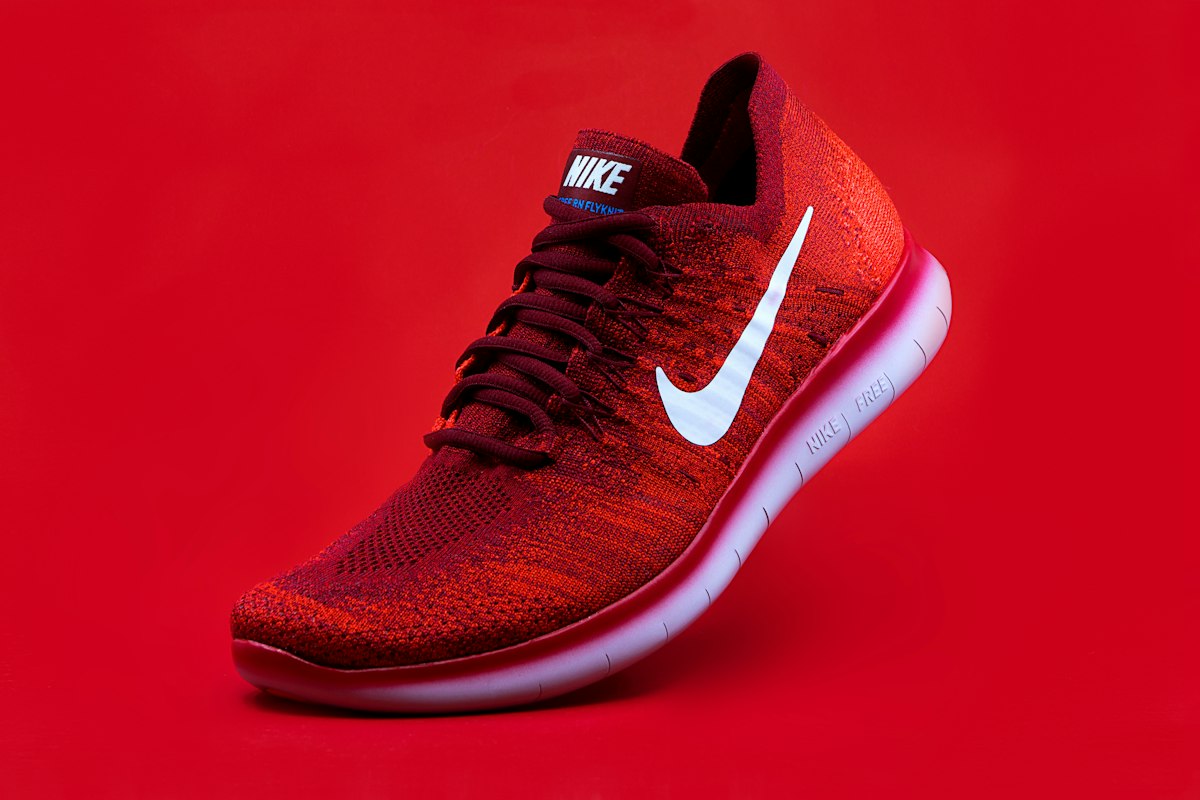
Around 300 miles, or roughly 500km, a walking shoe is halfway through its life and a court shoe used for walking is close to done. Do this check once, note the date, and repeat it in another 300 miles.
Put both shoes on a table, side by side, and look from behind. If one leans noticeably inward or outward, the midsole has collapsed asymmetrically and the pair will start loading your ankle unevenly. Replace rather than persist.
Then press the forefoot foam again and compare to the heel. Then look at the tread depth at the outer heel. Then check whether the insole has compressed to the point where you can feel the shoe’s lasting board through it.
None of these are dramatic failures. That’s the point. Walking shoes rarely break. They wear out quietly, and the symptom you notice is not “my shoe is dead” but “walking got less fun”. Most people buy a new pair somewhere around the point where the first sign appeared, which is fine, as long as you replace the shoe and not the habit.
Two pairs is the strategy that actually works for high-mileage people. Rotate them, let each midsole recover for 24 hours between wears, and both pairs last longer than one pair worn daily. Not a trick, just foam physics.
One last practical note before you decide. If you’re planning something with a lot of pavement in it, a city break or a long museum day, read the notes on 12 miles of cobblestone in walking shoes first. Cobblestone is where every compromise in a court shoe shows up at once.
And if you want a pair that splits the difference, this lightweight shock-absorbing women’s running shoe has the forefoot volume a court shoe lacks, without the bulk of a dedicated walking shoe.