

You’re holding a pair of gum sole sneakers with a worn heel and a scuff across the toe, and you’re doing the arithmetic in your head: 55 dollars to resole, or 160 for a new pair. The cobbler is quoting while you decide, and you’re not sure whether a repair is sensible or just sentimental.
Here’s the short answer. A resole is worth it when the upper is sound and the midsole hasn’t gone crumbly. It’s a waste of money when the shoe is glued together at the sidewall, because the new sole will outlive the seam holding it on.
Everything below is about telling those two cases apart before you spend anything, including the 15-dollar fixes you can do yourself in an evening.
What a cobbler can actually do to a sneaker
Sneakers aren’t dress shoes, and the trade has mixed feelings about them. A Goodyear-welted shoe is built to be taken apart. Most sneakers are cemented, meaning the sole is glued to the upper, and the glue joint is only as strong as the surface it bonded to. The standard repair methods in shoe repair were designed around welted construction, which is why the same job behaves differently on a sneaker.
What’s realistic on a sneaker:
- A half sole, replacing just the worn front section
- A full resole when the upper is stitched to the sole rather than glued
- Heel drag repaired with a new heel tap or a wedge insert
- Stitching re-run where a seam has opened
- Stretching across the width, if the upper is leather
What’s not realistic: rebuilding a collapsed midsole, fixing a crack that runs through the foam, or re-attaching a sole whose bonding surface has gone chalky. Those jobs cost more than the shoe and often fail within a season.
The 20-second test is to look at the sidewall where the upper meets the sole. If there’s a visible line of stitching running around the shoe, a resole is possible. If it’s smooth and the sole looks fused to the upper, you’re in glue territory, and a repair is a patch rather than a restoration. Ask the cobbler which one you have before discussing price, because the quote changes by a factor of three.
One more thing worth knowing: gum soles are a specific material, not just a colour. The amber rubber is unvulcanised or lightly treated natural rubber, which is why it grips well on dry floors and why it marks some vinyl surfaces. It also wears faster at the heel than a carbon rubber sole. That wear pattern is what sends most pairs to a repair shop in the first place.
If you’re buying new gum sole sneakers rather than repairing old ones, ask one question at the counter: is the sole stitched or cemented? Most staff won’t know, but the answer is visible in the product photos if you zoom in on the sidewall. Ten seconds of inspection when you buy decides whether a repair is possible three years later.
The 15-dollar fixes worth doing first
Before you spend 55 dollars on a resole, work through the cheap fixes. About a third of the pairs people bring in for repair don’t need a repair at all. They need an insole and a heel grip.
If the sole is fine and the shoe feels flat, the original insole has compressed, usually under the heel and the ball of the foot. A 12 to 15 dollar replacement insole with a bit of structure restores most of the cushioning, and it’s removable if you get the fit wrong. Take the old one out and use it as a template for length if you’re ordering online.
If the shoe slips at the heel, which is common once the lining has polished smooth, a heel grip costs about 8 dollars and takes two minutes to fit. A felt tongue pad at the same price fixes the opposite problem, where the instep feels loose and the laces have to be pulled too tight.
The third cheap fix is the one people forget: laces. Old laces stretch, the eyelets take the strain, and the shoe starts to feel bigger than it is. New laces won’t fix a worn sole, but they change how a pair feels on the foot more than most people expect.
Total cost of all three: under 30 dollars. If that gets you another year out of a pair of gum sole sneakers, the resole can wait, and you’ve bought yourself time to decide whether the shape still suits you.
Fit the heel grip properly and it lasts. Clean the lining with a little rubbing alcohol, let it dry fully, then press the grip in and leave the shoe alone for 24 hours. Grips that peel within a week were stuck onto a polished or damp surface, and the adhesive never had a chance.
Trimming matters too. A full-length insole shoved into a shoe that already fits will push your heel back and make the toe tight. Cut it to the length of the original, then check by standing: if your toes touch the end, take another 3 millimeters off the front. Most people cut once and never adjust, then blame the insole for the fit.
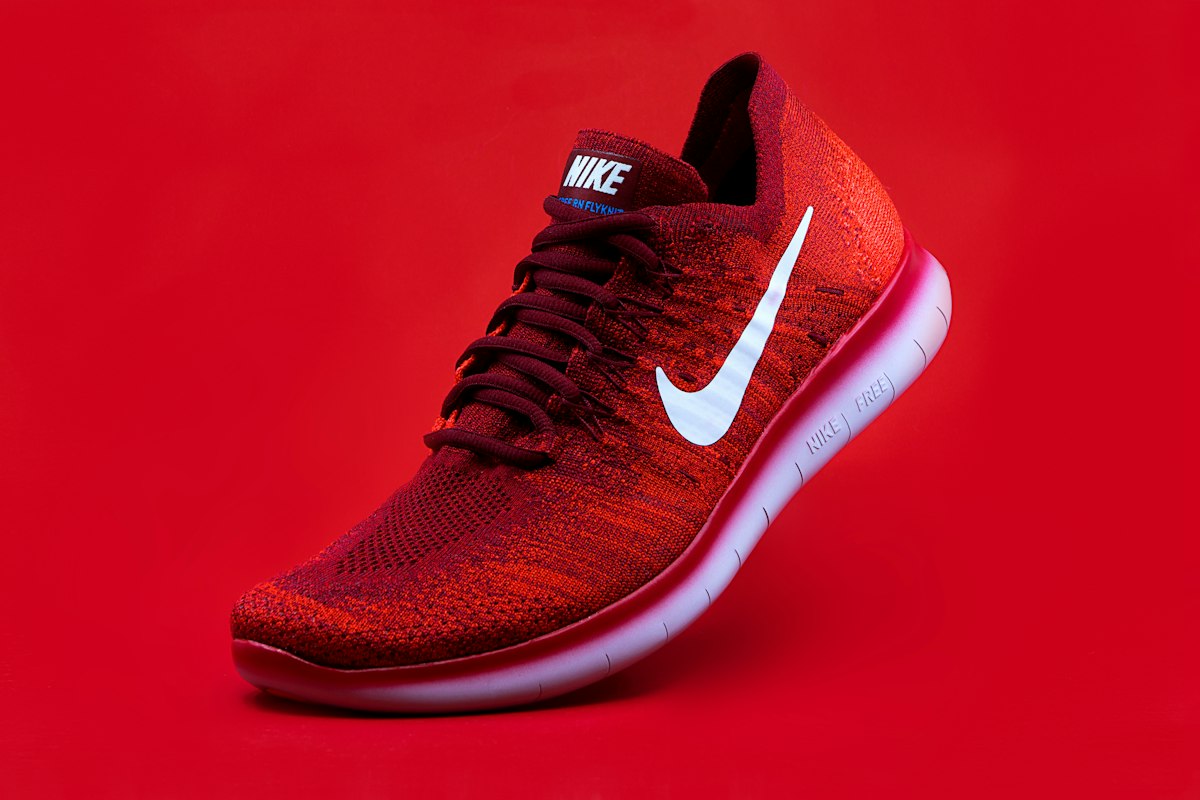
Resole math: 50 dollars against a new pair
This is the calculation that decides most repair jobs, and it’s less obvious than it looks because the two numbers aren’t comparable unless you spread them over wear.
Say a resole costs 55 dollars and buys you two more years at three wears a week, which is roughly 300 wears. That’s 18 cents a wear. A new pair at 160 dollars over the same 300 wears is 53 cents. The repair wins comfortably, and it keeps a shoe that already fits your foot.
Now change one variable. If the upper is thin at the flex point, the repair buys you one year instead of two, and the cost per wear doubles to 35 cents. Still cheaper than new, but the gap has narrowed enough that a sale on a replacement pair might beat it.
And if the resole fails after four months because the glue didn’t hold on a cemented shoe, you’ve paid 55 dollars for 50 wears, which is a dollar a wear and the worst outcome available. That’s why the construction check comes before the price conversation.
The break-even rule I’d use: repair when the job costs less than a third of a new pair and the upper has at least two seasons left. Below 30 percent of replacement cost, it’s almost always the right call. Above half, put the money toward the next pair instead.
There’s a non-financial argument too. A pair you’ve already broken in fits in a way a new pair won’t for a month. If you have a foot shape that’s hard to fit, or a wide forefoot, holding onto a pair that works has value that doesn’t show up in the arithmetic. That’s not sentiment, it’s just the cost of finding another shoe that fits.
Get two quotes before you commit. Repair pricing varies by 30 percent within the same city, and the second shop will often tell you something the first didn’t, usually whether the job is worth doing at all. Walk in with the shoe rather than a photo; a cobbler can feel a midsole with a thumb in two seconds and tell you more than any description.
What gum soles do differently
The amber sole is the reason these shoes get bought, and it’s also the reason they age visibly. Gum rubber is softer than the carbon rubber used on most black soles, so it grips better on smooth floors and wears faster on pavement.
Grip is genuinely better in dry conditions. Walk into a tiled station concourse in gum soles and you’ll notice the difference, especially if the floor is polished. Wet grip is where it gets less impressive: natural rubber compounds vary a lot, and a smooth gum sole on a wet painted line is not a reliable surface.
Yellowing is the cosmetic issue. Gum soles darken and turn amber-brown with UV exposure and oxygen, and there’s no cleaning product that reverses it. Some people like the patina. If you don’t, the only real fix is a resole with a new gum slab, which is a strange thing to spend 55 dollars on for colour alone.
Then there’s marking. Unvulcanised gum rubber leaves black scuffs on light vinyl and on gym floors, which is why some studios ask for non-marking soles. If you’re wearing them to a dance class or an indoor court, check the label. A gum sole sneaker that leaves marks is a real annoyance and it’s not something a cobbler can change.
The wear pattern is worth understanding because it decides whether a repair is straightforward. Gum soles usually go first at the outer heel, then under the ball of the foot. A half sole covers the front. A heel tap covers the back. If both areas are gone and the middle is thin, you’re looking at a full resole, which is the expensive version.
Cold weather changes the equation a little. Gum rubber stiffens below about 5 degrees Celsius, so grip drops on icy pavement and the sole feels harder underfoot for the first ten minutes outside. If your gum sole sneakers are winter shoes, a textured outsole pattern matters more than the colour. A smooth gum slab is a summer sole, and treating it as one keeps you upright.
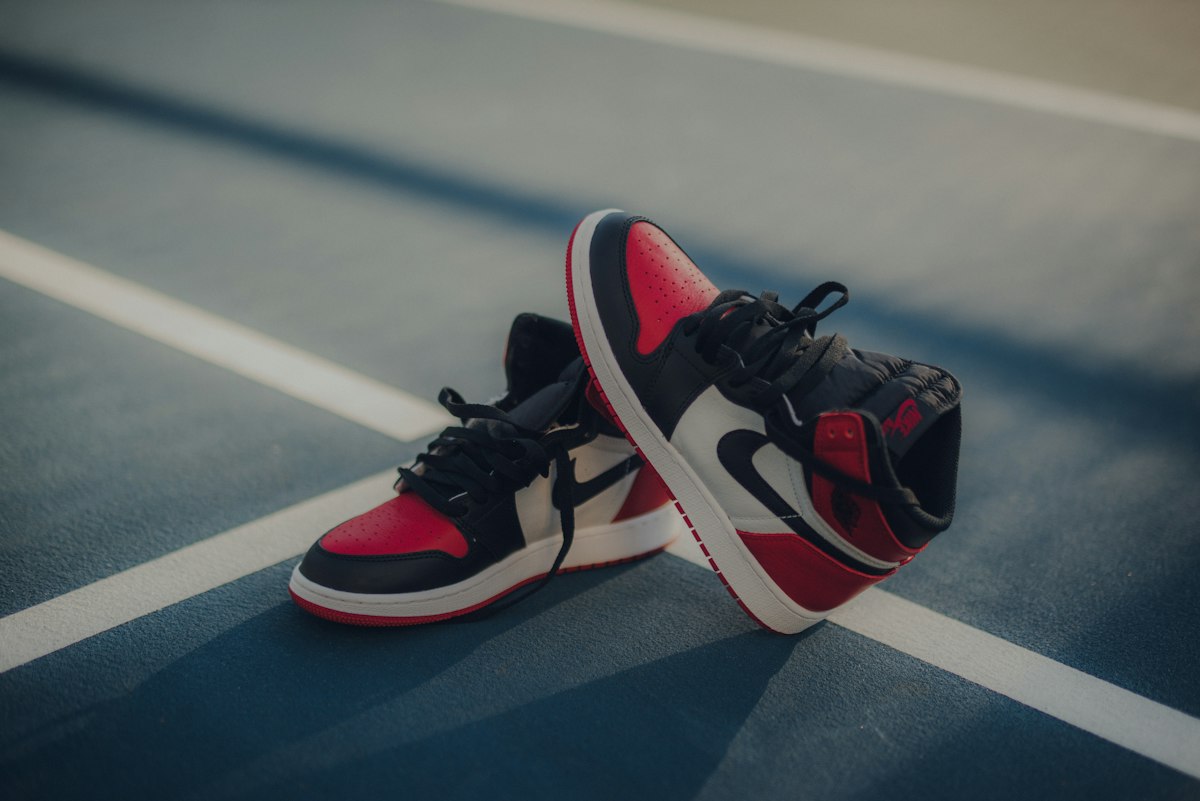
When a repair won’t save them
Some pairs should go in the bin, and knowing which saves you from a cobbler who’ll take the job anyway. A good repairer will tell you no. A bad one will take your money.
The clearest signal is a cracked midsole. That’s the foam layer between the upper and the outsole, and once it cracks, the shoe has lost its structure. You can glue the crack shut, but it reopens within weeks because the foam keeps compressing. On a gum sole sneaker with a visible white foam layer, run a thumbnail along the side: if it crumbles, stop.
Second signal: the upper has gone thin at the flex crease. Hold the shoe up to a window. If light comes through the crease line, the material is compromised and any repair is cosmetic.
Third: the lining at the heel has worn through to the structure. You can patch it, but the patch will rub, and the rubbing is what caused the hole in the first place.
Fourth, and this one is easy to miss: a smell that survives cleaning. Foam holds odor in a way leather doesn’t, and once the midsole foam has absorbed it, no spray reaches it. If two rounds of baking soda and air haven’t fixed it, the shoe is done.
None of these are about appearance. A scuffed pair with a sound structure is a good repair candidate. A clean-looking pair with a cracked midsole isn’t. Judge the structure, not the surface, and you’ll avoid most wasted repair money.
If the pair is past repair but the upper is still good, there’s a middle option worth considering: donate them rather than bin them. Someone with a shorter commute will get a season out of a shoe that’s finished for you, and gum sole sneakers are sturdy enough that a worn heel doesn’t make them useless. Cleaning them first is the difference between a donation and a bin bag.
Finding someone who will touch sneakers
Not every cobbler takes sneakers, and the ones who do are worth keeping. The tells are simple: ask whether they stock gum sheeting, and whether they’ll do a half sole on a cemented shoe. A shop that answers both without hesitating knows what it’s doing.
Prices vary more than people expect. In a mid-size city, a half sole runs 35 to 60 dollars, a full resole 55 to 90, a heel tap 20 to 30, and stretching 15 to 25. Quotes at the top of that range usually include matching the sole colour, which matters on a gum sole because a mismatched amber is very obvious.
Turnaround is typically three to seven days. If a shop promises same-day on a resole, ask what adhesive they’re using, because contact cement needs time to cure properly and rushed jobs fail at the toe.
Two questions worth asking before you hand anything over:
- Will the new sole be stitched as well as glued?
- What happens if the bond fails in the first month?
A shop with a warranty on its work is telling you it expects the repair to hold. A shop that shrugs is telling you the opposite.
If nobody local will take the job, the honest alternative is to put the money toward a replacement rather than shipping shoes across the country. Repair only makes environmental sense when it’s local, and the circular economy work on extending product life makes the same point in more detail: keeping a pair in use beats recycling it, but only when the repair is sensible.
For a sense of how long a good pair lasts with proper rotation, the comparison of three foot shapes in all-leather sneakers tracks the same wear points on a stitched construction. If you’re weighing a repair against a replacement, the two-hour sit test for black flat sneakers is the faster way to find out whether a new pair would even work for your feet.
When the answer is “replace”, and the occasion needs something other than a sneaker, the money is better spent on a shape you’ll keep. A pair of woven white leather heels or retro suede heels covers the dressier end of the wardrobe without competing with your everyday pair, and both are repairs a cobbler will happily take on later.
Start with the 15-dollar fixes, then get a construction check before you agree to a resole. If the sidewall is stitched and the midsole is sound, 55 dollars buys you two more years on a pair that already fits. If it’s glued and crumbling, spend the money on the next pair and skip the sentimental repair. Browse the sneaker range before you commit either way, and check the sole construction in the product photos while you’re there.
The one habit that prevents all of this: rotate three pairs instead of wearing one to death. Gum soles last noticeably longer when they get 48 hours to dry out between wears, and that’s cheaper than any repair on this page.
