

The invitation says garden party, 2pm, and the venue is a farm with a barn for dinner. You’ve got a dress that works. What you don’t have is a pair of shoes that will survive a field, a gravel car park, and four hours of standing about holding a glass.
So you’re thinking about black sneakers. I’ve worn them to two weddings and regretted it once, which is a better record than the heels I used to bring.
Here’s the working rule I’d give you: black-sole sneakers are fine at a daytime wedding where the dress code is relaxed, and they’re wrong at anything after 6pm that says black tie. Everything in between depends on three things, and none of them is the shoe itself.
Read the invitation before you read your shoe rack
Wedding dress codes are a language, and most people only half speak it. Dress codes exist mainly to stop guests from guessing, and the venue tells you more than the words do.
It helps to remember what a wedding actually is before you overthink the outfit. The ceremony itself has been a public event for most of recorded history, which is why the clothes carry so much weight and why getting them slightly wrong feels bigger than it is.
Garden party with a 2pm start means grass, daylight, and photographs outside. Sneakers are defensible there, especially in a field where heels sink. Cocktail means a bar, a hard floor and a 7pm ceremony, and a sneaker starts to look like a decision you made in a hurry.
Black tie means no. Not because anyone will say anything, but because you’ll be in a room where every other woman is in a heel, and you’ll spend the evening aware of your own feet in a way that ruins the night. I’ve done this. It’s not worth being right about.
One detail that helps: look at the couple. If they’re the sort of people who put a dog in the save-the-date, they’ll be delighted by your sneakers. If the invitation came with a calligraphed menu, wear something else.
There’s a shortcut I use now. Search the venue on Instagram and look at photos from other weddings there. You’ll see the floor, the car park, the light, and what everyone else wore. Five minutes of that beats any amount of guessing, and it tells you whether the ceremony is on grass or on a terrace.
If the invitation is genuinely unclear, ask someone in the wedding party. Not the bride. A sister, a bridesmaid, anyone who’s been to the venue and can tell you whether the walk from the car is 40 metres of gravel. People are happy to answer that question. Nobody is happy to be asked whether their wedding is formal enough for your shoes. Ask about the car park, not the dress code.
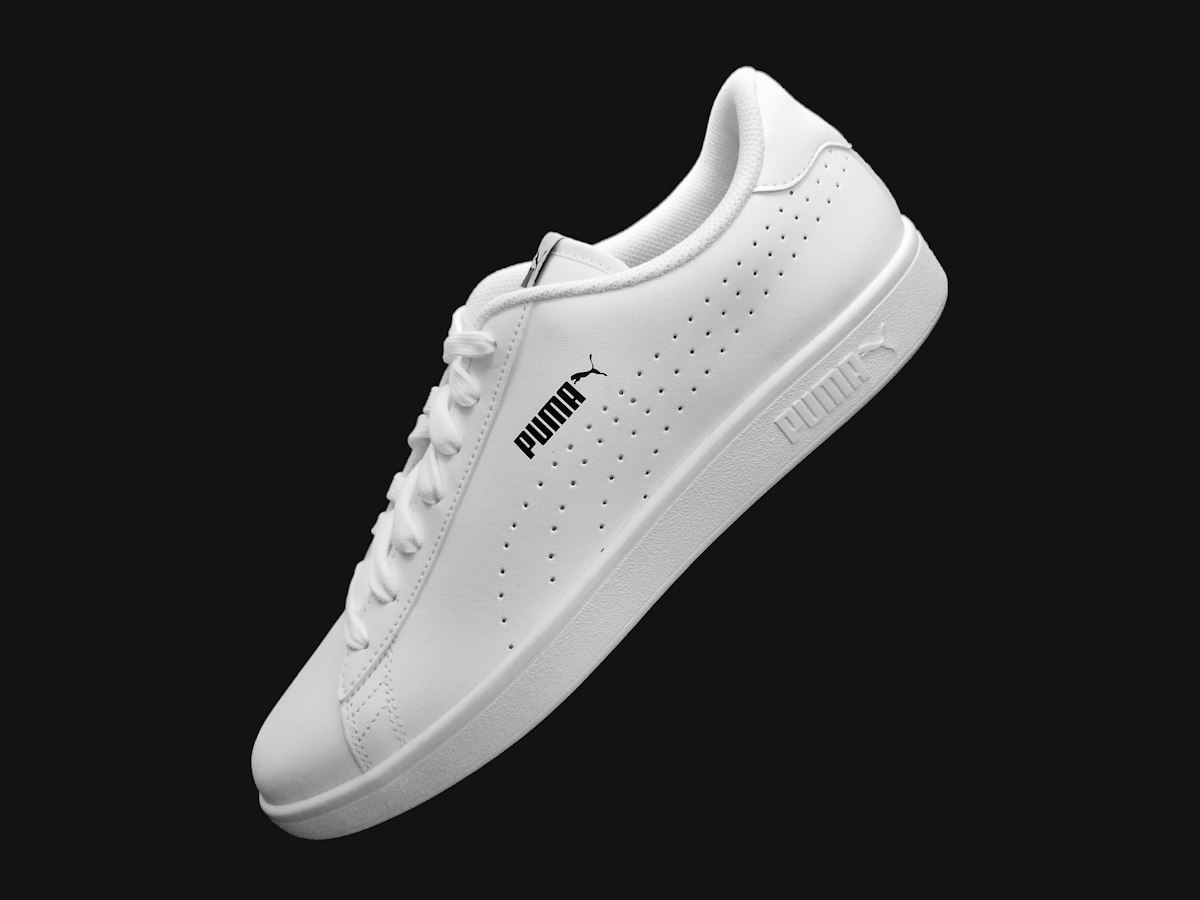
The grass problem, and why the sole matters more than the upper
Every wedding-in-a-field story is really a story about the ground. Grass after rain is soft, and a narrow heel goes straight through it. Gravel is worse, because even a block heel rolls on it and you end up walking like you’re on a boat.
A flat sneaker solves the sinking problem completely. What it doesn’t solve is grip. Wet grass is genuinely slippery, and a smooth fashion sole with no tread is more dangerous than a stiletto on a hard floor. Look at the bottom of the shoe before you pack it. You want tread depth you can feel with a fingernail, and grooves that run across the shoe rather than lengthways.
Black soles beat white ones here for a boring reason: mud. A field wedding in September will have at least one soft patch, and a white sole takes on a grey-brown tide line that never fully comes out. Black rubber wipes clean with a damp cloth, and any faint marks that stay are the same colour as the sole.
The other reason is photographs. A white sole under a dark dress creates a bright line at the bottom of every shot, and photographers notice. A black sole disappears into the shadow at your feet.
If the venue is half field and half barn, you’re walking on two surfaces with one shoe. That’s the case for a slightly thicker sole, somewhere around 25mm, because the barn floor is usually stone or compacted concrete and a thin flat sole transmits every uneven edge straight into your heel.
One timing thing people forget: grass gets wet again around 5pm even on a dry day, from dew. If the ceremony is at 2pm and dinner is at 6pm, the field is a different surface by the time you walk back across it. That’s when the mud line appears on the side of the sole, and it’s why I clean the shoe before the photos rather than after.
What the photographs actually look like
This is the part I got wrong the first time. I wore black sneakers to a garden wedding, felt great all day, and then saw the group photos. In four of them, my feet looked like two dark blocks at the bottom of a floral dress, and the effect wasn’t edgy. It looked like I’d forgotten something.
What fixed it the second time was the dress length, not the shoe. A midi that stops just below the knee puts the sneaker in the shot as a deliberate choice. A floor-length dress with a sneaker peeking out at the front reads as an accident, because the eye expects a shoe that matches the formality of the fabric.
Ankle exposure matters too. Bare ankle between a midi hem and a low sneaker looks intentional. A sock looks like you’re going to work, and a no-show looks like you tried and stopped halfway.
Practical test before you commit: take a full-length photo in the outfit, with your phone on the floor leaning against a wall, at midday. That’s roughly the angle every wedding photographer will use. If the shoe looks like a mistake in that photo, it’ll look like a mistake all day.
Evening light is the other half of it. Once the sun drops, photographers switch to flash, and black absorbs it. In a flash photo at 8pm, a black sneaker turns into a dark shape with no detail, which can look heavier than it is. A leather upper with a bit of shine catches the light and keeps the shape readable. Matte fabric doesn’t.
One more thing I noticed in my own photos: how you stand when you’re talking to people. In heels you shift your weight and your legs look longer. In flats you stand square and planted, and that reads as relaxed rather than elegant. If you’re worried about the photos, stand with one foot slightly forward. It’s a two-second adjustment and it changes the whole silhouette.
Where they fail, and I’d rather say it now
Four situations where black sneakers are the wrong shoe at a wedding, in order of how badly they go.
- The church. Stone floors, a long aisle, and a lot of standing. Nobody cares about your shoes. But a rubber sole squeaks on polished stone, and in a silent church every step is amplified.
- The formal evening. If dinner is at 8pm with a seated menu, the dress code has moved on and your feet haven’t. This is where a pair of foldable flats in a bag is worth the bother.
- The receiving line. You’ll stand still for twenty minutes, and a flat sneaker with no arch support makes standing still harder than walking. Counterintuitive, but true.
- The one photo with the bride. White dress, black sneakers, and a photographer who’ll shoot from a low angle. Wear them if you like the contrast. Just know it’s a contrast.
None of those are dealbreakers. They’re the reasons I now bring a second pair in the car and change after the ceremony, which is the least dramatic solution and the one I’d recommend.
Dancing deserves its own line. A rubber sole on a varnished wooden floor is fine. A rubber sole on a marquee floor covered in spilled prosecco is not, and by 10pm that’s the surface you’re standing on. If the band is the main event for you, choose the shoe with visible tread, not the smoothest one on the shelf.
The last failure mode is temperature. Farm venues with a barn for dinner are usually cold after dark, and a thin sneaker with a cotton sock does nothing for your feet. It won’t ruin the evening, but you’ll be the guest with a coat on indoors, which is a small indignity you can avoid with a thicker sock and a shoe that has room for it.
The outfit that makes it look like a choice
A sneaker at a wedding only works if the rest of the outfit agrees with it. Otherwise you look like a woman who couldn’t find her heels.
Pick a dress with structure. A linen midi with a defined waist reads deliberate. A slinky satin slip reads like it’s missing something at the bottom, and that something is a heel.
Add one dressy element. Earrings, a small bag, a hair clip. One is enough. The point is to signal that you made decisions, and the shoe was one of them.
Skip the sports socks. This sounds obvious. It isn’t, based on what I’ve seen at summer weddings. If your ankles get cold, a thin ankle sock in the same colour as the shoe is the compromise, and nobody will look twice.
Keep the shoe clean. This is the single biggest difference between sneakers that look intentional and sneakers that look lazy. Clean the sole edge the night before, and take a cloth in the car. A scuffed toe reads as careless in a way that a scuffed heel on a leather shoe somehow doesn’t.
Colour is the other lever. Black sneakers with a floral dress work because black is the neutral that most prints already contain. With a pale blue or a soft green dress, they can look disconnected, and a tan or cream shoe would sit better. Try the outfit on with the shoe and look at it in daylight before you decide it’s fine. Fluorescent bedroom light lies about colour.
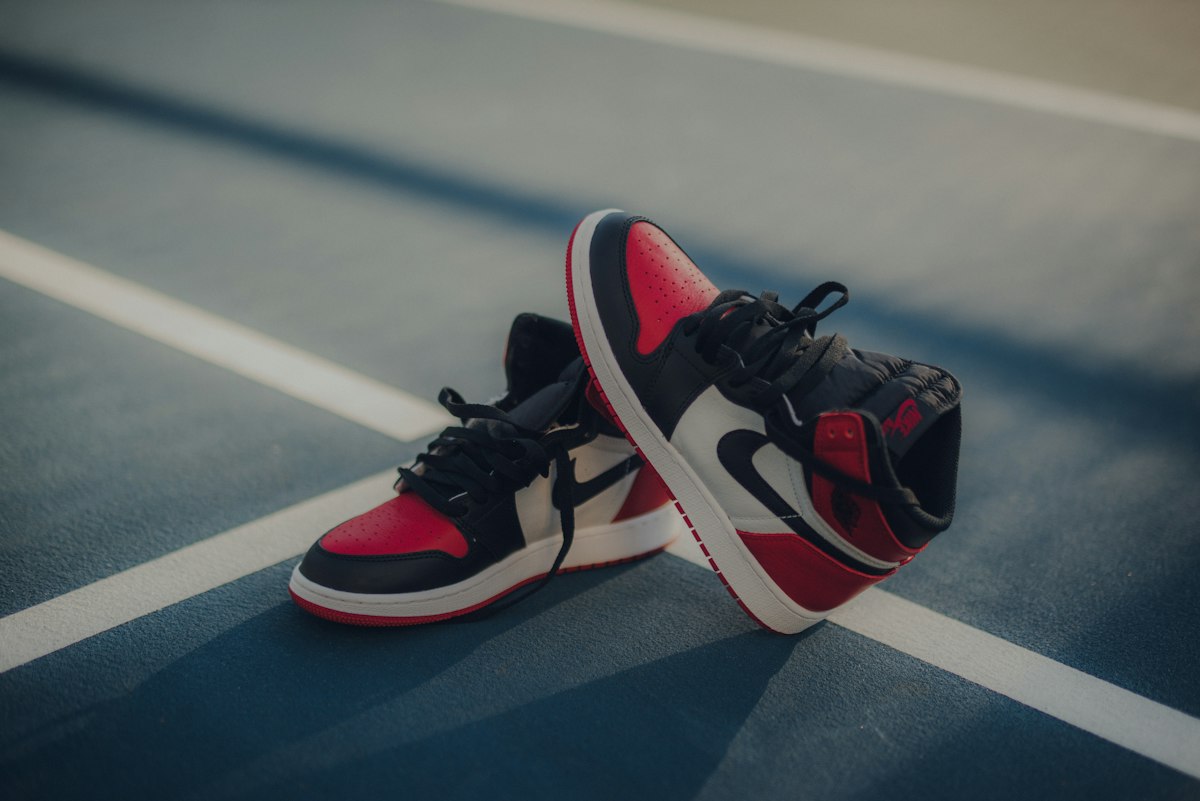
For the version of this shoe that photographs best with a dress, I’d pick something with a low, clean profile like these soft leather sneakers with a smooth, low-cut upper. The bulkier the shoe, the more it argues with a dress. If your outfit is trousers instead, the flat-soled breathable board shoes hold up better on gravel and look fine with a wide leg.
What goes in the car, and what stays home
My wedding kit is now a small cloth bag in the boot with four things in it.
A pair of foldable flats. They weigh nothing, they fit in a clutch, and they save you at 9pm when the band starts and your feet have opinions.
A cloth and a small brush. For the sole edge and any mud from the car park. Two minutes before the ceremony, and the shoe looks like you planned it.
Plasters. Not for the sneakers. For the flats, which always rub somewhere new.
A spare pair of no-show socks. Because the first pair will be damp by 4pm if the grass is wet, and there’s nothing worse than a wet sock inside a dry shoe.
What stays home: heeled sandals you can’t walk in, anything suede if the forecast has rain, and white sneakers. Especially white sneakers. I’ve watched a guest spend a reception trying to hide a mud-stained toe behind a chair, and it ruined her evening more than the shoes did.
If the wedding is abroad, pack the sneakers in the hand luggage. I’ve had a suitcase arrive two days late, and the only reason the trip worked was a pair of black sneakers on my feet at the airport. That’s a separate argument for owning them, and it’s the one that finally convinced me.
If you’re going to do this, do it deliberately. Midi dress, clean black-sole sneaker, one piece of jewellery that isn’t a watch, and a foldable pair in the bag. Then forget about your feet and enjoy the day, which is the actual point of a wedding and the reason nobody remembers what anyone wore. If you want the deeper detail on sole construction, there’s a piece on wearing black-sole sneakers through a five-day work week that covers tread and thickness properly, and one on what to check before buying discounted black sneakers if you’re shopping this week. The rest of the women’s sneaker range is sorted by style if you want to compare profiles.
