

You’ve seen the pair online. Solid black, a chunky sole, maybe 90mm of heel sitting on top of a 25mm slab. They look like they’d be easier than a stiletto. Then you put them on and discover the whole shoe weighs more than your winter coat.
Platform black heels for women are a genuinely different animal from a standard heel, and most of the difference isn’t in the number on the box. It’s in how the sole changes your ankle angle, your balance, and the muscles that get tired first.
Get the geometry right and a platform is one of the more comfortable high shoes you can buy. Get it wrong and it’s a heavy shoe that makes you walk like you’re on a boat.
What a platform actually does to your ankle angle
Here’s the mechanic in one line. A platform raises the front of your foot, so the angle between your foot and your shin gets smaller even though the heel hasn’t moved.
Say you’re in a 90mm heel with no platform. Your heel is 90mm above the ground and your toes are on the floor, so your foot sits at a steep angle and your ankle has to extend to compensate. Add a 25mm platform and your toes are now 25mm up too. The effective drop is 65mm, which means a much gentler ankle angle for the same visible height.
That’s the whole appeal. You get the silhouette of a tall heel with the posture of a mid one.
Platforms have a long history of being worn for exactly this reason, and the history of the platform shoe shows the same trade-off coming back every few decades. Height without the calf strain. The catch is weight and balance, which we’ll get to.
One thing the platform does not fix: the load on the ball of your foot. Your forefoot still takes a big share of your body weight, and a platform doesn’t spread that load any better than a normal sole. If forefoot pain is your issue, look at how bunions and forefoot pressure develop before you assume a platform solves it.
The 30/20 rule: how much platform is useful
Not all platforms help. The useful range is narrower than the shops suggest.
Under 15mm, the platform is mostly cosmetic. It adds a little height and a little weight and doesn’t change your ankle angle enough to notice.
Between 20mm and 30mm, you get the real benefit. The ankle angle opens up, the shoe feels less steep, and the sole is still thin enough that you can feel the ground and adjust your balance.
Above about 40mm, the shoe stops being a shoe and becomes a platform with a foot pocket. Balance gets harder, the sole stops flexing at the ball of your foot, and walking turns into a controlled fall.
Here’s the rule I use: keep the platform at roughly one third of the heel height or less. A 90mm heel with a 25 to 30mm platform works. A 100mm heel with a 50mm platform looks dramatic and walks badly.
And check the flex point. Stand on the floor and try to bend the front of the shoe upward with your hand. If it won’t flex at all behind the toes, your foot can’t roll through a step and your calf will do all the work. Some stiffness is normal on a platform. Total rigidity is a warning.
One more measurement worth taking. The difference between heel height and platform height is the number that decides how the shoe feels, not the heel height alone. Ask the seller for both, or measure the shoe yourself. Listings that only give the heel number are hiding the part that matters.
Weight: platforms are heavier than they look
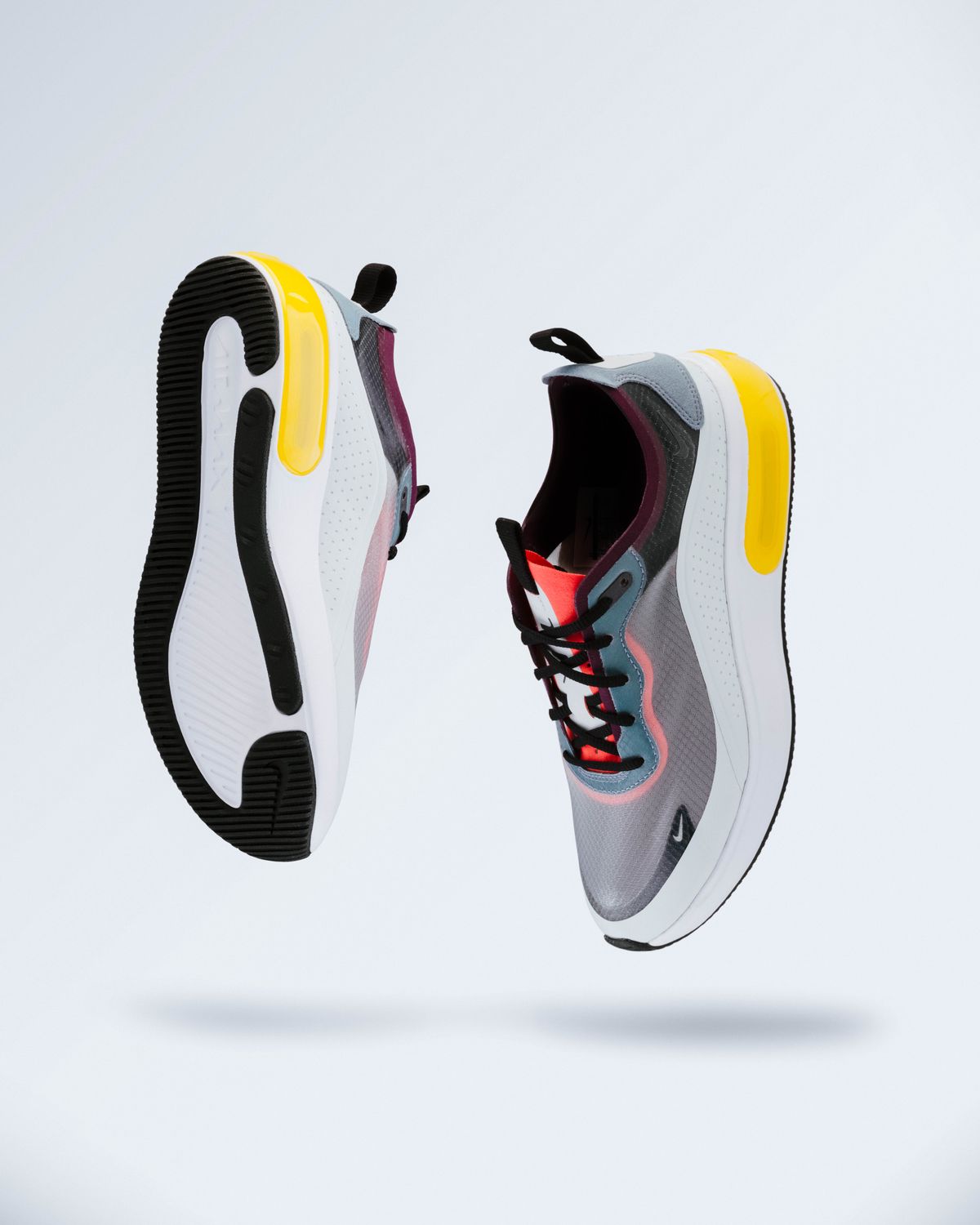
A pair of 90mm platforms can weigh 400 to 500 grams per shoe. A comparable stiletto is closer to 250 grams. That extra weight sits at the end of your leg, which is the worst place for it, because every step lifts it and every step sets it down.
You feel it first in the hip flexors, usually around the 40-minute mark. Then in the lower back, because a heavy shoe changes how your pelvis moves when you walk.
Two things reduce the problem. First, look for a hollow or foam-cored sole rather than a solid rubber slab. Good brands do this and mention it. Second, keep the upper light. A platform with a heavy leather upper and a metal buckle is going to weigh more than the same sole with a soft suede upper.
If a listing gives no weight, estimate from the material. Full-grain leather plus a 40mm rubber platform is going to be heavy. Suede or knit over a 25mm platform is usually manageable.
Weighing them at home is worth doing once. Put both shoes on a kitchen scale. Anything over about 450 grams per shoe gets a short leash in my wardrobe, no matter how good they look.
Black is the right colour, and here’s where it fails
Black hides the seam where the platform meets the upper, which is the least elegant part of any platform shoe. That’s the main reason black platforms look more expensive than beige ones at the same price.
It also hides scuffs on the sole edge, which take a beating on stairs and curbs.
Where black fails is contrast. A solid black platform under a pale summer dress turns into a visual anchor that drags the whole outfit down. Same with light-wash denim and a bare ankle. The shoe reads heavier than it is.
What works instead:
- Black platform with black tights and a midi skirt, so the leg line stays unbroken
- Black platform with straight black trousers, where the sole disappears into the hem
- Black platform with a cropped wide-leg jean, if you want the weight to look deliberate
If you want the platform shape without the heavy read, a suede platform with a retro shape breaks up the solid block because suede absorbs light instead of reflecting it. That’s a small trick that works surprisingly well in photos.
Stability: the sole shape matters more than the heel
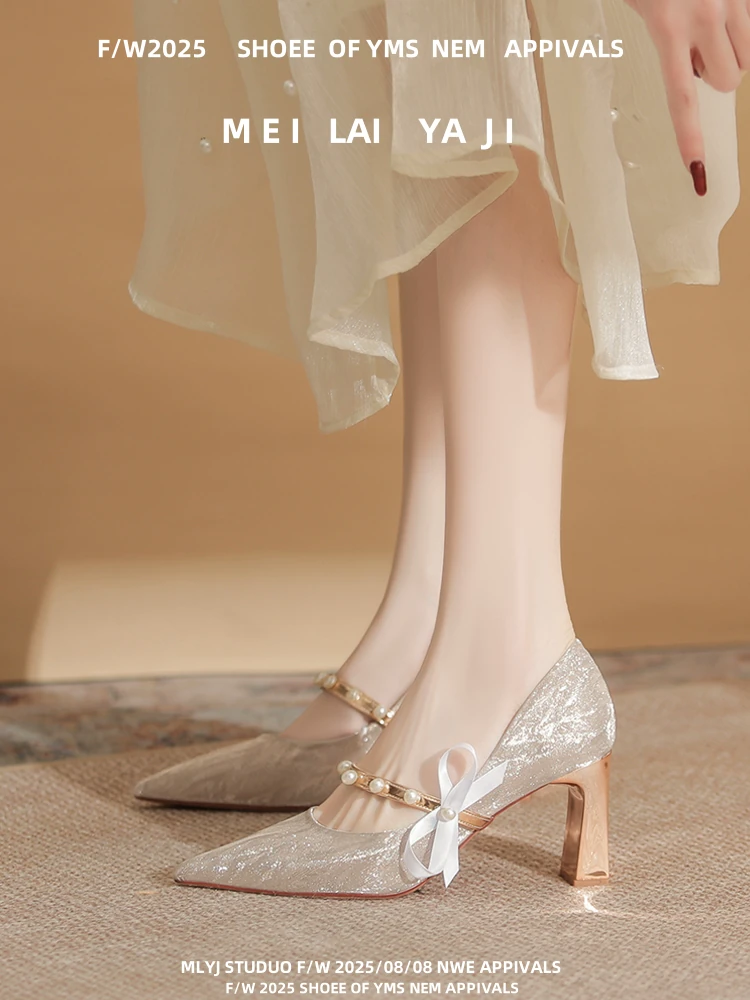
People assume a thick heel means a stable shoe. On a platform, the sole footprint matters more than the heel block.
Put the shoe on a table and look at the contact patch from underneath. A wide platform with a small heel contact area is actually less stable than a moderate platform with a broad heel, because your weight transfers forward as you walk and the small heel contact point becomes a pivot.
You want the heel block to be at least 30mm wide at the base, and the platform to extend slightly beyond the outline of the upper at the sides. That overhang is what stops your ankle rolling when you step on an uneven surface.
Ankle straps help more on a platform than on a normal heel, because the shoe is heavier and has more leverage to twist. A strap that sits behind the ankle bone holds the heel down without pressing on the tendon.
Test it this way in the shop. Stand on one foot for ten seconds with the other foot off the ground. If your ankle wobbles more than about a centimetre, the sole is too narrow for your foot, and no strap will fix that.
For long days, a thick heel pair designed to spread load across a wide base is the safer version of this shape. The extra rubber looks clunky in the box and disappears once you’re walking.
Sizing and the strap question
Platforms usually run true to size in length but generous in the instep, because the sole raises your foot inside the upper. If you have a high instep, that’s good news. If you have a low instep, the shoe can feel loose across the top even when the length is right.
Try them with the socks or tights you’ll actually wear. A platform with a closed toe and a snug upper will not stretch much, and you don’t want to discover that on a cold morning.
Then check three things in this order:
- Toe room: 8 to 10mm of space at the front, no pressing on the top of your toes
- Instep: the upper should touch the top of your foot without a visible gap when you stand
- Heel: less than 5mm of lift when you walk, more than that and you need a strap
Sizing up to gain toe room usually makes the instep worse on a platform, so try a wide fit before you go up a size. And if the shoe comes with a removable insole, take it out and see whether the fit improves at the instep. Sometimes that’s the whole fix.
For heel height comparisons across shapes, the fit logic in this guide to 45mm low heel sandals and what to check first carries over almost unchanged, just with more sole under your toes.
Keeping a black platform looking black
The sole edge is what ages first. That white or grey scuff along the platform rim shows up within a month of city walking, and once it’s there, the shoe reads cheap from across the room even if the upper is perfect.
A black edge dressing pen costs about the price of a coffee and takes two minutes to use. Wipe the rim with a damp cloth, let it dry fully, then run the pen along the scuff. Do it every few weeks through winter and nobody will be able to tell how old the pair is.
Storage matters more than cleaning. A platform stored on its side in a crowded wardrobe develops a flat spot on the sole edge, and that flat spot becomes a visible dent in the silhouette. Keep them upright and give them enough space that the adjacent shoe isn’t pressing on the platform.
If the upper is suede, brush it dry and skip the water. Suede platforms in black tend to go grey where they crease across the toes, and once that happens there’s no product that brings the depth back. A suede brush every few wears slows it down.
For leather, condition twice a season, not every week. Over-conditioning softens the upper until the shoe loses the structure that makes a platform look deliberate. A small amount worked in with your fingers beats a heavy coat every time.
Finally, get the heel tips replaced the moment you hear metal on tile. A worn tip changes the whole angle of the shoe, and on a platform that shift is more pronounced because there’s more height to lose. Ten dollars at a cobbler now saves a twisted ankle later, and if the pair has an open front, the fit details in this guide to black open toe openings are worth a look before you shop again.
Where platforms go wrong, and who should skip them
Stairs are the first problem. A platform changes where your foot sits relative to the step edge, and people catch the front of the sole on stair nosings constantly. If your daily route includes a lot of stairs, take them slowly for the first week.
Driving is the second. A thick sole deadens pedal feel, and a 90mm heel makes the ankle angle awkward for clutch work. Keep a flat pair in the car if you drive daily.
The third is the one nobody warns you about: platforms make a noise. A hard sole on tile or wood floors clacks, and in a quiet office that’s noticeable. Rubber soles are quieter than PU or leather.
Who should skip them? Anyone with a history of ankle sprains, because the extra height and weight increase the leverage on a weak ankle. Anyone who walks more than 8,000 steps a day, since the weight adds up. And anyone who needs to feel the ground for balance, including people with inner ear issues.
If none of that applies, buy one pair in black, keep the platform at 30mm or less, and wear them for a full day before you judge. The first hour feels strange. The third hour tells you the truth. If your calves are still fine at hour three, you’ve found a pair that works, and the wider range of women’s shoe shapes is worth browsing with those numbers in hand.
