

You’ve got one minute before you need to leave, and you’re hopping on one foot trying to get a shoe on without untying it. That’s the appeal of a laceless pair, and it’s also the reason half of them end up at the back of the cupboard with a folded heel.
White slip-on sneakers for women are the most forgiving shoe in a wardrobe and the most quietly annoying. No laces means no adjustment, so the fit has to be right the moment you put them on. There’s no dial to turn later. If the heel lifts by 4mm when you walk, it will lift by 4mm every day until you stop wearing them.
So this is about fit first and colour second. Which heel shapes hold, what to do when they don’t, how to keep white looking white past week three, and the one sole detail that decides whether your pair survives a wet pavement.
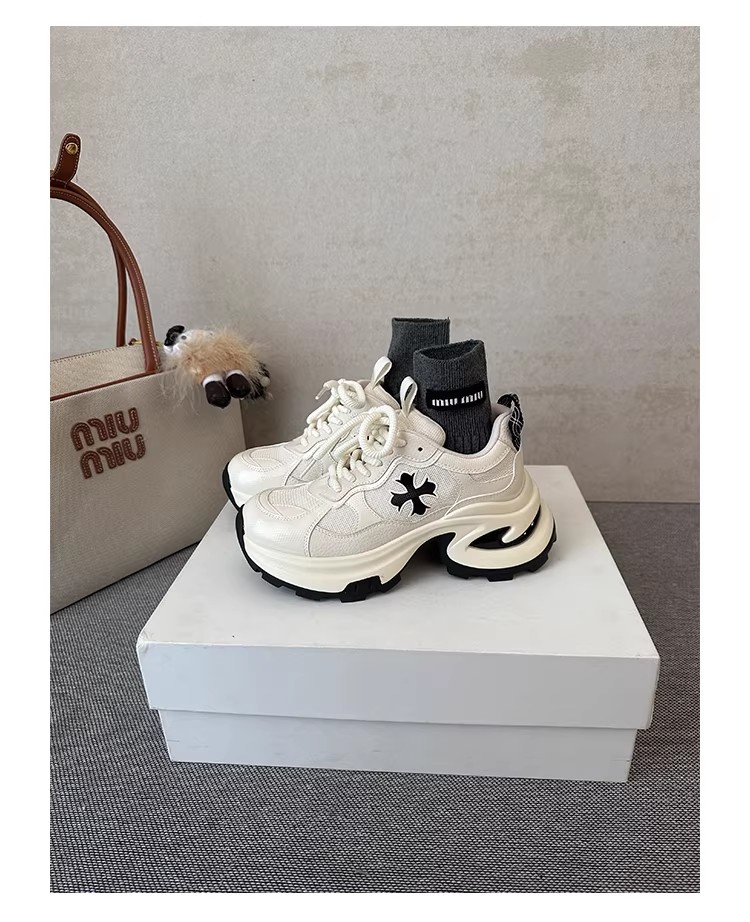
Why the heel is the whole story on a laceless shoe
On a laced sneaker, the lacing system pulls the whole upper back towards your heel. You can tighten the top two eyelets and lock your foot in place. A slip-on has none of that, so all the retention comes from three things: the height of the heel counter, the elasticity of the collar, and how much the upper grips the top of your foot.
Get those three right and a slip-on feels like it was moulded to you. Get them wrong and you get the classic slip-on walk, where your heel rises out of the shoe every step and the toe box bends in a place it shouldn’t.
The heel counter is the stiffened panel at the back of the shoe. On a good slip-on it comes up about 55mm to 65mm from the insole and holds its shape when you squeeze it. On a cheap one it’s a thin strip of card covered in fabric, and it folds flat within a month. That’s the part to check before anything else.
Collar elasticity is the second factor. A knit collar with a bit of elastane will hug your ankle. A plain woven collar with a stitched binding won’t. If the shoe has a visible elastic gusset at the side, that’s a good sign, because it means the designer knew the shoe needed to move with the foot rather than just sit on it.
Then there’s the top line. Slip-ons that sit low across the instep will always be looser than ones that come up higher. If you have a narrow foot, a low-cut slip-on in a soft upper will rattle around. If you have a high instep, a high-cut one may not go on at all without a shoehorn.
None of this is visible in a product photo, which is why checking the heel before you fall for the colour is the order I’d recommend. Colour is the last decision, not the first.
Three heel fixes that actually work
If you already own a pair that slips, you’re not stuck. These are the fixes that hold up over months rather than one afternoon.
- Heel grips. Felt or suede pads that stick inside the heel counter, 3mm to 5mm thick. They cost a few pounds and take the slip out of most shoes. Replace them every three months or so, because they compress.
- A tongue pad or a thin insole. Lifting your foot 2mm inside the shoe pushes it back into the heel counter. This works well when the shoe is a half size too long, which is common in slip-ons because people size up to get their foot in.
- The heel-lock lace trick. If your slip-on has decorative laces, thread them through the top eyelets and tie them loosely. It’s not elegant, but it converts the shoe into something you can actually walk in.
What doesn’t work: thick socks. They fill space for ten minutes and then compress, and they make a white shoe look like a school uniform. Double-sided tape inside the heel is also a short-lived fix, and it leaves residue on the lining.
There’s one case where no fix is worth it. If the shoe is more than a full size too long, the crease point moves forward of the ball of your foot, and the upper will collapse across the toe box within weeks. That’s a return, not a repair.
White, and the three-week problem
White sneakers don’t fail slowly. They go from crisp to slightly grey over about three weeks, and then they stay slightly grey forever unless you intervene.
The grey comes from two places: dust drawn into the mesh or canvas by static, and the midsole picking up dye transfer from dark jeans and dark floors. The midsole is usually the first thing to go, because it’s a soft foam that grabs everything. Historically that’s the trade-off of a pale shoe: the sneaker as everyday footwear only really took off once rubber soles made them washable.
A magic eraser works on smooth foam midsoles and rubber toe bumpers. Damp it, squeeze it out, and use light pressure. Don’t scrub hard, because melamine sponges are mildly abrasive and will take the surface off a coated midsole, leaving a patch that collects dirt faster than the rest.
For the upper, dry brush first. Then a mix of cool water and a small amount of laundry detergent, worked in with a soft brush, then wiped off with a microfibre cloth. Rinse the cloth often. The mistake most people make is using too much water and pushing dirty suds deeper into the fabric.
Canvas and mesh can go in the washing machine on a cold, gentle cycle in a pillowcase, but only if the shoe has no glued-on decorative panels. Heat is what kills shoes, so no tumble dryer, no radiator, no hairdryer. Stuff with newspaper and leave them somewhere with airflow.
Two things prevent most of the damage. A water-repellent spray applied when the shoes are new, reapplied every six to eight weeks, keeps liquid stains from soaking in. And rotating two pairs means each one gets 48 hours to dry out, which stops the yellow tide marks that appear when a white shoe dries slowly from the inside.
If your pair is suede or nubuck, ignore all of the above and read what actually survives a wet week in suede instead. Water and suede don’t negotiate.
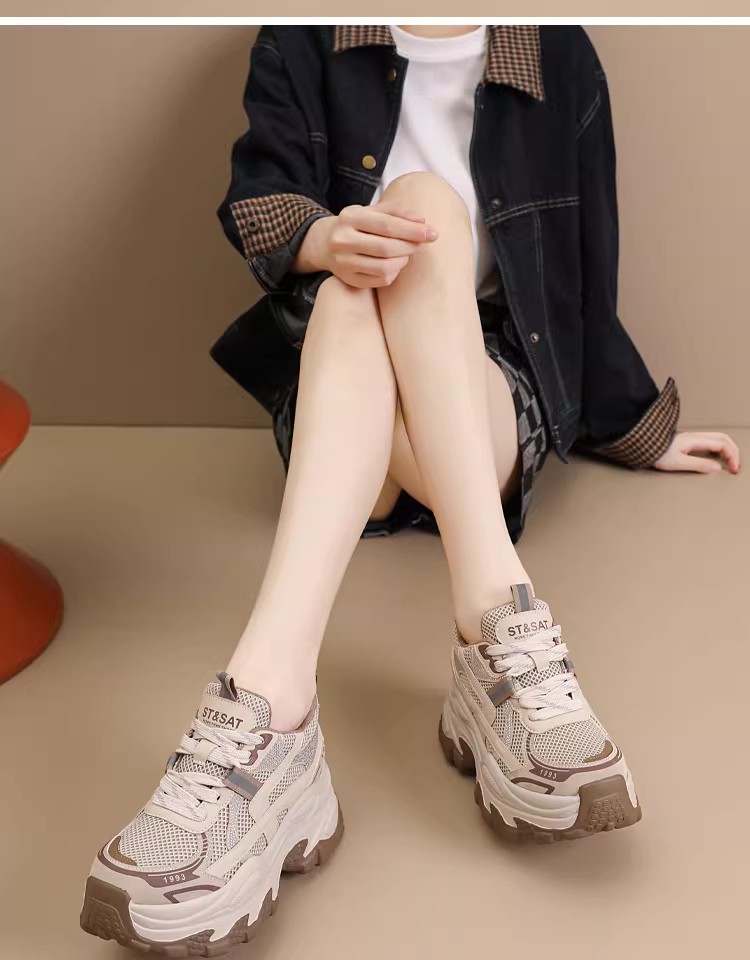
Sole construction decides how long they last
Three sole types show up on white slip-ons, and they behave very differently on wet pavement.
Vulcanised rubber is the classic plimsoll construction, where rubber is bonded to the upper under heat. It’s flexible, grips well, and the white sidewall is part of the rubber, so it cleans up easily. It’s also heavy compared with foam, and the bond line can separate after a few years if the shoe is stored damp. The process itself goes back to the 1840s discovery of rubber vulcanisation, which is why the construction hasn’t changed much.
Cupsole is a moulded rubber unit stitched or glued to the upper. It’s more durable and more supportive, and it holds its shape when the upper starts to sag. The downside is weight and stiffness: a cupsole slip-on often needs a break-in period, and the heel can rub for the first week.
EVA foam soles are the lightest and the softest, and they’re what most fashion slip-ons use now. They feel great out of the box and then compress. Expect 400km to 600km of walking before the cushioning goes flat, which for a casual wearer is about a year.
For city pavements, vulcanised rubber or a cupsole with rubber under the heel is the safer bet. Foam is fine for short trips and dry days. If you’re buying one pair to do everything, don’t buy the softest thing in the shop.
Sockless in July: what happens by 4pm
White slip-ons get worn without socks more than any other shoe, and that’s where the problems start.
Bare feet in a closed shoe produce about 30ml of sweat on a warm day. In a cotton-lined shoe that moisture sits against the lining and the insole, and by mid-afternoon you have a warm, slippery footbed that makes your heel lift even more. It’s a loop: no socks, more slip, more friction, more heat.
No-show socks solve most of it. The ones that stay on have a silicone strip at the heel and a cut that sits below the shoe’s top line. Cheap ones roll down within twenty minutes. If you hate the feel of socks, at least use a thin liner in the first month while the shoe breaks in.
Powder helps for a few hours. So does letting the shoes air for 24 hours between wears. What doesn’t help is spraying deodorant inside, which leaves a residue that turns the lining stiff and slightly yellow.
Here’s the honest bit: a white slip-on worn sockless five days a week will smell by August. Not because the shoe is bad, but because no lining dries fast enough under that schedule. Two pairs alternating is the only real answer, and it’s cheaper than replacing one pair twice.
What to wear them with
White slip-ons are the easiest shoe to style badly, because they’re plain enough to disappear and bright enough to draw attention to your ankles.
Cropped wide-leg trousers want a slip-on with a slim sole rather than a platform. The white line at the hem reads as deliberate when the shoe is low-profile. Add a platform and the whole outfit starts to look like it’s leaning forward.
Midi dresses need the sock decision sorted first. A no-show sock gives a clean summer look. A visible ribbed sock in ecru or pale grey turns it into something closer to a school-uniform reference, which can work, but only with a longer hem and a looser dress.
With straight jeans, a white slip-on is close to a default. This is the pairing that made the shoe popular and it still works. Just make sure the jean hem breaks once, not twice, or the ankle gets swallowed.
If you like the shape but want something with a bit more structure under a wide leg, the 6cm white dad-style casual pair gives you the same palette with a chunkier base. Different mood, same styling rules.
Prefer a flatter, more board-like silhouette under cropped denim? These breathable flat-sole women’s board shoes take the same clean white line and sit lower at the ankle, which helps if you’re short in the leg.
One thing worth trying: keep the rest of the outfit tonal. White shoe, off-white trousers, beige knit. In an all-light outfit a white slip-on looks intentional. Against black trousers it looks like you forgot to change out of your gym shoes.
A two-minute try-on that saves you a return
Do this before you take the tags off, ideally on carpet so you can still send them back.
- Put them on without a shoehorn. If you have to force them, they’ll be worse barefoot in July.
- Walk ten steps on a hard floor. Listen for the flap of a loose heel. A soft tap is normal. A slap means the counter is too low for your foot.
- Stand on tiptoe. Your heel should stay inside. If it rises out of the shoe, sizing down half a size is the first move, not inserts.
- Squeeze the back of the shoe. It should resist. If it folds, it won’t last the season.
- Check the toe box width with your thumb. You want 8mm to 10mm in front of your longest toe, and no pressure on the little toe joint.
That tiptoe test catches most of the bad pairs. A laceless shoe that can’t keep your heel down when you rise onto your toes will not keep it down on a hill either.
If you only remember one thing
Buy the fit, then the colour. A slightly less perfect white in a shoe that holds your heel will get worn four days a week. A perfect white in a shoe that slips will sit by the door until you quietly move it to the back of the cupboard.
And if you’re choosing between two sizes, take the smaller one for a slip-on. They stretch across the instep within two weeks, and a shoe that starts snug ends up comfortable. A shoe that starts loose never tightens. Have a look through the wider women’s shoe range with that rule in mind, and count how many reviews mention sizing.
