

The Best Tennis Shoes for All-Day Comfort and Style
In the realm of footwear, few items promise the versatile fusion of support, durability, and aesthetic appeal quite like a well-chosen pair of tennis shoes. Once confined to the clay and grass courts, these shoes have transcended their athletic origins to become staples in everyday wardrobes, championed for their ability to marry function with fashion. This exploration isn’t about mere trend-following; it’s a deep dive into the engineering and design principles that transform a sports-specific shoe into an ideal companion for prolonged wear. We’ll dissect the anatomy of comfort, unravel the science of support, and showcase how the right pair can seamlessly integrate into a dynamic lifestyle, proving that the quest for the perfect tennis shoes for walking and daily use is both an art and a science.
The Anatomy of All-Day Comfort: More Than Just Cushioning
When we speak of comfort over extended periods, the conversation must move beyond superficial softness. True all-day comfort is a symphony of biomechanical engineering. It begins with the midsole, often composed of advanced materials like EVA (ethylene-vinyl acetate) foam, polyurethane, or proprietary compounds such as Nike’s Air or Adidas’s Boost. These materials are designed not just to cushion, but to provide resilient rebound, absorbing impact forces from heel strike and dispersing them to reduce fatigue on joints. The insole or sockliner adds another layer, often incorporating memory foam or orthotic-friendly designs to contour to the unique architecture of your foot. However, as noted by Dr. Casey Kerrigan, a former Harvard Medical School professor and gait analysis expert, “Cushioning is ineffective if it destabilizes the foot.” This highlights the critical role of the shoe’s structure—the heel counter must be firm to prevent excessive pronation or supination, and the overall last (the shape around which the shoe is built) should match your foot’s volume. A shoe that is too narrow, for instance, can cause neuromas, while one too wide fails to provide necessary guidance. Therefore, the ideal tennis shoes for walking are those that offer a balanced triad: adaptive cushioning, stable support, and an accommodating fit, ensuring that from morning commute to evening errands, your foundation remains uncompromised.
Style That Speaks: The Evolution of the Tennis Silhouette
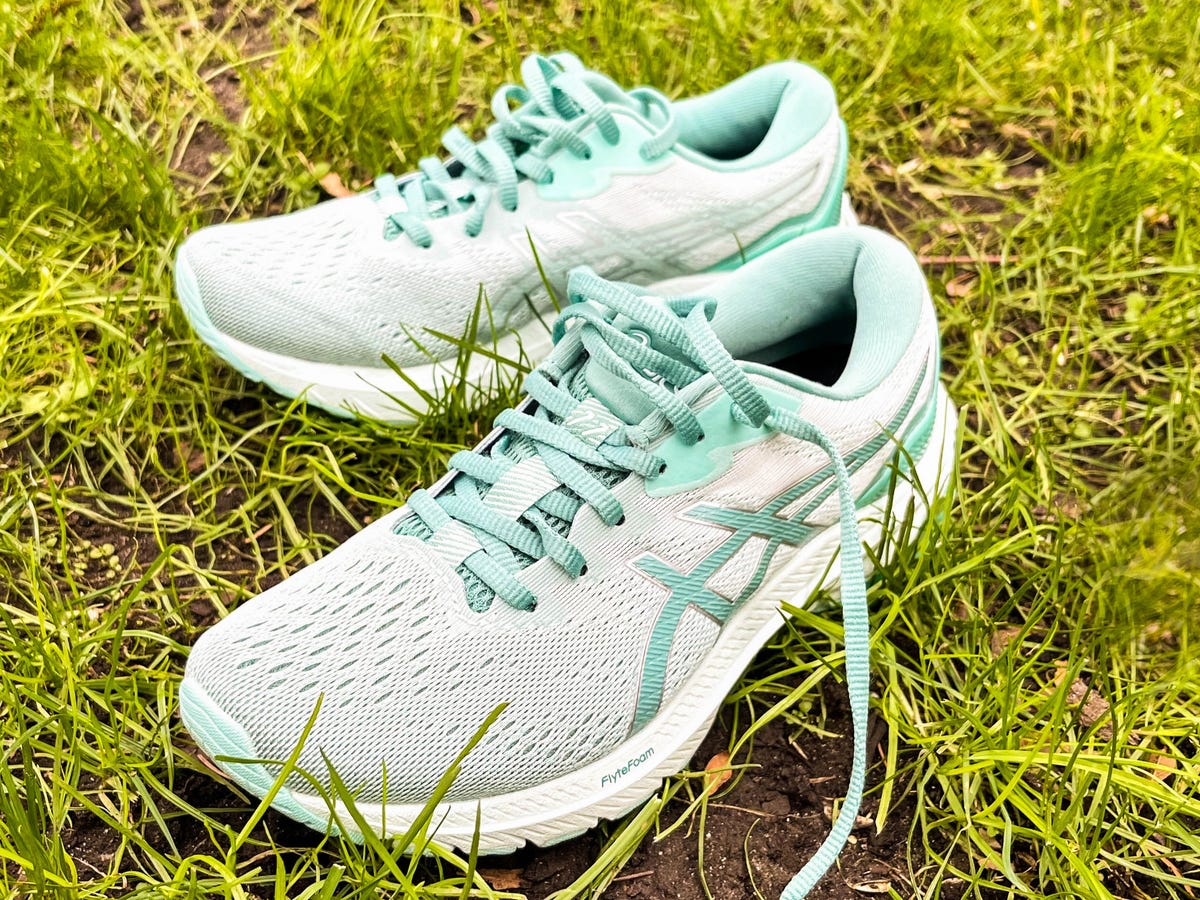
The stylistic journey of the tennis shoe is a fascinating study in cultural adoption. From the classic white leather of Stan Smiths, immortalized by the tennis legend himself, to the bold, chunky soles of the ’90s revival, these shoes have consistently reflected broader fashion currents. The key to their enduring style lies in their inherent simplicity and versatility. A clean, minimalist design in neutral tones can anchor a business-casual outfit, while a pair with vibrant accents or retro detailing can become the focal point of a streetwear ensemble. This duality is championed by figures like fashion director Tiffany Hsu, who often pairs tailored trousers with technical sneakers, stating, “It’s about juxtaposition—the ease of sportswear with the precision of tailoring.” The modern market offers endless variations: knit uppers for a sleek, sock-like fit; suede and leather combinations for texture; and sustainable materials that appeal to the eco-conscious consumer. The best styles are those that don’t scream “gym” but whisper “effortless intention.” They are shoes you can wear to a casual Friday, a weekend museum visit, or a long day of travel without feeling out of place. The aesthetic must complement the functional core, making you look put-together while your feet experience the supportive embrace of a performance-born design, truly embodying the spirit of versatile tennis shoes for walking through cityscapes.

The Scientific Pillars: Support, Durability, and Breathability
To objectively evaluate a tennis shoe’s suitability for all-day wear, we must turn to the measurable pillars of its design. Support is paramount and is fundamentally about motion control. According to research from the University of Calgary’s Human Performance Laboratory, excessive foot flattening (overpronation) during gait can lead to a chain reaction of stress up the kinetic chain, affecting ankles, knees, and hips. A quality tennis shoe incorporates features like a medial post—a denser area of foam on the inner side of the midsole—to curb this motion. The outsole’s tread pattern and rubber compound, often durable non-marking rubber like AHAR (Asics High Abrasion Rubber), provide traction and longevity, preventing premature wear from asphalt and concrete. Breathability, governed by the upper material, is crucial for maintaining a healthy foot environment. Meshes, particularly engineered ones with varying densities, promote airflow, reducing moisture buildup and the risk of blisters or fungal infections. As biomechanist and author Katy Bowman puts it in her book “Move Your DNA,” “Your footwear is your foot’s environment. A hot, cramped environment leads to dysfunction.” Therefore, a shoe that excels in these three areas—targeted support, resilient construction, and active ventilation—creates a microclimate conducive to foot health during extended wear, solidifying its status as a reliable pair of tennis shoes for walking and standing.
Voices of Authority: What Experts and Enthusiasts Say
The collective wisdom from diverse sources paints a compelling picture. On platforms like Quora and specialized running/walking forums, a common thread among seasoned users is the preference for “cross-trainer” or “all-court” tennis shoes over running-specific models for daily use, citing their lateral support and more durable outsoles. Wikipedia’s entry on “Athletic shoes” details the historical evolution, noting how the need for side-to-side movement on court led to designs with wider bases and reinforced toe caps—features that benefit urban walking. Celebrity physiotherapist Karen Joubert, known for her clientele of athletes and performers, frequently emphasizes on her YouTube channel the importance of a “heel-to-toe rocker” in shoes for reducing calf and Achilles strain during all-day wear, a feature present in many modern tennis-inspired designs. Furthermore, publications like Wirecutter and Runner’s World consistently include tennis-derived models in their roundups of best walking shoes, praising their blend of cushioning and stability. These endorsements, spanning from academic literature to practical user experience, validate the premise that the architectural intelligence of a tennis shoe is uniquely transferable to the demands of daily life.
:max_bytes(150000):strip_icc()/vwt-walking-shoes-test-ryka-devotion-x-sahara-borja-02-18807b688fbb49e4ba30a3ee438600cb.jpeg)
Making the Smart Choice: A Guide to Your Perfect Pair
Armed with this knowledge, your selection process becomes intentional. First, analyze your gait. Many specialty stores offer free gait analysis. Are you a neutral walker, or do you need stability? Second, prioritize fit. Your feet swell throughout the day, so shop in the afternoon and ensure about a thumbnail’s space between your longest toe and the shoe’s end. Don’t just stand—walk, jog, and simulate lateral movements. Third, consider your primary use. Will these shoes predominantly navigate office corridors, city streets, or a mix of terrains? The outsole tread should match. Fourth, inspect the materials. A seamless interior reduces chafing, and quality stitching indicates longevity. Finally, let style be your personal signature within the framework of function. Remember, the investment in a superior pair often pays dividends in foot health and avoided replacement costs. Brands frequently offer previous-season models or colorways at significant discounts, making premium technology accessible. For instance, a top-tier stability model originally priced at $140 might be found for under $100 during seasonal sales, offering professional-grade support without the premium price tag. This strategic approach ensures you acquire not just any sneaker, but your personal benchmark in tennis shoes for walking.
The Unbeatable Fusion: Where Performance Meets Life
In the final analysis, the superiority of the right tennis shoe for daily wear lies in its holistic design philosophy. It is a product born from solving the rigorous, multi-directional problems of a sport, making the relatively linear challenge of walking and standing one it is over-engineered to handle with ease. This isn’t about wearing a sports shoe where it doesn’t belong; it’s about recognizing that the boundaries between athletic performance and daily resilience have blurred. The modern lifestyle demands footwear that can transition from a morning workout to a full day of appointments without a second thought, providing unwavering comfort and confident style. The perfect pair becomes an extension of you—supporting your physical endeavors, complementing your personal aesthetic, and enduring the rhythm of your life. They are a testament to the idea that the best tools are those that perform so seamlessly we almost forget they’re there, yet their impact is felt with every supported, comfortable step you take. This is the definitive promise of a truly great pair of tennis shoes for walking through all of life’s arenas.

