

Leopard Print Heels: How to Wear Them Boldly Without Overdoing It
Animal prints, particularly leopard print, have oscillated between the zenith of high fashion and the depths of tacky cliché for decades. To wear them, especially in the form of a statement shoe like cheetah print heels, is to engage in a sartorial tightrope walk. The goal is not to timidly tiptoe across but to stride with confident, deliberate balance. This article is a manifesto against the fear of the bold pattern, a guide to harnessing its wild energy without letting it consume your entire aesthetic. We will dissect the psychology of the print, ground our advice in objective style principles and cultural references, and provide a practical, step-by-step framework for integration. The result? You, commanding attention not because you are loud, but because you are precisely, and fearlessly, put together.
The Psychology of the Pattern: Why Leopard Print Demands Attention
Before we style, we must understand. Leopard print is not merely a random arrangement of spots; it is a deeply embedded cultural symbol. Historically, it has been associated with power, royalty, and untamed nature. In ancient civilizations, pelts were worn by chiefs and warriors as a sign of strength and dominion over the wild. This symbolism transitioned into 20th-century fashion, where it became a shorthand for a daring, rebellious, and sexually confident woman—think of the iconic images of Eartha Kitt, Brigitte Bardot, or the later adoption by punk and rock ‘n’ roll icons. From a design perspective, the pattern is a study in organic asymmetry. Unlike regimented stripes or predictable polka dots, the irregular clusters of spots create visual movement and complexity. This inherent dynamism is why a pair of cheetah print heels can instantly elevate a simple outfit; they introduce a layer of visual interest that is both primal and sophisticated. As fashion historian Dr. Valerie Steele noted in an interview for The Business of Fashion, “Animal prints, and leopard in particular, have a unique ability to signal ‘fashion knowledge.’ It’s a code. Wearing it well shows you understand the history and the risk, and you’re choosing to engage with it on your own terms.” This foundational understanding is crucial: we are not just adding a “fun” shoe; we are invoking a legacy of audacity.
Rule #1: The Foundation of Neutrality
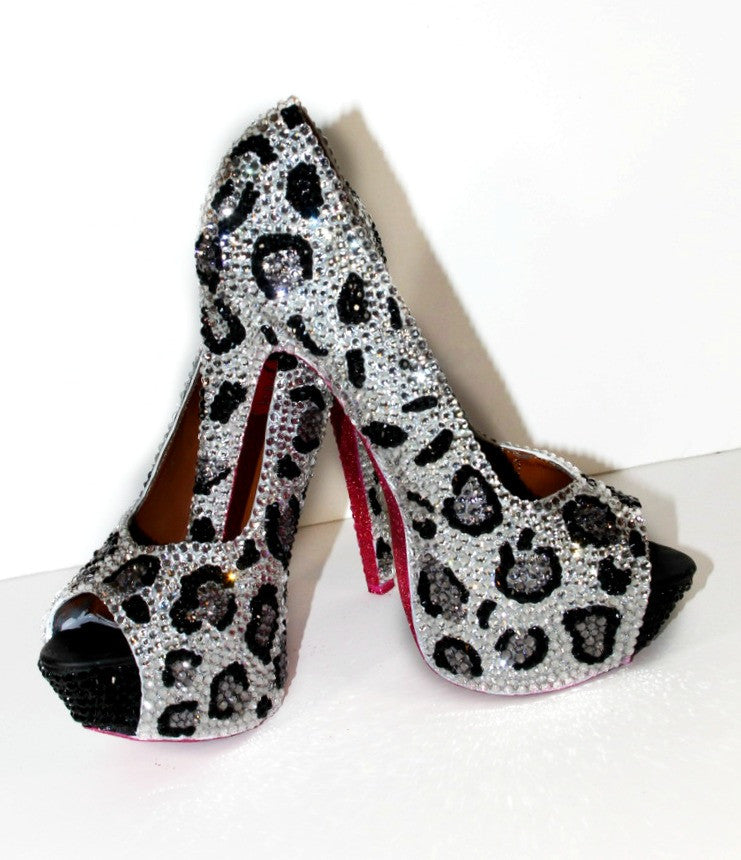
The single most effective strategy for wearing bold cheetah print heels is to let them be the unequivocal star of the show. This is achieved through the strategic use of a neutral canvas. Imagine the print as the fiery soloist in an orchestra; it needs the steady, harmonious backdrop of the strings to shine without becoming noise. Your clothing in tones of black, white, navy, camel, beige, or grey provides that backdrop. A foundational outfit could be a perfectly tailored black turtleneck paired with straight-leg denim. The simplicity of this ensemble does two things: it provides a modern, clean silhouette that grounds the look, and it creates a deliberate visual hierarchy where the eye is drawn directly to your feet. This principle is supported by the minimalist ethos championed by designers like Phoebe Philo during her tenure at Céline, where a single, powerful accessory was often the only ornamentation on a sea of exquisite neutrals. The science behind this is rooted in Gestalt psychology, specifically the concept of “figure-ground relationship.” The neutral outfit becomes the “ground,” a calm field against which the “figure” of the leopard print can pop with maximum clarity and intention. It’s not about playing it safe; it’s about creating contrast that amplifies impact.
Rule #2: Monochromatic Mastery
For those ready to advance beyond basic neutrality, monochromatic dressing offers a sublime and fashion-forward approach. The idea is to build an outfit within a single color family that echoes the base tone of your leopard heels. Most cheetah print heels feature a tan, caramel, or black background. If your shoes have a warm tan base, construct an outfit entirely in shades of cream, camel, oatmeal, and brown. A cashmere camel coat, a chocolate brown silk slip dress, and a handbag in a cognac leather would create a rich, tonal look where the leopard print appears as a natural, textural extension of the palette rather than a jarring contrast. This technique, frequently showcased on runways for brands like The Row and Max Mara, demonstrates a sophisticated understanding of color theory. It creates a long, unbroken line for the eye, making the wearer appear taller and more streamlined, while the pattern adds a necessary point of intricate detail. As stylist and author Allison Bornstein advocates in her “Three-Word Method” for personal style, one of those words can be a “neutral” base, upon which you add a “print” as your focal point. This disciplined approach ensures cohesion and a powerful, editorial statement.
Rule #3: Strategic Silhouette and Proportion
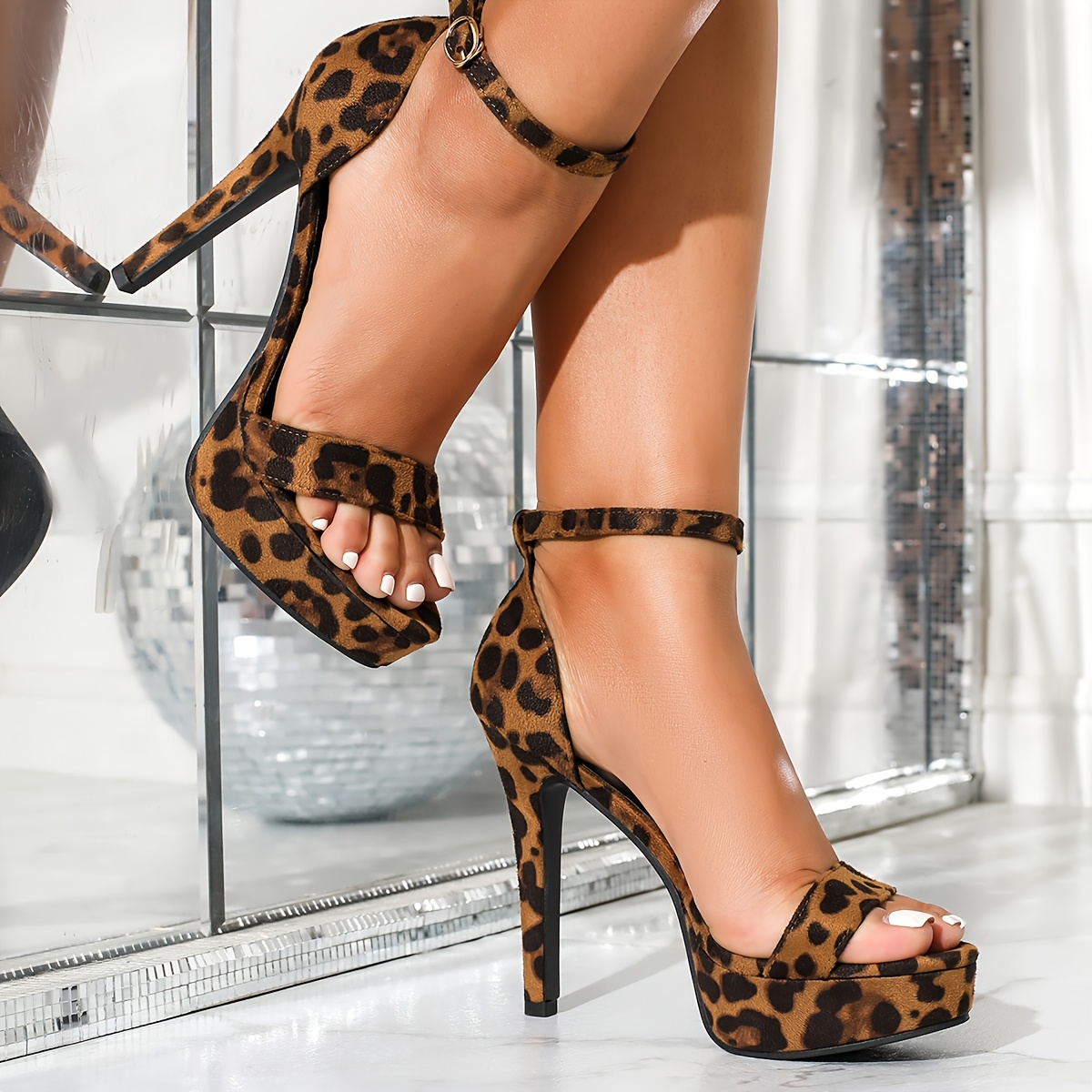
The cut and shape of the clothing you pair with your statement heels are as important as the color. The goal is balance. If your cheetah print heels are particularly sleek and pointed—a classic pump, for instance—they carry an inherent sharpness and formality. You can play with this by juxtaposing them against something relaxed and fluid, like wide-leg, high-waisted trousers or a midi skirt with a soft drape. This contrast between structured shoe and flowing fabric is dynamic and modern. Conversely, if your leopard heels are a chunkier block heel or a strappy sandal with a more casual vibe, pairing them with a sharply tailored blazer and slim-fit trousers can elevate them instantly. Consider the wisdom of costume designer Patricia Field, who, in styling Sex and the City, famously used Carrie Bradshaw’s Manolo Blahniks to offset and elevate everything from vintage denim to tutus. The principle is about creating visual interest through opposition. Furthermore, mind the hemline. Cropped pants, ankle-grazing trousers, or a skirt that ends above the knee are ideal, as they provide ample opportunity to showcase the shoe fully. A floor-sweeping maxi dress can obscure the very asset you’re trying to highlight, diluting the effect.
The Art of Accessorizing: Complement, Don’t Compete
Once your clothing foundation is set, accessories are your tools for fine-tuning. The cardinal rule here is restraint. Your cheetah print heels are already a powerful accessory; adding other competing patterns or overly ornate jewelry can tip the scale into visual chaos. Instead, choose accessories that complement the color within the print. Select a handbag in a rich brown leather that matches the spots, or opt for simple gold hoop earrings that pick up on any metallic detailing in the heel. If you must carry a print, let it be a subtle texture like crocodile-embossed leather or a fine, tone-on-tone stripe. The viewpoint from renowned fashion website Who What Wear consistently emphasizes this: “Let one hero piece lead.” This philosophy ensures clarity in your style statement. Even in literature, we see this principle of singular focus; a character’s defining trait is often highlighted against a subdued personality, making them memorable. Apply that narrative logic to your outfit: let the shoes tell the most exciting part of the story, with the rest of your choices serving as compelling supporting characters.
Context is King: From Boardroom to Bar
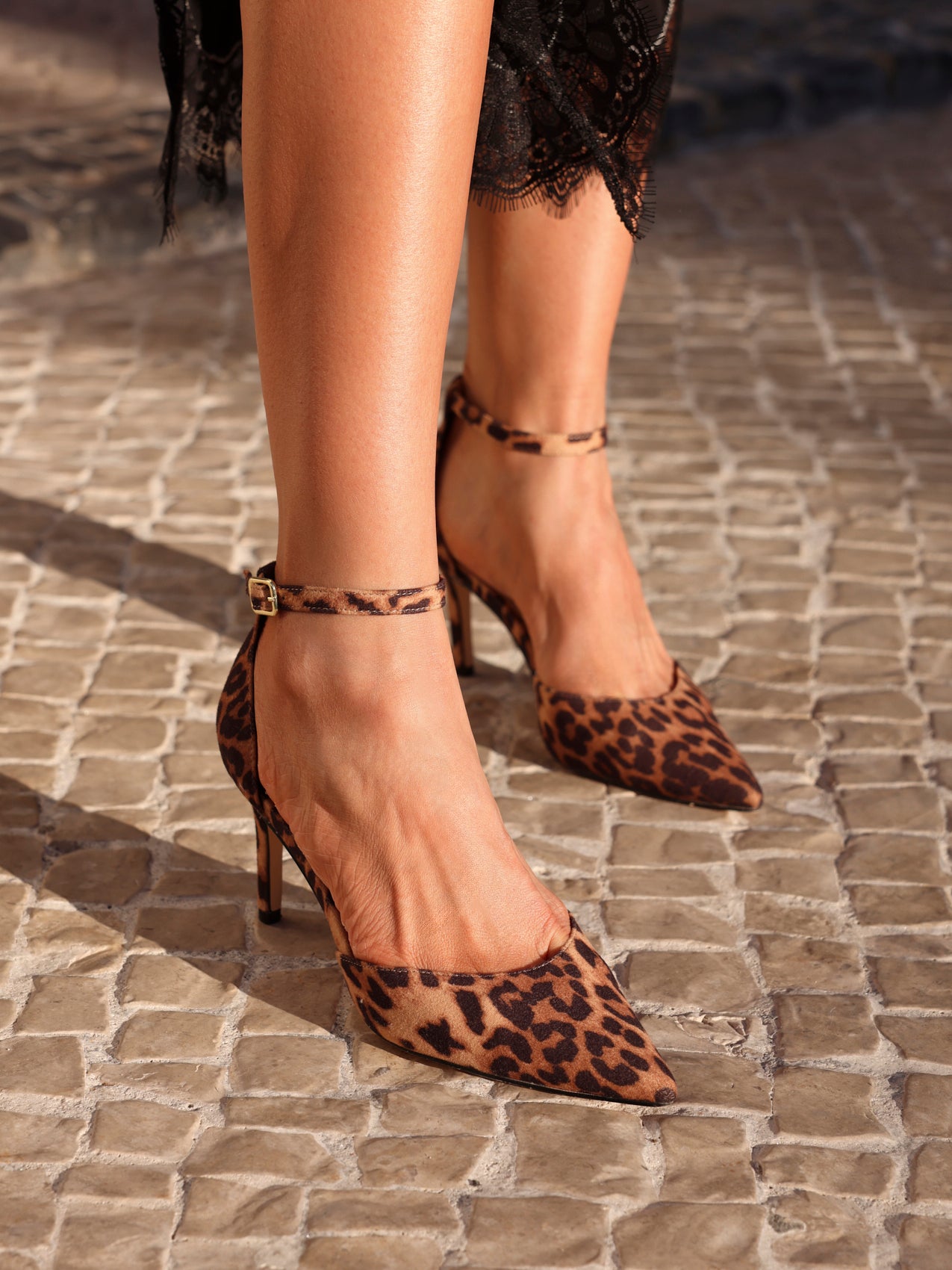
The versatility of a well-chosen pair of leopard heels is their superpower, but context dictates execution. For a professional environment, the key is to anchor the wildness with impeccable tailoring. Pair your heels with a crisp white shirt, a charcoal grey blazer, and tailored trousers. The message is confidence and control—you’re in charge, with a hint of creative flair. For a weekend brunch or casual outing, lean into effortless cool. Try them with classic blue jeans, a simple white tee, and a leather jacket. The juxtaposition of casual Americana with the fierce print is a timeless recipe for off-duty model style. For evening, embrace the drama. A simple, elegant little black dress becomes instantly electrifying when grounded by leopard print heels. The print adds a layer of intrigue and personality that plain black pumps lack. As fashion influencer and entrepreneur Aimee Song often demonstrates on her platforms, the same pair of statement shoes can traverse her daily activities by simply changing the surrounding elements. This adaptability is not just economical; it’s a testament to thoughtful curation in one’s wardrobe.
Investing in Your Statement: Quality and Value
A trend as perennial as leopard print deserves investment in quality. A well-constructed heel from a brand that uses good leather, secure hardware, and comfortable footbeds will not only look more sophisticated but will last for seasons, transcending fleeting micro-trends. The initial cost per wear becomes negligible over time. However, savvy shopping is part of the game. Look for end-of-season sales from premium contemporary brands, where classic items like cheetah print heels are often discounted to make room for new inventory. Subscription to newsletters from your favorite retailers can alert you to private sales. Furthermore, consider the secondary market; platforms like The RealReal or Vestiaire Collective are treasure troves for gently worn, high-end designer versions at a fraction of the retail price. This approach combines professional knowledge—understanding what constitutes quality construction—with strategic acquisition for discounted prices. It’s about making intelligent choices that serve your style and your budget long-term.
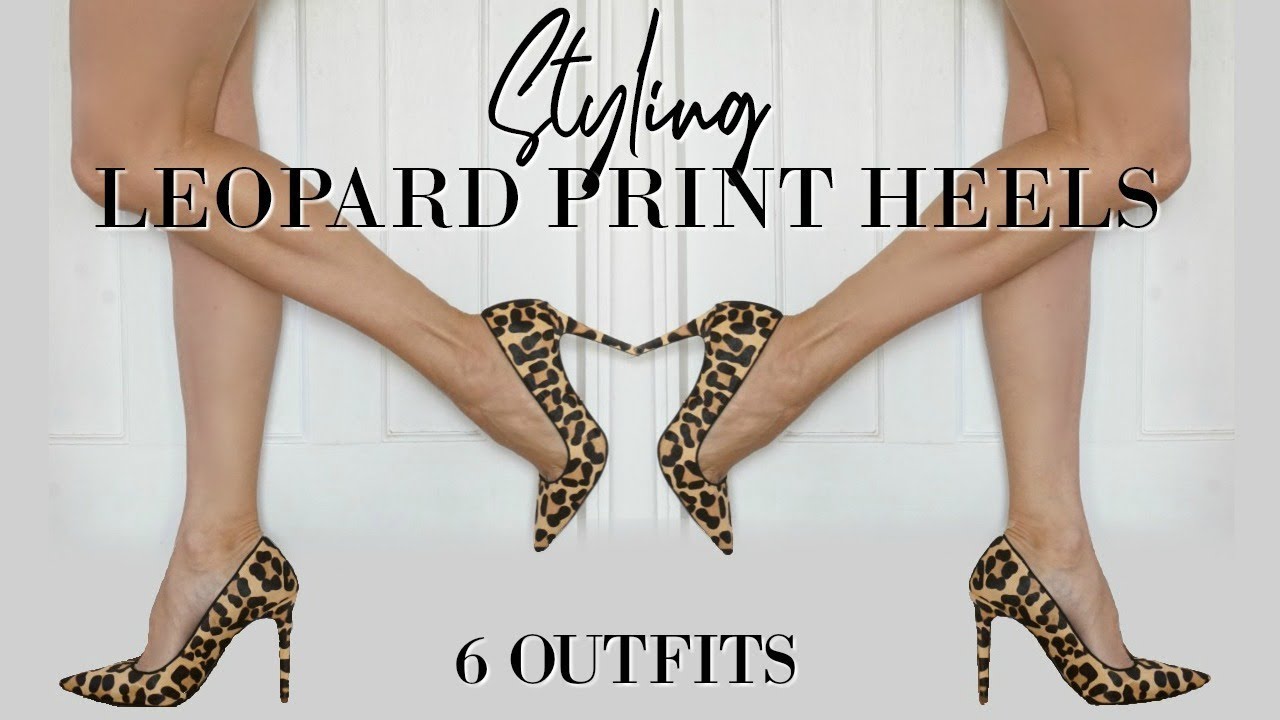
Wearing leopard print heels boldly is an exercise in confident curation. It is the rejection of the notion that bold must mean brash. By understanding the pattern’s heritage, employing foundational styling rules of neutrality and monochrome, mastering proportion, accessorizing with discipline, and respecting context, you transform a potentially overwhelming item into a cornerstone of your personal expression. The final look should feel inevitable, as if the wild, elegant spirit of the print was always meant to walk with you. So step out. Let the pattern speak, but ensure your voice—clear, confident, and composed—is the one directing the conversation.
