

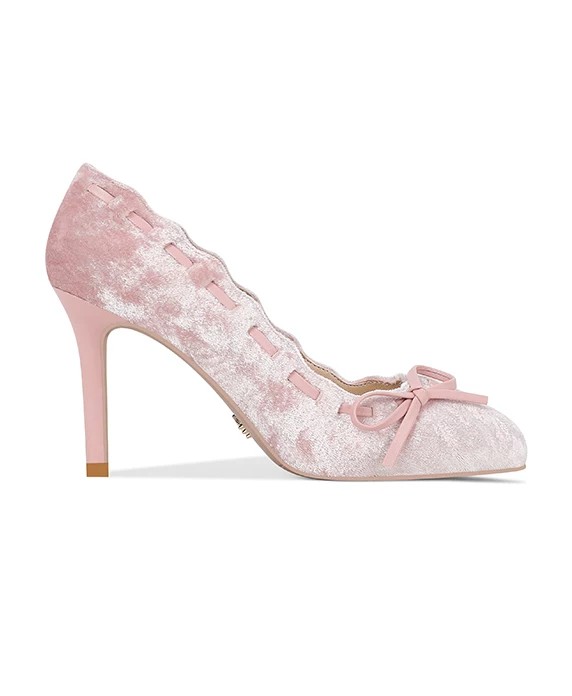
A pair of pink ballet flats arrives in a box, looks exactly like the photo, and gets worn twice. That pattern is common enough that it’s worth understanding before buying another pair.
The colour isn’t usually the problem. The fit is. Ballet flats have no fastening, no heel counter to speak of, and a sole thin enough to fold in half. Pink makes all of that harder to judge, because the colour draws the eye up and away from the part of the shoe that decides whether it stays on your foot.
Below is the ten-minute check that separates a pair worth keeping from a pair that ends up at the back of the wardrobe, plus what pink ballerina shoes for women actually do to an outfit.
Why pink flats are harder to buy than they look
Ballet flats are the least structured shoe in most wardrobes. There’s no strap, no laces, and no collar to hold the heel. Everything depends on the last shape and the elasticity of the topline, which is the edge of the shoe around the opening.
Pink adds a second layer of difficulty. Light pinks show creasing and scuffing faster than black or tan, and the shade shifts under different light. A blush pair that looks warm in the shop can read almost grey by a window, and a rose pair can look coral under a warm bulb.
There’s a practical consequence. If the pair is going to be worn with one specific outfit, check the colour against that outfit in daylight. If it’s going to be worn with everything, choose a muted pink with some brown in it rather than a clear bubblegum shade.
History helps a little here. The ballet flat started as a dance shoe and kept the dance shoe’s proportions: low vamp, thin sole, no support. That’s fine on a sprung stage. It’s less fine on a pavement.
One more thing before you shop: check the return policy, not the reviews. Pink ballerina shoes for women attract a lot of five-star reviews from people who wore them once to an event. What you need to know is whether you can send them back after two hours indoors, because that’s the only test that matters.
The ten-minute check: heel slip and toe pressure
Most returns happen in the first ten minutes of real wear, not the first ten days. These are the four things to test before the tags come off.
- Heel slip. Walk twenty steps. If the heel lifts more than 5mm, the pair is too long or the topline is too loose. It will not tighten up.
- Toe pressure. Press down on the top of the toe box. There should be a couple of millimetres of clearance above the longest toe. Ballet flats have a low vamp, so a high instep gets squeezed.
- Sole flex. Bend the shoe. It should flex at the ball and stay stiff at the arch. If it folds in the middle, there’s no shank and your foot is doing the work.
- Edge contact. Stand and look down. Your foot should sit inside the sole, not spill over the side. Pink makes an overhang very visible.
That last one is the reason so many pink pairs get returned. A pale shoe with a foot spilling over the edge looks worse than the same fit in a dark colour, because the contrast shows every millimetre.
If the pair fails the heel-slip test but is otherwise good, a heel grip insert can save it. If it fails the flex test, nothing will.
Wear the socks or tights you’ll actually use. It sounds trivial until you try a flat over a 60-denier tight, which adds about 1mm all round and changes where your heel sits. If you’re buying for winter, take a pair of tights to the shop. If you’re buying for bare feet in July, try them on barefoot at the end of the day when your feet are largest.
Three pinks, and what each does to an outfit
Not all pinks behave the same way. The shade decides what the shoe can be worn with, and it’s worth choosing deliberately rather than grabbing whatever is in stock.
Blush and nude-pink. The safest option and the closest to a neutral. Works with denim, grey, navy, and cream. The risk is that it looks like a slightly wrong beige under artificial light, so check it outdoors.
Rose and dusty pink. The most useful shade for dresses and skirts, and the one that reads as deliberately chosen rather than default. Slightly harder to pair with strong colours, because it fights with red and orange.
Hot pink and fuchsia. A statement shoe. Wear it with black, white, or denim and nothing else competing. In a pale flat, this shade also shows every scuff, which is a real cost over a season.
Whatever the shade, check it against your skin tone in daylight rather than under a shop lamp. Pale pinks can wash out a warm complexion and clear pinks can fight a cool one, which is why the same pair looks different on two people standing side by side. Take the shoe to the window before you decide.
According to the colour history of pink, the shade spent decades being read as either childish or bold depending on saturation, and that’s still roughly how it behaves on a foot. A pale pink flat reads soft. A saturated one reads intentional.
Match the shade to what you already own rather than to what looks good on the shelf. Hold the shoe against your three most-worn bottoms. If it works with two of them, buy it. If it works with one, you’ll wear it twice a year and wonder why you bothered.
What ballet flats get wrong, and how to spot it early
The most common failure isn’t the colour or the leather. It’s the sole. A thin, flexible sole with no shank feels wonderfully light in the shop and becomes painful after 2,000 steps on a hard pavement.
Look for three things on the bottom of the shoe. A slight thickness at the arch. A rubber insert at the heel, not bare leather. A tread pattern, even a shallow one. Pairs missing all three are indoor shoes pretending to be outdoor shoes.
Second failure: the topline stretches. Elastic-edged flats relax after a few weeks, and a pair that started snug can end up flopping. If the topline feels loose in the shop, it will be unwearable by the end of the month.
Third failure: the toe shape collapses. Soft leather over a soft toe puff creases inward and presses on the toes. That’s usually visible within a fortnight, which is why the return window matters.
What’s worth paying for: a leather lining, a stitched or bonded sole with a rubber heel, and a topline that holds its shape when you squeeze it. None of those are visible in a product photo, and all of them are obvious in the hand.
Price is a rough guide but not a reliable one. In my experience, the useful band for a leather flat starts around $60 and the improvements above $120 are mostly about finish, not durability. What you’re really paying for at the top end is a last that suits more feet, and you can only judge that by trying the pair on.
Care, storage and the return window
Pink flats age faster than dark ones, and the care routine is what decides whether they last one season or three.
Wipe them after each wear with a dry cloth. Dust settles into pale leather and becomes a grey film that’s hard to lift. A conditioner every few weeks keeps the leather from drying and cracking at the flex point across the toe.
Store them with the shape held. A pair of rolled socks inside the toe stops the vamp collapsing, which is the most common reason a flat starts pressing on the toes. Don’t stack them under anything heavy.
If they get wet, let them dry away from heat. Radiators shrink leather and stiffen the topline, and a stiff topline is the beginning of the end for a ballet flat.
Scuffs on pale pink are easier to hide than most people think. A matching cream polish worked in with a fingertip, left for ten minutes and buffed, blends a scuff into the leather rather than painting over it. What doesn’t work is a darker polish, which leaves a patch you’ll see for the life of the shoe.
If the heel edge starts to fray, that’s the elastic giving up. A cobbler can replace it with a leather binding for around $18, which is usually worth it on a pair you like. On a cheap pair, the repair costs more than the shoe and it’s time to let go.
On the return window: wear them indoors for two hours on the first day, on a hard floor, and decide then. Most shops allow returns on unworn soles, and a carpeted hour doesn’t scuff anything. The pair that gets worn outside “just to test” is the pair that can’t go back.
Count the wears before you commit to a colour. A pale pink flat worn twice a week for three months is 24 wears, which is a fair return on $80. The same pair worn twice total is not. If you can’t picture at least twenty occasions in the next year, you’re buying the idea of the shoe rather than the shoe.
Travel is the one case where pink ballerina shoes for women earn their place easily. They pack flat, weigh almost nothing, and rescue a dinner outfit when the heel you brought turns out to be a mistake. Put them in a cloth bag so the sole doesn’t mark the rest of the case, and keep the shape with a pair of socks inside.
Where these fit in a real wardrobe
Ballet flats work in a narrow band of situations: dry weather, short distances, indoor floors, and outfits that need a soft finish. They’re excellent for a desk job with a car park, a lunch out, a wedding where the heel comes off at 9pm.
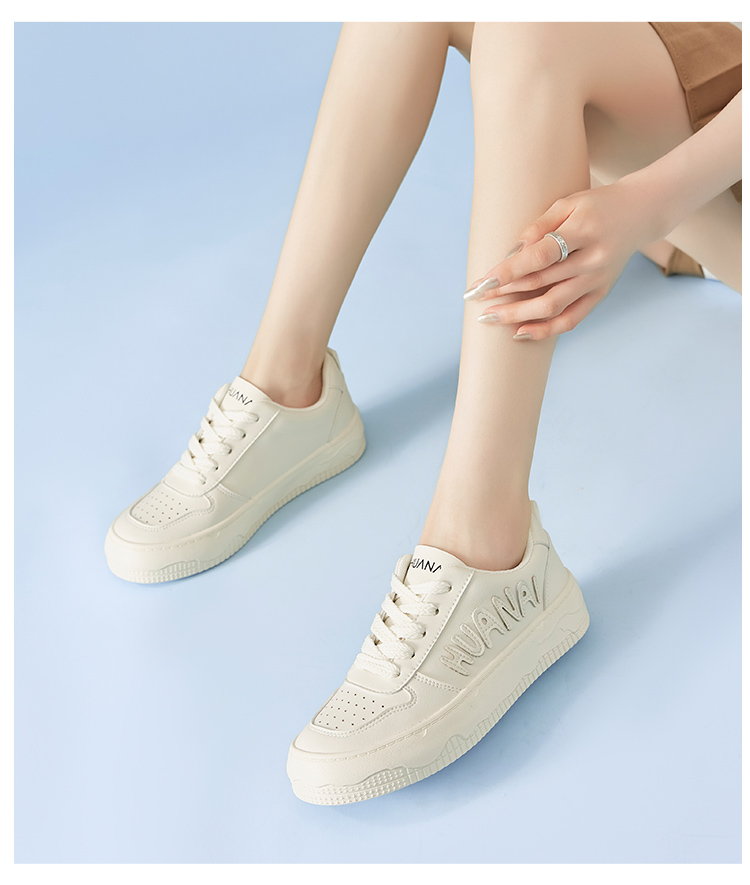
They’re poor for long commutes, wet pavements, and anything above 3km of walking. That’s not a defect. It’s the design. If your week involves a lot of pavement, the smarter buy is a low-profile sneaker, and a piece on three outfits built around a dark grey sneaker shows how far that can stretch without looking casual.
So the sensible approach is to treat pink flats as a second pair, not the only pair. Keep them for the days when the walk is short and the outfit wants a lighter shoe. If you want one pair that handles a full day, choose something with a rubber sole and a bit more structure, and look through the wider women’s shoe range before settling on a ballet flat.
One last thing to check in the shop: put both shoes on and walk away from the mirror for twenty steps. Mirrors encourage standing still, and standing still is the one thing your feet won’t be doing in these shoes. Pink ballerina shoes for women look lovely from the front. What matters is how they behave from behind.
Worth reading next: a piece on how collar height changes the fit of light pink sneakers, which covers the same colour question with a very different shoe. And if the shape is the appeal rather than the flatness, a low kitten heel in a soft square toe keeps the delicate look with a little more structure under the arch.
For a truly flat alternative with a thicker sole, the flat-bottomed board shoe with a thick sole does the job without the ballet-flat fragility. Less pretty. More useful on a wet Tuesday.
Pink ballerina shoes for women are a good buy when the fit is right and the weather is dry. Get the ten-minute check done before the tags come off, and the pair has a chance of surviving past the second wear.
