

A pair of driver shoes looks like the easiest purchase in the shop. Soft leather, no heel, no laces. Then the first walk to the bus stop takes the nubs off the sole, and the buyer discovers that the shoe was designed for a pedal, not a pavement.
That gap between what the shoe is and where people wear it explains most of the returns in this category. Driver shoes for women have become a fashion item in the last few years, sold next to loafers and worn with wide trousers. The construction hasn’t changed to match.
Most buyers notice the colour first. The sole is what decides whether the pair lasts a season or three.
What a driving sole is actually for
The original design is a moccasin with a rubber pebble sole that wraps up the heel. The nubs grip a pedal, the soft leather lets the foot flex through the ankle, and the low profile keeps the toe from catching under a brake. There’s a short history of the moccasin construction that explains why the upper is stitched rather than glued.
None of that is a walking brief. The pebble sole has roughly a third of the rubber contact area of a flat rubber sole. On carpet and in a car it’s ideal. On asphalt it wears at the outside heel edge, and it wears fast, because the leather is thin and the sole is only a few millimetres thick at the nub tips. The same softness that makes the upper comfortable is what makes it fragile, which is the trade at the centre of every pair in this category.
So the first judgement call is where you’ll wear them. Car, office, restaurant, short walk from a taxi: fine. Forty minutes of pavement each way, five days a week: the sole will be flat by month four.
There’s a middle option. Some pairs now come with a thin rubber outsole bonded under the pebbles, sold as a city version. It adds about 4mm and doubles the lifespan on concrete. It also makes the shoe look slightly more like a loafer, which most people count as an improvement.
Sizing runs large, and the leather keeps giving
Almost every driver shoe runs half a size large. Unlined leather with a soft heel counter has nothing to hold the foot back, so the heel slips and the buyer sizes down. That’s the right move about 70% of the time.
The other 30% is where it goes wrong. A wide forefoot in a sized-down pair presses on the little toe, and soft leather doesn’t push back, it just bulges. The shoe then looks stretched within weeks, which is the one thing that makes a leather shoe look cheap.
What to do instead: try the true size with a thin insole, or the half size down with no insole. Never both. If you’re between sizes and your feet are wide, take the larger size and add a leather insole, because the shoe will mold to the foot within a fortnight and the insole can come out later if it gets tight.
You can speed that molding up. Wear them for twenty minutes at home with a thick sock on each of the first three days. The leather takes the shape of your foot rather than the shape of the box, and you’ll know before the return window closes whether the heel counter is going to sit where you want it.
- Narrow foot: half size down, no insole
- Average foot: half size down, thin insole optional
- Wide foot: true size plus a 3mm leather insole
- High instep: true size, and check the vamp doesn’t press
The instep check matters more than the length. Driver shoes are cut low, and a high instep turns that low cut into a pressure band across the top of the foot. Stand in them for two minutes. If there’s a line on the skin when you take them off, the pair won’t work, no matter how good the leather feels.
Rain, salt and the two-week break-in
Unlined leather absorbs water quickly and dries slowly. One proper soaking leaves a watermark across the toe and stiffens the leather along the flex line. Winter salt is worse, because the salt draws moisture out and leaves a pale crust that cracks.
A protector spray before the first wear buys about two extra minutes in light rain. That’s it. These are not wet-weather shoes, and anyone who says otherwise has never walked through a car park in November in a pair.
Break-in takes about two weeks, mostly at the heel counter and across the vamp. The first three wears should be short, an hour at a time, ideally with a thin sock. Skip that and the heel counter folds in the wrong place and stays folded.
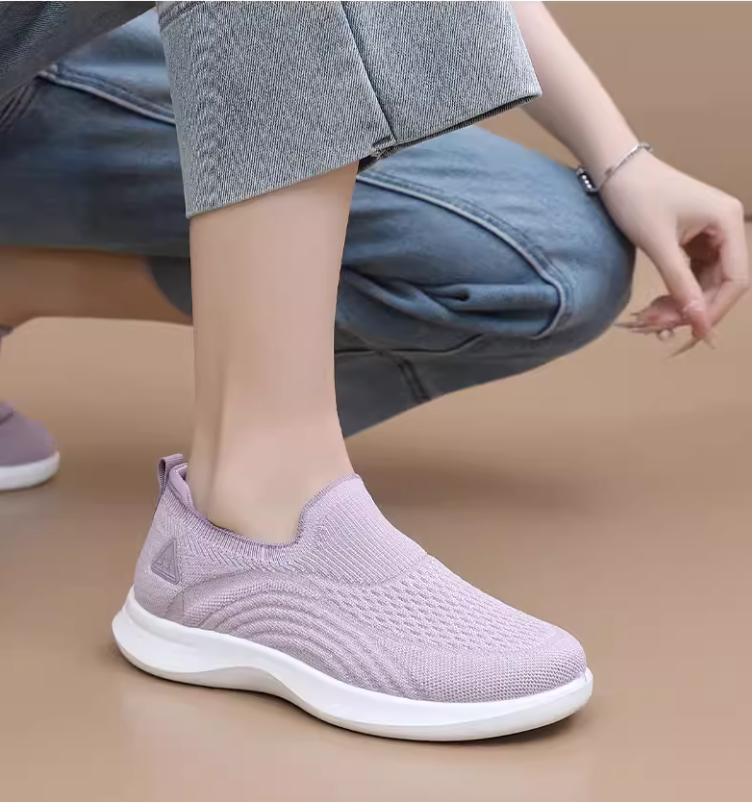
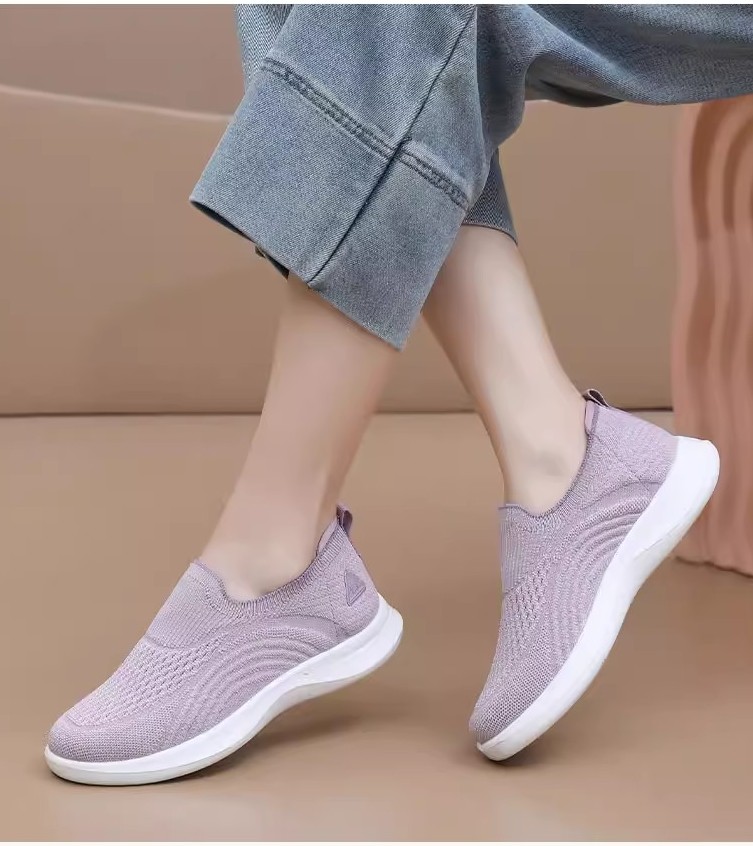
One honest drawback: the soft heel counter means no support at the back of the foot. If you pronate, or if you’ve had plantar pain in the last year, this is the wrong shape. A flat with a firm counter, like these breathable flat casual shoes with a thicker sole, does the same job in an outfit with more structure under the heel.
Before you decide, sit in the car. Press the brake with the right foot in the pair you’re considering and see whether you can feel the pedal through the sole. If the nubs are thick enough that the pedal goes vague, that’s a safety issue, not a style one. The whole point of the design is that you feel what your foot is doing.
Telling a real driving sole from a costume one
Half the pairs sold as driver shoes have a flat rubber sole with a printed pattern. The print looks like pebbles in a product photo and feels like a smooth sheet under a thumb.
Press the sole with a fingernail. Real nubs are separate moulded rubber nodes, usually 3mm to 5mm across, and they deform individually. A printed sole deforms as one flat sheet. Then bend the shoe at the ball of the foot. The nub sole should hinge easily and spring back; a printed sole fights the bend and creases the upper instead.
If you’re shopping online and can’t press anything, look at the side profile photo at the heel. A real wrap sole shows a continuous line from the waist of the shoe up and around the back. Anything that stops short and squares off is a glued flat sole with a pattern on it.
The heel is the other tell. Real driving construction wraps the sole up the back of the heel in one piece. On cheaper pairs there’s a seam where the sole stops and a separate heel panel begins. That seam is the first place water gets in.
Look at the stitching around the toe while you’re there. Hand-stitched moccasin toes have an irregular rhythm that a machine can’t copy. Uniform, perfectly spaced stitches usually mean a glued construction dressed up to look hand-made.
Colour: brown, black, or the tan that matches everything
Brown is the default for a reason. A mid-brown driver shoe hides scuffs on the toe, doesn’t show the crease at the vamp, and works with navy, olive and grey without thinking. Black looks sharper in a shop and duller after a month, because black leather on a soft upper polishes up unevenly and the crease line goes grey.
Tan is the one that catches people out. Unlined tan leather marks on contact with almost everything, including the rubber mat in a car footwell. If you want tan, buy it for a shoe you’ll wear indoors and in dry weather.
There’s a practical trick. Take the shoe to the shop window and hold it against the trousers you wore that day. If the contrast is more than about three shades, the shoe will look disconnected from the outfit. Driver shoes are quiet shoes, and they work when the colour sits close to what’s above them.
One more thing: suede versions look better on day one and worse by week six. Suede on a soft unlined upper collapses rather than creases, and collapsed suede around the toe is almost impossible to bring back. Smooth leather at least has a chance.
Worth knowing where the leather comes from, too. A full-grain hide keeps the outer surface intact, so it flexes without splitting. Corrected grain has the surface sanded flat and stamped, and on a soft shoe that stamping is what cracks first. Hide grading is explained in more detail in this overview of leather production, and the difference is visible on the shelf if you know to look for the grain pattern.
Care: the Monday after a wet weekend
If the shoes got soaked, the damage happens in the drying, not the rain. Stuff them with newspaper, change the paper after two hours, and leave them at room temperature away from any heat source. A radiator will shrink the leather by about half a size and harden it permanently.
Once dry, brush off the salt with a soft brush and a mix of one part white vinegar to three parts water on a cloth. Wipe, don’t scrub. Then condition with a neutral cream, working it in with a finger rather than a cloth so you can feel the leather soften.
For the nub sole, a stiff brush and warm water is enough. Don’t pick at the nubs with a knife; the ones that tear off leave a rough edge that collects grit. If a nub is half-detached, trim it flush with nail scissors and leave it.
How often? A brush every two weeks if you wear them daily, conditioner once a month. That’s five minutes a fortnight to keep a £90 pair looking like a £90 pair for two winters. Skip it and the leather goes matte and grey, and no amount of polish brings the depth back.
What to wear them with, and where they stop working
Driver shoes look best with cropped trousers and bare ankles, which is why they sell well in spring and badly in February. A tapered wool trouser that stops above the ankle, a plain knit, and a soft leather bag: that’s the outfit they were styled for.
They also work with straight-leg jeans if the hem doesn’t pool. A long hem drags over the heel counter and flattens it within a month, and a flattened counter means the shoe starts slipping off.
If your week includes real distance, keep a second pair for those days. A mesh pair like these breathable spring casual walking shoes costs less than a resole and takes the pavement miles so the leather ones don’t have to.
Where they stop working is anything with a hard edge. A sharp tailored suit makes the soft unlined upper look sloppy, because there’s no structure to answer the structure above it. The same applies to a formal coat. If the outfit needs a crease, it needs a firmer shoe.
A plain trouser sock in the same tone as the shoe is a small detail that changes the read. A bright white sport sock next to a brown moccasin makes the shoe look borrowed from someone else’s wardrobe. Oatmeal, navy or a brown within a shade of the leather keeps the line clean, and it stops the collar rubbing in the first fortnight.
For that case, a low block heel in a similar leather does the job without changing the colour story. The women’s shoes collection has several pairs in that mould, and they hold their shape through a full working day in a way an unlined moccasin won’t.
Price is the last filter. Under £40, expect a corrected-grain upper and a printed sole, and expect a season of wear. Between £60 and £110, the leather is usually full-grain and the sole is moulded rubber. Above that, you’re paying for the last shape.
None of this makes driver shoes a bad buy. It makes them a specific buy. Buy them for the car, the desk and the short walk between, size down half unless the forefoot is wide, and keep them out of the rain. Do that and the pair will mold to your foot in two weeks and stay comfortable for two years.
Buy them expecting a walking shoe, and the sole will tell you otherwise by April.
