

You land in Lisbon at eleven at night, sleep in a room the size of a wardrobe, and by nine the next morning you’re standing on pavement that two hundred years of feet have polished smooth. Your suitcase is still zipped. The only decision that matters is what’s on your feet.
Most women pack for the photos and forget the walking. A European city break runs 9,000 to 15,000 steps a day, and a good half of those land on stone rather than asphalt. That’s the part nobody puts in the caption.
Stone changes everything.
What follows is a buying guide built around surfaces. You’ll get the three specs worth checking, notes on four cities that punish the wrong sole, and a packing plan that keeps you under 2kg of shoes for a week. It’s aimed at women’s walking shoes for Europe first and holiday outfits second, because the reverse order is how people end up buying plasters in a pharmacy in Trastevere.
Europe Runs on Pavement You Didn’t Plan For
Old town centres are not built from the smooth grey stuff outside your office. Lisbon’s calçada portuguesa is limestone set by hand in mosaic patterns. Rome’s sampietrini are basalt blocks, roughly 12cm across, laid in curves. Paris mixes granite setts with asphalt patches that have been repaired four times since 1998. Antwerp has brick. Dubrovnik has marble so worn it reflects the streetlights. The technical background on these surfaces is well documented in the history of cobblestone paving.
Here’s what that means physically. A stone street has almost no give. Your foot lands, the shoe takes the load in one spot, and the outsole either grips or slides. On asphalt, a soft midsole can hide a lot of sins. On wet limestone, it can’t hide anything.
So start with the bottom of the shoe, not the top. Press a thumbnail into the outsole at the heel. If it dents like an eraser, the rubber will grip stone well but wear out in about 400km of city walking. If it barely dents, you’ve got a durable compound that will feel skittery on wet polish. You want something in between, plus visible siping: those thin slits cut across the sole that push water sideways.
Check the tread depth too. Two to three millimetres of lug is plenty for a city.
One more thing to test while you’re still in the shop. Put the shoe on a smooth tile floor and twist your forefoot against the ground. If the whole sole moves as one stiff plank, your foot will fight it on uneven setts. A shoe that flexes at the ball of the foot is doing work your calf would otherwise do.
Most women’s walking shoes sold for city travel are built for asphalt and marketed with photos of Mediterranean staircases. That mismatch is the whole problem. A pair that feels plush on a mall floor can feel like a plank on granite setts, and no amount of cushioning marketing fixes the geometry.
Weight distribution matters too. A pair that’s heavy at the heel swings differently than one that’s heavy at the toe, and the heel-heavy version is the one that tires your shins on downhill streets. Pick the shoe up by the middle. If the toe drops fast, it’s front-loaded, which is what you want for walking.
Three Specs Beat the Logo Every Time
Brand recognition tells you almost nothing about how a pair behaves on a 12km day. These three numbers do.
- Outsole hardness. Ask for the Shore A reading, or test it by hand. 55 to 65 is the useful range for city walking. Softer grips more, wears faster.
- Heel-to-toe drop. 6 to 8mm suits most people on flat stone. Zero-drop shoes feel great on trails and beat up your calves on marble.
- Insole thickness. 4 to 6mm, and removable. If it’s glued in, you can’t add support later when your arch starts complaining on day three.
Weight deserves a mention as well. Under 300g per shoe is the line where a pair stops feeling like a burden at hour six. Above 380g, you’ll notice every step after lunch.
If you’re shopping online, the walking shoes category filters by type, but the product pages rarely list outsole hardness. Look for photos of the tread from below. No tread photo is a warning sign.
Fit matters more than any spec sheet. Your feet swell by roughly half a size over a long day of walking and heat, which is why the pair that fits at 8am can pinch at 6pm. Try shoes in the late afternoon, with the socks you’ll actually wear, and leave a thumb’s width at the toe.
Wide feet need a different conversation, and it’s the one most women’s walking shoes get wrong. If the widest part of your foot spills over the sole, no amount of break-in will fix it. Size up only if the length is short, never to buy width. A proper wide fit adds 6 to 8mm across the ball, and you can feel the difference within one block.
Orthotics, Wide Fits, and the 20-Minute Home Test
If you already wear an insert, the shoe has to accommodate it without squeezing your toes. That means a removable insole, a deep heel cup and a little extra volume in the toe box. Pull the factory insole out and drop yours in. If your heel sits higher than the collar of the shoe, the pair will slip and you’ll blame the shoe for something the insert caused.
Wide fits are their own category. A brand’s “wide” is often just a roomier upper on the same sole, which helps a high instep and does nothing for a genuinely broad forefoot. Measure across the ball of your foot at the end of the day, standing up, and compare that number to the sole width listed on the product page. Two millimetres of difference is enough to change how a 12km day feels.
Here’s a test you can run at home in 20 minutes, before you commit to a trip.
- Wear the pair for a full afternoon and cook dinner in them. Standing at a hob for 40 minutes loads the forefoot the way stone pavements do.
- Walk 2km on the roughest pavement near you, then check your heels for hot spots. A hot spot on day one becomes a blister on day four.
- Stand on one leg for 30 seconds with your eyes closed. If you can’t hold it, the heel counter is too soft for cobblestones.
None of this takes special knowledge. It takes one afternoon and the willingness to look slightly odd on your own street.
The reward is a pair you stop thinking about. That’s the actual goal of women’s walking shoes for Europe, and it’s a low bar that most of the market still misses because the photos are shot on studio floors rather than on basalt.
One last measurement to write down before you buy: the length of your longest toe to the end of the insole. Aim for 10mm of clearance, not 5mm. Ten millimetres is the difference between a shoe that works at 6pm and one that leaves you limping to the hotel.
Lisbon and Porto: Limestone That Turns to Ice
Lisbon looks gentle. It isn’t. The polished limestone underfoot is genuinely slippery when dry and close to ice when wet, and the city is built on seven hills that all seem to go up. Add tram tracks and a 1,200-step climb to São Jorge and you have a footwear exam.
What works here is rubber with real siping and a low, wide heel. Thin soles are a mistake, because the setts are uneven enough to bruise the ball of your foot after 6km. Look for a pair with a slightly rockered toe, which keeps you rolling forward instead of catching on raised edges.
A breathable mesh pair like these light spring walking shoes with mesh uppers handles the heat and the 900 metres of daily climbing well, as long as the outsole has tread. The catch is honest: pale mesh collects grey dust fast. By day three in Lisbon, mine looked like they’d been through a building site. They rinsed clean in the sink and dried overnight, so it wasn’t a real problem.
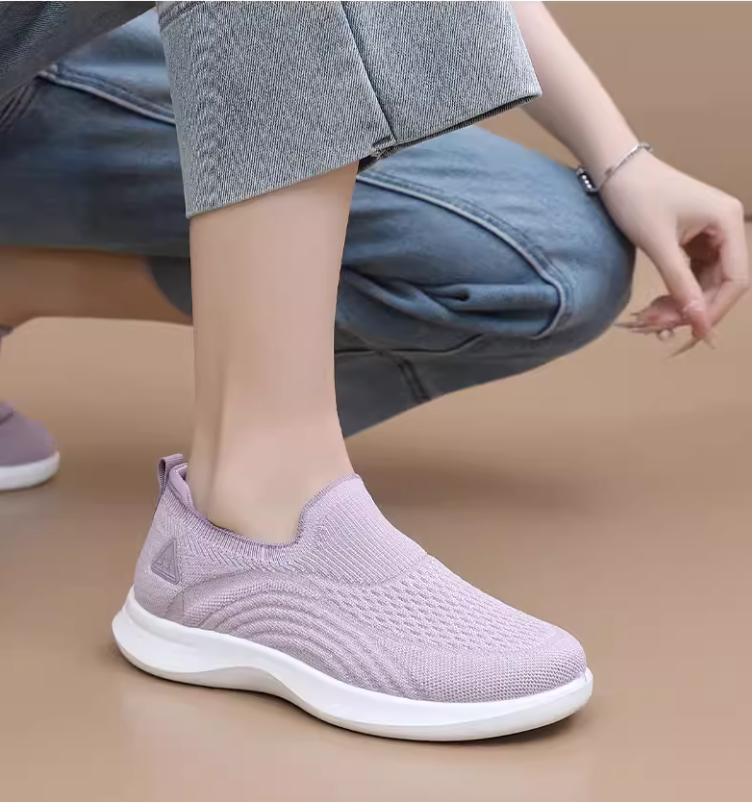
One local note. Locals wear trainers with thick soles and no shame. The people slipping on the miradouro steps are almost always the ones in flat leather sandals with a smooth bottom.
Paris: Stairs, Métro, and 11,000 Steps Before Dinner
Paris is not a cobblestone problem. It’s a staircase problem with cobblestones attached. Abbesses station alone is about 176 steps, and if you’re staying on a fourth floor without a lift, that’s another 80 before breakfast. Multiply by four days and the arithmetic gets ugly.
Weight is the spec that decides your mood here. A 220g pair and a 400g pair feel identical in the shop. By Thursday, they don’t.
Cushioning should be concentrated in the forefoot, because that’s where stairs load you on the way down. Press the ball area with your thumb. You want maybe 15mm of foam that springs back, not a slab that bottoms out.
For a city like this, a light trainer with a shock-absorbing midsole makes more sense than a fashion sneaker with a flat rubber slab. Something like these ultra-light cushioned walking trainers weighs under 250g a shoe and still has enough structure for 15km days.
Do not bring a brand-new pair. Break-in happens in the first 30 to 50km, and that’s exactly the mileage you don’t want to spend on blisters in a hotel room with one plaster left.
If you’re flying in and going straight to dinner, read what nine hours in a plane seat does to your feet before you decide which pair goes in the cabin bag.
Rome: Basalt Setts and the Twelve-Hour Day
Rome is the hardest of the four, and not because of hills. The sampietrini are rounded basalt blocks with gaps between them, which means every step is slightly unpredictable. Twelve hours of that, in 31°C, on a day that starts at the Colosseum and ends at Trastevere, will find every weakness in your setup.
Two adjustments help. First, go up half a size if you’re walking in summer heat. Feet swell, and a shoe that fits at 8am will press on your toes by evening. Second, choose a sole with a bit of thickness under the ball of the foot, because those gaps transmit pressure straight through thin soles.
Arch support is the other variable. Walking on uneven stone for hours loads the plantar fascia more than flat pavement does, and the ache that shows up under the heel on day two is usually a warning rather than an injury. The clinical description of plantar fasciitis is worth ten minutes if you’ve had that pain before.
What I’d skip in Rome: ballet flats, anything with a leather sole, and white canvas. The first two will hurt by the Trevi Fountain, and the third will be grey before lunch.
Copenhagen: Rain, Bikes, and Wet Stone
Copenhagen throws a different problem at you. The city is flat, the distances are short, and the weather changes every 40 minutes. Wet granite setts around Nyhavn are slick, and if you rent a bike in the rain, your feet get soaked from spray rather than from above.
Breathability sounds like the wrong priority in rain. It isn’t. A mesh upper that dries in under an hour beats a waterproof membrane that traps sweat and stays damp for two days. Unless you’re walking through puddles, mesh plus wool socks is the better system.
Grip still matters. Look for a sole with a herringbone or zigzag pattern, which channels water out from under the foot. A flat, smooth outsole on wet granite is a genuine hazard, and Copenhagen’s bike lanes don’t forgive a slide.
A low-profile pair of flat-soled board shoes for everyday city wear works here if the tread is cut deep enough. Pair them with merino socks and you can handle a 12°C morning and an 18°C afternoon without changing anything.
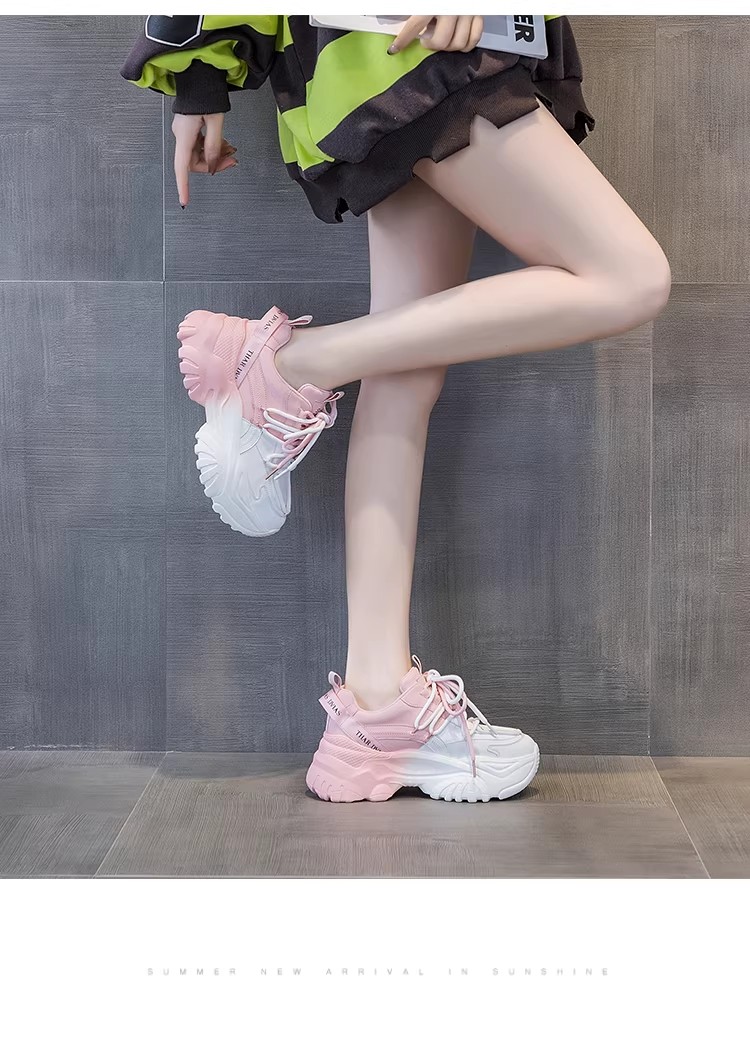
Bring a second pair of socks per day. It sounds excessive until you’ve squelched through Amager in September.
Packing: Three Pairs, Four Cities, Under 2kg
Three pairs is the right number for a week. One on your feet, two in the bag, and every pair has a job.
- The travel pair (280 to 340g each): worn on the plane and for arrival day. Slip-on or elastic lacing, because you’ll take them off at security twice.
- The long-day pair (300 to 350g): the cushioned one for the 15,000-step museum day. This is the pair that saves your knees.
- The evening pair (200 to 260g): something that looks like a shoe rather than a gym accessory. A low wedge or a clean leather sneaker covers dinner without a second bag.
Total weight lands around 1.6kg, which leaves room for the things you’ll actually buy. Pack the heaviest pair in the bag and wear the lightest on travel days.
If you’re tempted by a cheap fourth pair at the airport, run the numbers first. The cost-per-wear maths on sale walking shoes is less flattering than the price tag suggests, especially when the pair only survives one trip.
One rule that has saved me more than any packing cube: never take a shoe on holiday that you haven’t worn for a full working day at home. Eight hours on your feet in your own city tells you more than twenty minutes in a shop.
When the Pretty Pair Wins and Your Feet Pay
There are trips where style legitimately wins. A wedding in Tuscany, a dinner at a place with a dress code, a proposal photo you’ll look at for forty years. In those cases, take the beautiful pair and a cab.
What doesn’t work is pretending a fashion shoe is a walking shoe. A 6mm leather sole on limestone has no grip, no cushioning and no forgiveness. Ballet flats with an elastic top will rub your heel raw by the second afternoon. And a platform that looks stable in the mirror can roll your ankle on a single uneven sett.
My rule for the borderline cases: if you can’t walk 2km in it on flat ground without thinking about your feet, it doesn’t go in the suitcase. Not for the flight, not for the “just in case” evening.
Buy the walking pair first. Then decide what the photographs need.
What to Do on Day One in a New City
Even a well-chosen pair needs a soft landing. The first day is where most foot problems start, and it’s almost always a mileage decision rather than a shoe decision.
Cap day one at 8,000 steps. That’s roughly two hours of unhurried walking with coffee stops, which is enough to find out where the shoe rubs without wrecking your week. Check your heels and the tops of your toes when you sit down for lunch. Any redness that doesn’t fade within ten minutes means the pair needs a thin sock or a different lace tension tomorrow.
Lacing is the free adjustment nobody uses. If your heel lifts, tighten the top two eyelets and use a heel-lock loop. If the top of your foot aches, skip the highest eyelet entirely and lace straight across instead of criss-cross. Both fixes take 30 seconds and cost nothing.
Rotate pairs daily as well. Foam needs about 24 hours to recover from a full day of load, and alternating two pairs genuinely extends their life. It also gives damp shoes time to dry, which matters in Copenhagen and matters more in November.
And carry plasters before you need them. Two in the wallet, one in the hotel room. It’s a small insurance policy against the kind of afternoon where every step becomes a negotiation.
