

Six hours into a flight, the pair that fitted perfectly at the gate starts to feel tight across the top of the foot. By the time the seatbelt sign comes off, the laces have been loosened twice and the heel is moving.
That isn’t the shoe changing. It’s the foot. Sitting for hours with your legs down moves fluid into the feet, and cabin pressure adds its own small contribution. The shoe you bought for a 6,000-step day in your own city is suddenly being asked to accommodate a foot that no longer exists.
Travel is the hardest test a walking shoe faces, and most pairs get bought for the wrong moment of the trip. Here’s the pattern that shows up again and again in travel wardrobes, plus what to check before you pack.
The plane seat changes the fit before you walk anywhere
Blood pools in the lower legs when you sit still for hours, and the effect is stronger in the air than on a train because of the dry cabin air and the pressure. In practice, a foot can gain the equivalent of half a size in volume over a long flight, mostly across the instep and around the ankle.
That’s why the tie-on test at the airport is misleading. A shoe that feels snug at 7am will feel tight at hour five. Not painful, usually. Just tight enough that you want it off, and taking shoes off on a plane is its own small negotiation.
What to look for in a pair of stylish walking shoes that has to survive this:
- Laces, not elastic. You need to open the shoe by 5mm without taking it off. Slip-ons with a fixed gusset can’t do that.
- A soft upper over the instep. If a stiff panel runs across the top of the foot, that’s exactly where the pressure lands when the foot swells.
- Room at the toe. A thumb’s width, ideally 12mm. Swelling pushes the foot forward, and the toes take the hit first.
- A cushioned but not spongy midsole. Too soft and the foot spreads sideways under load. Too firm and the heel takes every landing on stone.
Socks matter as much as the shoe. A thin merino sock moves moisture and stops the foot sliding, and it takes up less room than a cotton athletic sock. Over nine hours, that difference is the difference between a shoe that still fits at landing and one that doesn’t.
Compression socks help some people and annoy others. The evidence on swelling is reasonable, and the general mechanism behind swelling explains why sitting still makes it worse. If you’ve never worn them, test a pair on a four-hour train before committing to a long-haul flight.
There’s also a mid-flight routine that costs nothing. Take the shoes off for twenty minutes somewhere over the middle of the flight, then put them back on before landing. Walking to the back of the cabin twice does more for the swelling than any product, and it’s the one thing that reliably makes the last hour comfortable.
If you can’t face taking them off, loosen the laces to the second eyelet and slide your heel back into the counter every hour or so. Small movements keep the fluid from settling.
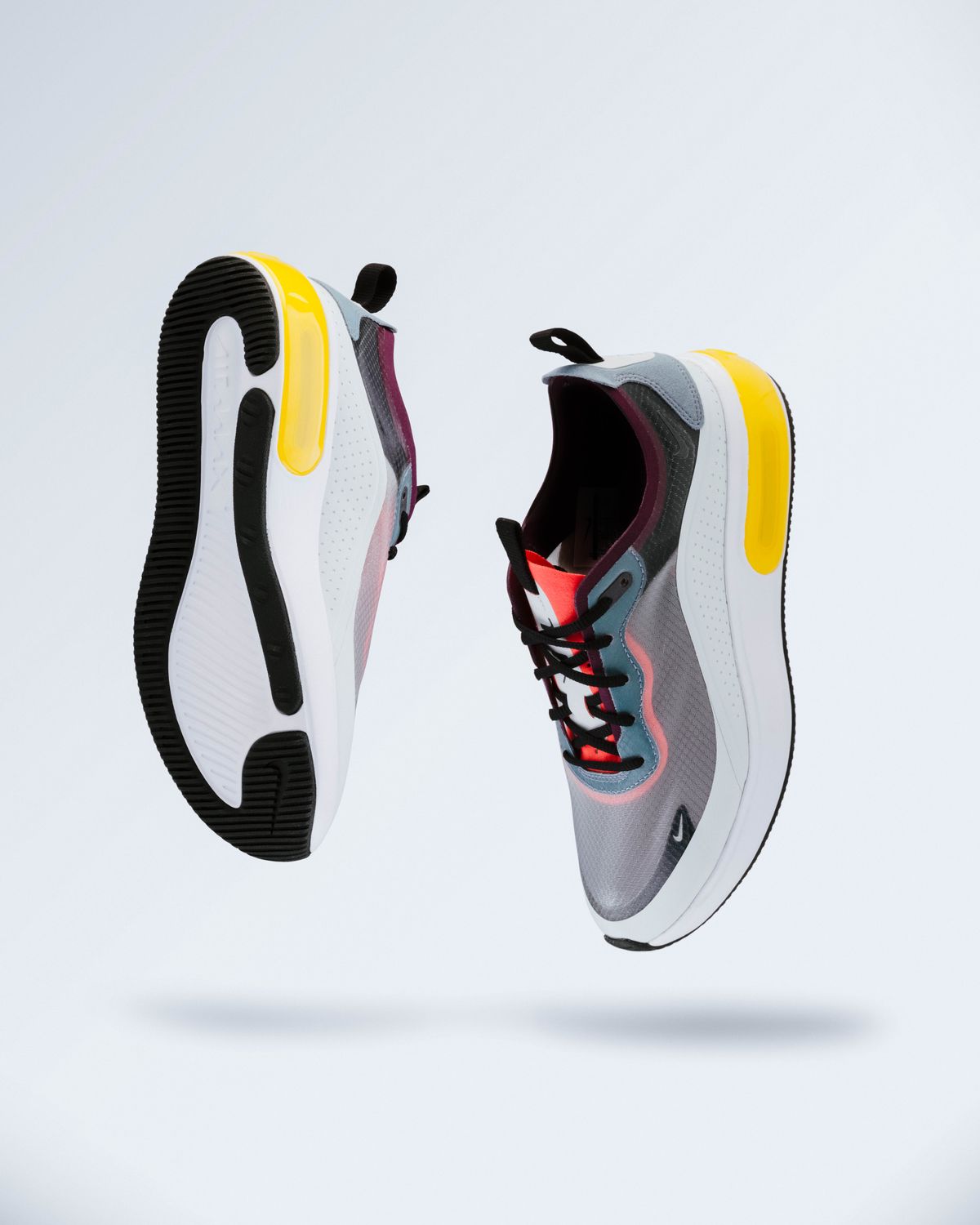
What “stylish” costs you, and where to pay it
Every travel shoe is a negotiation between three things: how it looks with the clothes in your bag, how it feels at step 18,000, and how much space it takes. You can have two of the three comfortably. Getting all three costs more money or a compromise somewhere subtle.
Style in a walking shoe usually comes from a lower profile, a leather or suede upper, and a slimmer sole. Each one has a price.
The lower profile takes cushioning out of the midsole. Fine on pavement, unforgiving on cobbles, because there’s less material to spread the point load of a stone edge.
Leather and suede look better with a dress and a coat. They also breathe worse than mesh, which on a hot trip means warmer feet and more swelling, which is the problem you just read about.
A slimmer sole means less grip on wet stone. This is the compromise people regret most, usually on a rainy afternoon in a city with polished pavements.
Spend the money on the midsole compound and the outsole pattern. Those are invisible and they’re what you feel at hour six. A plain leather upper on a well-built sole will look better and walk better than a technical-looking shoe with a bad outsole.
The best stylish walking shoes for travel handle the compromise well and tend to look like a plain low sneaker in a dark leather, with about 25mm of sole at the heel and a fine, grippy tread. The leather sports pair sits in that category: simple enough for a restaurant, structured enough for a full day.
What doesn’t work is the “travel shoe” sold as everything at once. Folding flats have almost no midsole. Technical hiking sneakers look wrong in every city photo. No single pair does a mountain trail and a nice dinner, whatever the marketing says.
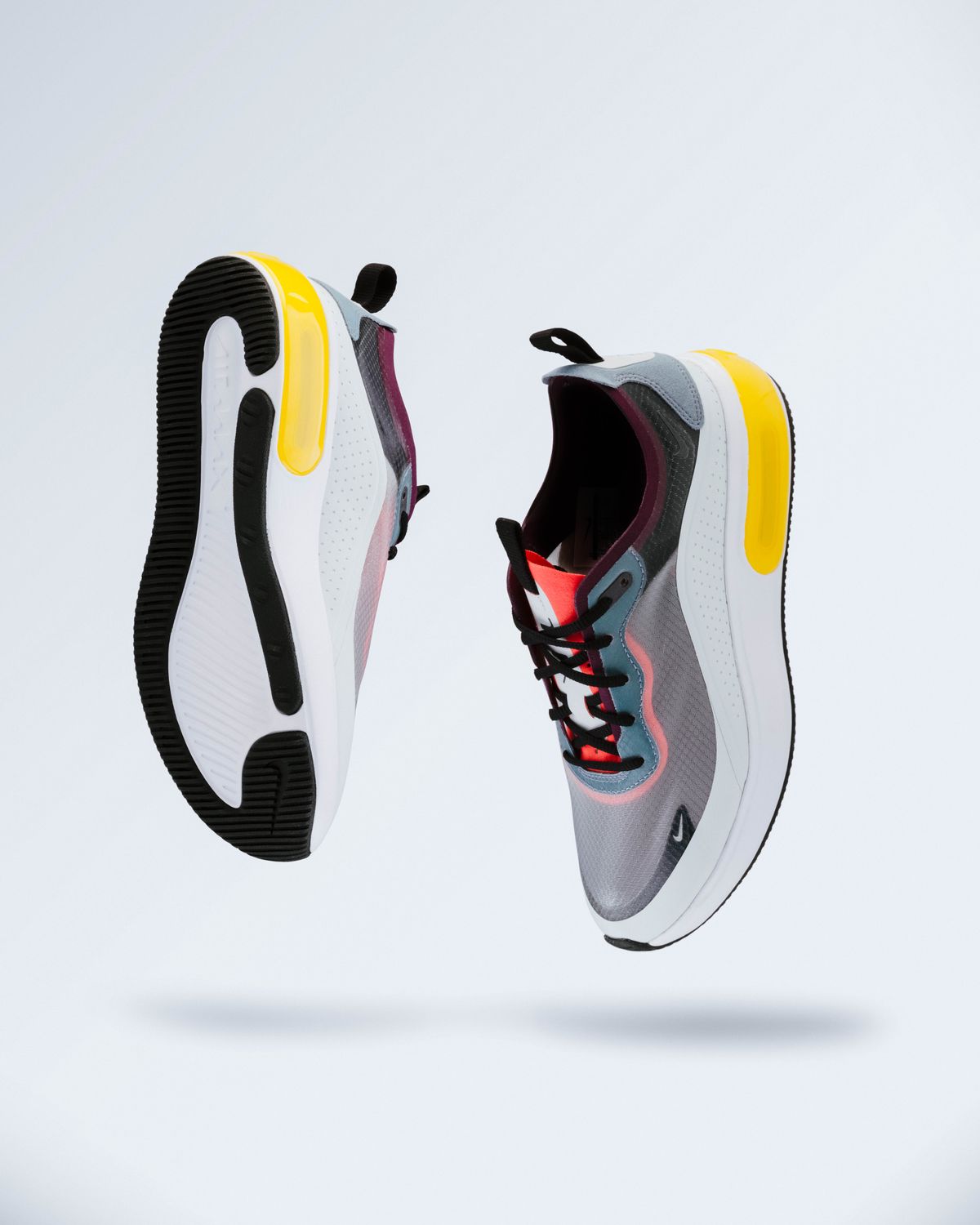
Three pairs is one pair too many
The packing mistake that causes trouble isn’t overpacking in general. It’s packing three pairs that each do half a job: a comfortable pair for the flight, a nicer pair for dinners, and a pair for walking. That’s 1.8kg of luggage and three sets of compromises.
A better structure for a week away:
- One walking pair, worn on the plane and for the long days. Dark enough to pass at a casual dinner.
- One flat, packable pair for evenings and for the day your feet need a break. Thin sole, minimal structure, under 300g.
- Nothing else. If the trip has a dress code, that’s a different bag, not a third pair of walking shoes.
The flat pair earns its place because feet recover. Wearing the same shoe for eight days compresses the same spots, and moving the pressure points does more than any insole. Two pairs alternated genuinely beat one expensive pair worn continuously.
What about hotel slippers and a gym pair? Most city trips need neither. The gym pair is the classic thing people pack and never use.
Weight is worth counting. A women’s walking shoe runs 250g to 350g per shoe. Two pairs is roughly 1.2kg, a third of a carry-on allowance on some airlines. That’s the real cost of the third pair.
There’s a second reason to travel with two pairs rather than one: weather. Leather that’s soaked through on Tuesday is still damp on Thursday if you only have one pair, and wet leather stretches into the shape of your foot and stays there. Two pairs means one can dry while you’re out in the other.
The colour question, and what photographs badly
Photographs are where stylish walking shoes for travel get judged, and the rules are different from the ones you use at home.
All white shows every scuff by day three, and city dirt is grey rather than brown, so the marks read as smudges in every picture. A cream or off-white pair survives far better, because the dirt sits closer to the base colour.
All black disappears. It photographs as a shape rather than a shoe, which is fine for a city break and less good if you want the outfit to look considered. Black also shows dust more than people expect, especially on suede.
Mid-tones are the safe zone. Tan, taupe, olive, navy and oxblood all take a scuff without announcing it, and they pair with the three or four outfits most people actually pack.
- If you’re packing denim and knitwear, tan or taupe is the easiest match.
- If you’re packing black and navy tailoring, oxblood or dark brown reads deliberate rather than accidental.
- If you’re packing pale linen and cotton, cream beats white, because it doesn’t glare in midday sun.
There’s a practical test for this in the shop, and it takes ten seconds. Hold the shoe next to your forearm in daylight. If the tone makes your skin look grey, it will do the same in photographs. If it makes your skin look warmer, it will work.
One colour to avoid for travel specifically: pale grey suede. It looks wonderful on day one and looks like a dishcloth by day four, and no brush fixes the nap once it’s been wet and dried twice.
Also worth thinking about is the sole edge. A white midsole makes a dark upper look sporty and a pale upper look fresh. A gum or black midsole reads dressier and hides street dirt. If you only have room for one pair, a dark upper with a gum sole is the combination that survives both a museum and a casual dinner.
Cobblestones, stairs and the 20,000-step day
European city days are not evenly paved. A normal day in Lisbon or Rome can be 18,000 steps with 40 flights of stairs, half of it on stone polished by two centuries of feet.
Three things matter more than cushioning on that kind of day.
Grip on wet stone. Look at the tread in the shop. Small, closely spaced lugs in a soft rubber compound grip wet granite. Big hard blocks slide. If the sole feels like hard plastic under your thumbnail, it will slide.
Heel stability. Stairs punish a soft heel counter. If the back of the shoe collapses when you press it with a thumb, the heel will roll on every step down.
Forefoot flexibility. Stone streets are uneven, and a shoe that can’t flex at the ball makes your toes work overtime to stay in contact. Bend it in your hands. It should fold at the ball, not the middle.
Here’s the counterintuitive part. A heavily cushioned shoe is often worse on cobbles than a firmer one. Soft foam compresses unevenly over a stone edge and rolls the ankle. A firmer midsole spreads the load and keeps the ankle stacked over the knee.
That’s why trail shoes have firmer midsoles than road shoes despite being used on harder ground. There’s a decent summary of the construction differences that applies directly to travel walking.
For days that mix pavement and stone, the flat-soled board shoes hold up better than their look suggests, mainly because the platform is wide and the sole is dense rather than soft.
Stairs deserve their own note, because they’re where most travel foot pain starts. Going up is a calf exercise; going down is where the forefoot and the toenails suffer. If your toes touch the front of the shoe on the flat, they’ll jam on every descent, and by the end of a day in a hill town you’ll have bruised nails and no idea why.
The fix is the thumb’s width again, plus lacing that holds the foot back into the heel. Lace the top two eyelets tighter than the rest and the foot stays where it should. It’s a small adjustment that changes how a 40-flight staircase day feels.
One thing that surprises people: the days that hurt most are rarely the 20,000-step ones. They’re the days with a lot of standing. A museum morning is harder on the feet than a long walk, because the same spot under the heel takes load without any movement to redistribute it.
If a trip includes long museum days, look for a shoe with a slightly wider platform at the heel and a removable insole you can swap for something softer in the evening. It’s not glamorous advice, but it’s the difference between enjoying the last three days and counting down to the flight home.
Security queues, rain and the insole nobody thinks about
The boring details decide whether a pair of walking shoes for travel is actually usable.
Airport security. In most airports you’ll be asked to take shoes off, so a pair that slips on and off without untying is worth something. Elastic laces solve that and also handle swelling, because they give as the foot expands. The catch is you can’t tighten them for a long downhill walk.
Packing shape. Shoes go at the bottom of the bag, heels into the corners, socks stuffed inside. A stiff heel counter holds its shape in transit. A soft one arrives creased and never quite recovers.
Rain. Leather takes a shower and looks worse afterwards. Mesh dries fast and lets water straight through. Suede is the worst of both if you’re caught out. If the forecast is mixed, coated leather or a water-repellent synthetic is the practical pick, and a small tin of wax weighs nothing.
Day two. Whatever you wear on the plane is what you’ll reach for on day two, because it’s already moulded to your foot. So the walking pair goes on the plane, not in the bag.
The most-missed detail is the insole. A removable one dries overnight. A glued one stays damp for two days after a rainy afternoon, and on a week-long trip with a single pair that matters more than the colour does.
The 8km test you can run before you leave
Two weeks before the trip, put the pair on and walk 8km on pavement. Not a stroll. A proper walk, in the socks you’ll travel in, at the time of day you’d normally be out.
Then check four things when you get home:
- Where the pressure was. A spot that’s still sore an hour later becomes a blister on day three.
- Whether the heel slipped. A heel that moves 3mm over 8km moves a lot more over 20,000 steps.
- How the sole looks. Fresh scuffing on one edge tells you how you load the shoe, and whether it will wear unevenly.
- Whether they still feel good at the end. That’s the only question that matters. Comfortable for 5km and miserable at 8km makes it a 5km shoe.
If the test goes badly, change the pair at home rather than in a hotel room. If you’re choosing between two, take the one that felt better at kilometre seven, not the one that looked better in the mirror.
One more thing worth doing: wear them for a full day of ordinary life, including a supermarket run and a few flights of stairs, before they go in the bag. Ten hours of real use tells you more than thirty minutes in a shop.
For the fit questions that come up alongside travel, the notes on where the extra width goes and on walking with a rolling foot cover the parts travel articles usually skip. The rest of the walking shoes range is worth a look once you know your own numbers.
Pack the pair that still fits at hour six. Style is a filter you apply after the fit, never instead of it.
And if you only take one thing from all of this: walk 8km in the shoes before they go in the bag. Nine out of ten travel shoe disasters are visible at kilometre six, at home, with the receipt still in the box.
