

You land in Lisbon at 9am, drop the bag, and walk 14km before dinner because everything is uphill and everything looks like a photo. By day two your right heel has a blister the size of a coin, and the shoes you packed because they were “comfortable at home” are now the heaviest thing in your suitcase.
That’s the trip I’m writing for. Walking shoes for Europe are a different problem from walking shoes for your neighbourhood, because the surface is stone, the distances are bigger than you planned, and you only get one chance to pack right. The short answer: bring one broken-in pair with a grippy rubber outsole and a second lighter pair for dinners, and skip everything else.
Here’s what actually matters, in the order it’ll ruin your trip if you get it wrong.
Cobblestones are a grip problem, not a cushion problem
Most people solve for softness and end up sliding. Polished granite setts, the rounded stones in old town centres, give you maybe 40% of the contact area of flat pavement, and when they’re wet they behave like a wet bowling lane. A thick soft midsole makes it worse, because soft foam rolls over the stone edges instead of biting.
What you want is a rubber outsole with a real tread pattern, at least 3mm deep, and a compound that feels slightly tacky when you press a fingernail into it. Hard shiny rubber, the kind on fashion sneakers, is the enemy. The history of cobblestone paving explains why these surfaces survived so long, but it doesn’t mention that they were designed for hooves and cart wheels, not for a 60kg person in flat-soled trainers.
Test your pair before you go: stand on a wet bathroom tile in them and try to push your foot forward. If it slides easily, those aren’t the shoes for a hill town in the rain.
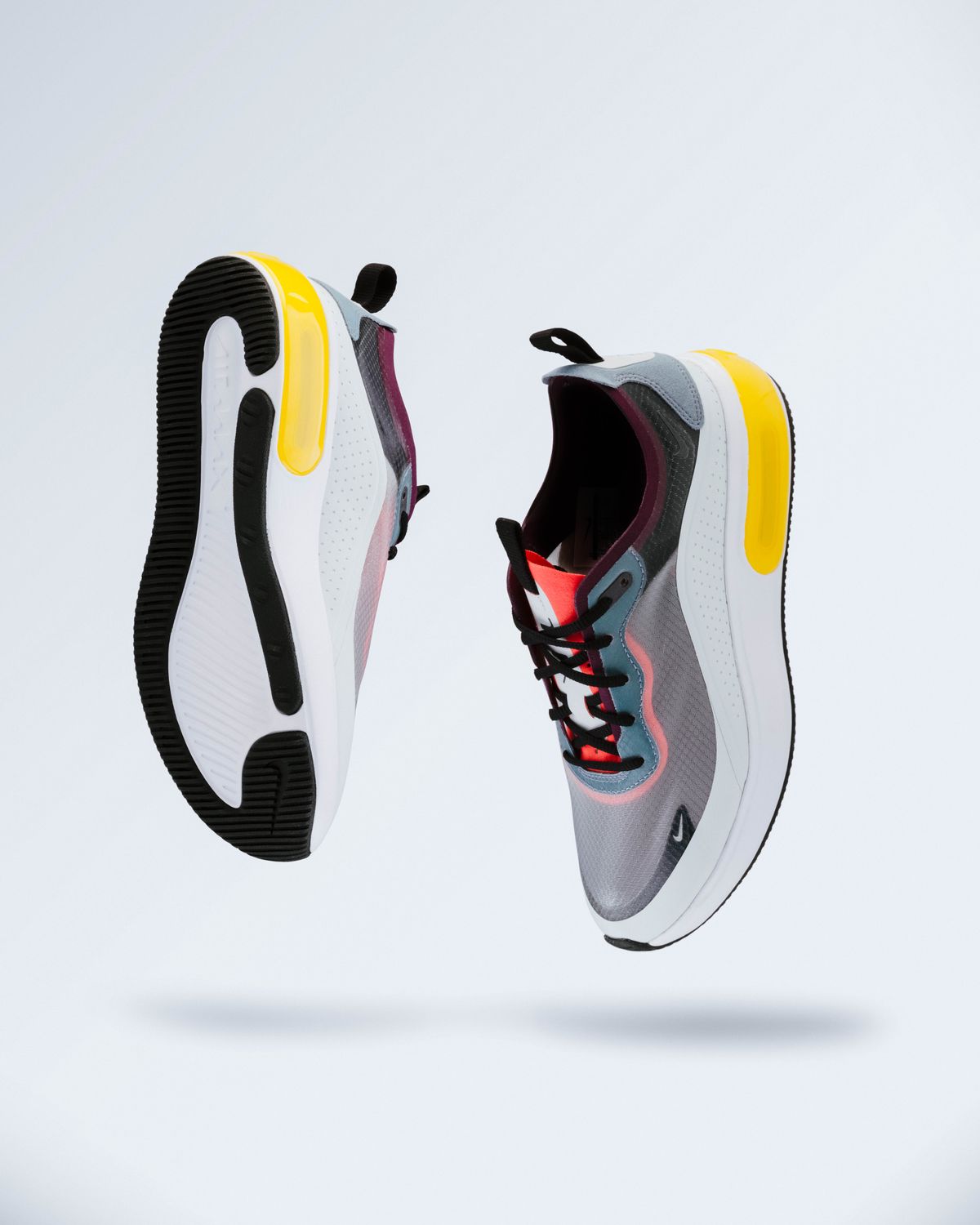
Ankle stability matters too, and this is where a lot of women’s walking shoes get it wrong. A higher stack height, anything over 30mm, puts your ankle further from the ground and makes a rolled ankle more likely on uneven stone. Something in the 18-25mm range keeps you low and connected. You don’t need a hiking boot. You need a sole that doesn’t fight the ground.
One more detail: heel shape. A flared, squared heel edge catches on stone gaps and stops a slip. A rounded, tapered heel looks sleek and gives you nothing to brace against. Check the side profile before you buy.
The EU size trap: your US 7.5 is not an EU 38
European sizing isn’t a conversion, it’s a different measurement system built on a different last. A US 7.5 usually maps to an EU 38, but plenty of European brands run a full size small, and the same number from two brands can differ by 8mm in length. If you buy online before the trip, order two sizes and return one.
Do the math with a ruler instead of a chart. Measure your foot length in millimeters, standing, heel against a wall, at the end of the day. Then look for the brand’s internal length, usually listed as “last length” or “inner length” on European product pages. Add 10mm for toe room when walking, since your foot slides forward on descents. If a size chart only gives US/EU numbers with no millimeters, treat it as a guess.
Width is the part nobody converts. European lasts tend to be narrower through the forefoot than American ones, which is why so many women buy their normal size in a Spanish or Italian brand and find their little toe numb by lunchtime. If you know you’re a wide fit, look for brands that publish width letters or offer a wide version, and don’t assume “leather will stretch” will save you. It stretches about 2mm across the ball, not 8mm.
Do this fitting at home, at 6pm, after a walk. Feet swell by up to half a size during the day, and a shoe that fits at 8am will pinch at 6pm on your fourth day of sightseeing. Try them with the socks you’ll actually pack, which for most people means a thin merino blend rather than thick cotton.
And if you’re between sizes, take the larger one. You can always add a thin insole. You can’t add toe room.
What 20,000 steps does to a shoe by day four
A typical city break runs 15,000 to 25,000 steps a day, which is roughly 10 to 18km, and most of it comes in bursts with long standing breaks in museums. That pattern is harder on shoes than a steady 10km walk, because the foam doesn’t get a rhythm and your feet stay compressed while you stand.
By day four, a cheap EVA midsole has usually packed down in the heel by 2-3mm. You won’t see it. You’ll feel it as a dull ache under the arch at 4pm. Leather uppers, meanwhile, have molded nicely, which is why day four often feels better than day one for the upper and worse for the sole.
Two things help:
- Rotate between two pairs, even if the second is a light canvas sneaker, so each midsole gets 24 hours to recover
- Pack a pair of thin insoles with a bit of arch support, about 4mm thick, to swap in on day four when the original insole flattens
- Take the shoes off for ten minutes at lunch, which sounds fussy and genuinely helps with swelling
You can also plan your days. Museum afternoons are standing, not walking, so wear the pair with more cushioning then and save the firmer pair for the cobblestone morning. The WHO guidance on physical activity recommends 150 minutes of moderate activity a week for adults, which a city break blows past in two days, so treat the trip as a training load rather than a stroll.
If you already walk 8,000 steps a day at home, the jump to 22,000 is a 175% increase and your feet will notice. Build up for two weeks before you fly, even just by taking the long route home. It’s the cheapest travel insurance there is.
Pack one pair, then talk yourself into the second
The one-pair plan is tempting and it works if you’re going for four days in one city. For a ten-day trip across three cities, one pair means wet shoes on day six with no backup, and leather takes a full day to dry. Bring two: a walking pair and a lighter pair for evenings.
Weight adds up fast. A pair of leather walkers runs 600-700g total, a canvas sneaker about 400g. That’s a kilo of your carry-on allowance for shoes, which is fine if you leave the third pair at home. Nobody on a European trip needs three pairs. I’ve tried. The third pair comes back unworn and slightly creased.
Pack the heavier pair on your feet for the flight, which saves luggage weight and keeps your feet from swelling in a compressed cabin. Wear the thinner socks, since cabin air is dry and thick wool gets uncomfortable at altitude.
For the second pair, pick something flat and packable that still looks intentional at dinner. A low-profile leather sneaker works, and something like this soft leather sneaker with a broken-in feel packs flat without collapsing at the heel. If you’d rather have one pair that handles both jobs, a breathable mesh walking pair dries fast after rain and weighs almost nothing, though it looks casual in a nice restaurant.
Bring one pair of shoes you can walk 5km in, and one you can stand in for an hour. That’s the whole packing rule.
Rain in October, heat in June: same pair or not
Season changes the answer more than most packing lists admit. In June, Rome runs 32°C and leather becomes a sauna by 2pm. In October, Prague is 9°C with drizzle, and mesh sneakers soak through in four minutes.
For warm-weather trips, look for a leather upper with perforations or a knit panel, and a removable insole you can dry overnight. Cotton socks are the worst choice in heat because they hold moisture against the skin; a thin merino or synthetic blend dries faster and smells better after three days.
For cold, wet trips, full-grain leather with a waterproofing spray is the practical answer. Not waterproof boots. Leather walkers with sealed seams and a rubber toe bumper handle wet cobbles and still look fine with trousers. Add a second pair of socks for the evenings and you’re sorted.
Shoulder season, which is when most people actually travel, needs both. A leather pair plus a light packable sneaker covers 10°C mornings and 22°C afternoons without overpacking.
One thing to skip in every season: brand-new shoes. A pair with zero miles on them will find the one seam that rubs your heel and it will find it on the day you walk to a castle on a hill. Break them in for at least 20km at home first. If you can’t, pack blister plasters and accept that day one will be a bit grim.
What I’d leave at home, and why
Chunky platform sneakers. They look great in photos and they’re genuinely dangerous on uneven stone, because a 40mm platform has no feedback from the ground. I watched a woman in Split go down on a set of polished steps in exactly this kind of shoe, and she was fine, but her ankle wasn’t happy for three days.
Ballet flats with a paper-thin sole. They pack to nothing, which is the whole appeal, and after 6,000 steps on stone your heels will feel every joint in the pavement. If you want a flat for dinner, pick one with a 10mm sole and a rubber bottom, not a leather sole.
Strappy sandals for anything involving hills. The straps cut in when your foot slides forward on a descent, and you spend the evening with red lines across your instep. Fine for a beach town. Bad for Lisbon.
Also skip the “travel shoe” that folds in half. A shoe flexible enough to fold into a ball has no structure under the arch, and after two days of stone streets your plantar fascia will let you know. Flexibility at the ball is good. Flexibility in the middle of the shoe is a warning sign.
Honestly, the biggest packing mistake is quantity. Every extra pair costs weight, space, and a decision every morning. Two pairs, both comfortable, one smarter than the other. That’s it.
A 15-minute pre-trip check
Two weeks out, put your walking pair on and do your normal day in them, then a longer walk on the weekend. Check four things when you take them off:
- Any red mark on the heel or the top of your toes, which means a fit issue rather than a break-in issue
- Wear on the outer heel edge, which tells you your gait supinates and you’ll want a slightly firmer heel counter
- Sole tread depth at the heel, since 2mm or less means no grip on wet stone
- Insole compression, which you can feel by pressing the heel pad with a thumb
Then clean them, condition the leather, and spray waterproofing a week before you fly so it has time to cure. Pack a small brush and a cloth. Ten grams of kit saves you from a hotel laundry bill.
If your current pair fails any of those checks, buy now rather than in the airport. Airport shoe shops sell fashion sneakers at three times the price with none of the grip. There are decent low-profile options in the sneakers section that handle both pavement and a dinner table.
Walking shoes for Europe aren’t a special category you have to hunt for. They’re a normal pair with real tread, the right length in millimeters, and enough break-in miles that your feet already know them. Get those three right and the shoes disappear from your trip, which is exactly what you want. The photos are about the city, not your feet.
If you’re still deciding between leather and mesh, read what survives 500 miles of pavement in a leather pair first. It’s the longer version of the same decision, and it’ll save you an hour of scrolling.
