

Four cities, four surfaces, one pair of shoes. That’s the arithmetic behind most Europe itineraries, and it explains why the same shoe that feels wonderful in a mall can feel like a liability on a wet Roman street at seven in the evening.
Walking in Europe is a surface problem before it’s a comfort problem. Asphalt, basalt setts, limestone flags and polished marble all ask different things from an outsole, and most shoppers evaluate shoes on the one surface their local shop happens to have. The result is predictable: a pair that tests well indoors, then meets reality somewhere around day three.
Below is a breakdown of the numbers that predict how a shoe behaves over a 20,000-step day, plus the type comparisons that matter more than brand names. A reader can use it to shortlist best shoes for walking in Europe for women without relying on the adjectives in a product listing.
Surface first: why cobbles change the whole calculation
The stones themselves are not the problem. Cobblestones and setts are usually rounded, slightly domed, and separated by gaps of sand or mortar. A shoe with a stiff, flat outsole bridges those domes and rocks on two contact points at a time. A shoe with a flexible forefoot conforms and spreads the load. Neither is universally better, but the difference is felt in the small muscles of the foot within an hour.
Wet stone adds friction to the list. Polished limestone and granite lose a large share of their grip when damp, and a hard rubber compound with shallow tread is the worst combination available. Soft rubber with thin sipes, the little slits cut into the tread blocks, deforms under pressure and squeezes water out of the contact patch. That’s the mechanism behind every “grippy” claim worth trusting.
There’s also the matter of joint angle. Domed stone tilts the foot laterally, and a shoe with torsional stiffness resists that tilt instead of transmitting it to the ankle. Too much stiffness and the foot can’t adapt; too little and the arch takes the load. The useful middle is a shoe that twists a little and bends at the ball.
The history of cobblestone paving is a side note, but the geometry matters: these surfaces were built for hooves and cartwheels, not for human feet in thin-soled shoes.
Kerbs and stairs deserve their own line. A European city day is full of 15cm drops and short flights of stone steps, and both punish a shoe with a stiff toe and a tall platform. If you’ve ever caught the toe of a chunky sneaker on a kerb and felt your ankle object, that’s the mechanism. A slightly rockered forefoot clears the edge, and a sole that bends where your toes bend lets you push off rather than lift.
Tactile paving strips near crossings are the third surface to watch for. The raised bumps are designed to be felt through a thin sole, which means a heavily cushioned shoe turns them into a low-level irritant after the twentieth crossing. It’s a small thing. On a long day, small things accumulate.
Four numbers that predict a long walking day
Most product pages list materials and colors. Very few list the four figures that actually correlate with how a shoe performs after eight hours.
- Stack height. 20 to 30mm at the heel is the practical range for city walking. Below 15mm, stone edges are felt directly. Above 35mm, stability on uneven ground drops.
- Drop. 6 to 10mm suits most walkers. Flat shoes transfer more load to the calf and Achilles, which is fine after adaptation and miserable without it.
- Weight. Under 300g per shoe is light, 300 to 400g is normal, and over 450g starts to be felt in the last two hours of a day.
- Outsole hardness. Soft compounds grip wet stone better and wear faster. Hard compounds last longer and slide sooner.
If a listing gives none of these, the shoe is probably being sold on appearance. That’s not automatically bad, but it means the buyer is guessing.
One caveat on stack height: the number is measured unloaded, on a bench. Foam compresses under body weight, and a soft 30mm midsole can behave like 25mm once someone is standing in it. A firmer foam at the same nominal height often feels more supportive, which is why height alone doesn’t settle the question.
Outsole hardness is usually quoted as a durometer number in technical specs and ignored by everyone else. As a rough guide, anything in the low 60s grips well and wears quickly, and anything above 70 lasts for years and feels slick when the pavement is wet. If you’re choosing between two otherwise similar pairs for a trip that includes rain, the softer compound is the better bet, even though it will look scuffed by the end of the week.
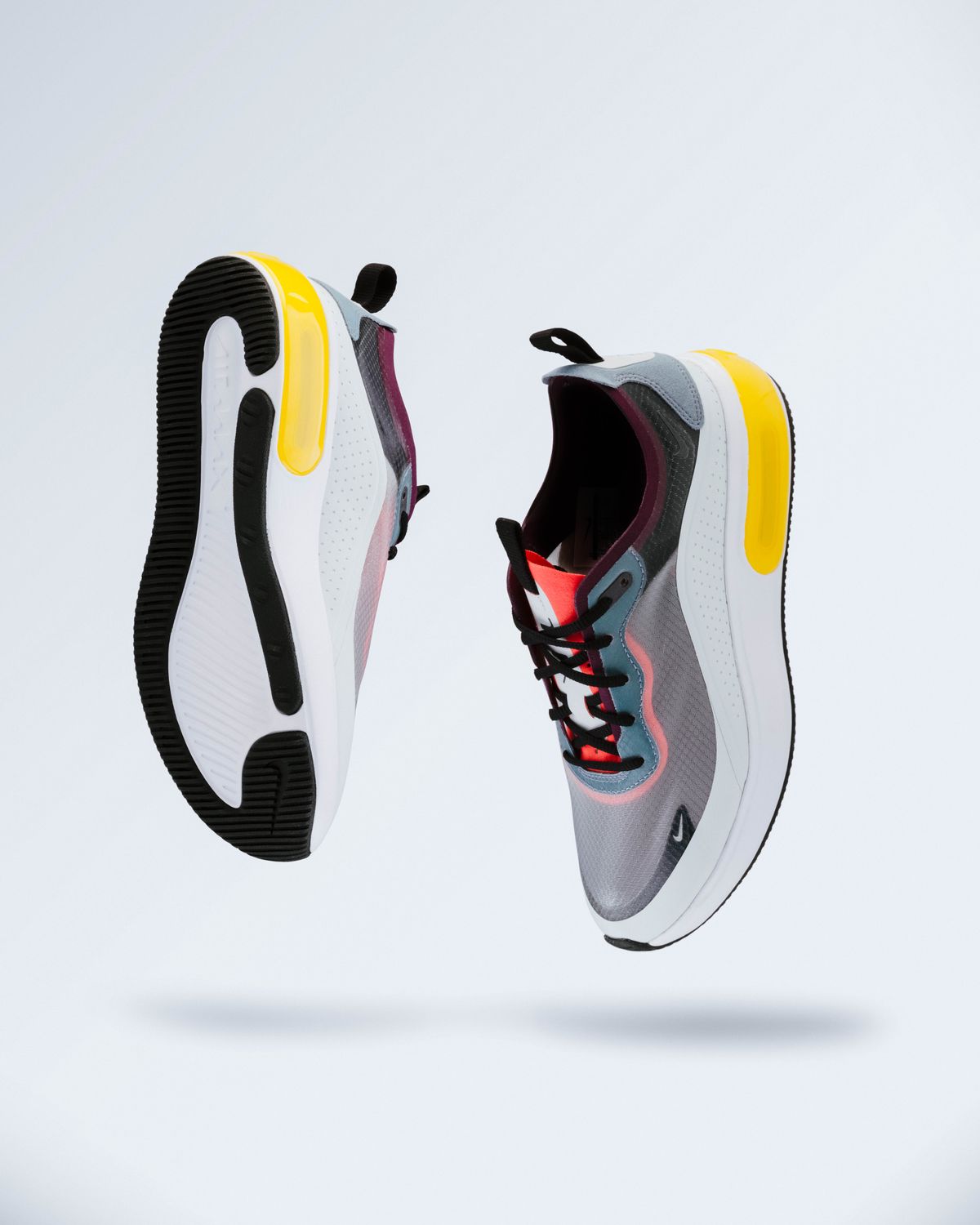
What a 20,000-step day actually does to a shoe
Twenty thousand steps is roughly 14 to 16 kilometers for an average stride, and it’s an ordinary sightseeing day in a compact city. Over that distance, the midsole is loaded and unloaded 20,000 times. Foam fatigues. The insole compresses where the heel lands. The upper flexes at the same crease point several thousand times.
The pattern of failure follows the load. Heel lining wears first because the heel moves inside the shoe more than the rest of the foot does, even in a well-fitted pair. The flex crease across the toe box softens and eventually cracks on coated leathers. The tread wears at the lateral heel edge, because that’s where most walkers land.
That last detail is useful for diagnosis. A shoe worn heavily at the outer heel and barely touched at the inner forefoot suggests a neutral gait with a hard heel strike. A shoe worn through on the inner forefoot suggests pronation, and it’s a hint that the next pair should have more torsional support rather than more cushioning.
Buyers often chase cushioning when the real issue is fit or stability. A soft shoe on a pronating foot feels plush for two hours and then feels like work. The mechanics of human gait explain why: the foot rolls from lateral to medial through stance, and a shoe that resists that roll too much fights the leg above it.
Walking shoes versus trail runners versus sneakers
Three categories dominate the market, and they’re not interchangeable.
Walking shoes are built around a heel strike and a long, flat stance phase. They tend to have a wider base, a firmer midsole, and a tread pattern of shallow lugs. They’re the most forgiving option on pavement and the least exciting to look at.
Trail runners add grip and a rock plate, and they’re lighter than most walking shoes. On cobbles the extra grip helps. The trade-off is a narrower platform and a more aggressive forefoot rocker, which some walkers find unstable on wet stone and stairs.
Fashion sneakers are the wildcard. A flat, vulcanized sole with a thin insole is fine for a museum day and punishing for a 15-kilometer one. Some are genuinely well-built; many are a canvas upper on a slab of rubber. The distinguishing feature is usually the insole, which is either removable and replaceable or glued in and thin.
For a trip that mixes pavement, stone, and the occasional staircase, the walking shoe is the safer default. Trail runners win when the itinerary includes wet weather and rougher ground. Fashion sneakers win on packing volume and outfit flexibility, provided the insole gets swapped.
Sandals, summer, and the limits of open shoes
Summer trips tempt people into sandals, and the results are mixed. A supportive walking sandal with a molded footbed and an adjustable strap system can handle a full day. A flat, thin-soled slide cannot, and the difference shows up as forefoot pain by mid-afternoon because the toes are gripping to keep the shoe on.
The test is simple. Push the sandal forward while holding the heel; if the foot slides, the toes will do the work all day. A strap across the instep and one behind the heel changes that completely.
Open shoes also expose the feet to sun and grit, which sounds trivial until day four of a heatwave. Sunburn on the top of the foot makes every strap hurt. Dust and grit work into the footbed and act like sandpaper on the sole.
Strap placement decides whether a walking sandal works for you. A strap that crosses the highest point of the instep will press on a high-arched foot, and one that sits too low lets the heel slide. Adjustable buckles at both points are worth the extra ten seconds when you put them on. If your foot moves inside the sandal after a hundred steps, it will move more by the end of the day.
Evening is where sandals earn their place. A pair with a low block heel covers dinners without competing with the walking shoes for luggage space, and something like these pointed summer sandals for dinners outdoors packs far flatter than a closed shoe. They’re not day shoes. That’s the point.
The cheap upgrades that outperform a more expensive shoe
Two changes cost less than 30 euro together and reliably improve a walking day.
Insoles. The foam insole that ships with most shoes is a placeholder. A replacement with a firmer heel cup and a thin arch support adds structure where the shoe is softest. It also adds roughly 40g, which is a fair trade. Buy the flat version if the original insole is flat; adding a high arch to a shoe with no arch support creates pressure at the edges.
Trim to fit, then give it a day. Most replacement insoles are sold in whole sizes and need five minutes with scissors at the toe. Cut a little, test, and cut again, because an insole that’s a few millimeters long will curl at the toe and press on your toes with every step. If your current insole lifts out easily, the swap takes under a minute. If it’s glued in, that tells you something about how the shoe was built.
Socks. Cotton holds moisture against the skin and increases friction. A wool blend or a synthetic with a mesh zone moves moisture away and reduces shear. Three pairs, rotated daily, cost less than a single restaurant dinner and change the feel of the same shoe.
Thickness changes fit, so pick a sock and stay with it. A thin liner sock in a shoe fitted with a cushioned crew sock will leave your heel sliding; the reverse will pinch across the instep. If you plan to wear the pair in warm weather, fit them with the thinner sock and add a liner only when the temperature drops.
Lacing is the third free upgrade. A heel-lock pattern, where the lace crosses back through the top eyelets and locks the ankle in, fixes mild heel slip without changing the fit. It takes thirty seconds to learn and solves a problem that otherwise ends in a blister.
None of this rescues a shoe that’s the wrong width. It only helps once the fit is right.
Rain, leather, and drying on the road
Water changes the equation in two ways. It reduces friction on the outsole and it soaks into the upper, adding weight. A leather upper can hold a surprising amount of water, and once wet it takes a day or more to dry in a hotel room.
Treated leather sheds light rain well and stops shedding after a season or two of wear. A spray treatment restores most of that, applied before the trip rather than after. Mesh and knit uppers dry faster and offer no real water resistance; a water-repellent coating helps for about twenty minutes of steady rain.
Waterproof membranes are the third option, and they’re the most misunderstood. They keep water out and they also slow evaporation from inside. In cold weather that’s a good trade. In warm weather it means a damp foot by noon. The honest rule: buy the membrane for winter cities, skip it for summer ones.
Drying technique matters more than drying speed. Pull the insole out, stuff the shoe with newspaper, and change the paper after a couple of hours. Keep the shoe away from direct heat. A radiator will warp a midsole faster than a wet day ever could.
If your shoes are wet and you have an early start, the towel trick beats waiting. Roll a dry towel, push it into the shoe, and stand on it for a minute. Pressure moves water into the fabric far faster than air does, and a dry insole by morning prevents the damp-foot friction that causes most blisters on a rainy trip.
When a pair is finished, and what to buy next
Most walking shoes are retired too late. The signal isn’t a hole in the tread, it’s the midsole going flat while the outsole still looks fine. If the shoe that felt supportive six months ago now feels thin under the heel, the foam has compressed and the cushioning is gone even though nothing is visibly broken.
A second signal is uneven tread wear. Wear concentrated at the outer heel with almost nothing at the inner forefoot is normal. Wear that’s dramatically asymmetric between the two shoes usually points to a gait pattern worth mentioning to a physiotherapist rather than a shoe salesperson.
Third, the upper. Once the lining at the heel has worn through to the counter, patches help for a week and then fail. At that point the shoe is done, whatever the tread says.
Replacement logic should follow use. A daily commuter shoe gets 500 to 800 kilometers before the foam is spent, which for most people is a year of normal wear. A travel pair used two weeks a year lasts several seasons because the midsole isn’t being loaded every day.
If you’re unsure whether your current pair is finished, try this. Wear them for a two-hour walk on pavement, then put on a new pair for the same route a week later. Most people notice the difference in the heel within ten minutes, and that’s your answer. Foam doesn’t announce its retirement. It just stops doing the job.
For readers who already know their feet need extra width or arch support, it’s worth starting from a fit-led list rather than a style-led one. This guide to walking shoes for plantar fasciitis covers the fit checks in more detail, and the all-day walking category is a reasonable place to compare options by weight.
One last observation from watching how these trips actually go. The people who walk the most comfortably are rarely the ones who spent the most. They’re the ones who picked a shoe for the surface they’d be standing on, replaced the insole, and brought two pairs so nothing had to dry overnight. That’s a boring answer, and it works.
If the itinerary includes four days and 60,000 steps, the packing notes from a four-day carry-on trip are a useful sanity check before buying. And for evenings, a pair like these low thick-heel shoes for dinners after a long day takes up less room than a second walking shoe and still looks like a decision rather than a compromise.
Four cities, four surfaces, two pairs. The math is not complicated, and it leaves more room in the bag for the things people actually regret not packing.
If you take one thing from all of this, take the surface test. Walk your shortlist on wet stone before you commit, because that’s the condition your trip will actually meet.
