

It’s 3:20 on a Thursday. You’ve been in the same building since 8:50, mostly sitting, and the shoes that were supposed to solve everything are pressing on the outside of your little toe. They looked sharp in the shop. In the office corridor they pass. On your feet, by mid-afternoon, they don’t.
That’s the pattern that comes back most often with sneakers that look like dress shoes. The look works. The fit is where it falls apart, and usually for a reason you can spot in the shop if you know where to look.
Here’s the short version: a dress sneaker passes at three metres if the sole sidewall is under 20 mm, the upper is smooth leather without visible mesh or logos, and the toe is rounded rather than bulbous. It fails as a shoe for a full workday if the ball of the foot has less than 5 mm of extra room and the insole isn’t removable. Buy for the second list, not the first.
What “looks like a dress shoe” means at three metres
Nobody in an office studies your shoes from 40 cm away. They see you walking past a desk, standing at a whiteboard, sitting across a table. At that distance, three things register and everything else is detail.
- The sole edge. A thick, pale, sculpted midsole reads “sports shoe” instantly. A thin, dark sidewall reads dress shoe.
- The upper surface. Smooth or lightly grained leather. Mesh panels, reflective strips, and contrast stitching all break the illusion.
- The silhouette at the toe. Low profile, rounded, no upward curl. A pronounced toe spring is the biggest giveaway, and it’s usually what makes a pair look like a running shoe wearing a jacket.
Sit down at a table and the rules change. Then people see the top of the shoe, the lacing, and the tongue. A visible logo on the tongue is fine in most workplaces and fatal in a few. Elastic laces are comfortable and read casual at close range.
The trick to buying well is to check the shoe on a table at eye level rather than on your foot in a mirror. On the foot, the angle flatters everything. On a table, the proportions are honest.
One more perception note: colour does more work than shape. Black and dark brown hide a chunky sole; white and cream exaggerate it. If you want the dress-shoe read with a comfortable sole, go dark and nobody will look twice.
Photographs lie in a specific way. A phone camera held at chest height makes the sole look thinner and the toe longer. Before you trust a product shot, find one taken from the side at floor level, or better, look at the shoe on a shelf. The proportions you see there are the ones your colleagues will see.
The sole edge is the tell, and it’s measured in millimetres
This is the number that decides whether the shoe reads formal or sporty, and almost no product page lists it. Measure the height of the sole at the side, at the middle of the foot.
Under 20 mm and the shoe reads dress. Between 20 and 28 mm it reads “smart casual”, which in most offices is fine and in law firms is not. Over 30 mm and it’s a sneaker, whatever the marketing says.
The construction under that edge matters as much. A cupsole, where the upper is glued into a moulded rubber shell, gives cushioning and a thicker profile. A stitched or Blake-stitched sole, where you can see a line of thread along the edge, sits flatter and looks sharper, and it also flexes at the ball of the foot rather than at the middle.
Flex point is worth a test in the shop. Hold the shoe by the heel and press the toe into the floor. It should bend where your toes bend, roughly a third of the way back. If it bends in the middle, the shoe will fight your foot with every step, and by 3 pm you’ll feel it in the arch.
The same logic applies to heeled styles, which is why a thick heel that holds up past 4 pm is usually built around a wide, low block rather than a padded insole. Structure beats cushioning over a long day.
Tread is the other half of that. A dress sneaker with a completely flat outsole will slide on wet pavement and on polished stone steps, which is most office entrances in November. You want 2 to 3 mm of shallow tread, not a deep lug pattern that traps gravel and reads hiking shoe.
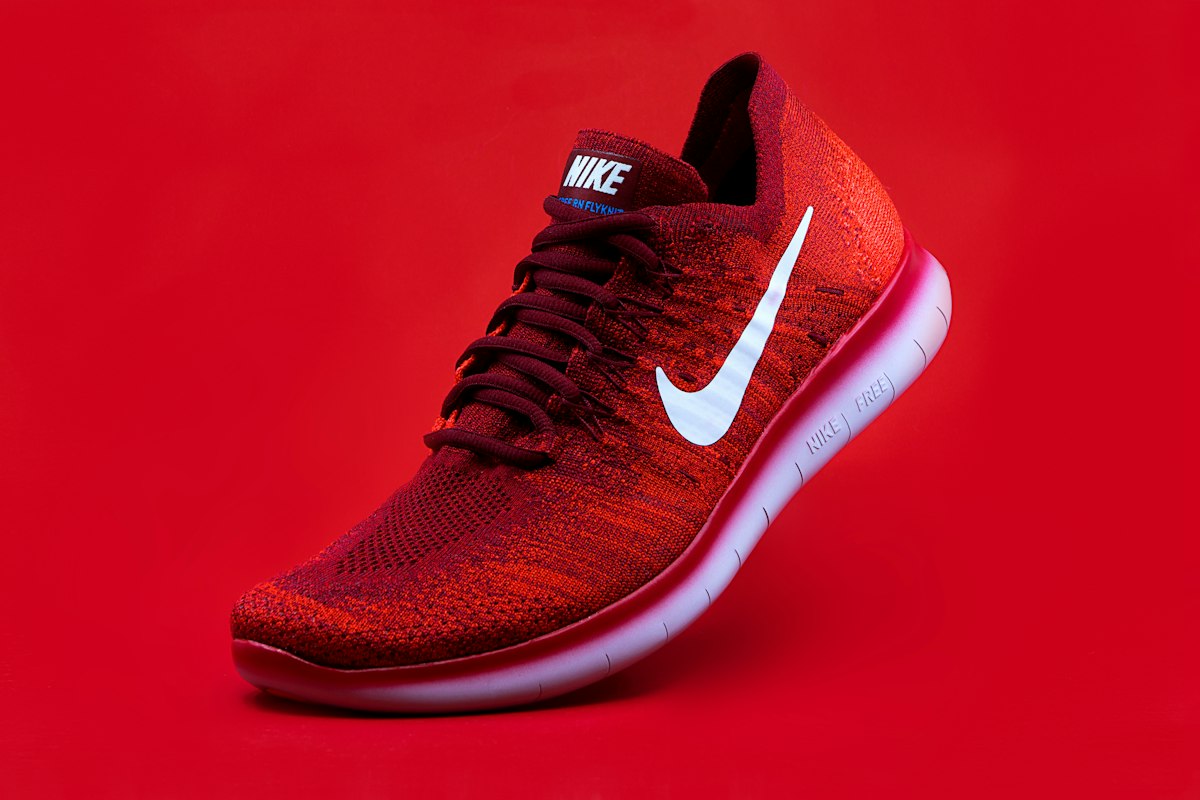
Toe spring deserves one line of its own. That’s the upward curve at the front of the sole. Dress lasts use about 8 mm; running lasts use 15 mm or more. Anything above 12 mm on a shoe sold as formal is a giveaway, and it also changes how the shoe rolls when you walk.
Where these shoes fail by week six
The returns pattern is consistent, and it usually starts with the lining rather than the leather.
A synthetic lining in a closed shoe traps heat. By week four, the inside has polished itself smooth, the heel starts to slip a little with every step, and by week six there’s a worn patch at the back. That patch is the beginning of the end; once the lining is through, the shoe rubs the sock, then the skin.
The second failure is at the flex crease. Cheap corrected-grain leather creases hard and white along the fold across the toe. You can see the colour lighten within a month, and no amount of polish brings it back. Full-grain leather creases in soft folds and darkens instead, which is why a two-year-old pair of good ones looks worn rather than damaged.
The third is the insole. Glued-in foam compacts under a 70 kg load within about 60 hours of wear, which for an office week is roughly a month and a half. After that you’re standing on the board underneath. A removable insole solves this for €15 and adds years to the pair, so check for one before you buy.
Fourth, and least discussed: the heel counter. Squeeze the back of the shoe between thumb and finger. If it collapses easily, the shoe will not hold your heel, and a dress sneaker with no hold feels like a slipper by Friday. It should be firm at the base and give slightly at the top.
Socks cause more returns than any of that. A no-show sock in a low-cut shoe slips off the heel within twenty minutes, bunches under the arch, and by lunchtime you’re walking on a folded lump of cotton. If you plan to wear the pair without visible socks, buy socks with a silicone strip at the heel and test them on the same day you try the shoes.
There’s a reason the wear pattern in a shop always tells the truth. Look at the insole of any pair that has been tried on repeatedly: the dark patches show where weight lands. A pair with marks only under the heel and none under the ball has a last that’s too stiff for walking.
The width problem nobody measures
Most people buy by length and then complain about fit. The measurement that actually predicts comfort is the ball girth, taken around the widest part of your forefoot.
Wrap a tape around the ball of your foot while standing, at the end of the day. That number, not your shoe size, tells you whether a pair will work. A dress sneaker with a narrow last will feel fine for twenty minutes and then start pressing on the fifth toe, because the leather has nowhere to give.
There’s a second, quicker check. Take the insole out and stand on it. If any part of your foot hangs over the edge, the shoe is too narrow, no matter what the size label says. Most people discover this after the return window closes.
Wide feet and dress shoes are a genuinely awkward combination, and there’s an honest version of the trade-off in nine hours on concrete in business shoes. The short answer: width can be bought, but only if you check it before the leather has been worn into shape.
Half sizes are another trap. A 38 that fits in one brand is a 39 in another, and a sneaker last is usually 2 to 3 mm wider than a dress last at the same nominal size. Assume nothing. Try both if you can.
Instep height is the measurement people skip, and it’s the one that makes a laced shoe feel tight across the top of the foot. Sit down, put your foot flat, and measure from the floor to the highest point of the instep. Above 65 mm and you need a shoe with a looser lacing panel or a derby opening rather than an oxford one.
That’s an argument for laces over slip-on styles in this category, even though slip-ons look cleaner. Laces give you roughly 6 mm of adjustment across the instep, which is enough to rescue a pair that’s slightly wrong everywhere else.
Office dress codes: what passes and what gets a comment
Written dress codes rarely mention shoes. Unwritten ones are strict about three things: noise, colour, and how much of the foot is covered.
A rubber sole is quiet, which matters more than people expect in open-plan offices. A hard leather sole on a wooden floor announces every trip to the kitchen. If your office is carpeted, ignore this. If it isn’t, a quiet sole is the difference between being unnoticed and being the person who clacks.
Colour is simpler than it sounds. Black, dark brown, and dark grey cover 90% of offices. White sneakers are accepted in creative and tech workplaces and read sloppy in finance, law, and anything client-facing with a suit. Tan sits in the middle, and works well with chinos and grey trousers.
Coverage is where “dress sneaker” gets tested. A shoe that shows the top of the foot through a mesh panel or a deep cut reads casual immediately. Closed, smooth, and low is the safe zone. That’s also the zone where the shoe is warm in July, which is the trade you’re making.
Winter is where the category breaks down completely. A smooth leather sneaker with a thin sole is cold at 2°C and useless in slush, and wearing it anyway is how the leather gets salt stains that never come out. Most people who commute through a real winter end up with two solutions: a boot for the street and the sneaker kept in a drawer for indoors.
If the office is genuinely formal, the honest move is not a sneaker at all. Keep a pair of proper shoes at the desk and commute in something comfortable. A satin black heel for the days that need one lives under a desk for two years without complaint, and your feet get the train ride off.
Three pairs that do the job, and the one that doesn’t
Sorting the category by what actually works, rather than by what photographs best.
Works: the leather court shoe with a 16 mm sole. Flat sidewall, smooth upper, stitched or glued with a clean edge. It reads dress from three metres and behaves like a sneaker on stairs. Check that the lining is leather or cotton, and that the insole lifts out.
Works: the low-profile derby hybrid. Slightly wider at the ball than a court shoe, laced, with a rubber outsole cut thin at the edge. This is the shape that suits wide forefeet, and it’s the one most likely to have a removable footbed.
Works with a caveat: the knit upper in dark colours. Comfortable and breathable, reads formal enough in dim light, and looks tired after about eight months because the knit stretches. Fine as a second pair, not as the only one.
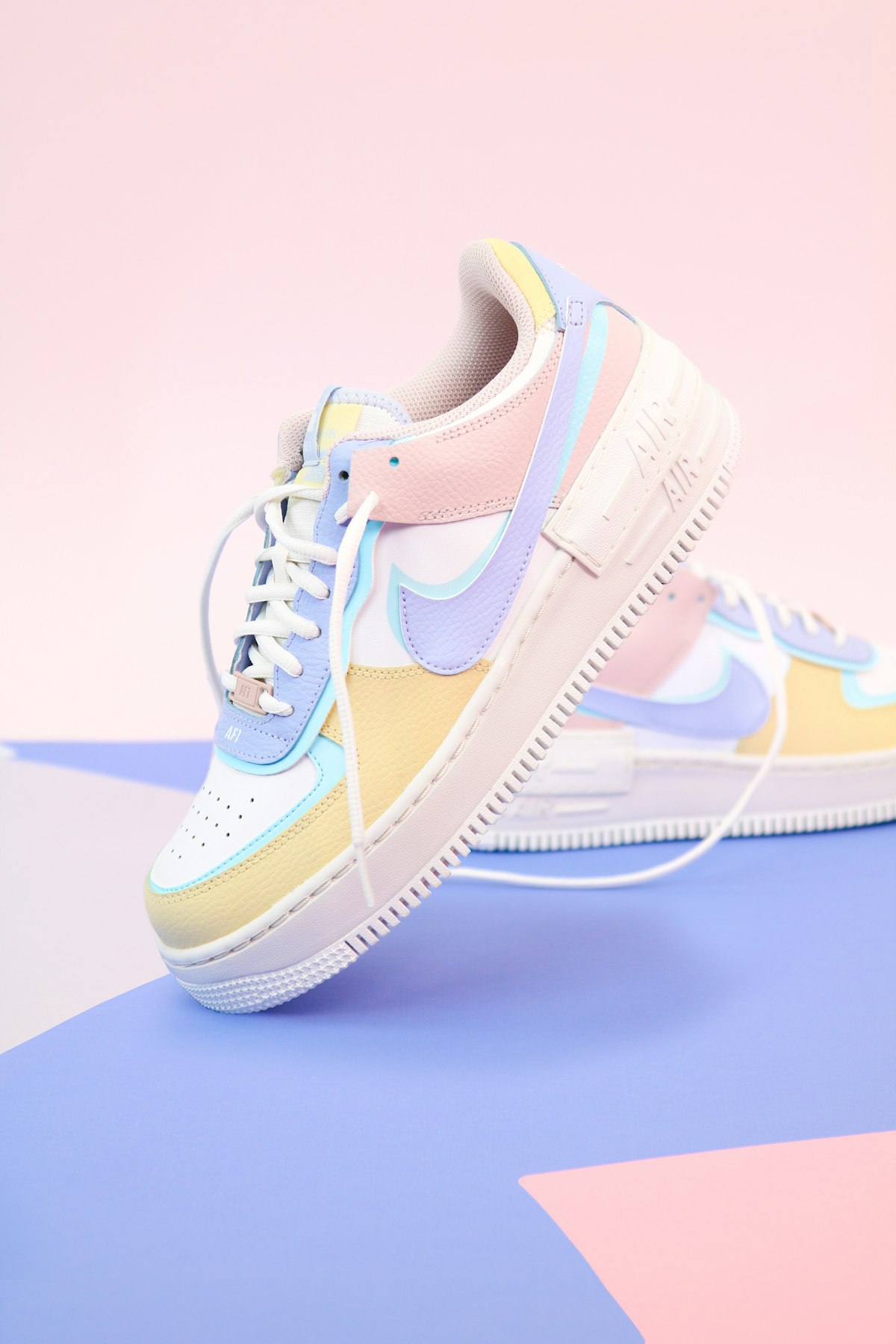
Doesn’t work: the chunky “athleisure” dress sneaker. The 35 mm sculpted midsole, the contrast sole, the visible air unit. Comfortable, yes. Dress code, no. It’s a sneaker that has been told to wear a shirt.
Price bands are worth knowing before you shop. Under €60, you’re buying corrected grain and a glued insole, and the pair has about nine months in it at four wears a week. Between €90 and €150 you get full grain, a leather lining, and a removable footbed, which is the band where the maths works. Above €200 you’re paying for the name on the tongue, and the shoe doesn’t last twice as long.
The exception is resoling. A stitched sole can be rebuilt for about a third of the purchase price, so a €180 pair that gets resoled once works out cheaper than three €60 pairs. Check for visible stitching along the edge before you decide which game you’re playing.
For materials, the hide grade decides how the pair ages more than any other spec.
There’s a decent breakdown of what the hide grade changes on the foot, and the summary is that full grain costs more up front and looks better in year two.
Breaking in: what’s normal and what’s a defect
Leather gives about 2 mm across the width over the first two weeks. That’s it. It does not stretch half a size, no matter what anyone at a returns desk tells you, and anything tight enough to hurt on day one will still be tight on day thirty.
Normal break-in feels like this: stiff at the flex point for two or three wears, slightly warm across the instep for the first week, and a soft crease developing across the toe box. None of that should be painful. Discomfort is not a stage of the process.
Not normal: a burning sensation under the ball of the foot, a blister at the back of the heel, numbness in the toes after an hour, or a crease that cuts across the top of the toes rather than the base of them. Each of those points to a specific fit problem, and none of them improve.
If the heel rubs, the fix is usually a heel grip rather than a plaster. If the toes press, the shoe is short. If the top of the foot aches, the instep is too low. Three different problems, three different solutions, and only one of them is worth trying to fix after purchase.
One useful habit: wear new pairs for two half-days before a full one. Two four-hour stretches tell you more about a shoe than a single eight-hour day, and if you need to return them, the soles are still clean enough to pass inspection.
Four checks, in this order. Measure the sidewall with a ruler; under 20 mm or walk away from the dress-code claim. Press the toe into the floor and watch where it bends. Squeeze the heel counter at the base. Take the insole out and stand on it.
If all four pass, wear them around the house for two hours before you commit to a workday. Not a walk outside, just the house, on a hard floor, at the end of the day when your feet are biggest.
What you’re looking for is simple: no pressure point at the little toe, no slip at the heel when you go up the stairs, and no heat building up after an hour. Any of those three showing up at home will be twice as bad at 3 pm in an office.
The category works. It just needs to be bought on measurements rather than on the mirror. Have a look through the full shoes category with the sidewall number in mind and the shortlist gets a lot shorter. The history of the sneaker as formal wear is worth ten minutes if you want to know why the shape drifted this far from a dress last in the first place, and the anatomy of a dress shoe explains the profile the good hybrids are copying.
