

It’s 7:40 on a Monday and you’re standing in front of the shoe rack with a coffee going cold. The heels are there. So are the black sneakers you bought in September, the pair with the dark sole that looked almost like a dress shoe from three feet away.
You pick the sneakers. You’ll pick them again on Tuesday, and by Friday you’ll have worn them four days out of five without one person at work mentioning your feet. That’s the case for sneakers with black soles, and it’s a better case than most shoe advice gives them credit for.
Here’s what I learned after putting one pair through a full working week: meetings, a wet car park, a 90-minute stand-up, and a Thursday that ended at 9pm. Some of it surprised me. One thing annoyed me enough that I’d buy differently next time.
So this is a week-by-week account, not a shopping list. You’ll get the parts that held up, the parts that didn’t, and the two checks I’d do in the shop before handing over any money.
The sole is the part people actually see
Watch a group of people at a table and notice where your eye lands. Not on the upper. On the line at the bottom, because that dark edge is what the brain reads as “shoe” instead of “trainer”. A black sole gives you that line for free. A white one shouts.
This isn’t a fashion theory. It’s physics plus dirt. White rubber is a light surface that collects everything: pavement grit, car park gravel, the grey dust that lives under office desks. Six weeks of commuting and a white sole looks like a used eraser. Black rubber at six weeks looks like black rubber, and a wet paper towel brings it back.
The shape itself has barely moved either. The everyday canvas and leather sneaker has been the same basic object for a century, which is why a dark sole still reads as sensible rather than trendy. Trends change the upper. The bottom line stays put.
Rubber itself hasn’t changed much since vulcanization made it stable in the 1840s. What changed is the finish. Matte black rubber hides scuffs from pedals and kerbs. Glossy black rubber shows every one of them, and it squeaks louder on polished floors. If you’re choosing between two pairs online and can’t tell, look for a photo of the shoe from a low angle. Shine means noise.
Thickness matters more than colour, though. Under 20mm and you feel every paving slab joint by 4pm. Over 35mm and the shoe starts looking like gym kit, which defeats the point. Somewhere between 25mm and 30mm is the band where you get cushioning without the marshmallow silhouette. Hold a ruler to your current pair. You’ll probably find they sit at 22mm, which explains the ache.
Colour also decides what you can wear above it. A black sole lets you pair the shoe with navy trousers, charcoal, black, and even a dark olive skirt without a visible break at the ankle. Try the same outfit with a white sole and the colour jumps, which means your outfit now has a stripe at the bottom that you didn’t plan. If you own a lot of dark tailoring, this is the practical reason to go dark on the sole. Your wardrobe is already doing the persuading.
Monday: the glass table at 9:30
Monday is the day you find out whether the shoe works sitting down. Glass tables are brutal. Everyone can see under them, and everyone’s feet are pointed at somebody.
Two things happen with a black sole here. First, nothing flashes. A white sole under a glass table catches the ceiling lights and turns your feet into a small event. Second, crossed legs stop being a risk, because a dark sole against a dark trouser hem reads as one continuous shape.
What you should check before Monday, though, is the heel counter. Sit down, cross your right leg, and see whether the shoe slips off at the back. If it does, you’ll spend the meeting pushing it back on with your toe, and that’s the movement people notice.
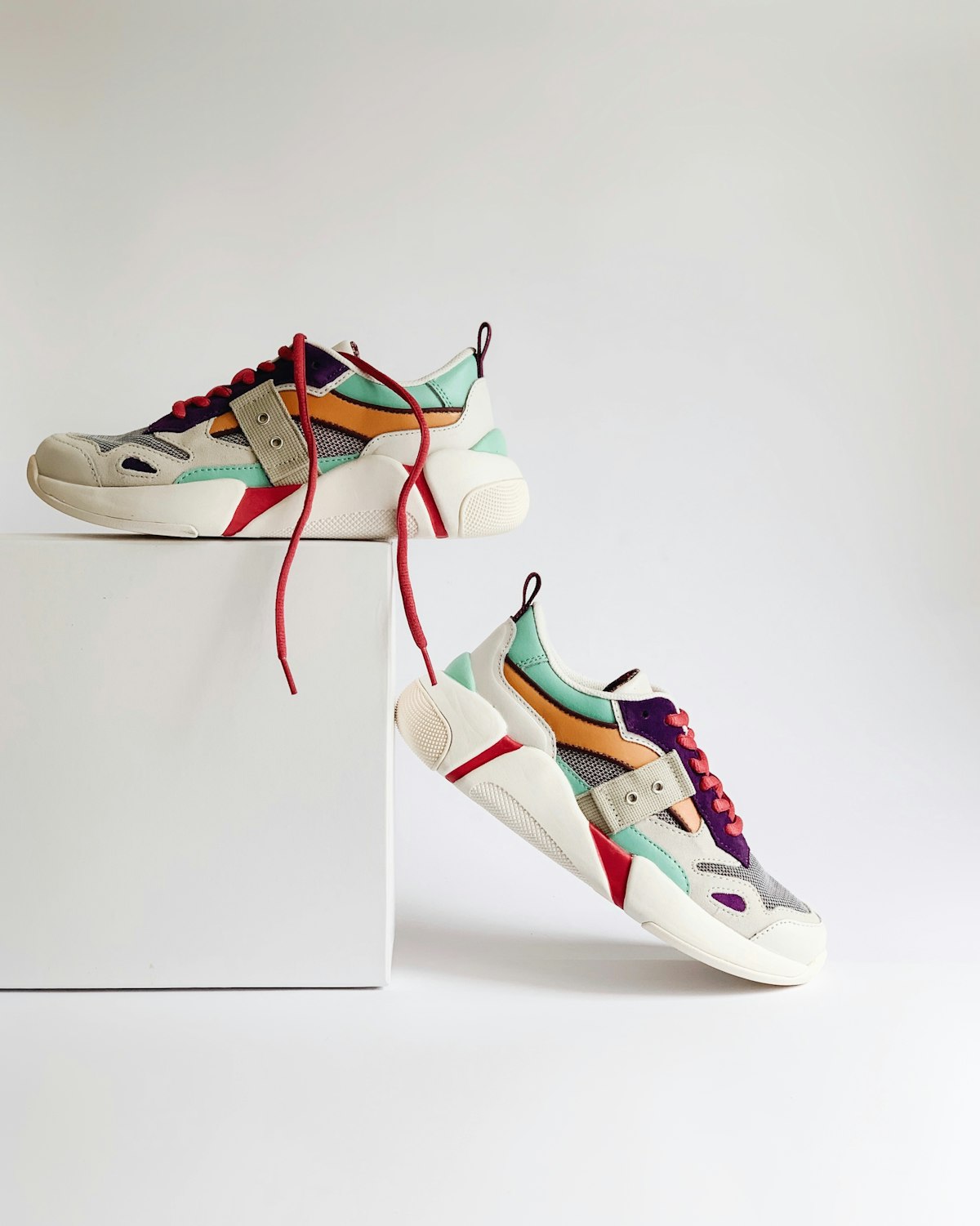
My fix for a slipping heel was a thin felt insert at the back, the kind that costs about as much as a coffee. It changed a pair I’d nearly given up on into something I could wear for six hours straight. Laces help too, and this is where I’d push back on the slip-on trend: a lace-up black sneaker holds your foot in a way an elastic gusset won’t, and in a meeting that difference is the whole game.
There’s also an etiquette thing nobody warns you about. In an open-plan office you’ll take the shoe off under the desk at some point, usually around 3pm, and a lace-up takes fifteen seconds to get back on when your manager walks over. A slip-on takes two, but it also invites you to kick it off in the corridor. Small stuff. It adds up over a week.
One more Monday note: if your desk chair has a foot ring, rest your heels on it rather than the rung. The hard edge of a metal rung presses into the sole exactly where the arch ends, and after forty minutes you’ll feel it. It’s a chair problem, not a shoe problem, but you’ll blame the shoe and go buy another pair for no reason.
Tuesday and Wednesday: 4,200 steps and a wet car park
My phone counted 4,200 steps on Tuesday. That’s not a hiking day, but it’s enough for a bad sole to announce itself, and it’s about what an office day plus a lunch walk plus two stairwells adds up to.
Wet car parks are where cheap soles expose themselves. Look at the tread before you buy: you want 3mm to 4mm of depth in the forefoot, and you want grooves that run across the shoe rather than along it. Siping, the little slits cut into rubber, is what pushes water out from under your foot. A smooth black sole on wet painted concrete is genuinely unsafe, and no amount of styling saves you from that.
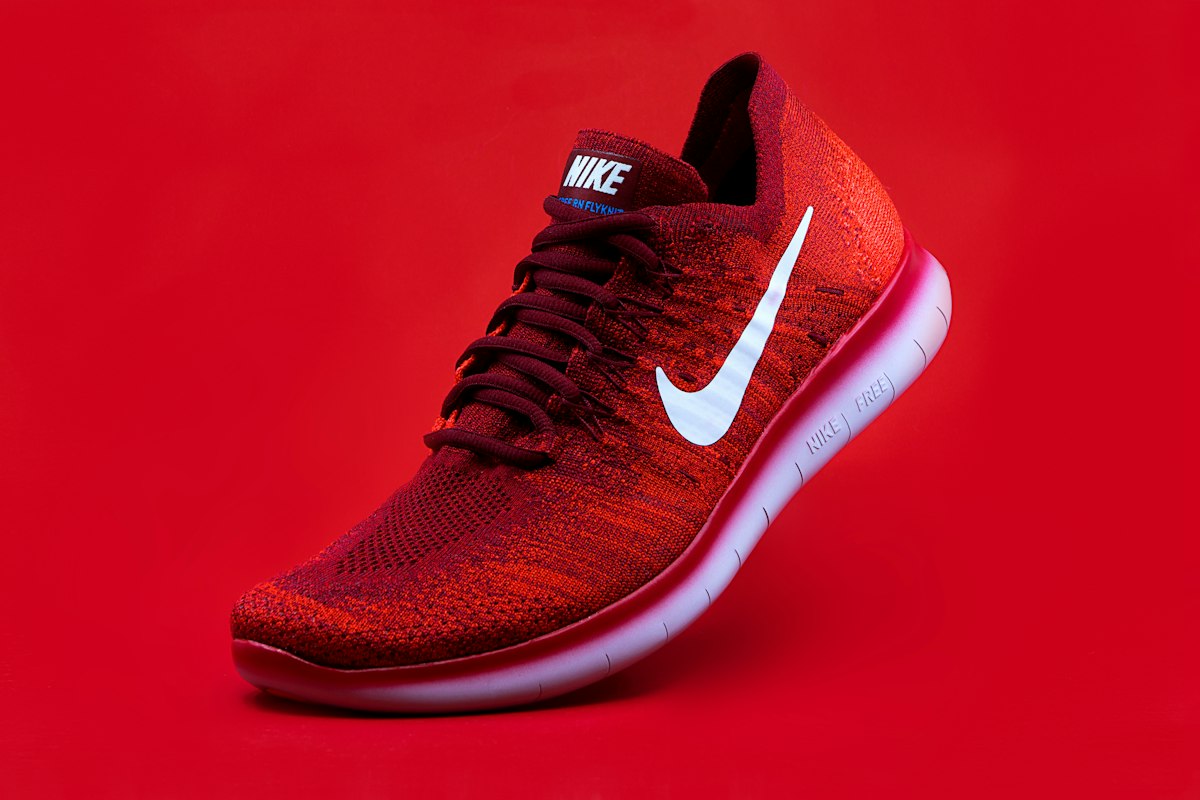
Cushioning is the other half of the story. Plantar fasciitis is the most common reason women in their thirties and forties start buying different shoes, and it rarely comes from heels alone. It comes from hard, flat soles worn for long days on hard floors. If your heel aches when you get out of bed, that’s the signal, and a pair with a slightly thicker heel-to-toe drop will help more than any insole you buy later.
For the days when the office is more walking than sitting, I keep a breathable flat-bottomed casual board shoe in the drawer under my desk. It’s not elegant. It is the reason my feet survive a Thursday.
Socks are the part everyone forgets. A no-show sock that slips off the heel turns a comfortable shoe into a blister machine by 11am, and black leather against bare feet gets slippery once you’ve been walking for an hour. Buy no-shows with a silicone strip at the heel, and buy six pairs so you’re never down to the last one on a Monday. Cotton is fine. Bamboo dries faster if your feet run hot, which matters more than people think in a closed shoe.
One practical note on sizing. Black leather sneakers run small more often than people admit, especially the ones built on a narrow last. If your usual size pinches across the widest part of your foot, go up half a size and add an insole for the length you didn’t need. You’ll end up with more room and better shock absorption at the same time.
Thursday: the squeak, the crease, the chip
By Thursday the honeymoon is over and the flaws show up. Here’s what actually went wrong with my pair, in order of how much it bothered me.
- The squeak. Rubber on polished concrete, worse when the floor is damp. It comes from the sole edge rubbing as your foot rolls. Talcum powder between the insole and the shoe bed kills it for a week at a time.
- The toe-box crease. Any leather sneaker will crease across the ball of your foot after about three weeks. It’s not a defect. It’s the price of leather being leather, and it’s why the cheap ones look cheap fast: corrected-grain leather creases in sharp lines, full-grain folds softly.
- The painted edge. This is the one that annoyed me. On lower-priced black soles, the colour is sprayed on, and it chips at the toe and heel to reveal grey underneath. Run your fingernail along the sole edge in the shop. If it feels like a coating rather than the material itself, walk away.
And a real downside nobody mentions: black rubber marks light floors. If your office has pale vinyl or freshly polished light tile, you’ll leave faint grey scuffs where you pivot. It wipes off, but the person who cleans the floor will notice, and it’s worth knowing before you blame the shoe for being bad. It isn’t bad. It’s black.
Cleaning takes four minutes a week if you do it before the dirt sets. A soft brush with a drop of washing-up liquid on the sole edge, a damp cloth on the upper, and newspaper inside to dry. Don’t put leather sneakers on a radiator. They’ll dry into the shape of a crisp and stay that way. And don’t machine wash anything with a glued sole, whatever the internet tells you. The glue gives up before the fabric does.
Friday: what I’d buy the second time
If I were starting again with a Monday-to-Friday pair, the list would be short and boring.
Leather over mesh. Mesh breathes, but it also shows the shape of your toes and it looks casual in a way that’s hard to argue with in a client meeting. A smooth leather upper with a matte black sole covers both jobs. If your feet run hot, look at perforated leather instead of mesh. You get airflow without the gym look.
A removable insole. Pull it out. If the shoe bed underneath is a flat board with no shaping, that’s a shoe for short wear. If it has a slight arch and a cushioned heel, you can replace the insole when it flattens at month eight instead of replacing the shoe.
Laces, or a proper elastic panel. Half-elastic slip-ons stretch out at the throat within a season and then flap. Laces let you retighten on the days your feet swell, which they will in warm weather and at the end of long days.
A darker lining. Pale linings go grey at the heel within weeks and there’s nothing you can do about it. Not a dealbreaker, just a small daily irritation.
For the softer end of the spectrum, something like these leather sports shoes with a squishy, broken-in feel is closer to what I’d pick now than the stiff pair I bought in September. Soft leather plus a dark sole is the combination that survives an office week without looking like you gave up.
Where to spend, if you’re choosing: put the money into the sole and the leather, and save on the laces and the box. A £120 pair with a stitched sole will outlast two £60 pairs with glued soles, which is the boring truth of most shoe shopping. Stitched, by the way, means you can see the thread running around the edge where the sole meets the upper. If there’s no thread, it’s glued, and glued soles separate at the toe first, usually around month ten.
When a black sole is the wrong shoe
There are days when this shoe is the wrong call, and pretending otherwise would make the rest of this useless.
If you’re walking 10,000 steps or more, a fashion sneaker with a black sole isn’t enough shoe. The cushioning is designed for pavements in short bursts, not for a full day on your feet, and your knees will file a complaint by week three.
If you’re in a formal office, a black sole doesn’t make a sneaker into a dress shoe. It makes it less obvious. That’s a different claim, and in a room where everyone else is in leather soles, you’ll still be the one in trainers.
And if your floors are pale and your role is client-facing, the scuff marks are a small ongoing cost. Wear them on desk days, not on the days you’re showing people around.
There is one grey area worth naming. If your office sits somewhere between formal and casual, black-sole sneakers work fine, but only if the rest of you is deliberate. Ironed shirt, dark trousers, and a clean sneaker reads as a choice. The same sneaker with a wrinkled tee reads as a rush. The shoe isn’t doing the work on its own, and anyone who tells you otherwise is selling something.
Get the version with a cut-edge sole, 28mm of it, laces you can tighten, and leather that creases softly instead of cracking. Then wear them four days a week and stop thinking about your feet. That’s the whole point of a work shoe, and it’s a low bar that most pairs still manage to miss. If you want the shorter version of this argument, there’s a piece on business casual shoes for five-day weeks that covers the same ground from a different angle, plus a look at quilted slip-ons for 12°C mornings if your office runs cold.
