

It’s 7:40 on a Tuesday, the pavement outside has that dark wet-grey look that means drizzle, and you’re standing in the hallway with one boot half-zipped while your calf refuses to cooperate. You bought them for the heel. You’re now late because of the shaft.
That’s the whole problem with boots with heels for women in one sentence: the part that sells them is the heel, and the part that decides whether you can actually wear them is everything above it. Shaft height, calf circumference, ankle fit, sole grip, whether the leather gives at all after week one. Get those right and a 70mm boot walks better than a 40mm pump. Get them wrong and you’ll be at your desk by 11am with your feet out of them under the desk.
So here’s the order I’d shop in, and the numbers to bring with you.

Measure your calf at 9am, because it won’t be that size at 6pm
Calf circumference moves during the day. Standing, walking, a warm office, a salty lunch, three hours in a chair with your legs down, all of it adds up. Most people I’ve measured gain somewhere between 4mm and 8mm between morning and late afternoon. That’s the difference between a zip that closes and a zip that needs a second person and a lie-down.
So measure standing up, around the widest part, usually a hand’s width below the knee crease. Write the number down. Then look for a boot shaft that gives you at least 10mm of extra room, not zero. A shaft that measures exactly your calf will close in the shop and fight you by Thursday.
For pull-on boots with no zip, add more. You need roughly 20mm of clearance plus a decent pull tab, because your foot has to pass through the narrowest point of the shaft, not just sit inside it. This is why so many people buy a beautiful pull-on pair and then never wear them past November.
If you’re between regular and wide calf, go wide and add an insole. Taking a shaft in is a ten-minute job for a cobbler. Letting one out is not a job at all.
A 70mm heel in a boot reads taller than 70mm in a pump
Same height on the box, completely different job for your legs. A pump lets your heel lift out of the shoe with every step, so your ankle does the work. A boot holds your heel down and wraps your ankle, so the pitch transfers straight up the shin and the whole boot has to be lifted with each step.
Weight is usually the hidden variable with boots with heels for women, and nobody puts it on the label. A leather ankle boot with a stacked heel often lands between 500g and 700g per shoe. A pump is closer to 250g. You’re swinging an extra half-kilo from the ankle, thirty or forty times a minute.
My working rule: 60mm to 70mm is the sweet spot for a boot you’ll wear to work. Above 90mm you need either a platform under the toe or a life that involves sitting down. A 100mm stiletto boot with no platform is a photo, not a shoe.
There’s a good reason boots feel like this, by the way. Heeled footwear started as men’s riding kit, which the high-heeled shoe entry on Wikipedia lays out in detail. A heel that locks into a stirrup is a tool. A heel that has to carry you across a wet car park at 8am is a different design brief entirely.
Test it in the shop properly. Walk thirty steps on the hard floor, then thirty on carpet. Hard floor tells you about grip. Carpet tells you about the heel catching, which is what actually trips people.
The ankle is where heeled boots either work or clomp
Look down at your ankle in the mirror with the boot on. Is there a gap you could slide a finger into, all the way around? If yes, the boot is too wide there, and no amount of thick socks will fix it. You’ll get a flappy clomp, then a blister on the back of your heel, then a heel grip, then a second pair of socks, and by February you’ll have given up.
Ankle fit is the single most overlooked number in boot shopping. Most brands publish shaft height and calf width and say nothing about ankle circumference, which is the measurement that decides whether your foot stays put.
Three fixes, in order of how well they work:
- Buy the right ankle. A boot that hugs just above the ankle bone without pressing is the goal. Soft leather will relax about 3mm; patent won’t relax at all.
- Elastic gussets beat zips for narrow ankles, because they pull in and stay pulled in. A full-length zip holds whatever shape it was cut to.
- Laces are underrated. A lace-up heeled boot adjusts to you every morning, which is more than most zips manage in a season.
If you’ve already got a pair that clomps, a self-adhesive heel grip plus a thin felt tongue pad at the front of the ankle will take up most of the slack. It’s a €4 fix. Try it before you write the boots off.
Wet pavement exposes cheap soles fast
Wet pavement in November is where boots with heels for women get found out. A leather sole on wet tile or a smooth paving slab has almost no grip, and a heeled boot puts less rubber on the ground than a flat does, which makes the problem worse. You want a rubber or TPR outsole with visible tread, at least 3mm deep at the forefoot.
Run your thumbnail across the sole in the shop. If it slides without resistance, that’s the same thing your foot will do on a wet crossing.
Also check the heel tip, the little cap at the bottom of the heel. It’s the fastest-wearing part on any heeled boot and the cheapest to replace. Ask what a replacement costs before you buy. A €15 tip every eighteen months is nothing. A heel that has to be rebuilt because you wore through the tip is not.
Winter salt is the other thing nobody warns you about. It dries into a white bloom along the welt and the lower shaft, and if you leave it, it eats the finish. Wipe with a barely damp cloth the same evening, not the following weekend. More on materials in a moment, including what OEKO-TEX tests for in leather and textile uppers if you care about what’s actually in the finish.
Leather, suede, and the coated stuff that peels in year two
Three categories, three completely different lifespans.
Full-grain or top-grain leather creases at the flex point and keeps going. It scuffs, and scuffs polish out. This is the pair you’ll still be wearing in the fourth winter, and per wear it usually ends up the cheapest option in the cupboard.
Suede looks better than it behaves in northern European weather. It’s fine if you spray it before the first wear and re-spray every six weeks. Skip the spray and one wet commute will leave water marks that never fully lift.
Coated synthetic or PU is where boots go wrong. It looks crisp for one season, then cracks along the flex line above the toe, and once it cracks it peels. There’s no repair. If a boot costs €60 and the copy says “leather-look”, assume one winter and price it that way.
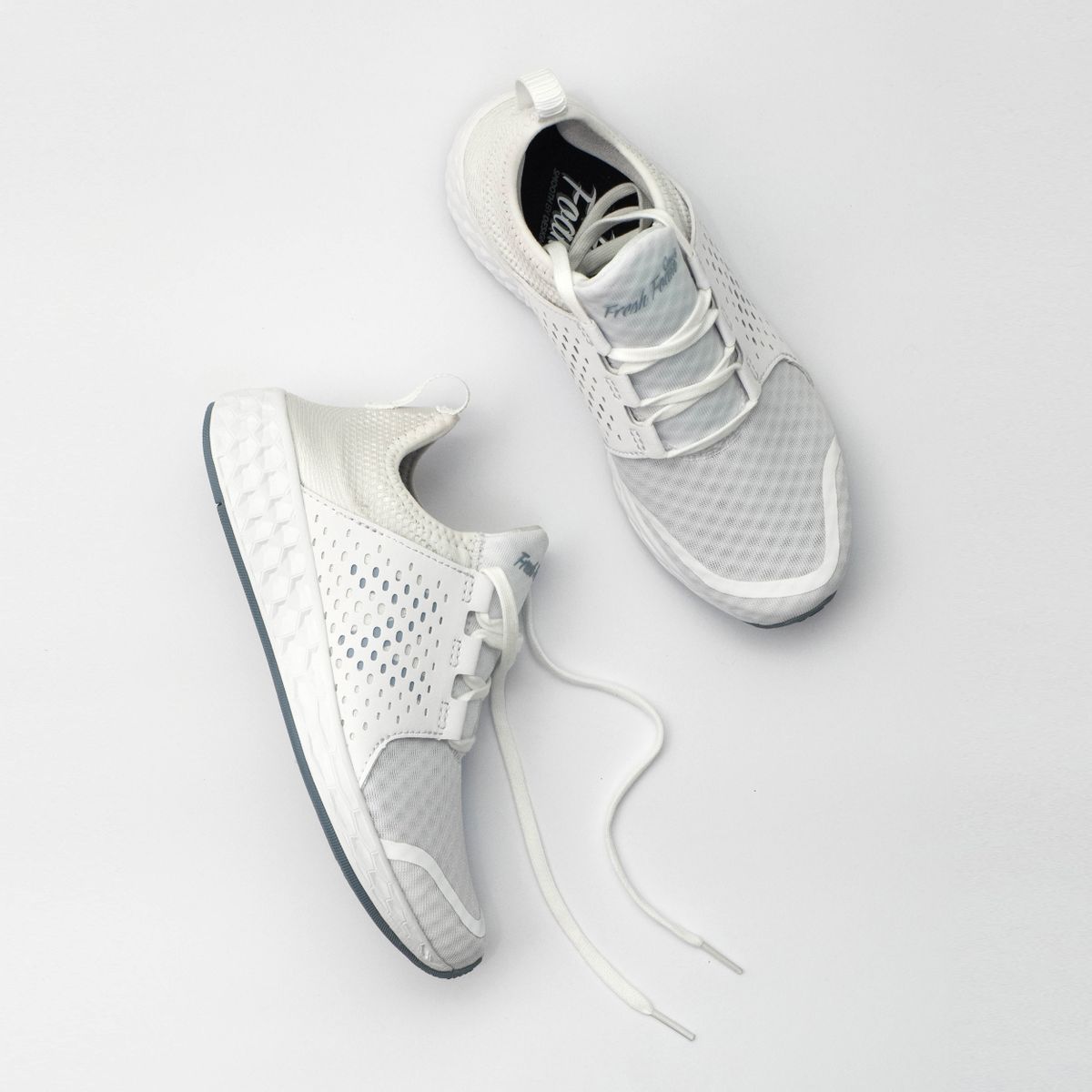
Do the cost-per-wear maths before you decide, because the numbers are less close than they look. €180 of leather worn four winters is about €45 a year. €70 of PU worn one winter is €70 a year, plus the replacement you’ll buy in a panic next October. The expensive pair is cheaper. Not always, but usually.
Breaking in heeled boots without losing a week
New boots need about 8 to 12 hours of wear to soften at the heel counter and the flex point. Spread that over a week and you’ll barely notice it. Do it all on day one and you’ll be in plasters.
- Twenty minutes at home, indoors, on day one. Not a commute. Just walk around, up and down the stairs, and take them off before anything hurts.
- Thick socks for the first three wears. They push the leather out where your foot actually is, which is the point.
- Skip the hairdryer trick on good leather. It works on cheap PU and it dries out the grain on anything worth keeping.
- Address hot spots immediately. A blister plaster at the first sign of rubbing costs nothing. Ignoring it costs a week.
- Alternate pairs. Leather needs 24 hours to dry out between wears. Wearing the same boots daily is how you get a cracked sole and a smell you can’t shift.
If a specific spot on the heel counter keeps biting after a week, a cobbler can stretch it locally for a few euros. That’s the correct fix. Buying a bigger size to solve a narrow spot just gives you a boot that slips.
Sizing: heeled boots run small more often than you think
Sizing is where boots with heels for women quietly go wrong. Most are cut on a narrower last than the sneakers you’re used to, and the pointed or almond toe compresses your toes further forward. Half a size up is the safer bet for a closed boot with a heel, especially if you plan to wear wool socks from November to February.
Try them at the end of the day. Your feet are wider at 5pm than at 10am, and that’s the foot that has to live in them.
A small amount of heel slip at first is normal, maybe 5mm, and it usually settles as the sole flexes. A heel that lifts a full centimetre is not going to settle. That’s a fit problem.
What to wear them with, and the one pairing that fights back
Boots with heels for women work best when the hem tells a clear story. Cropped straight-leg jeans that stop just above the boot shaft look deliberate. Full-length straight jeans tucked in look deliberate too, if the shaft is slim. What fails is the mid-length wide-leg trouser that half-covers the boot and half-doesn’t. It reads like you got dressed in a hurry, and no heel height rescues it.
Midi skirts are the easy win. A skirt that hits mid-calf with a 60mm ankle boot leaves a strip of leg or tight visible, which lengthens the line. Same skirt with a knee-high boot and you’ve cut yourself in half.
For the office, dark tights plus a dark boot is the most forgiving combination there is. It hides the shaft-hem gap entirely, which is the detail that makes most outfits look slightly off.
For the dressier end of the week, a beaded or embroidered pair does more work than a plain black one, and you can lean on beaded heeled shoes for evenings when the outfit needs one loud detail. If your week is mostly standing, though, start with thick block heels that don’t punish you by 6pm and add the pretty pair second.
Where I’d spend, and the three styles I’d skip
Spend on the sole, the leather, and the heel tip. Those three decide whether the boot survives. Save on colour and hardware, which are the first things you get bored of anyway.
Skip the no-zip knee-high stiletto. If you can’t get it on without a shoehorn and a chair, you won’t wear it, no matter how good it looks with the coat.
Then there’s the stretch wide-calf boot with no structure at all. It photographs well and collapses around the ankle within a month, which is exactly where you needed support.
Clear or PVC pairs are the third skip, unless you’re wearing them twice. They fog, they squeak, and they don’t breathe. A friend of mine got through one wedding in a pair and described the experience as “a sauna for the feet”. Fair enough.
And if you want to see how a narrower, more pointed heel changes the whole silhouette, a pointed slim-heel pair for indoor evenings is the comparison worth making in person. Wear both in the shop, walk the length of the floor, and buy the one your ankles vote for.
One last thing worth reading before you commit to a heel height: walking shoes for women with high arches explains where support actually sits inside a shoe. The same logic applies to boots, and it’s why a €25 insole often does more for a heeled boot than €100 of extra budget.
If you’re rebuilding the whole cold-weather rotation rather than buying one pair, three pairs that cover the whole season is a faster starting point than shopping boot by boot. And when you’re ready to compare shaft heights side by side, the full heeled range on the site is sorted well enough to browse in ten minutes, with the broader women’s shoes catalogue underneath it if you want flat alternatives too.
Bring a tape measure to the shop this weekend. Measure your calf standing, at the widest point, and write it on your phone. Then put on the boot, walk thirty steps on the hard floor, and check whether your heel stays down. Those two minutes will save you from the 7:40am hallway situation, and honestly, that’s the whole game.
