

You’re standing in a shop holding a grey heel in one hand and a black one in the other, and the black one is obviously the safe choice. It goes with everything. You know it does.
Then you look at the grey pair again. It’s softer against your hand, it doesn’t look like a shoe you already own, and it seems like it might be the one that makes a plain dress look chosen rather than defaulted.
Grey ladies heels are the most underrated neutral in a shoe cupboard, and the reason most women don’t own a pair is simple: grey is harder to buy than black. There’s cool grey and warm grey, and picking the wrong one is why a pair that looked lovely in the shop sits unworn for two years. Here’s how to get it right the first time.
Three greys, and only one will suit your wardrobe
Grey isn’t one colour, it’s a family, and the family splits by temperature. If you buy on shade alone you’ll get it wrong about a third of the time.
- Cool grey (dove, pearl, blue-grey): has a bluish cast. Works with denim, navy, white, silver jewellery, cool-toned skin. Fails against cream and camel.
- Warm grey (greige, taupe, mushroom): has a brown or yellow cast. Works with camel, cream, olive, brown leather, gold jewellery. Fails against black.
- Charcoal: the safest of the three. Reads almost like black in low light but softer against the leg, and it works with both warm and cool palettes.
Here’s the test I use in daylight: hold the shoe next to a sheet of white paper. If it looks slightly blue against the paper, it’s cool. If it looks slightly beige, it’s warm. It takes five seconds and it’s more reliable than the name on the box, because “stone” and “pearl” and “dove” mean whatever the brand wants them to mean.
There’s a chemical reason the shades vary so much between pairs. Grey pigment is a mix rather than a single dye, and what actually makes grey look grey is the balance between absorbed and reflected light, which shifts under different lighting. That’s why two grey shoes can look identical in a shop and completely different on a street.
If you own mostly navy and denim, buy cool grey. If you own mostly camel, cream, and olive, buy warm grey. If you own both, buy charcoal and stop worrying.
What grey heels go with, specifically
General advice is useless here, so here are the combinations that hold up in real life.
Grey heels with blue jeans. The best pairing on this list. Denim is cool-toned, so cool grey disappears into it and the shoe reads as an extension of the outfit. Warm grey against denim looks slightly dusty, which some people like and most don’t.
Grey on grey is where people get scared and where the payoff is biggest. A charcoal shoe with a mid-grey dress is a tonal look, and it works if the two greys sit at least two shades apart. Match them too closely and the outfit looks like a uniform.
With navy, it’s nearly foolproof and less harsh than black. A navy trouser with a dove grey pointed heel is the outfit I’d wear to anything where I’m not sure of the dress code.
Cream and white are the tricky ones. Only warm greys work here. A cool grey next to cream looks slightly dirty, and that’s the one failure that makes people give up on the colour entirely.
Against black, stick to charcoal. A pale grey shoe with a black outfit becomes the focal point, and pale grey isn’t interesting enough to carry that job.
Then there’s the tights question. Grey heels over black opaque tights look deliberate in a way that grey over sheer black tights doesn’t. If you’re wearing sheer tights, pick a grey close to your own skin tone or go darker to charcoal.
Why grey is the office shoe nobody comments on
Black heels get read as formal. Nude heels get read as safe. Grey sits between them, which makes it the most useful shoe in a workplace where you want to look put together without looking like you’re dressed for a different job.
It’s also the least noticeable heel colour, and that’s a compliment. Grey doesn’t flash under office lighting the way black patent does, it doesn’t look beige against the carpet the way nude does, and it reads as intentional in a room where everyone else is in black.
Two practical notes for wearing grey to work:
- Keep the heel under 75mm. Grey at 100mm starts to look evening, and evening shoes in a meeting room look like you have plans you’re not mentioning.
- Matte beats shiny. Grey patent reads slightly synthetic, and the effect is worse in fluorescent light. Suede and matte leather both look better indoors.
If you want a pair that covers both work and dinner, a charcoal suede block heel is the version I’d buy. It’s dull enough for a Tuesday and soft enough for a bar. A thick heel that carries weight properly in a dark neutral will get more wear than anything pointed and thin, simply because you can stand in it for six hours.
Suede grey and leather grey are different shoes
Same colour, completely different behaviour. This matters more in grey than in any other neutral, because grey suede and grey leather don’t even look like the same dye.
Grey suede reads softer and slightly lighter, and it picks up the nap direction so the colour shifts as you move. It looks expensive in photos and it scuffs into a lighter patch that you can brush out with a suede block and about forty seconds of patience. Rain is the enemy. One wet walk and the nap goes stiff in patches.
Grey leather reads flatter and more uniform, holds its shape better, and takes a cream. It also shows every scuff as a pale mark, because the pigment sits in the surface rather than in a fibre. On a mid-grey that’s less visible than you’d fear. On a pale grey it’s obvious.
The nice thing about grey is that small marks disappear into it. A scuff that would be glaring on black or white is just another tone on grey, which is why a grey pair often looks better in year two than a nude pair does in year one. For the material side, how suede is finished from the underside of the hide explains why the nap behaves the way it does.

Which to buy depends on your weather. If you get four dry months and a lot of sunshine, suede. If it rains in June where you live, leather, and save the suede for the pair you wear indoors.
The heel shapes grey suits best
Grey is a quiet colour, and quiet colours look best in shapes that have something else going on. A plain grey court shoe in a plain grey outfit is a grey outfit. Add shape and the whole thing lifts.
Kitten heel. Grey and a 40mm kitten heel is possibly the best combination on this list. It reads vintage without being costume, and it’s comfortable enough to wear all day. The case for staying around 45mm applies directly here.
Block heel. Modern and stable. A grey block in suede is the most wearable version of this whole category, and it’s the pair I’d recommend to someone buying their first grey heel.
Pointed stiletto. Sharp, slightly severe, works in charcoal and looks dated in pale grey. Wear it with tailored trousers, not with anything soft.
Mary Jane strap. Grey plus a single strap reads French rather than childish, as long as the strap is thin and the toe is almond rather than round.
What I’d avoid: a grey peep-toe platform. Three strong elements in one shoe and the colour can’t carry all of them. If you want volume, go charcoal and keep the toe closed. A slim-heeled shape from a niche designer in a quiet colour is the safer way to buy something that isn’t black.
Fitting grey heels: the 5pm rule
Grey is more forgiving of a slightly wrong fit than black, because the shoe doesn’t create a hard visual line against your leg. That’s the good news. The bad news is that a loose grey heel looks sloppier than a loose black one, because the whole point of the colour is that it’s soft and subtle.
Three fit checks that matter more than the size number:
- Try them at 5pm. Feet swell by a few millimetres over a day, and a shoe that fits at 10am will pinch by evening.
- Check the heel grip with a thin sock. Most grey heels get worn with tights in winter and bare feet in summer, and a pair that only works one way is half a pair.
- Look at the gap at the back. More than 5mm and you’ll walk out of them. Less than 2mm and the heel counter will rub.
One more thing about grey and width. Pale greys make a wide foot look wider, because the eye reads the shoe’s outline rather than its colour. If your feet are broad, charcoal or mid-grey is a better choice than dove, and a pointed toe will do more for the line than a round one.
Where grey heels fail
Honest section, because grey is not a universal yes.
Next to pastels. Grey with pale pink, mint, or baby blue looks like a washed-out photo. Either go full neutral or pick a colour that commits.
With a grey suit. Head-to-toe grey in matching tones looks institutional. If you’re wearing a grey suit, wear black, navy, or burgundy shoes, or at least make the shoe a very different value from the suit.
In cheap material. Black plastic looks like leather from two paces. Grey plastic looks like plastic, because the colour has no depth to hide behind. This is the one category where I’d genuinely say spend more or buy black instead.
In the wrong season. Pale grey suede in February on a wet pavement is a decision you’ll regret by the second block. Keep a dark grey or charcoal leather pair for winter and save the pale ones for dry weather.
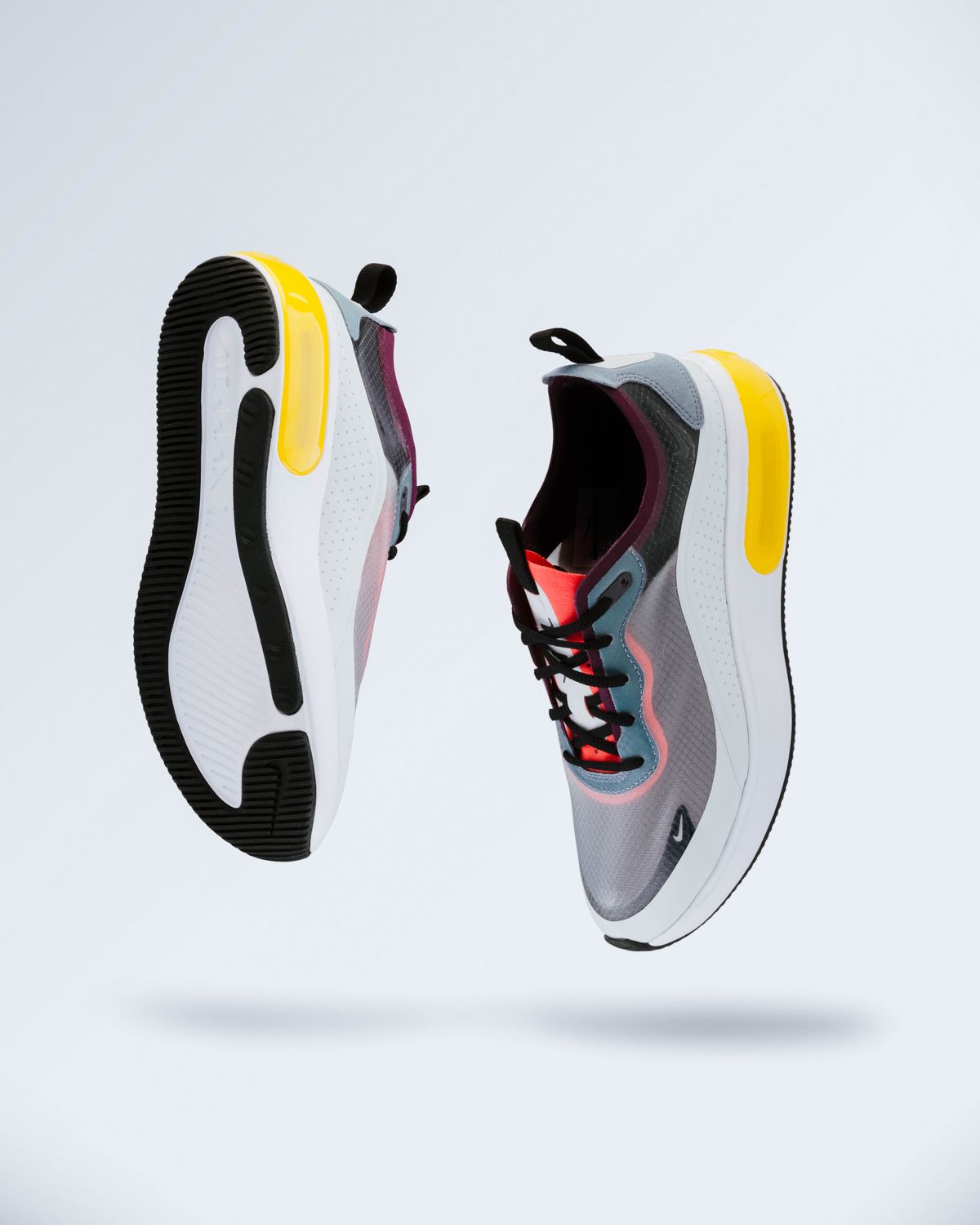
If your wardrobe is mostly pastels, by the way, none of this applies. Grey needs neighbours with weight, and a closet full of mint and blush will make a grey heel look like a shoe you forgot to change out of.
Keeping grey from going dull
Grey doesn’t fade the way pink does. It goes flat, which is subtler and harder to notice until you put the shoe next to a new one.
For leather, a neutral cream every couple of months keeps the surface from drying and going chalky. Don’t use a coloured polish. Grey polish on grey leather almost always ends up patchy, and you’ll spend an evening trying to even it out.
For suede, brush with the nap after every wear, and use a protector spray before the first wear. If the nap flattens in one spot, steam it lightly over a kettle and brush it back up. That trick works better than anything you can buy.
Storage matters more than people think. Grey picks up dye transfer from anything stored against it, especially dark leather and denim. Keep them in a dust bag, not loose in a cupboard with boots.
The one repair worth paying for: a heel tip. Grey leather scuffs at the heel edge faster than black because there’s less pigment density there, and a worn tip makes the whole shoe look tired. A cobbler will replace both tips for the price of a coffee, and the pair looks new again.
So buy the grey pair. Not instead of black, but next to it, for the days when black looks like a decision you made without thinking. And if you only wear them twice this month, that’s still two outfits that looked better than they would have.
