

It’s 7:40 on a Tuesday. You’ve got a 12-minute walk to the bus, a supermarket run on the way home, and one pair of shoes by the door that has to handle both. Nine times out of ten, that pair is white. Which is also why, by Friday, the toe cap looks like you’ve been kicking kerbs for a living.
So the real question isn’t whether white walking shoes look good. They do. The question is which ones still look decent after three weeks of real pavement, and which ones you’ll be quietly hiding at the back of the cupboard by mid-month.
Short answer: good women’s white walking shoes need a wipeable upper, 12 to 18mm of stack under the heel, and a removable insole you can swap for your own. Everything below explains why those three things matter more than the logo on the side.
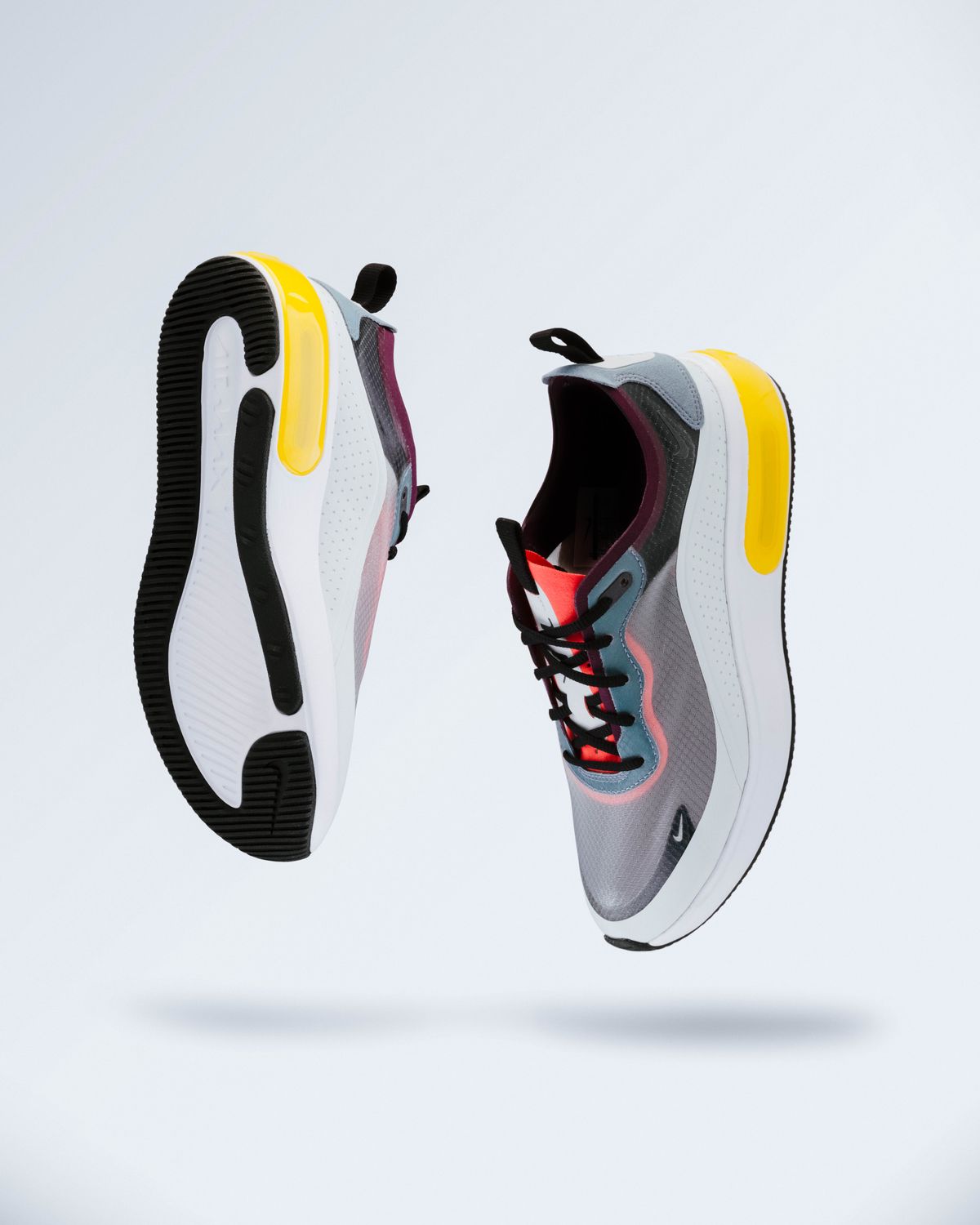
The 7:40 problem: why white wins and then loses
White goes with jeans, with a navy midi, with the grey linen trousers you bought in June and have worn twice a week since. That’s the whole reason it gets picked. No thinking required at 7:40 in the morning.
The catch is that white doesn’t hide anything. A scuff on a black trainer is invisible. The same scuff on a white one reads as damage from three metres away. Walking surfaces are unforgiving: pavement grit, road spray after rain, the black rubber marks that come off shopping trolley wheels.
If you’re doing 7,000 to 10,000 steps a day, that’s roughly 5 to 8 kilometres of contact with the ground, and most of it happens in the same pair. According to Mayo Clinic’s walking guidance, the average adult needs about 150 minutes of moderate activity a week, which is easy to hit on foot without ever setting foot in a gym. Your shoes are doing that work, not a treadmill.
Here’s the part shops don’t tell you. White shoes are usually built with the same sole unit as the black version, but a thinner, cheaper upper coating. The colour is the selling point, so the material underneath gets less attention. You can spot it by bending the shoe in your hand at the ball of the foot. If it creases like cardboard and stays creased, the coating will crack within a month.
Better ones crease and spring back. That’s the whole test.
One more thing about white specifically: it photographs lighter than it is. In the shop under warm lighting, a cream shoe looks white. On the pavement at 8am it looks beige next to your actual white socks. Bring a white sock with you, or check the shoe against the white sole of another pair on the shelf.
Stack height and drop: 12mm is where most women land
Stack height is how much material sits between your foot and the ground. Drop is the difference between the heel and the toe. Both numbers matter for walking, and both get ignored because they’re buried in the spec sheet.
For everyday walking on pavement, a heel stack of 12 to 18mm works for most women. Below 10mm you feel every grate and manhole cover. Above 25mm the shoe starts to feel like a small platform, and your ankle has to work harder to stay level on uneven ground.
The drop is the sneaky one. A 10mm drop suits a heel-striking walker. A 4mm drop pushes you toward midfoot contact, which feels great for the first two kilometres and then loads your calves. If you’ve never worn a low-drop shoe, don’t start with one on a day you’ve got 12,000 steps planned.
What you actually want is a stack you can compress with your thumb, not one that’s rock hard. Press the heel with your thumb. If it gives 2 to 3mm and comes back, that’s a decent foam. If it doesn’t move at all, it’s a hard EVA shell that will feel like a brick by 4pm.
And check the insole. A removable insole is worth more than any cushioning claim on the box. You can pull it out, let it dry after a wet walk, or replace it with an orthotic. Glued-in insoles trap moisture and smell by week three. That’s not a small thing if you wear them without socks in summer.
Weight matters too, but less than the marketing suggests. Under 300 grams per shoe (size 38) feels light. Over 400 grams and you notice it on stairs. Somewhere in between is fine for pavement walking, and you probably won’t feel the difference unless you’re walking more than 10 kilometres at a stretch.
Upper material: knit, mesh or leather for a hot commute
The upper decides two things: how hot your feet get and how easy the shoe is to clean. Those two pull in opposite directions, so pick based on which one annoys you more.
Here’s the short version, in the order most people should consider them:
- Engineered mesh: breathes well, dries in about 20 minutes after rain, but stains soak in and stay. Best for dry climates and people who don’t care about a grey smudge.
- Knit: the most comfortable from day one, no break-in at all. Stretches over time, so buy it snug. Cleaning is a nightmare once dirt gets into the yarn.
- Smooth leather or coated synthetic: wipes clean with a damp cloth, holds shape for years, runs warm in July. The safest pick if your walk includes a bus and a hot office.
- Canvas: cheap and light, but the sole is usually the weak point and the white goes yellow after two washes.
For a commute that involves 20 minutes outdoors in 30°C-plus heat, mesh with a leather heel counter is the practical middle ground. The mesh lets heat out at the top of the foot, and the counter stops the heel from collapsing when you kick the shoes off without untying them.
Watch out for coated mesh sold as “leather-look”. It’s a knit with a plastic film on top. It doesn’t breathe, it creases sharply, and the film peels at the flex point within a season. You can tell by looking at the inside of the tongue: if you see knit loops, the outside is a coating, not leather.
Most women’s white walking shoes are sold in mesh because it’s cheap to make. That doesn’t make it the right call for your feet.
If your feet sweat heavily, avoid anything with a fully sealed toe box and a padded collar. The padding holds moisture against your ankle. A thin, unpadded collar looks less plush but dries faster.
Keeping white white: four rules that actually work
Most white shoes die from neglect, not from wear. The upper is fine, the sole has 800 kilometres left in it, but the whole thing has gone the colour of weak tea.
Rule one: deal with marks the same day. Road spray and pavement grit bond to the coating overnight. A damp microfibre cloth and 30 seconds is enough on day one. On day four you need a brush.
Bleach is the one thing you should never use. Sodium hypochlorite attacks the polyurethane coating on synthetic uppers and turns white mesh yellow. It’s the single most common way people ruin a pair. If you need to lift a stain, use a mild dish soap diluted in warm water.
Rule three: air dry in shade, stuffed with newspaper. Direct sun cooks the adhesive around the sole. A radiator does the same thing faster. Both leave you with a shoe that separates at the toe within a year.
Rule four: wash the laces separately, in a pillowcase, on a cold cycle. Laces hold most of the visible dirt. Fresh laces make an old pair look three months younger for about two pounds.

One honest limitation: white knit never comes fully back. You can get it to 85 percent, and the last 15 percent is permanent. If a spotless white shoe is the point for you, buy leather or coated synthetic instead of knit. If you just want something that looks deliberate rather than dirty, knit is fine.
The classic mistake is machine washing. A top-loader on a normal cycle will distort the heel counter and delaminate the midsole. If you must, use a mesh bag, cold water, no spin, and accept that you’re rolling the dice.
The 90-second fit check in the shop
You can tell more about a walking shoe in 90 seconds on your feet than from any review, including this one. Here’s the sequence.
Try them on in the afternoon. Feet swell by up to half a size over a day, so a morning fit can be a 4pm problem. Wear the socks you’ll actually walk in, not the thin display socks.
Stand up and press your thumb across the widest part of the shoe, just behind the big toe joint. You want the upper to feel snug but not tight enough to whiten your skin. If the shoe bulges outward over the sole, it’s too narrow.
Then check the toe. There should be a thumb’s width, roughly 10mm, between your longest toe and the front of the shoe. Less than that and your toes will jam on every downhill stretch. More than 15mm and you’ll trip on kerbs.
Walk 20 paces. Your heel should stay put without you clenching your toes. A small amount of lift, 3 to 5mm, is normal. Anything more and you’ll get a blister on the back of your heel by the second walk.
Finally, stand on one foot for five seconds. If the shoe rolls outward or inward, the midsole is too soft for your ankle. That’s the one test that catches shoes which feel fine standing still and terrible after two kilometres.
Narrow feet have a specific problem here: most white walking shoes are built on a medium last, and lacing tighter just creases the upper over your instep. Look for a shoe with a narrow heel and a lacing system that reaches further down the foot. If you can pull the laces and see the two sides meet with no gap, it’s the wrong shape for you.
Where white walking shoes fall apart, and when to skip them
White is a bad choice in two situations. The first is a wet climate with muddy pavements. You’ll be cleaning them every second day, and the coating will fail at the flex point long before the sole wears out. The second is a job that involves standing in a yard or on a warehouse floor. White shows every mark and there’s no way to keep up.
There’s also a fit issue. White shoes are disproportionately sold in medium widths, because that’s what sells. If you’re a wide fit, the white version of a shoe is often the same upper stretched over the same sole, which means it’ll be tight across the ball of your foot even in your usual size. Sizing up fixes the width and breaks the length.
Cheap pairs fail in a predictable order. First the insole flattens, usually within 300 kilometres. Then the heel counter softens. Then the outsole wear pattern goes asymmetric on the outer edge, which is a sign the midsole has compressed unevenly. By that point the upper still looks fine, which is why people keep wearing them long after they’ve stopped supporting anything.
If any of that sounds familiar, look at a pair with a stitched overlay at the toe and a rubber outsole that wraps up the side. Stitching costs more to make and lasts longer than glue. A wrapped outsole protects the upper from scuffs at exactly the spot where white shoes get destroyed first.
For a lighter option that suits warm weather and shorter walks, a breathable flat-bottomed walking shoe for summer days is easier to keep clean than knit, and the flat sole is stable on paving. If you prefer something with more structure and a soft, already-broken-in feel, a pair of leather sports shoes with a soft, pliable upper will take a wipe-down and hold its shape for longer. Neither is a trail shoe. Don’t take them up a hill in the rain and expect much.
Three outfits that work without thinking
White walking shoes are only useful if they kill the decision at 7:40. These three combinations do that, and none of them require a mirror session.
Straight-leg jeans and a white tee. The obvious one, and still the most reliable. Roll the hem once so the ankle shows. A white shoe with a low collar makes your legs look longer than a high-top does, which matters if you’re under 165cm.
Navy midi skirt and a grey sweatshirt. This is the outfit that surprises people. A calf-length skirt with a chunky white trainer reads intentional rather than sloppy, as long as the shoe is clean. Dirty white with a midi skirt looks like you forgot to change after the gym.
Wide linen trousers and a striped shirt. The trouser hem should break just above the shoe, not pool on top of it. If you’re short, have the hem taken up so it sits at the ankle bone. That single alteration changes the whole proportion.
What doesn’t work: white walking shoes with a pencil skirt, and white shoes with black tights. The first is a silhouette clash, the second makes the shoe look like an afterthought. Both are fixable with a different shoe, not a different outfit.
If you want a lighter pair for summer outfits specifically, the women’s sneaker range has more low-profile options than the walking section, and the full women’s shoe collection is worth a browse if you’re also after something with a heel for the evening.For the weight question specifically, this piece on how much shoe weight changes your stride is a useful follow-up.
One last thing worth knowing: brisk walking at around 5km/h burns roughly the same calories per kilometre as jogging, with far less impact through the knee. That’s the argument for owning a proper walking shoe rather than borrowing a running one. Running shoes are built for a forward lean and a 1,500-step session, not for 10,000 steps of stop-start pavement.
So buy the pair you can wipe clean, try it at 4pm with your own socks, and give the heel a squeeze before you pay. Your 7:40 self will thank you, mostly because you won’t have to think about it again until the laces go grey.
