

Cheetah Print Heels: What I Got Wrong the First Time
My first pair of cheetah print heels came from a discount site, cost $38, and lasted six weeks. The print was too loud, the heel was too high, and the toe was cut so narrow that I could feel my own pulse in my little toe by midday.
I blamed the pattern for two years. The pattern was innocent. It was the shoe around it that failed.
Why spots hold their ground
A cheetah print works because it’s irregular and high-contrast, which is the combination your eye picks up first in any scene. Same reason the animal has it. In clothing that reads as energy, and it’s why a plain outfit with one printed shoe looks finished while a plain outfit with a plain shoe looks like you ran out of time.
The other thing it has going for it is color. Tawny gold, deep brown, a bit of black. Those are neutral tones wearing a costume, which is why a leopard heel sits comfortably next to navy, cream, grey and rust. It’s not a wild card at all. It’s a neutral that happens to be spotted.
That’s the part I got wrong first. I treated the print as the loudest thing in the wardrobe and built outfits around protecting it, when it would have done that job on its own.
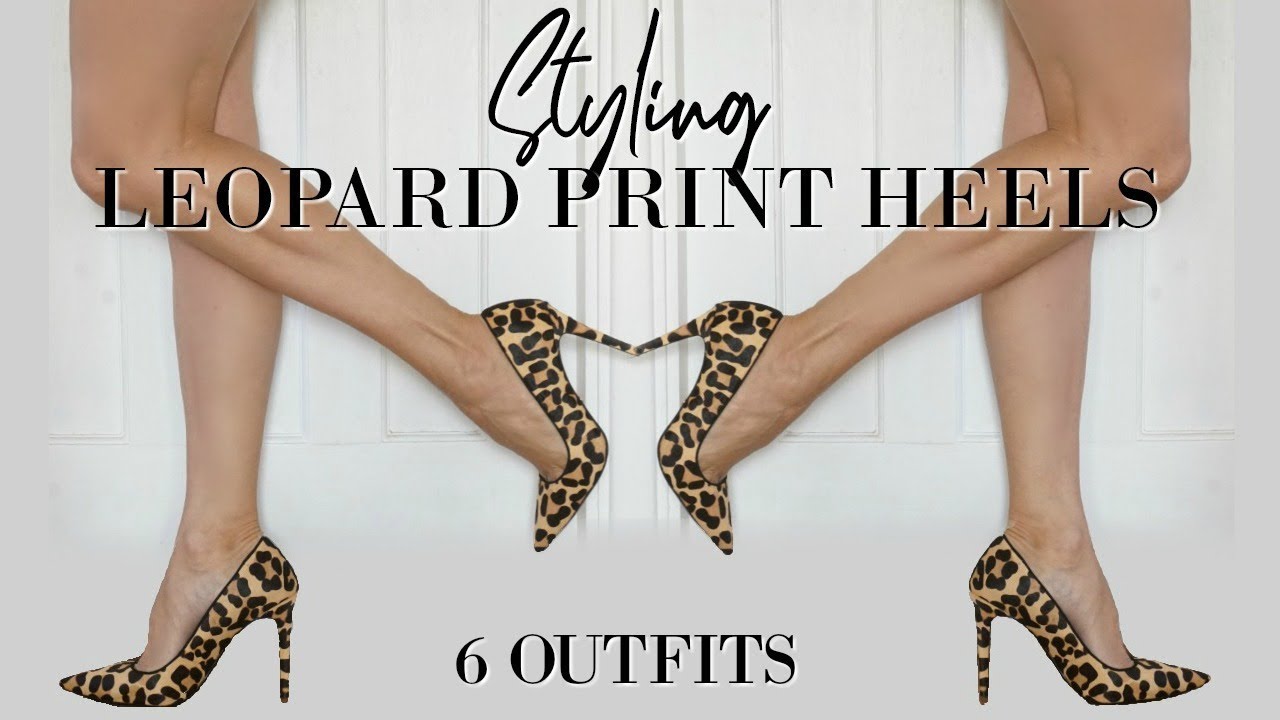
Two pairs it took me to learn the shape
Pair one was a 100mm stiletto. Beautiful in the box, unusable on a street with paving stones. Pair two was a flat slingback, and I swung too far the other way, because a printed flat on a wide foot looks like a slipper with ambitions.
The third pair got it right, and the formula was boring: 70mm block heel, almond toe, dark brown leather trim on the edges. Enough height to change your posture, enough base to walk a kilometer. The print does the rest, so the shape doesn’t need to.
A pointed toe is the other option and it changes the shoe. Pointed reads sharper and slightly more formal, which is what you want with a suit. Almond is softer and far kinder to wide feet, which is what you want on a Tuesday.
One more thing about height that took me a while to see. The heel position matters as much as the height. A heel set forward under the arch feels half its height when you walk. A heel planted at the very back of the shoe turns 60mm into a wobble. Stand in them and shift your weight onto your heels. If you can feel the shoe tipping backward, it’ll do that on a wet pavement too.
Fit problems nobody warns you about
Printed uppers hide fit problems, and that’s a real disadvantage. A plain black leather shoe telegraphs every crease and stretch mark, so you notice the fit is off in a week. A spotted print swallows all of it, which means you can spend six months in a shoe that’s half a size short before your toes tell you.
So do the checks by hand, not by eye. Press the toe box: it should flex. Feel the inside edge where the lining meets the upper, since that’s where rubbing starts. And walk for ten minutes on a hard floor, not carpet. Carpet flatters every shoe ever made.
There’s a second thing printing hides. The material. Ponyhair, calfskin and patent all take a print differently, and only one of them is going to work with what you own. Ponyhair looks richest and sheds for the first month, so keep a lint roller by the door. Patent reads party. A matte calfskin is the one I’d buy again.
Cleaning is the last surprise. You can’t polish a print the way you polish a plain shoe, because cream sits in the pale patches and turns them grey. A soft brush and a damp cloth handle most of it. Anything more and you’re repainting spots by hand, which I have done exactly once and would not recommend.
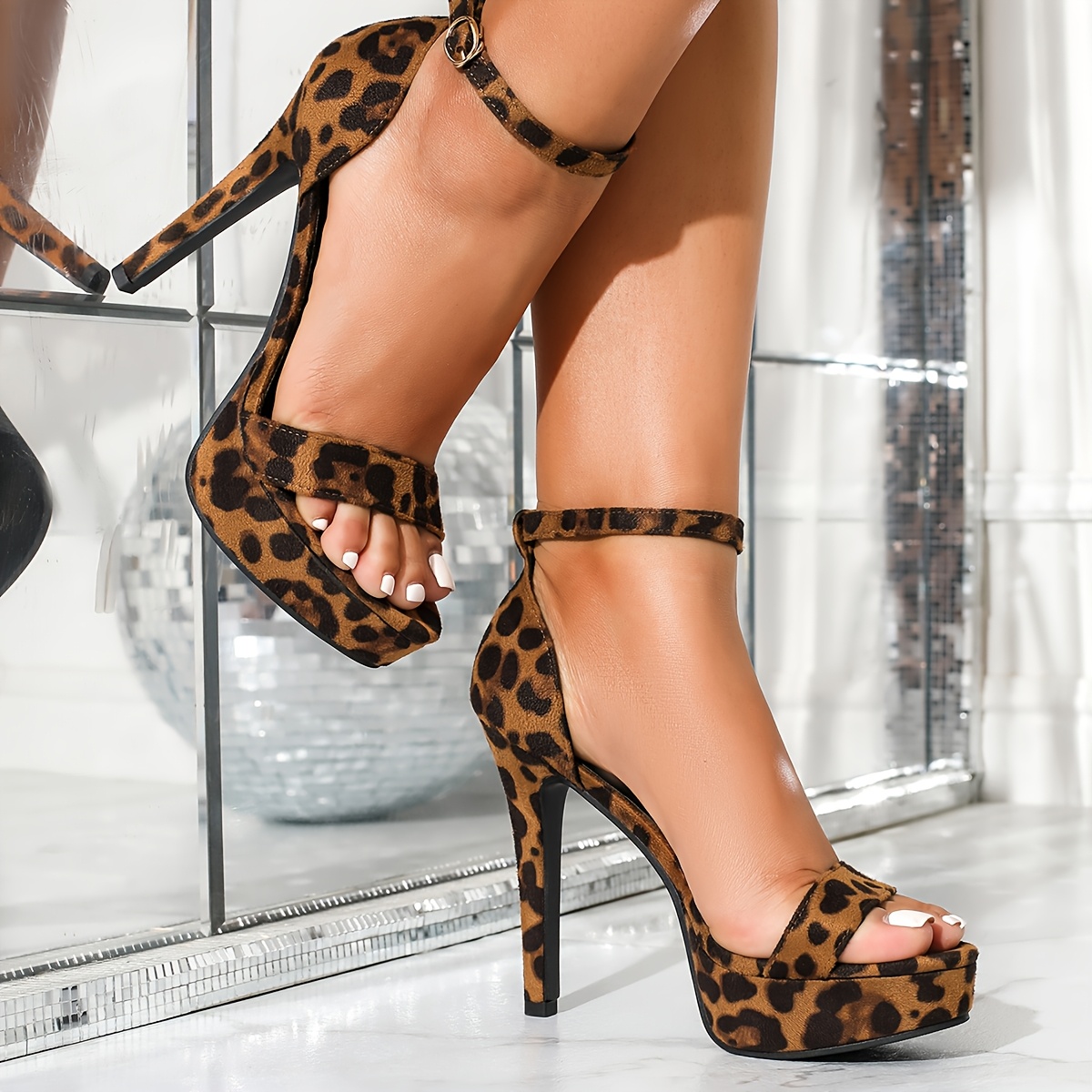
Wearing them past October
Animal print gets filed under autumn, which is a waste. The print doesn’t change with the weather, only the shoe around it does.
Spring: a closed pump under a light trench with pale denim. Summer: an open sandal with white linen and nothing else, since the print is already carrying the outfit. Autumn is the easy one, since rust and olive and gold all sit near the print’s own colors. Winter needs weight, so I wear mine with a black wool coat and opaque tights, which works better than it should.
Tights are the one accessory I’d bother with. Sheer black with a cheetah pump looks deliberately undone, and opaque black looks like a decision. Both work. Nude tights do not, on anyone, with anything.
The one season that fights it is high summer on a beach. Leather, heat and sand don’t mix, and the print starts to look like a costume. Leave them home.
Bags are the other trap. A print shoe next to a print bag is two people talking at once, and neither gets heard. Solid leather, brown or black, and the whole outfit calms down. On the rare occasion I break this rule, I make sure the two prints share a color so the eye has something to hold onto.
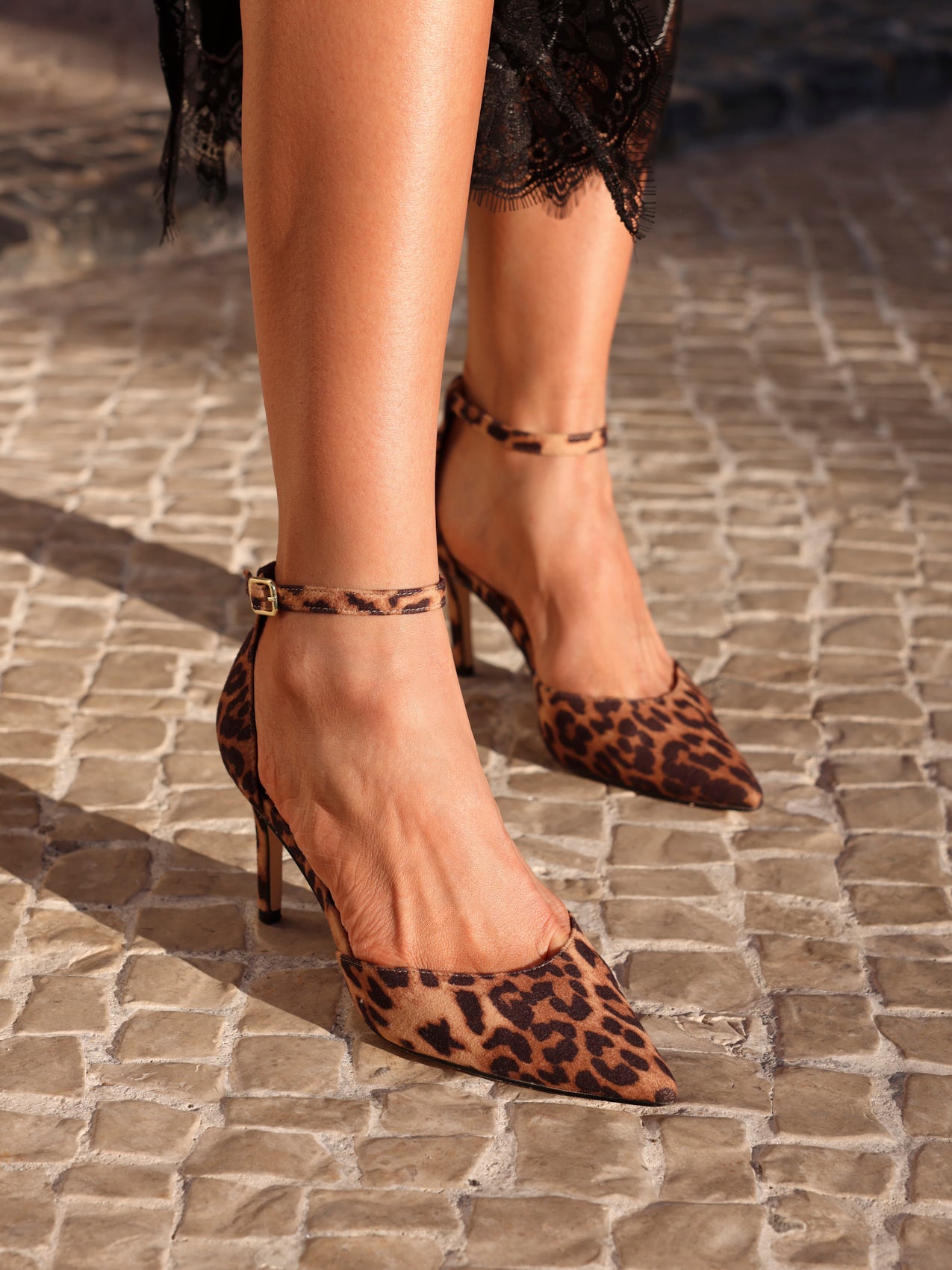
What I’d do differently
Buy one pair, in a shape I already know suits me, from a brand I can return to. That’s it. No experimenting with silhouette and print at the same time, since you’ll never know which one was wrong.
Then wear them somewhere slightly uncomfortable the first time. A long lunch, a work presentation, a party where you’ll be standing for three hours. Heels tell you everything they’ve got to say in the first two of those, and a printed pair is no different.
The other change: I now buy the print in a mid-tone rather than the highest-contrast version on the shelf. Black spots on pale gold is the dramatic choice and it’s the one that goes out of style fastest. Brown-on-brown reads subtler and pairs with about four times as many outfits, which is the entire point of buying a shoe you’ll wear 40 times a year instead of four.
Price is the last variable. The $38 pair cost $38 and lasted six weeks, which is $6.30 a wear. The pair I have now cost $165 and has been worn maybe 130 times, so it’s already under $1.30. Neither number is the one the shop shows you, and the second one is the only one that matters.
Sales on prints are real, by the way. Seasonal patterns get marked down harder than plain black, because buyers are cautious about them. That’s the moment to buy a good one at half price, not the moment to buy three cheap ones.
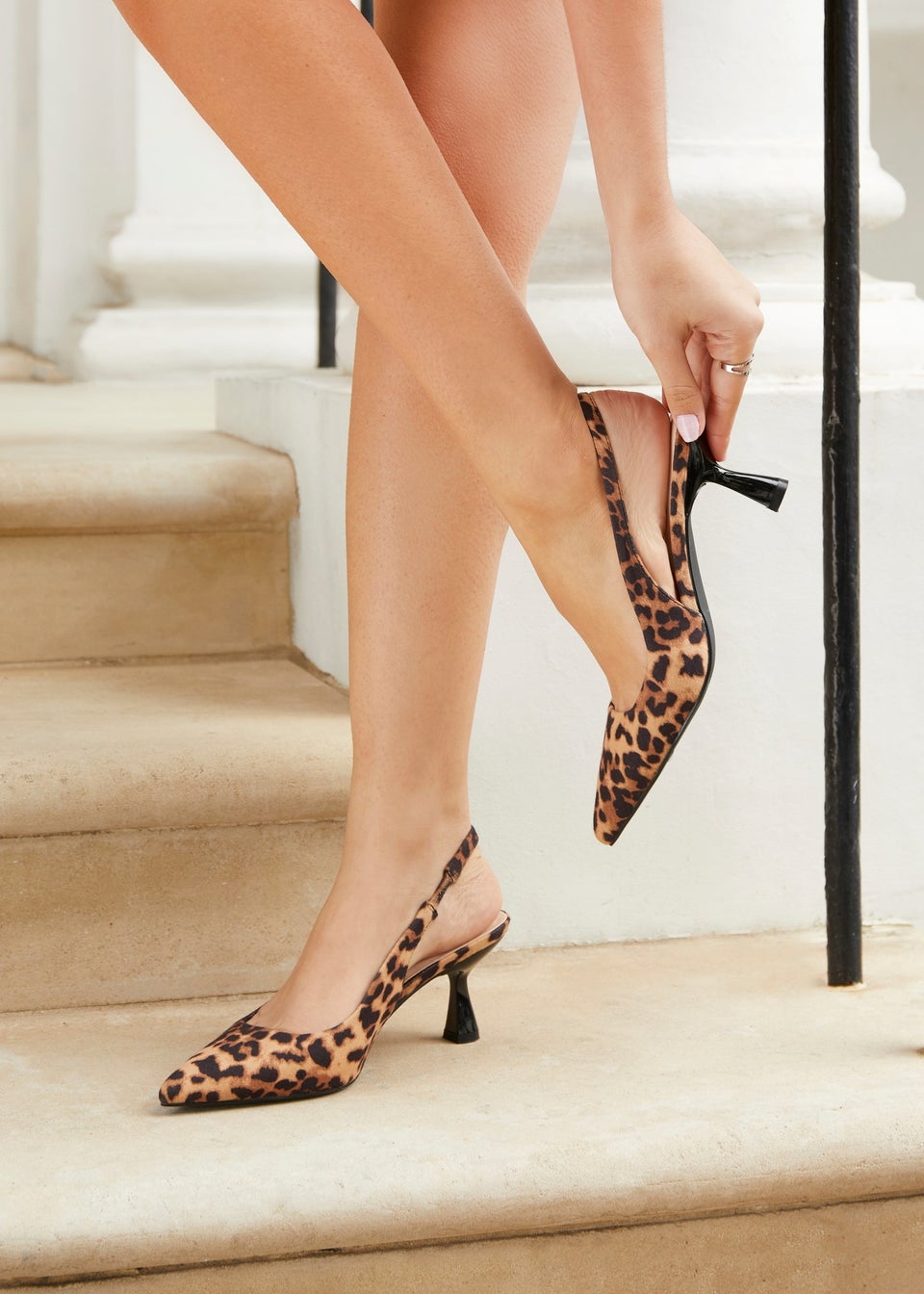
My current pair is three years old, scuffed at the toe, and resoled once for $55. If a shoe survives three years of being worn badly, the pattern was never the problem. You just have to buy the right shoe underneath it.
