

Burberry Heels: What Actually Changes With the Season
Most shoes give you about four months a year. A pair of Burberry heels gives you twelve, and that’s the only reason I’d argue for the price. Mine have been through a wet April wedding, a hot July pavement, and a January train platform with ice on it.
They’re not magic. They’re just built like the coats, which is a narrower compliment than it sounds.
What makes a Burberry heel easy to actually wear
Start with the coat. Thomas Burberry’s gabardine was made to keep weather out without turning into rubber, and the house has been applying that logic to everything since. On shoes it shows up as a heel that’s a block or a sturdy stiletto rather than a needle, and leathers that have been treated rather than left raw.
The check is the part people get wrong. It’s a strong mark, and a strong mark on a small object can go from heritage to loud in one step. The versions that work keep it small: a flash on the ankle strap, a lining only you see, a strip along the heel. A full check upper is a different shoe for a different person.
Heel height is the practical fork. 85mm is the classic and it looks like the brand. 70mm is the one you can wear from 8am to a dinner and still stand up from the table. I’ve owned both, and the 70mm pair gets worn four times as often, which tells you what matters.

Spring is for the pale pair
March and April want something light, and this is when the nude or beige version earns its place. Dark shoes with a pastel dress in early spring look like you’re still in winter, and black especially so.
Pair a nude heel with a midi dress in a washed-out blue or a soft green, and let the shoe vanish. That sounds like a waste of money until you see how much longer the leg looks when the shoe matches your skin rather than the outfit.
The check works here too, but keep it as an accent. A check ankle strap under a plain trouser is the version I’d recommend to someone who wants one recognizable thing and nothing more.

Summer wants less shoe
By June, anything with a closed toe starts to feel like a punishment. This is where the sandal heel comes in: a single strap across the toes, one around the ankle, a block heel in a sun-bleached tan.
Two things to check before you buy a summer pair. First, the strap width. A thin strap on a heavy foot looks like it’s holding on for dear life. Second, the insole. Bare feet on leather get slippery after an hour, so a suede-lined footbed is worth paying for.
Style them with a linen shirt dress or wide shorts, and nothing else. Honestly, the best summer version of a luxury heel is the one you forget you’re wearing by lunchtime.
Watch the insole color. Light beige linings show every mark from a sweaty afternoon, and by August you have a grey footprint inside a $700 shoe. Darker linings look the same from outside and hide all of it.
Autumn is where these shoes live
Suede in oxblood or a deep forest green, with textured tights and a wool skirt, under the trench coat the brand is named for. That’s the outfit the whole design language was built for, and it takes about ninety seconds to put together.
This is also where the wear shows up. Suede in autumn rain is a gamble, and one soaking will leave the nap flattened across the toe. Mine have a slightly smooth patch on the left foot from a walk in November that I’ve stopped noticing but wouldn’t pretend isn’t there.
Color here is simpler than it looks. Oxblood, forest green and dark brown all sit next to the season’s wool without arguing. Black boots do the same job, but they read formal in a way that brown and green don’t on a Tuesday. If you own one trench coat, put the brown pair under it. That combination has been working since the 1920s for a reason.

Winter is a test of nerve
Ice and a slim heel are not friends, and anyone who says otherwise hasn’t walked a driveway in February. What works is a boot with a slightly thicker sole and a tread you can feel with a fingernail.
The proportion trick for winter is contrast in weight. A narrow boot under a big coat looks intentional. A chunky boot under a big coat makes you look like a bag of laundry, which is comfortable and not the point.
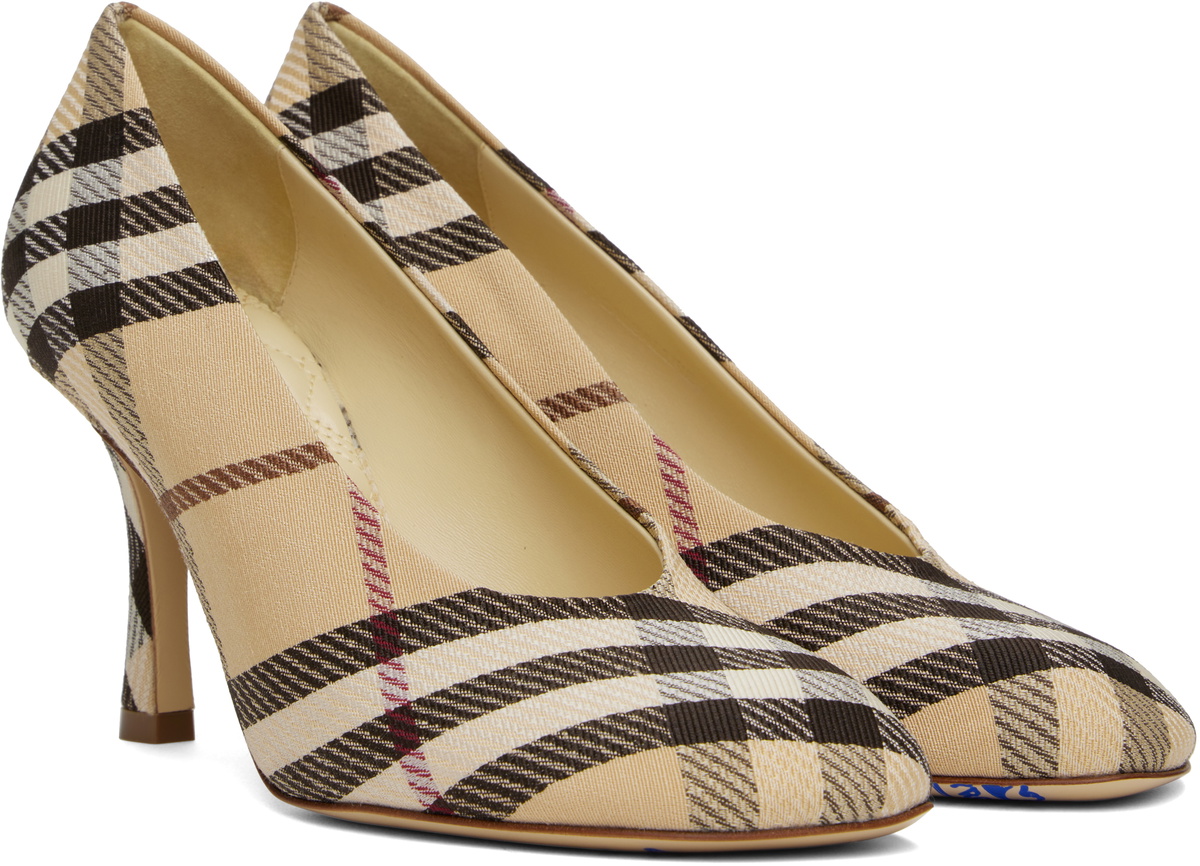
Buy one pair, not four
The temptation with a brand like this is to buy a shoe for each season. Do the opposite. One good pair, resoled twice, covers more of the year than four pairs that each do one job.
Which shape though? If you wear mostly trousers, a pointed pump in black or dark brown will outlast everything else in your wardrobe. If you wear dresses more than trousers, the slingback earns its place, since the strap makes a size difference forgivable. And if you walk a lot, get the block heel and stop apologizing for it.
Sizing runs a half size small in the pointed styles, in my experience. Try both numbers if you can, and remember that leather gives about 3mm across the width after a month. It doesn’t give in length, so never buy short hoping it’ll stretch.
A word on price. End-of-season and outlet stock is where these become sensible, and the discounts are real on seasonal colors. Classic black and tan rarely drop, so waiting for a sale on those is a waste of a season. Check the sole and the heel tips on anything discounted, since returns are usually final.
Resoling is the other number people forget. A good cobbler charges $60 to $80 and buys you three more years. Compared with replacing the pair, it’s the cheapest thing in this whole calculation.
If you only take one thing from this: buy the 70mm, in a color that matches your legs rather than your coat, and wear them in the rain once so you stop treating them like china. They’re shoes. They’re meant to be walked in.
