

Elevate Your Outfit with a Touch of Playful Elegance
Fashion is not merely about covering the body; it is a dynamic language of self-expression, a canvas where personality meets perception. Among the myriad of sartorial choices, certain pieces possess the transformative power to inject both sophistication and a sense of whimsy into an ensemble. This delicate balance—playful elegance—is not an abstract concept but a wearable art form. It is the unexpected detail that commands a second glance, the classic silhouette reimagined with a twist. Today, we explore how a single, potent accessory can serve as the cornerstone of this aesthetic, acting as both a focal point and a harmonizing element. We will dissect the principles of color psychology, silhouette engineering, and stylistic contrast, grounding our discussion in objective insights from design theory and cultural commentary. Our journey will demonstrate that elevating your daily attire is an accessible art, blending proven style tenets with personal flair.
The Psychology of Playful Elegance: Beyond First Impressions
The fusion of “playful” and “elegance” might seem paradoxical, but in cognitive and social psychology, it represents a powerful combination. Elegance, often associated with simplicity, refinement, and grace, communicates competence and authority. Playfulness, characterized by spontaneity, curiosity, and joy, signals approachability and creativity. When merged, this duality creates a compelling and memorable impression. Dr. Jennifer Baumgartner, a clinical psychologist and author of “You Are What You Wear,” notes that clothing choices directly impact both the wearer’s psyche and the observer’s perception. A strictly elegant outfit may convey authority but also distance; a purely playful one might suggest creativity without gravitas. The intersection is where true style personality shines. This concept is echoed in the world of design. The Bauhaus school, a seminal force in modern design, championed the marriage of form and function but also valued the “play” in material and color—a principle that translates seamlessly to fashion. A garment or accessory that embodies this philosophy doesn’t just adorn; it communicates a multifaceted identity. It tells a story that you are serious about your presentation but do not take yourself too seriously to embrace joy. This psychological foundation is crucial for understanding why certain items, like a pair of bow red heels, become more than footwear; they become narrative devices in your personal style story.

Deconstructing the Power of a Signature Element: The Case for Bow Red Heels
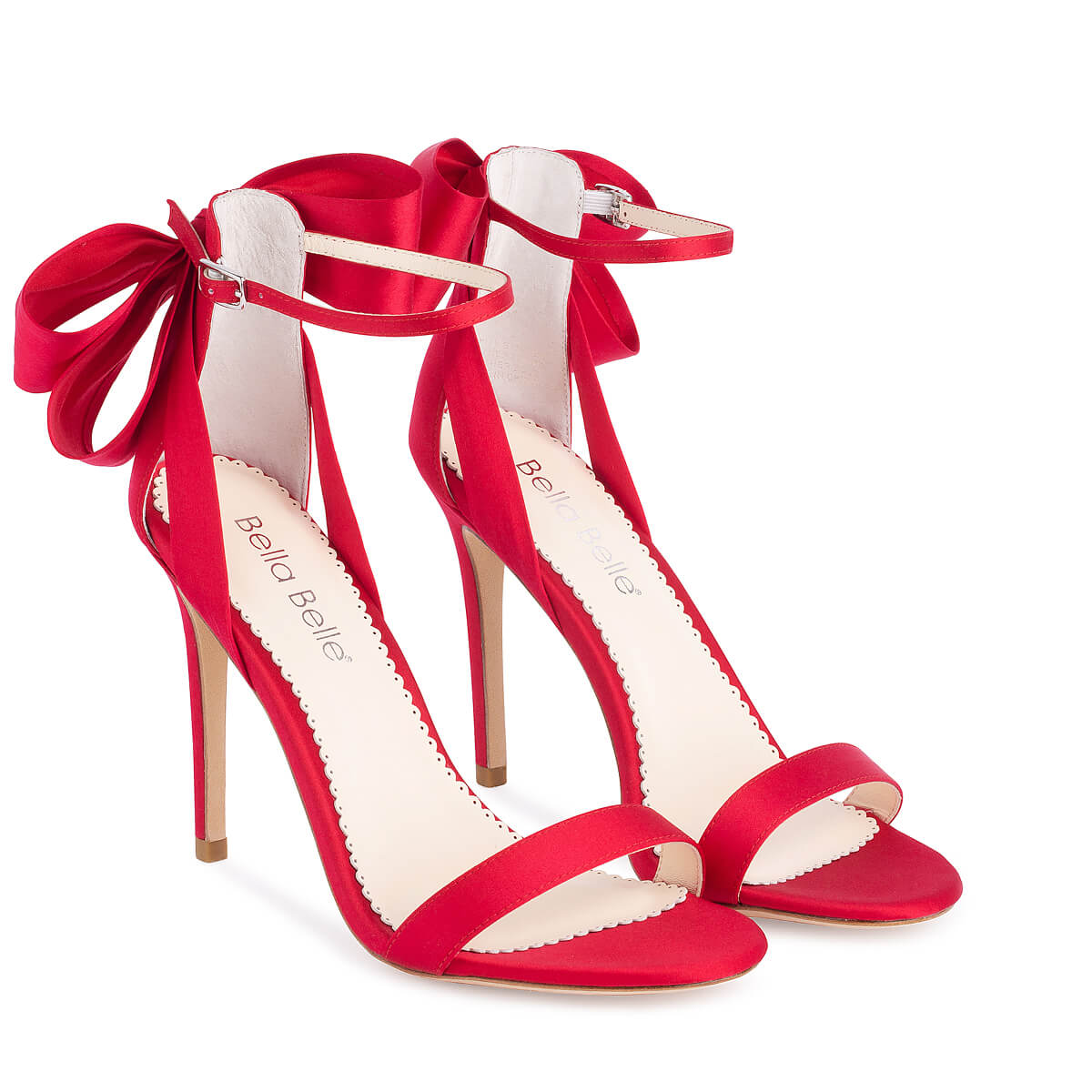
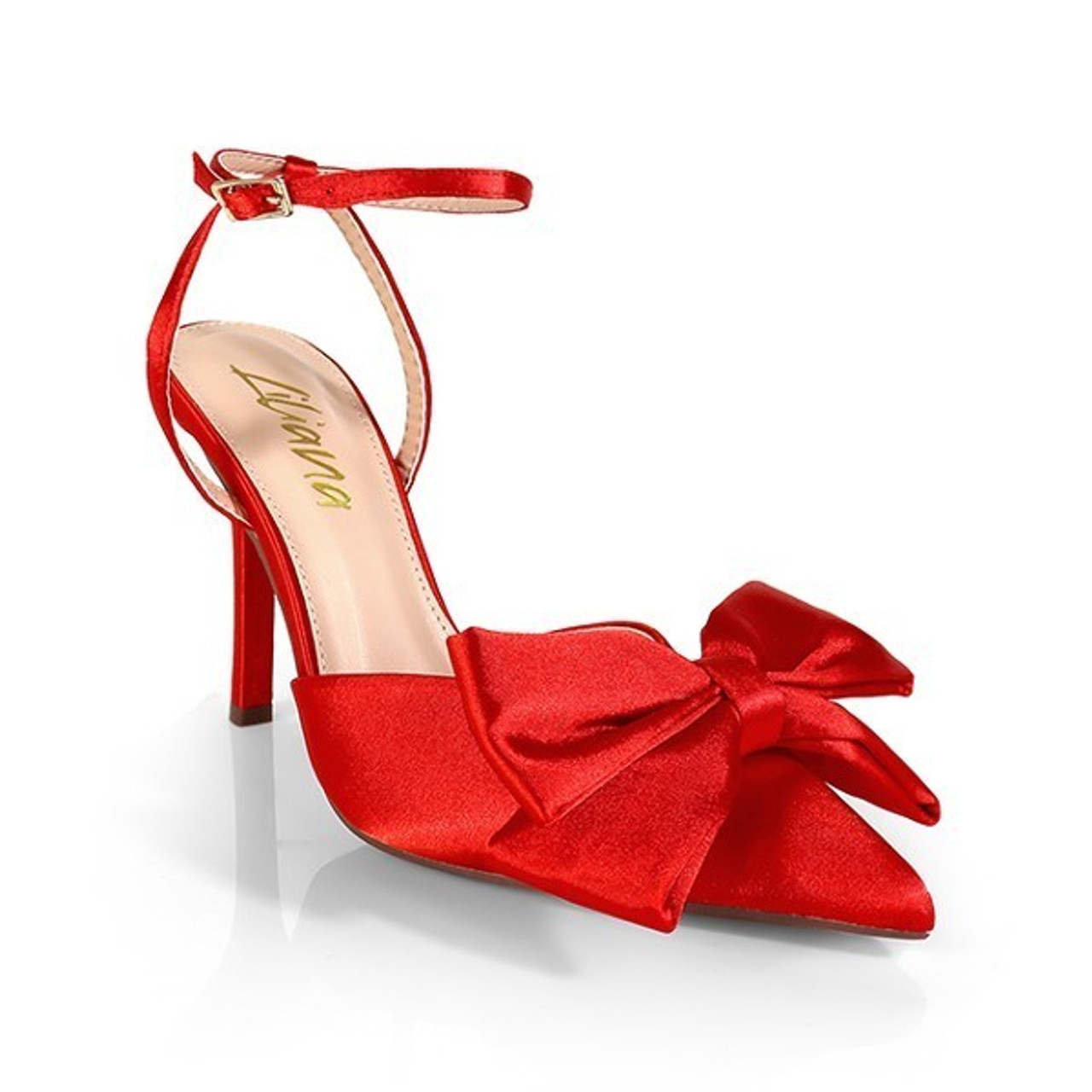
To illustrate the principle of playful elegance tangibly, let us consider a specific archetype: the bow red heels. This choice is not arbitrary. Its power lies in a scientific and cultural deconstruction of its components. First, the color red. Across cultures and disciplines, red is a high-arousal color. In color psychology, it is associated with energy, passion, confidence, and action. A study published by the University of Rochester found that the color red can enhance attention to detail and increase performance on tasks requiring vigilance. In social contexts, research has indicated it can be perceived as a signal of status and dominance. From a cultural standpoint, red has been a symbol of luck in China, revolution in politics, and love in Western iconography. Second, the heel. Anthropologically, heels have signified elevation—both literal and social. From Persian cavalry to European aristocracy, heels denoted power and mobility. In contemporary silhouette analysis, a heel alters posture, elongates the leg line, and introduces a structural element that suggests formality and intention. Third, the bow. This is the “playful” modifier. As a design element, a bow introduces softness, texture, and a hint of nostalgia or femininity. It references gift-wrapping, celebration, and careful embellishment. Fashion historian Valerie Steele, director of The Museum at FIT, has often discussed how details like bows can subvert or soften the severity of a garment, adding a layer of personal touch and historical reference. Therefore, a pair of bow red heels is a tripartite statement: the red commands attention and communicates confidence, the heel structures the silhouette with elegance, and the bow injects a precise dose of whimsy and charm. It is a masterclass in balanced design.
Strategic Integration: Building Outfits Around a Focal Point
Owning a statement piece like bow red heels is only the first step; its magic is unlocked through strategic integration. The key is to let the heels be the undisputed star. This requires a mindful approach to the rest of your ensemble. Begin with a neutral foundation. A classic little black dress, tailored cream trousers with a crisp white shirt, or a well-fitted navy sheath dress provide a serene canvas. The monochromatic or neutral base prevents visual competition, allowing the red hue and bow detail to pop with intention. This principle aligns with the “accent color” theory in visual design, where 60% of a composition is a dominant neutral, 30% a secondary neutral, and 10% a bold accent. Your heels are that potent 10%. Next, consider texture and line. If the heels are sleek patent leather with a satin bow, you might contrast them with the soft drape of a cashmere sweater or the rugged texture of raw-denim jeans (cuffed to highlight the shoes). This creates tactile interest. Finally, use repetition sparingly. A minuscule touch of red elsewhere—a lip color, a single bracelet bead—can create a cohesive look without diminishing the shoes’ impact. Remember the words of style icon Iris Apfel: “More is more and less is a bore.” However, her famed maximalism is always carefully curated. The playfulness comes from the bold choice of the shoes themselves; the elegance is maintained through the restraint and quality of the supporting pieces. You are not just wearing shoes; you are composing an outfit where every element has a relationship to the central theme.
From Day to Night: The Versatility of a Playful Anchor
A common misconception is that playful elegance is reserved for special occasions. The true test of a transformative piece is its adaptability. Let’s trace a day with our bow red heels. For a professional daytime setting, pair them with a charcoal gray tailored suit. The severity of the suit is instantly lifted by the vibrant, thoughtful detail at your feet, signaling creative confidence within a corporate framework. It challenges the unspoken rules of office wear without breaching them. For a sophisticated lunch or gallery visit, combine them with dark, high-waisted jeans and a simple black turtleneck. This “French girl” formula relies on impeccable basics elevated by one extraordinary accessory. The bow red heels transform a casual outfit into a deliberate style statement. As evening approaches, transition seamlessly by swapping the jeans for a fluid, midi-length black skirt or a slip dress. The heels already carry inherent drama and festivity, making them perfect for dinner dates or cocktail parties. This versatility is economically and stylistically intelligent. It echoes the “capsule wardrobe” philosophy advocated by many stylists, where a few high-impact, multi-functional items yield endless combinations. As Tim Gunn, renowned fashion consultant, often emphasizes, it’s about “making it work.” A single pair of powerful shoes can work harder than a closet full of mundane options, providing both playful elegance and practical utility across the spectrum of your life.
Curating Your Toolkit: Principles Over Prescriptions
While we have used bow red heels as a central example, the underlying principles are universally applicable. Playful elegance can be achieved through various vessels: a watch with a brightly colored lizard strap, a structured bag with an unusual clasp, a classic trench coat in a unexpected pastel hue. The process begins with identifying your own style baseline—are you more minimalist, romantic, classic, or eclectic? Then, introduce one element that contradicts or enhances that base in a joyful way. Seek quality in construction and material; elegance is rooted in integrity and fit. The playful element should feel intentional, not like an afterthought. Look to cultural touchstones for inspiration. In film, consider the costuming in “The Royal Tenenbaums” or “Marie Antoinette,” where whimsical details are layered upon period-appropriate elegance. In literature, the descriptions of attire in F. Scott Fitzgerald’s works often capture the glittering tension between societal polish and personal exuberance. Furthermore, leverage resources from authoritative institutions like the Fashion Institute of Technology’s online exhibitions or the Business of Fashion website for analytical insights into trends and timelessness. Your style toolkit is both personal and informed.
An Informed Approach to Acquisition: Value and Authenticity
Embarking on this style journey should be exhilarating, not financially daunting. Bringing professional knowledge to your acquisitions means understanding value beyond the price tag. Invest in key statement pieces where design, material, and craftsmanship converge. For other items, high-street brands offer excellent quality for the price, especially for the neutral foundational garments. Always look for natural fibers where possible, clean finishing, and flattering fits. The digital age provides unparalleled access to both luxury and affordable options. Utilize price comparison tools, sign up for alerts from your favorite retailers, and consider pre-owned platforms for authentic designer finds. Remember, a single, perfect pair of bow red heels from a mid-range brand that you love and wear constantly offers far greater value and style impact than multiple impulse buys that languish in your closet. Style is an evolution, not a revolution. Build thoughtfully, guided by the dual stars of playful spirit and elegant execution.

Ultimately, fashion’s greatest purpose is to empower the individual who wears it. Playful elegance is a philosophy that rejects the binary of serious versus frivolous. It is an invitation to engage with your wardrobe as a source of both confidence and joy. It proves that attention to detail is a form of self-respect and that a touch of whimsy is a sophisticated choice. By understanding the psychology, deconstructing the elements, and strategically curating your looks, you transform getting dressed from a routine into a creative act. Let your choices—whether they are a pair of standout shoes or another cherished detail—tell the world that you appreciate the rules of aesthetics but are not afraid to rewrite them with a smile. Your outfit is your opening statement; make it intriguing, make it polished, and above all, make it unmistakably you.
