

The Ultimate Guide to Walking Shoes That Elevate Your Outfit
For years, the narrative around footwear has been rigidly divided: here are the shoes for performance, and over there are the shoes for style. This false dichotomy has led to closets filled with specialized, single-purpose footwear and a pervasive sense of compromise. We lace up clinical-looking sneakers for miles of pavement pounding, only to feel sartorially adrift, then switch to sleek fashion shoes that leave our feet pleading for mercy after a few blocks. But what if the most empowering item in your wardrobe could seamlessly bridge this gap? The right pair of shoes to walk in is not a surrender to comfort over style, nor a mere practical afterthought. It is the foundational piece that unlocks a confident, capable, and effortlessly polished personal aesthetic. This guide dismantles the old rules, proving that the shoes designed for movement can, and should, be the centerpiece of an elevated outfit.
The Anatomy of Elevation: Where Biomechanics Meets Design
To understand how a walking shoe can transcend its functional roots, we must first appreciate the sophisticated engineering within. A true walking shoe is a marvel of applied biomechanics, a term defined by Wikipedia as “the study of the structure, function and motion of the mechanical aspects of biological systems.” This isn’t just marketing jargon; it’s the science of aligning human movement with supportive technology. The critical components are the midsole cushioning, the heel-to-toe drop, and the last (the foot-shaped form around which the shoe is built). Brands like HOKA and ASICS invest millions in research, often in collaboration with institutions like the University of Calgary’s Human Performance Laboratory, to develop foams like EVA and polyurethane blends that provide responsive cushioning—absorbing impact without feeling mushy, thereby protecting joints from the repetitive stress of walking. The rocker geometry in some soles, a concept validated in podiatric literature for facilitating a smoother gait cycle, propels you forward with less effort. When these elements are harmonized within a considered silhouette—perhaps with streamlined proportions, a tasteful use of mesh and suede, or a cohesive color palette—the shoe ceases to be mere gear. It becomes a design object informed by human physiology. You are not wearing a “sneaker”; you are wearing a product of human-centric design that, by its very nature, bestows an air of considered intelligence to your look. The elevation begins from the ground up, with every step supported by invisible science.

Silhouette and Context: The Art of Intentional Pairing
The power of a great walking shoe is fully realized only through intentional styling. The key is to view them not as casual defaults, but as deliberate choices with distinct personalities. Consider the clean, minimalist profile of an all-white leather sneaker from brands like Koio or Common Projects. This style operates on the principle of reduction, echoing the modernist “less is more” philosophy. Paired with tailored wool trousers and a structured blazer, it doesn’t dress down the outfit; it recontextualizes it. The ensemble speaks to a modern, agile professionalism—one that is ready for a day of meetings and a spontaneous walk through the city park without a change of shoes. Conversely, the technical, layered look of a trail-inspired shoe from Salomon or the maximalist cushioning of a HOKA model carries a different narrative. As noted by fashion commentators on sites like Highsnobiety, this “gorpcore” or technical aesthetic gains its style credibility from its authenticity and functionality. Pairing these shoes with wide-leg nylon cargo pants and a performance fleece creates a cohesive, purpose-driven look that is as stylish as it is ready for adventure. The mistake is in mixing narratives haphazardly—a highly technical shoe with a formal suit often creates dissonance. Your goal is harmony: let the shoe’s design language converse with the rest of your clothing. Are you projecting streamlined urbanity or rugged preparedness? The right shoes to walk in become the anchor of that story.
The Material World: Texture as a Signature of Quality
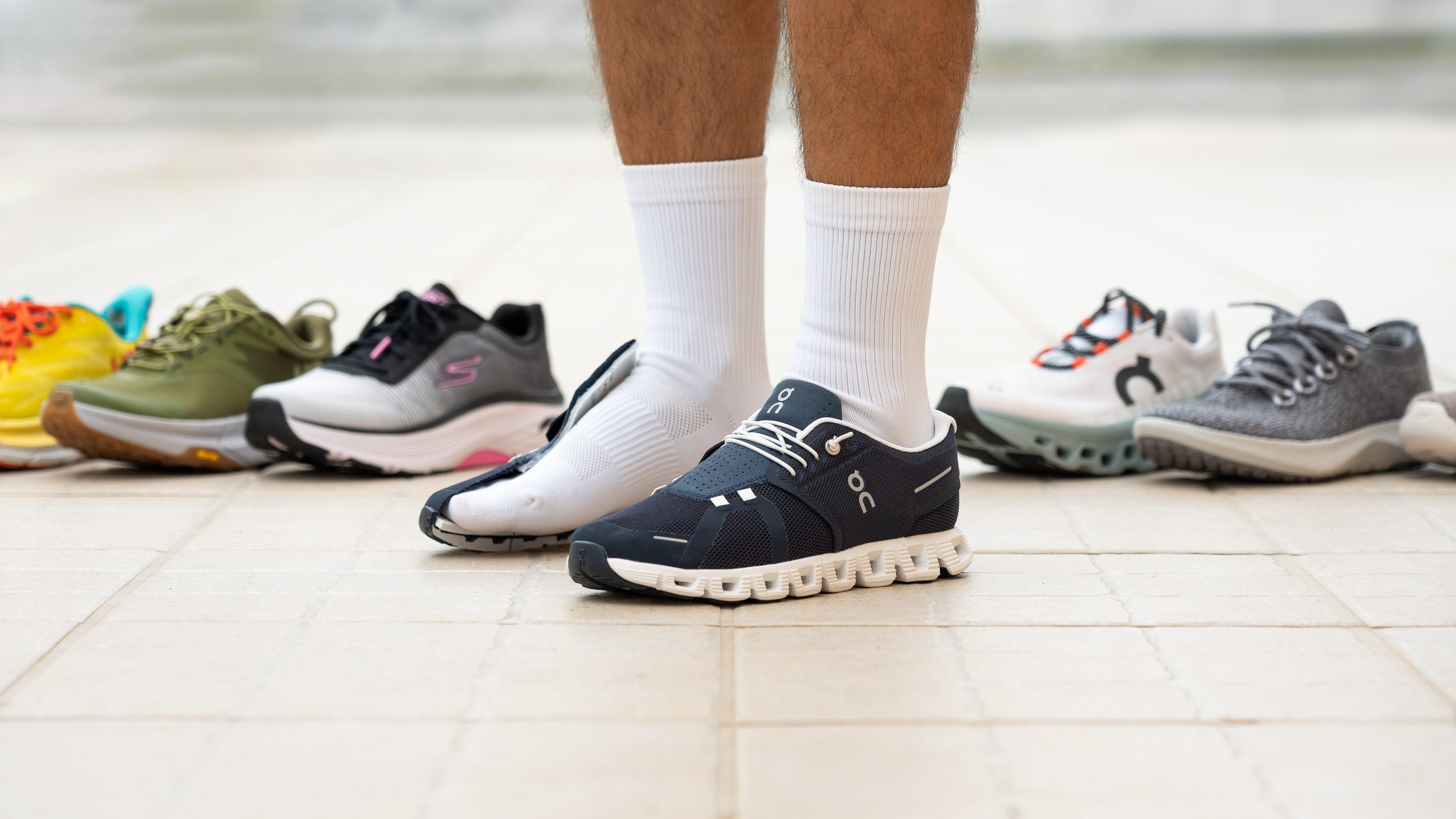
Beyond shape, the materials of your walking shoes are a silent testament to quality and taste. This is where the sensory experience meets visual appeal. Premium full-grain leathers, nubuck, and suede age beautifully, developing a patina that tells the story of your journeys, much like a well-worn leather jacket in a classic film. These materials offer structure and a inherent sophistication. On the other end of the spectrum, engineered knits and technical meshes provide a lightweight, adaptive fit and a distinctly contemporary texture. A brand like Allbirds popularized the use of merino wool uppers, a material lauded for its temperature regulation and softness—a fact frequently cited in sustainability-focused reviews on platforms like YouTube. The choice of material directly impacts the shoe’s character and its suitability for different contexts. A buttery suede walking shoe paired with corduroy or denim creates a rich tapestry of textures that feels both cozy and refined. A sleek, recycled polyester knit model aligns with a monochromatic, tech-focused outfit for a seamless, forward-thinking vibe. When you choose a material, you’re not just selecting for durability or breathability; you’re selecting a tactile element that adds depth and interest to your overall composition. It signals an attention to detail that is the hallmark of elevated dressing.
The Confidence Multiplier: How the Right Foundation Changes Everything
This is the intangible, yet most profound, benefit. There is a unique and potent confidence that arises from being perfectly appropriately and comfortably shod for your day. It’s the confidence to accept a last-minute invitation to explore a new neighborhood, to stand comfortably through a gallery opening, or to navigate a travel day with grace. Your posture improves when your feet aren’t aching. Your demeanor is more open and engaged when you’re free from distraction. As the renowned designer Coco Chanel once insightfully noted, “Luxury must be comfortable, otherwise it is not luxury.” This statement cuts to the core of modern elegance. True luxury is not about visible suffering for beauty; it is about seamless, uncompromising quality of experience. A blister, a pinched toe, or an aching arch is a constant, draining reminder of a poor choice. In contrast, the perfect pair of walking shoes that complements your outfit provides a liberating sense of readiness. They are the ultimate tool for modern life, empowering you to move through the world with agency and poise. This isn’t just about comfort; it’s about capability. When your foundation is solid, both physically and aesthetically, everything else falls into place with greater ease.
:max_bytes(150000):strip_icc()/when-should-i-replace-my-walking-shoes-3436325-0801-7a1840d83573471092e0380f9e230ecc.jpg)
Investment and Iteration: A Practical Philosophy
Adopting this mindset requires a shift from impulsive buying to strategic curation. View your footwear as a rotating portfolio of tools, each serving a specific aesthetic and functional niche. Instead of buying five trendy, disposable pairs, invest in two or three exceptional pairs of shoes to walk in that cover your lifestyle needs: perhaps a minimalist leather style for urban polish, a technical model for weekends and travel, and a versatile mid-range sneaker for everyday errands. Pay attention to the “cost per wear” metric favored by personal finance experts. A $200 pair worn 400 times costs 50 cents per wear and becomes a part of your personal signature, while a $60 pair that hurts your feet and sits in the closet is a total loss. Furthermore, recognize that even the best shoes have a lifespan. Podiatrists and sources like Verywell Fit recommend replacing walking shoes every 300-500 miles, as the midsole foam loses its compressive resilience, diminishing support and increasing injury risk. This isn’t an expense; it’s maintenance for your most valuable asset—your mobility and comfort. Keep an eye on seasonal sales from reputable retailers or direct brand websites, where last season’s colorways of high-quality models can often be found at significant discounts, making superior technology and design more accessible.
The journey toward a wardrobe that is both stylish and supremely functional begins with a single, deliberate step. It begins with rejecting the notion that you must choose between looking good and feeling good. The modern landscape of footwear is rich with options that honor both principles. By seeking out shoes to walk in that are built on scientific principles, crafted from considered materials, and designed with a coherent aesthetic, you do more than buy a product. You acquire a partner for your daily life—a piece that supports your body, completes your outfit, and ultimately, elevates your entire presence in the world. Stop walking in shoes that hold you back. Start walking in shoes that move you forward, in every sense of the word.
:max_bytes(150000):strip_icc()/tal-walking-shoes-test-on-cloud-5-ashleigh-morley-01-f02f544a3dcf4b67b919b810eac77f09.jpeg)
