

You’ve seen the photo. A pair of platform heels women on Instagram are wearing with a slip skirt, and the proportions look perfect: longer legs, tiny ankle, zero effort. Then the parcel arrives and you put them on and suddenly you’re six centimetres taller and walking like you’re on a boat.
Nothing is wrong with you and nothing is wrong with the shoes. The problem is that platform height and heel height are two different measurements, and almost nobody explains the difference before you pay.
Get that one number right and platforms become the most comfortable high shoe in your cupboard. Get it wrong and they stay by the door until you sell them.
The platform does two jobs, and only one of them is height
Everyone knows the first job. It makes you taller without asking your calf to do more work. A 100mm heel with a 40mm platform under the toe means your foot is only pitched up by 60mm, which is roughly the angle of a comfortable block heel.
The second job is the one that matters more: the platform changes where your weight lands. A flat shoe puts your weight through the heel and the ball of your foot. A platform puts it through a rigid slab, so the sole stops bending at all. That’s why a platform feels stable standing still and terrifying in motion. Your foot can’t roll through the step the way it’s designed to.
There’s a long history behind that slab, and the platform shoe entry on Wikipedia covers how the design moved from stage costume into everyday wear. The short version: platforms were built for standing and being seen, and walking was always the compromise.
Which is why the first thing to check is not the total height on the box. It’s the difference between the two.
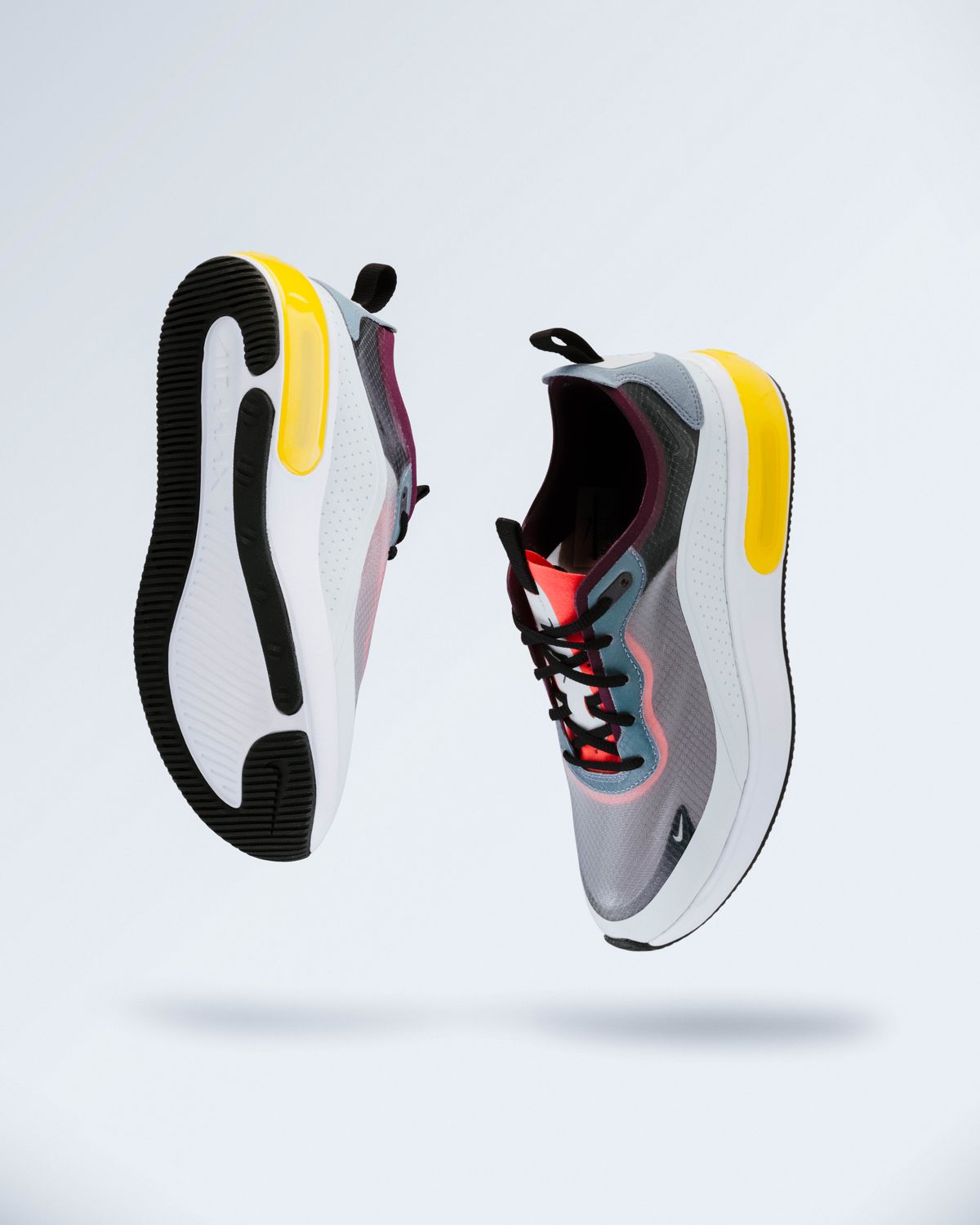
Measure the gap, not the total height
Take the heel height and subtract the platform thickness under the ball of the foot. That number is your real pitch, and it decides whether you’ll wear them for three hours or three seasons.
Some working figures from trying these on for years:
- Real pitch under 40mm: all-day territory. You’ll forget you’re elevated.
- 40mm to 60mm: a normal evening out. Fine for a dinner, starting to ache by midnight.
- 60mm to 80mm: photos and sitting. Great with a car, brutal with a bus.
- Above 80mm real pitch: you’re balancing, not walking. Buy them because you love them, not because you need them.
A 120mm heel with a 60mm platform is a 60mm shoe. A 90mm heel with a 10mm platform is an 80mm shoe that also happens to be tall. The second pair is the one that catches people out, because the box says 90 and the pavement says otherwise.
If you can’t find the platform measurement online, look at the side profile photo and compare the front slab to the heel. The eye is surprisingly accurate at this. Or bring a ruler to the shop, which sounds fussy until you’ve spent €150 on a pair you can’t walk in.
Why a wide base feels steadier than a stiletto at the same pitch
Stability isn’t really about height. It’s about the surface area under your foot and how far the base extends past your toes and heel. A platform with a 90mm-wide forefoot gives your ankle something to correct against. A slim stiletto at 80mm gives it nothing.
This is also why chunky platform heels photograph as “clumpy” and feel amazing. The bulk is doing work. A friend of mine who works weddings describes her 70mm platforms as “the only heels I can carry a tray in”, which is about the highest praise a shoe can get from someone on her feet for nine hours.
Two things to look for in the shop. First, press your thumb into the platform edge. If it flexes, it will roll under you on uneven paving. Second, stand on one foot and count to ten. If your ankle is making constant tiny corrections, the base is too narrow for your foot, whatever the size label says.
One caveat on the other side: a very wide, very rigid platform on cobblestones is its own kind of dangerous. The base catches on every gap. If your route involves old paving, keep the platform under 35mm and take the extra height in the heel instead.
Where the weight sits: rocker soles and toe-off
A normal shoe bends at the ball of your foot, which is what lets your heel lift while your toes stay down. A platform can’t bend, so the shoe has to be shaped to do that job instead. That shape is called a rocker, and you can see it as a slight curve at the front of the sole.
Without a rocker, a platform turns walking into a series of flat-footed steps. You’ll feel it in your shins first, then your lower back. With a rocker, the shoe rolls forward for you and the whole thing feels less like wearing a brick.
Test it by standing and rocking forward onto your toes. The shoe should carry you forward a little on its own. If it just tips and stops, the sole is flat and you’re going to work for every step.
Heel strike matters too. A platform lands hard because there’s no cushioning in a slab of rubber or wood, so the impact goes straight up your leg. That’s why a thin insole genuinely helps here, more than it does in a sneaker. A 5mm memory foam or leather insole takes the edge off without changing the fit much.
Sizing and straps: the two places platform heels women get hurt
Platforms run big more often than they run small, because the rigid sole doesn’t hug your arch the way a flexible one does. Your foot slides forward into the toe box with every step, and after twenty minutes your toes are pressed against the front. Half a size down is common, especially in slip-on styles.
If there’s an ankle strap, that changes the maths. A strap holds your foot back, so you can keep your usual size and let the strap do the work. No strap plus a smooth leather insole equals sliding, in which case size down or add a heel grip.
The bigger issue with straps is placement. One that sits right on the ankle bone will rub through skin in about an hour. Look for a strap that crosses above the bone, or one with a small elastic panel. It’s a two-millimetre design difference and it decides whether the shoe is wearable.
Wide feet need a specific warning here. Most platform toe boxes are cut narrow and shallow because that’s what the silhouette wants. If you know your feet are wide, look for square or round toes rather than pointed ones, and give yourself an extra 5mm at the front. A pointed platform with no give is the least forgiving shoe shape there is.
How many steps you’ll take decides the height you should buy
Most platform heels women buy are chosen by how they look in a full-length mirror, standing still, for about forty seconds. That’s the least demanding thing you’ll ever ask of them.
Count your day instead. A short commute plus an office job is maybe 2,500 steps, most of them on flat floors. Dinner and a taxi is 800 steps. A wedding, a museum, or a day of shopping is 8,000 to 12,000, and that’s before you add standing around in queues.
The rule I use: up to 3,000 steps, take whatever real pitch you like the look of. Between 3,000 and 6,000, cap it at 50mm. Above 6,000, stay under 40mm and make sure the base is wide. A 60mm pitch over 10,000 steps is a decision your knees will remember on Monday.
Standing is a separate tax that people forget to count. A platform is genuinely good at standing, because the rigid sole spreads your weight instead of concentrating it at the ball of the foot. If your day is a gallery opening rather than a walk, you can go higher than the step count suggests.
Footwear historians tend to agree on this, incidentally. The history of high-heeled footwear is full of shoes designed for display and ceremony rather than distance, and platforms followed the same path. Standing shoes and walking shoes have been different objects for centuries. Pick which one you’re buying.
Walking in them without the toddler waddle
Most people clomp in platforms because they’re trying to walk normally. You can’t. The sole doesn’t flex, so you have to change the step.
- Land flat, not on the heel edge. Heel-first on a rigid sole makes a thud and pitches you back. Come down with the whole sole roughly level.
- Shorten your stride by about a third. Long steps are what make people look drunk in platforms.
- Look ahead, not down. Looking at your feet shifts your weight forward and kills your balance. Pick a point three metres ahead.
- Walk the seam of the pavement for the first ten minutes. It’s a flat line and it teaches your legs the new stride before you hit a crowd.
- Take them off at the first sign of a wobble. Rolling an ankle in a rigid platform is worse than in a normal heel because there’s no give to absorb it.
Give it three or four short wears before you judge them. The muscle memory is real, and by the second week the waddle disappears. Most platform heels women give up on were abandoned on day one, at the front door, in the first ten minutes.
Proportion: what to wear with a platform, and what fights it
Platforms add height at the bottom of the silhouette, so the hem has to agree. Wide-leg trousers that graze the top of the platform look intentional and hide the join entirely. Full-length straight jeans over a chunky platform is the easiest outfit in this whole category. Cropped trousers are the risky one, because they cut the leg at the widest part of the shoe.
Skirts work better short or long. A mini with a platform reads deliberate. A midi that stops mid-calf with a platform creates a heavy bottom third, and no amount of heel fixes it.
For work, platform heels women can keep on for eight hours need a real leather upper and around a 40mm pitch. That’s the compromise that actually holds up. Something like commuting heels with a low, stable base does the job without announcing itself. For weddings where you’ll be standing from 3pm to 11pm, a thicker base is worth the bulk, and thick-heeled wedding shoes in larger sizes is where I’d start looking rather than gambling on a slim pair.
If your everyday shoe is already a block heel, the numbers behind comfortable block heels are the same numbers that apply here. And if you want something quieter for the office, 40mm kitten heels that finish an outfit sit at the other end of the scale entirely.
Three platform styles I’d leave on the shelf
The 120mm club platform with a 20mm front. It looks incredible under a light and it’s a genuine ankle risk on a wet street. If you want that look, get it in a boot with a wider base so the ankle is supported.
Foam-soled platforms. They’re light, which is seductive, but foam compresses unevenly and after two months one shoe sits lower than the other. You’ll feel it in your hip before you see it.
Cheap coated platforms with a glued sole. The glue line is where they fail, usually in the rain, usually at the front. Run your fingernail along the join between upper and sole. If you can feel a lip, it’s a shelf-life problem.
What I’d buy instead: a leather or suede platform with a stitched sole, 40mm to 60mm of real pitch, and a base wide enough that you can stand on one foot without thinking about it. That pair will outlast three trend pairs and you’ll actually wear it.
Before you commit, do the one-foot test in the shop and count to ten. If you’re still steady at ten, they’re yours. If you’re grabbing the shelf at four, no discount is big enough. Browse the heeled styles currently on the site with a ruler in hand, or start from the full shoes section if you want to compare platform heights side by side. Ten minutes of measuring beats another pair sitting unworn by the door.
