

Your shoes fit differently at 3pm in July, and that’s the whole problem
Here’s a scene. It’s 31°C, you’ve been on your feet since 8am, and your right shoe has started rubbing the outside of your little toe. This morning the same shoe was fine. Nothing about the shoe changed. Your foot did.
Feet swell in heat. Blood vessels widen, fluid pools, and the whole foot gains volume through the day, more so when it’s warm and you’re walking. A shoe bought at 10am in April is a different fit from the same shoe at 4pm in August.
That single fact explains most summer shoe misery: blisters on the outside of the toe, a heel that suddenly lifts, laces that feel tight across the instep by lunchtime. So before anything about mesh panels and breathability, get the timing right. Shop for summer walking shoes in the late afternoon, after you’ve been walking, and try them on with the socks you’ll actually wear.
If you’re buying online, size for your evening foot and treat morning looseness as normal. Most women who return summer shoes for being too small bought them at the wrong hour, not in the wrong size.
Worth knowing how much swelling to expect. On a warm day with 8,000 steps, a foot can gain enough volume to move up nearly half a size. On a cool day with 2,000 steps, almost nothing. That’s why the same pair can feel perfect in May and cruel in August, and why “they were fine last summer” isn’t evidence of anything except that last summer was cooler.
There’s a practical trick I use now. Buy summer shoes with about 8mm of space at the toe and a heel that’s snug but not tight when your feet are at their largest. Then, if they’re slightly loose in the morning, a thin insole or a thicker sock closes the gap. Starting snug and hoping they’ll stretch is the wrong direction, because mesh doesn’t stretch much and leather stretches exactly where you don’t want it to.
Mesh is not automatically cooler than leather
Every summer shoe claims breathability. The label doesn’t tell you much, because a cheap mesh with a sealed lining underneath is hotter than an unlined leather shoe.
What matters is whether air can travel through the whole stack. Three things to check:
- The lining. Unlined or thin textile linings breathe. A waterproof membrane does not, whatever the upper is made of.
- The tongue. Padded, sealed tongues trap heat against the top of your foot, which is where you notice it first.
- The insole surface. Fabric-topped insoles wick. Smooth synthetic or coated foam turns slick within an hour.
Perforated leather is a genuinely good summer option for city walking, and it’s often overlooked because it doesn’t look technical. Small holes plus no membrane equals real airflow, and leather holds its shape when it’s damp from sweat, which mesh doesn’t.
What leather won’t do is dry fast. If you get caught in a downpour, a leather walking shoe needs 24 hours with newspaper inside. A mesh pair is wearable by the evening. That’s the trade, and it’s worth deciding which failure mode you’d rather have. There’s a longer comparison in the piece on waterproof walking shoes that actually keep rain out.
One thing to ignore: the word “ventilated” on its own. Real ventilation means you can see daylight through the upper if you hold it up, or feel a breeze when you blow through the side panel. If neither works, the mesh is decorative and the shoe will run warm. I’ve bought a pair like that, all texture and no airflow, and spent a whole July regretting the nine pounds I saved.
Also check the ankle collar. Thick padding around the opening is comfortable for the first hour and stifling by the third, because it seals the only place hot air was escaping. Thin, soft collars with a mesh panel behind them are cooler, even though they look less cushioned.
The sock decision matters more than the shoe
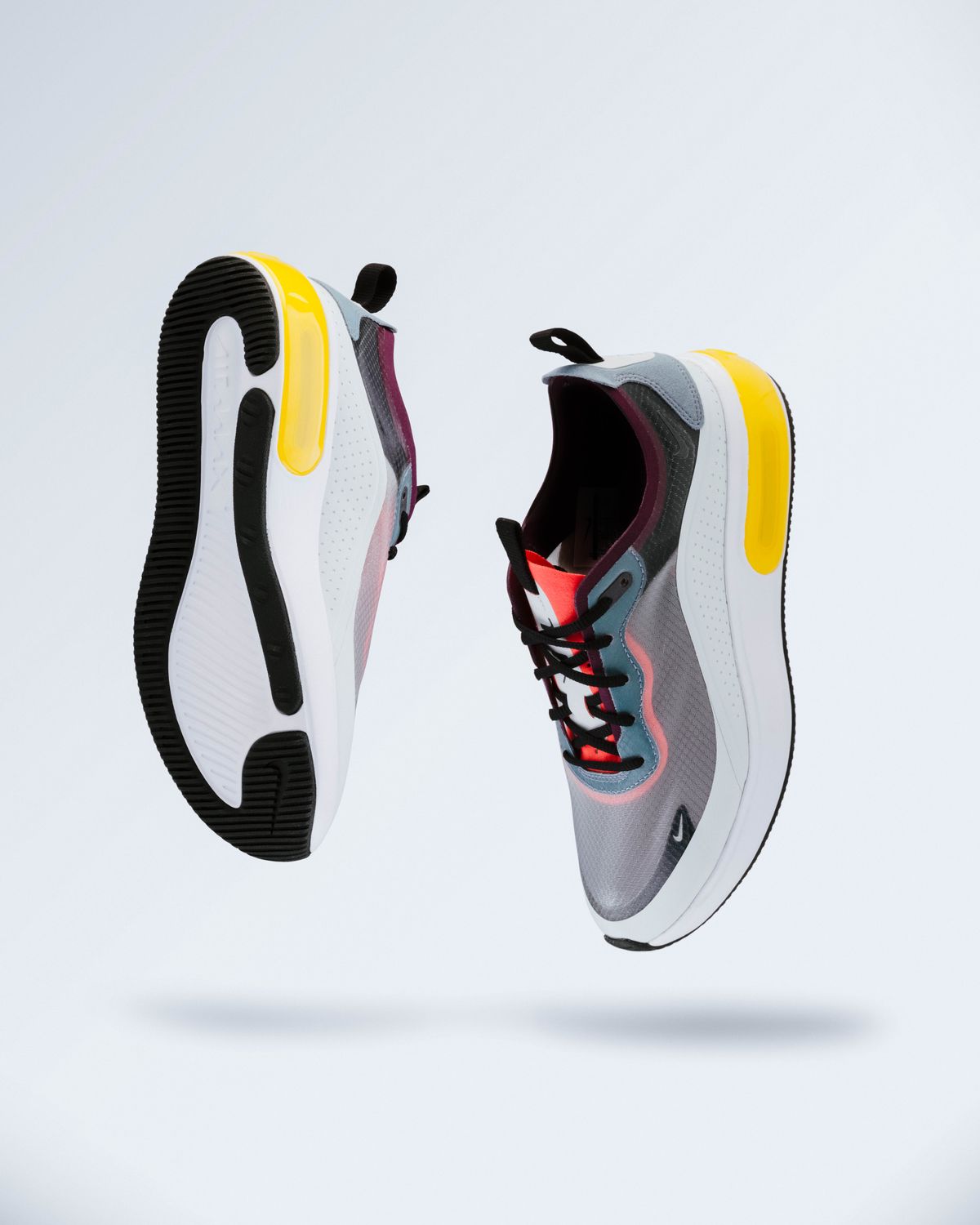
Cotton is the worst thing you can put in a summer walking shoe. It holds moisture against your skin, loses all its friction resistance when wet, and stays damp for hours. That combination is how blisters form. How sweat evaporates from skin explains the mechanism: cooling only happens when moisture can leave, and cotton slows that down more than any technical fabric.
Merino wool sounds absurd in July. It isn’t. Fine merino, around 17 to 19 microns, moves moisture away from the skin and stays comfortable when damp. I switched four summers ago and haven’t had a blister since, including a 14km day in Rome in 36°C.
If wool feels like too much, a synthetic running sock with a mesh top is the next best option. Avoid anything with thick terry cushioning under the arch in summer, because that’s exactly where heat builds.
No-show socks deserve a warning. The ones that slip below the heel are fine for 2,000 steps and useless for 10,000, because they migrate and bunch under the arch. If you want the invisible look, get a pair with a silicone heel grip and check it after the first kilometre, not the first hundred metres.
Then there’s the powder question. Talc and anti-chafe powders do reduce friction for the first hour, and they turn into a paste once you sweat through them. If you’re walking more than 6,000 steps, a barrier balm on the heel and little toe outperforms powder every time. Apply it before the sock, not after.
What doesn’t work: doubling up socks in summer. Two layers sounds protective, and it just means twice the moisture with nowhere to go. One thin pair, changed at lunch, beats two pairs worn all day. The exception is a thin liner sock under a slightly thicker one, which some walkers swear by for long days. Try it once on a 5km walk before you trust it on a holiday.
Blisters start in one specific place, and you can predict it
Summer blisters almost always appear where two surfaces move against each other under load. On the heel, that’s the counter. On the toes, it’s the side of the little toe against the upper. Under the ball of the foot, it’s heat plus friction plus a thin insole.
Test this before you walk far. Put the shoe on, press your thumb against the outside of the little toe from inside the shoe. If you can feel the upper pushing back with no give, that’s your blister site. Same at the heel: if the counter sits high and hard against your Achilles, you’ll know by kilometre three.
The 48-hour fix, if you already have a hot spot: cover it with a hydrocolloid plaster before you go out, not a fabric one. Mayo Clinic’s guidance on blisters is clear that the goal is reducing friction, and a hydrocolloid does that better than any cream. Then change the sock, because the sock is usually the real culprit.
For prevention over a whole summer, two pairs of thin socks rotated beat one pair of thick ones. Counter-intuitive, and it works.
One honest caveat. Some shoes simply can’t be walked in during hot weather, and no plaster fixes a toe box that’s too narrow. If your little toe is sore in the shop, in air conditioning, it’ll be raw by lunch outdoors. Return them while you still can. Breaking in a shoe is a real thing; breaking in a shoe that’s 3mm too tight is a fortnight of pain with no payoff.
Where the blister lands tells you what to change. Toe-side blisters mean width. Heel blisters mean the counter or the sock. Blisters under the ball of the foot mean the insole is too thin for the distance you’re covering. Fix the cause and the plaster becomes optional, which is the point.
Sandals, lunch breaks, and surviving a hot afternoon
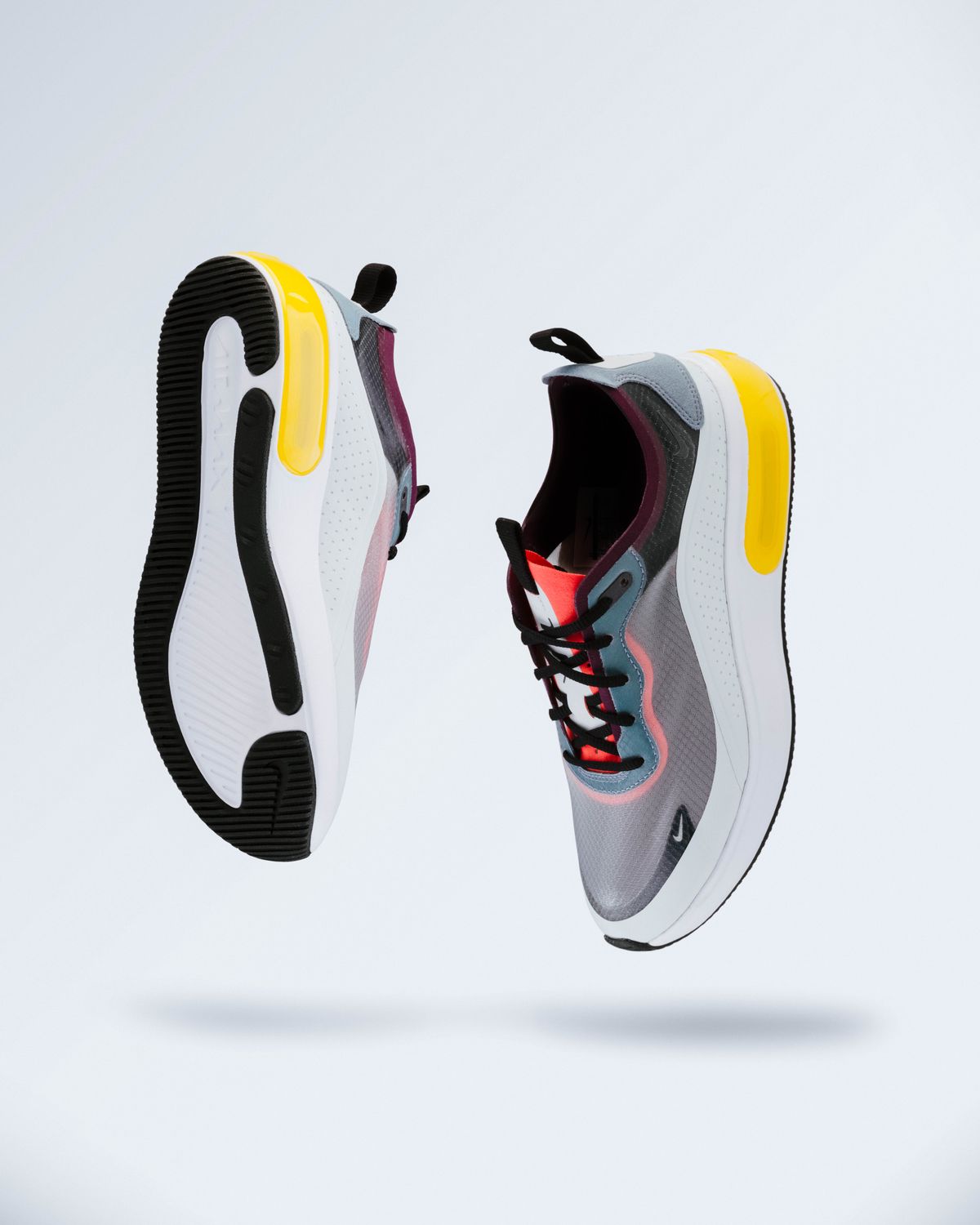
Under about 3,000 steps, sandals with a moulded footbed are fine and cooler. Over 6,000 steps on pavement, open shoes stop being a good idea. Your foot slides forward on sweat, your toes grip to compensate, and by evening your forefoot aches in a way that takes two days to settle.
The middle ground is a closed walking shoe with real ventilation and a thin sock. It sounds hotter than sandals. In practice, at 34°C with 10,000 steps ahead, it’s more comfortable by hour three because nothing is sliding.
Then there’s the pavement. On a 33°C day, dark asphalt in direct sun can be 15 to 20°C hotter than the air, and that heat radiates up through thin soles. A 4mm sole with no midsole foam is a mistake in July, whatever the upper looks like.
By 1pm, most people’s feet are up half a size and their socks are damp. Four things help, and they take twelve minutes in total.
- Take the shoes off for ten minutes while you eat. Feet that get a midday break swell less by evening.
- Change your socks. Highest impact item on the list, almost nobody does it.
- Put your feet up, heels above hips, for ten minutes.
- Run cool tap water over them for two minutes. Cool beats ice for swelling, and it’s less of a shock.
If you’re out with no options, take the insoles out and stand on them for five minutes instead of in the shoes. Not elegant. It helps.
One habit worth building: carry a spare pair of socks in your bag from June to September. It weighs nothing and it turns a ruined afternoon into a manageable one.
For anyone shopping the whole range rather than one pair, the sneaker and trainer section groups sandals alongside closed walking styles, so you can compare sole thickness without opening six tabs.
Can you wash summer walking shoes? Mostly, with exceptions
Yes for mesh and textile, no for leather, and never in a hot cycle.
Mesh shoes survive a cold machine wash on a delicate cycle in a pillowcase, with the insoles and laces out. Air dry, stuffed with newspaper, away from direct sun. Never a tumble dryer. Heat warps the midsole and shrinks the upper, and there’s no repair for that.
Leather needs a damp cloth, a soft brush, and a proper dry. Machine washing leather will stiffen it permanently, and it’ll crack at the flex point within a month.
Insoles are the part that actually smells, and they need the most attention. Pull them out after every wear in summer and let them air separately. A sprinkle of bicarbonate of soda overnight once a week keeps them neutral. Replace them once a season if you’re walking daily, because foam that stays damp grows things you don’t want near your skin.
The honest drawback: washing accelerates wear. Every cold wash takes a little life out of the upper’s shape and the midsole bond. Wash twice a season at most, and spot clean in between. My record is a mesh pair that went through nine washes over two summers before the heel lining wore through. That’s about average, and it’s not a failure.
Salt is the thing people miss. Sweat dries into salt lines along the seams, and salt is mildly abrasive against thread. A quick wipe with a damp cloth after a long hot day takes 30 seconds and adds months to the stitching.
Dry them properly and they’ll last. Stuff with newspaper, change the paper after two hours, and keep them out of direct sun, which fades mesh faster than washing ever will. A pair that dries in six hours stays wearable all summer; a pair left damp overnight starts to smell by July and never really recovers.
Colour, fit checks, and four pairs that hold up
Pale uppers reflect sun and hide dust less well. Dark uppers absorb heat and hide scuffs. In a hot city, the difference in surface temperature is real but smaller than the difference made by breathability, so don’t buy white shoes expecting a cooling effect.
What does matter is how visible sweat and dust are. Light grey and beige look clean for about four days. Navy and black look clean until they don’t, at which point the salt tide lines are permanent. White mesh with a dark outsole is the most forgiving combination I’ve found for summer walking. If you’re weighing up shades, the piece on which blue shades survive salt and denim covers the same logic in more depth.
Three fit checks only matter in summer. The instep: lace up, press the top of your foot, and if the laces leave marks within five minutes, go wider rather than longer. The little toe: walk 20 paces and stop, because any contact in a cool shop becomes a blister in the heat. The heel at speed: walk briskly for a minute, since a slight lift that’s tolerable with thick socks is friction with a thin one.
The breathable mesh walking shoe is the straightforward pick: light, ventilated, and cheap enough to replace when the season ends. For something with a bit more shape that still works with a dress, the sports and leisure style sits in the middle.
If you want a white pair that won’t look wrecked by August, the 6cm white dad shoe has a low enough stack to stay stable on hot, softened asphalt. And for flat, wide feet that swell, the flat-bottomed board shoe gives you room without a tight instep.
One warning to finish on: skip anything with a waterproof membrane for summer. It’s the most common mistake I see, and it turns an otherwise decent shoe into a foot sauna. Save the membrane for November.
Try this before you buy anything else
Go shoe shopping at 4pm. Wear the socks you’ll actually use. Walk 200 metres on pavement, not carpet. Then check the little toe and the heel, which are the two places summer finds first.
If both are clear, you’ve got a pair that’ll get you to September without plasters. If not, you’ve just saved yourself three weeks of limping.
