

Start with the weather, not the trend report
It’s the second week of October. The morning is 9°C, the pavement is wet from overnight rain, and you have a 15-minute walk to a bus stop. Your summer sandals are done. Your winter boots are too much. This gap, roughly six to ten weeks long, is where most of us make bad shoe decisions.
That’s the honest starting point for anyone shopping for shoes for fall women actually wear. The season isn’t one temperature. It swings from 18°C at lunchtime to 6°C by 8pm, and it does that while the ground stays wet for days. A shoe has to handle both ends without soaking your socks at either.
I’ve made this mistake three years running. I buy something pretty in September, wear it twice, then spend November in the same tired pair of trainers because they’re the only things that cope with wet leaves. So this year I wrote down what I actually wore, week by week, and the pattern was boring in a useful way.
Four pairs covered almost everything. Not four pairs of the same type. One flat leather shoe, one ankle boot, one sneaker, one thing with a bit of height for evenings. Everything else in the cupboard got worn fewer than five times between September and December.
If you’re starting from nothing, that’s the shape of the answer: buy a small rotation and buy it for wet ground. If you’re adding to what you own, work out which of the four slots is empty, then shop only for that. Most wardrobes are missing the ankle boot or the water-resistant sneaker, not another pair of ballet flats.
One more thing before the shopping part. Autumn shoe shopping is where people overspend, because the displays are beautiful and the weather makes you feel like you need everything at once. You don’t. You need grip, a closed toe, and something that survives a puddle. The rest is taste.
The four-pair rotation that covers 90% of the season
Here’s what earned its place, in the order I’d buy them again.
- A flat leather lace-up or loafer. Works with trousers, jeans, and tights. Handles dry cold and light rain. Fails in a downpour and on ice.
- An ankle boot with a rubber sole. The workhorse. Between 20mm and 40mm of heel is enough to lift you out of puddles without making the walk miserable.
- A water-resistant sneaker. For the days you’d normally wear trainers but the ground is wet. Not waterproof, just resistant, which is the difference between damp and soaked.
- One pair with height. A block heel boot or a sturdy pump for dinners, work events, and anything that involves a tablecloth.
That’s it. Four pairs, and the season runs itself. The trick is that each one has a clearly different job, so you never stand in the hall deciding. You look at the ground and the clock, and the choice is obvious.
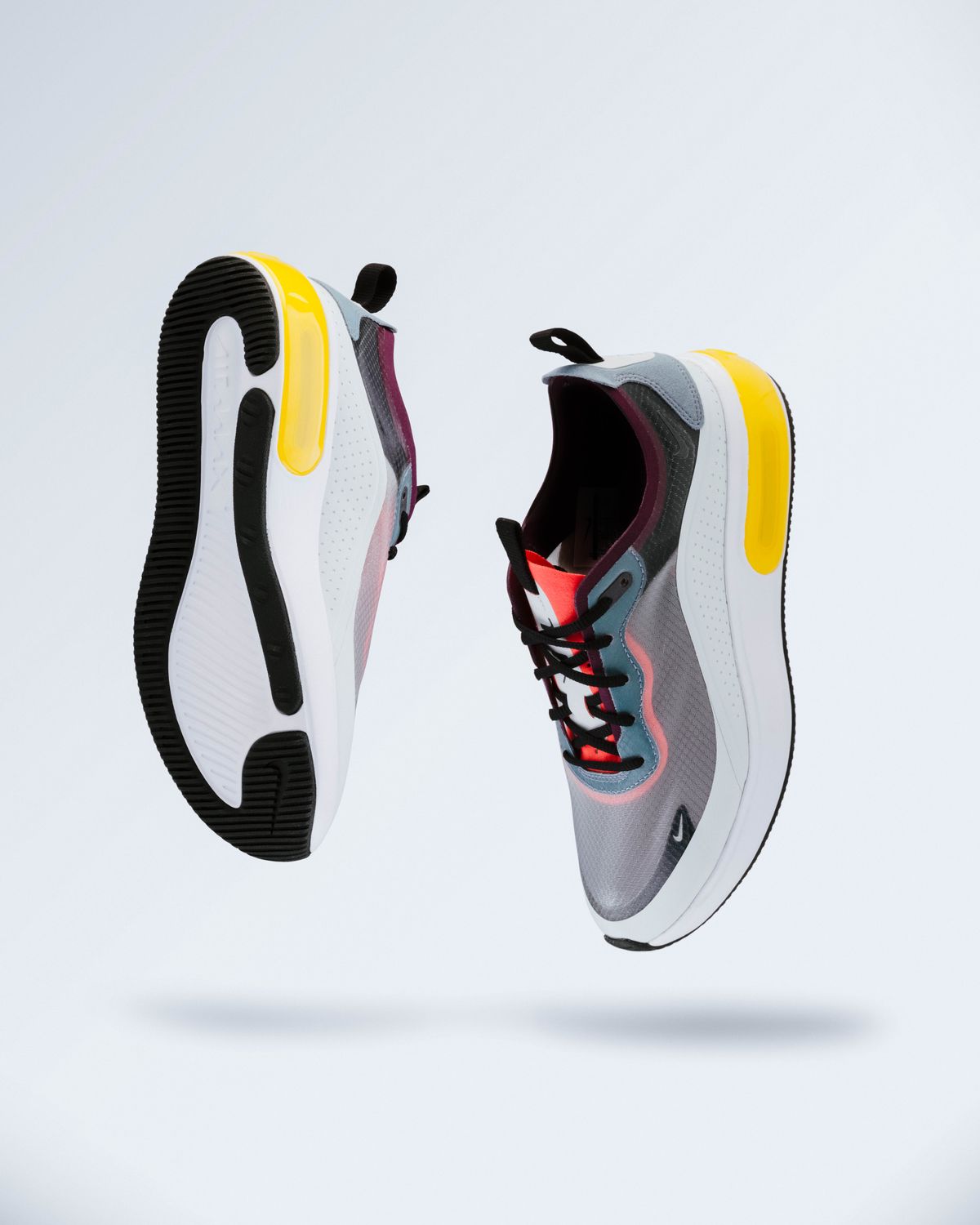
The water-resistant sneaker is the slot people skip, and it’s the one that saves the most mornings. A pair like these lightweight casual running shoes does the job if the upper has a tight weave rather than open mesh. Mesh is comfortable in July and useless in October, because it lets water straight through and holds it next to your sock.
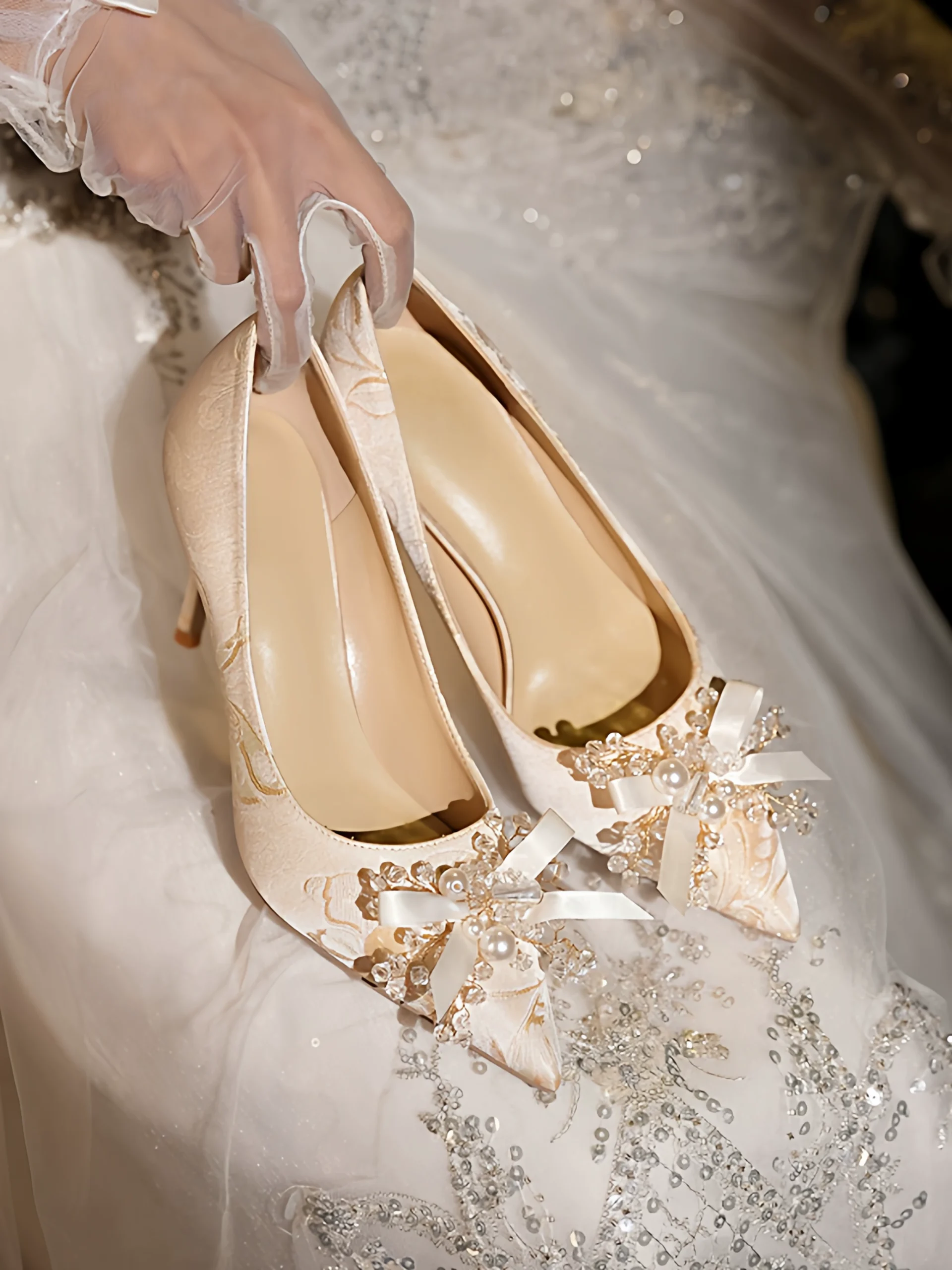
For the evening slot, height doesn’t have to mean pain. A 60mm block heel with a wide base is stable enough for a taxi rank and a wet pavement. If you want to see how much difference heel shape makes, my piece on block heels that survive a nine-hour wedding covers the geometry in more detail than you probably want. The thick-heeled evening pair here is the sort of shape I mean: wide enough at the base to walk on a wet pavement without thinking about it.
What I’d leave out: white canvas sneakers (one wet walk and they’re beige forever), suede without protection (manageable but high maintenance), and anything with a leather sole. More on that below.
Leather soles and wet pavements don’t mix
This is the single most useful thing I can tell you about autumn footwear. A smooth leather sole has almost no grip on wet stone. It’s fine on carpet, fine on dry concrete, and genuinely dangerous on the glazed tiles outside a train station in the rain.
You can spot them from across the room. Turn the shoe over. If the bottom is thin, smooth, and the same colour as the upper, it’s leather. If it’s thicker, matte, and has a visible pattern, it’s rubber or a rubber compound. Rubber wins in autumn, every time.
If you already own a pair with leather soles and love them, a cobbler can add a thin rubber half-sole for about the price of a takeaway. That keeps the look and fixes the grip. I had this done to a pair of brown loafers two years ago and they’ve been in rotation every October since.
Heel tips matter too. Hard plastic heel tips on a wet pavement are like ice skates. Look for rubber or TPU tips, and replace them when they wear down to the nail. It’s a cheap repair that prevents a fall, and falls are how autumn turns into six weeks on crutches.
Tread depth is worth a look as well. Anything under 2mm of tread pattern is effectively smooth by November. Press your thumbnail into the tread on a new pair. If it sinks in slightly and springs back, the rubber is soft enough to grip. Soft compound usually means a higher proportion of natural rubber, which grips wet stone better than the hard synthetic blends used on cheap soles.
Boots get away with more because the sole is usually chunkier, but the same rule applies. A boot with a stacked leather sole and a smooth finish looks expensive and behaves badly in the rain. Check the bottom before you check the price tag.
Ankle height: how much shaft you actually need
Ankle boots sit in a useful middle ground. High enough to keep splashes off your ankles, low enough that you can still walk 5,000 steps. But the exact height changes what you can wear them with.
Boots that stop just below the ankle bone, around 90mm of shaft, work with everything: trousers, jeans, midi skirts, tights. They’re the safe buy. Boots that come up 130mm or more start interacting with hems, and that’s where outfits go wrong.
The rule I use: if the boot shaft is taller than the narrowest part of your ankle, it wants a hem that either clears it completely or sits over it. A midi skirt that stops right at the top of the boot creates a horizontal line across your leg that makes you look shorter than you are. A skirt that stops 5cm above, or falls 10cm below, reads cleanly.
Width matters as much as height. A shaft that’s too narrow won’t close over jeans, and one that’s too wide gapes at the top and lets cold air in. Measure the circumference of your ankle at the point the boot will sit, then compare to the shaft measurement in the product listing. Most brands list it. The ones that don’t are usually hiding something.
For narrow ankles, look for a boot with laces or a strap at the top. It gives you 20mm of adjustment, which is often the whole problem. For wider calves, a side zip with an elastic gusset is more forgiving than a full-length zip.
One seasonal tip: try boots on in the afternoon, with the socks or tights you’ll actually wear. Feet swell by up to 5% over a day, and a boot that fits at 9am can be unwearable at 6pm.
Colour choices that survive November mud
Beige is the autumn colour that photographs best and lives the shortest life. Two weeks of wet pavements and it’s a different shoe. If you love the look, buy it in a darker tan rather than cream, and accept that it will darken anyway.
Brown, in almost any shade, is the forgiving choice. Espresso hides mud, salt, and scuffs. Mid-brown shows wear but in a way that reads as character rather than damage. My rule is that the shoe should be darker than the mud you’ll walk through, which in most cities means anything from cognac upward.
Black is the easiest to maintain and the hardest to make interesting. It’s also the colour that shows dullness fastest, because black leather that’s dried out goes grey at the flex point. A tin of wax polish every three weeks fixes it and takes four minutes.
The shade that surprises people is deep green or burgundy. Both hide dirt well, both work with navy and grey, and both look intentional next to a coat in camel or black. If you want one pair that isn’t brown or black, this is where I’d spend.
Avoid pure white unless you enjoy cleaning. Avoid pale grey, which shows every splash. And be sceptical of very shiny finishes, because patent and high-gloss leather crack at the toe crease after a season of walking.
For the pair you’ll wear most, my advice is boring: buy the darker option. You’ll wear it more often, and wearing it more often is the whole game. Shoes for fall women will wear 40 times beat a prettier pair worn twice.
Socks and tights change the fit by half a size
Nobody warns you about this, and it ruins more autumn purchases than any other single factor. A shoe that fits perfectly in thin cotton socks will pinch in wool socks, and a boot that’s snug over bare legs will be tight over 60 denier tights.
The practical fix is to shop in the afternoon, wearing the sock thickness you plan to use most. If you’ll wear boots over jeans, bring a pair of jeans or wear them. Sounds obvious. Almost nobody does it, and then they come home with a boot that won’t zip.
Wool socks add roughly 2mm of thickness all round, which is half a size in most lasts. Tights add less, maybe 0.5mm, but they change friction, so a shoe that gripped your heel in bare feet will slip in nylon.
For sneakers, thin merino works better than cotton because it manages moisture. For leather boots, a wool blend with a reinforced heel is worth the extra few pounds, because the heel is where they wear through first.
And a small one: if you’re between sizes and plan to wear thick socks, take the larger size and add a thin insole for the days you don’t. Two millimetres of foam costs almost nothing and gives you a second fit.
Waterproofing deserves a mention here too, since it interacts with socks. A water-repellent spray on a fabric upper helps for about 20 minutes of light rain. It doesn’t make a shoe waterproof, and it doesn’t stop water coming in through the seams. If wet feet are a recurring problem, the answer is a membrane-lined shoe, not a spray.
What to buy first if you only have room for two pairs
Buy the ankle boot first. It covers the widest range of temperatures, works with the widest range of outfits, and handles wet ground better than anything else in the rotation. A 30mm heel, rubber sole, dark brown or black, side zip. That’s the pair that will get worn four days a week from October to December.
Buy the water-resistant sneaker second. It’s the pair that lets you keep walking to work when the pavement is wet, and it’s the one that stops you ruining your good shoes in bad weather.
The flat leather shoe comes third, because most people already own something close, and the evening pair comes last because it gets the least use and can wait for a sale.
Budget roughly 60% of your autumn spend on the boot, 25% on the sneaker, and keep the rest for repairs. Resoling, heel tips, and a decent polish extend the life of good shoes far more than buying a fifth pair does.
If you want to check the fit logic against a specific type, the notes in my waterproof walking shoes breakdown explain which materials actually keep rain out, and which just feel like they should. There’s also a useful piece on picking a brown that survives winter if you’re stuck on colour.
And if the water-resistant slot is the one you are missing, the sneaker section covers that end of the rotation.
One last thought. The best autumn shoe is the one you don’t think about when you leave the house. If you’re standing in the hall at 8am deciding between two pairs, one of them is wrong for your life. Buy the one that removes the decision.
Three things I’d skip this season
Trend pieces come and go, but three autumn buys waste money reliably.
First, knee-high boots in suede with no protection. They look great in October and look like a mistake by December, because the salt on pavements etches the nap and there’s no fix. If you want them, spray them twice before the first wear and accept a two-season life.
Second, ballet flats with a paper-thin sole. They’re comfortable for about 400 steps and then every stone on the pavement arrives at your heel. For autumn, you want at least 15mm of sole under the ball of your foot.
Third, anything with a decorative buckle or strap right at the ankle bone. It rubs, it digs in when you walk, and it’s the first thing to break. Function beats detail at this time of year.
None of that is about style. It’s about the 90% of days when you’re walking on wet ground in the cold and want your feet to be fine. Buy for those days and the season takes care of itself.
