

You try on a woven pair in the shop and the fit feels odd, in a good way. No pressure across the top of your foot, no tight band over the toes, and the shoe seems to hold your foot without gripping it. Then you walk outside into 12 degrees and realise there’s a breeze coming through your shoe.
That’s the deal with woven leather. The gaps that make it comfortable in August make it useless in February, and the same construction that stops it rubbing also means it can sag after a season.
Woven leather shoes for women are worth owning, but only if you understand what the weave does to fit, to care, and to how long the pair lasts.
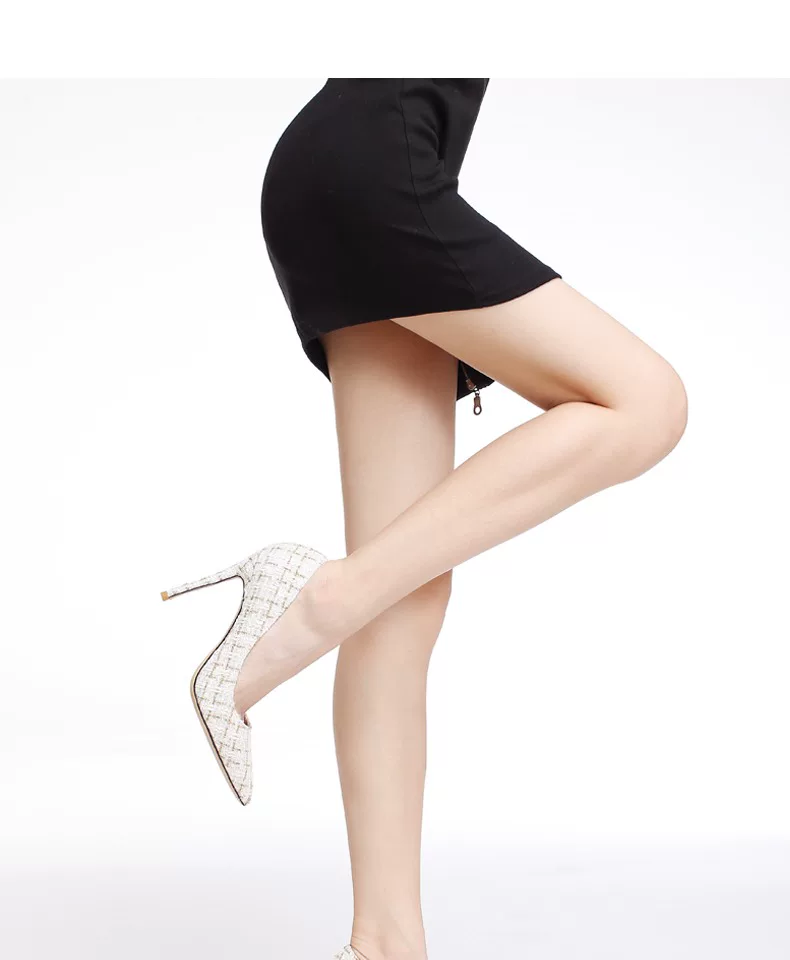
What a woven upper does to fit
A standard leather shoe is cut from a flat hide, sewn into a shape, and then asked to bend around your foot. That’s why the first two weeks hurt. The material has to learn your foot.
A woven upper is built from narrow strips, so each strip can move independently. The shoe flexes where your foot flexes instead of resisting it. Most people can wear a woven pair for a full day on the second wear, not the tenth.
The trade-off is support. A woven upper has less structure across the vamp, meaning the part over the top of your foot. On a flat or a low heel that’s fine. On a high heel, it means your foot can slide forward inside the shoe, and your toes take the pressure.
Width is where the weave really helps. If you’re between a standard and a wide fit, a woven shoe will often work when a sewn leather one won’t, because the strips give a few millimetres at the widest point without deforming.
It won’t fix a shoe that’s a full width too narrow. Nothing does. But it’s the difference between “snug” and “unwearable” for a lot of women with a wide forefoot and a narrow heel.
One number worth checking: the gap. Loose weaves with gaps over 8mm feel cool and look dramatic, and they also let grit in. Tight weaves under 4mm behave more like a solid leather shoe with better breathability. Pick based on your summer, not the photo.
The four weaves, and which ones hold their shape
Not all weaving is the same technique, and the differences show up after a few months rather than on day one.
Basket weave is the classic over-under pattern, usually with strips of even width. It holds shape well because the strips lock each other in place. It’s also the easiest to clean, since the surface is relatively flat.
Open cage or lattice has larger gaps and narrower strips, often on heels and sandals. It looks the most delicate and is the most fragile. A strip that catches on a chair leg will lift, and once one strip lifts, the pattern around it loosens.
Braided strips, where the leather is rolled or folded before weaving, give a rounder, softer surface. These are the most comfortable against bare skin and the most prone to stretching out of shape at the toe.
Macramé and knotted patterns are the most decorative and the least structural. They’re gorgeous on a summer sandal and a bad idea on anything you’ll walk 5,000 steps in.
If you want one pair that lasts, buy basket weave. If you want the pair that gets compliments, buy cage. Just know which one you’re buying.
Edge finishing matters as much as the pattern. Look at where each strip ends. On a good pair, the strip is skived thin and folded under, then stitched. On a cheap pair, the raw edge is glued and will curl within weeks, and a curled edge is a sharp edge against your skin.
The lining is where woven shoes fail
Here’s what nobody tells you in the shop. A woven upper has more internal edges than a solid one, so the lining does more work. If the lining is thin synthetic, those edges will find your foot.
Check three places before you buy:
- The inside of the toe, where strips cross at the widest point
- The top line, where your foot enters the shoe
- The heel counter, which should be smooth rather than woven
Run your finger along each. If you can feel a hard ridge, you’ll feel it at 3pm with a sock on, and no amount of breaking in will sand it down.
Leather lining is the safer choice, and it also manages sweat better. Woven uppers breathe, but breathability only helps if the lining lets moisture through. A coated synthetic lining traps it, and a trapped foot in an open weave is a strange combination: cold on the outside, damp on the inside.
The basics of how leather is tanned and finished are worth ten minutes if you’re buying online, because the finish decides how the strips behave. Chrome-tanned leather is softer and takes colour evenly, which suits weaving. Vegetable-tanned leather is firmer, ages darker, and holds a weave shape longer.
For anyone prone to blisters or hot feet, this matters more than the pattern. Friction and moisture are the two conditions that cause most shoe-related foot pain, and a woven shoe with a bad lining delivers both.
Cleaning woven leather without wrecking the pattern
Solid leather is forgiving. Woven leather is not, because dirt sits in the gaps and a brush can lift a strip.
Start with a soft brush, the kind you’d use for a suede nap, and go gently across the weave rather than along it. Then wipe with a barely damp cloth. Never soak. Water swells the strips, and swollen strips dry slightly out of alignment, which is how a weave goes wavy.
For dirt in the gaps, use a soft toothbrush and a tiny amount of mild soap. Work in the direction of the strips, not against them. Rinse the cloth, not the shoe.
Condition sparingly. A woven upper has more surface area than a solid one, so it dries faster and cracks sooner if it’s neglected. A thin coat of neutral cream twice a season is enough. Anything heavier will collect in the gaps and turn grey.
Store them stuffed, with the shape held. A woven shoe collapses under its own weight in a bag, and a collapsed weave is very hard to press back into shape. Rolled-up newspaper works as well as a shoe tree for this.
White and cream woven leather is the exception to all of the above. It shows every mark, and it yellows at the edges where the strips meet the sole. If you want a white pair, treat it as a two-summer shoe and enjoy it while it lasts.
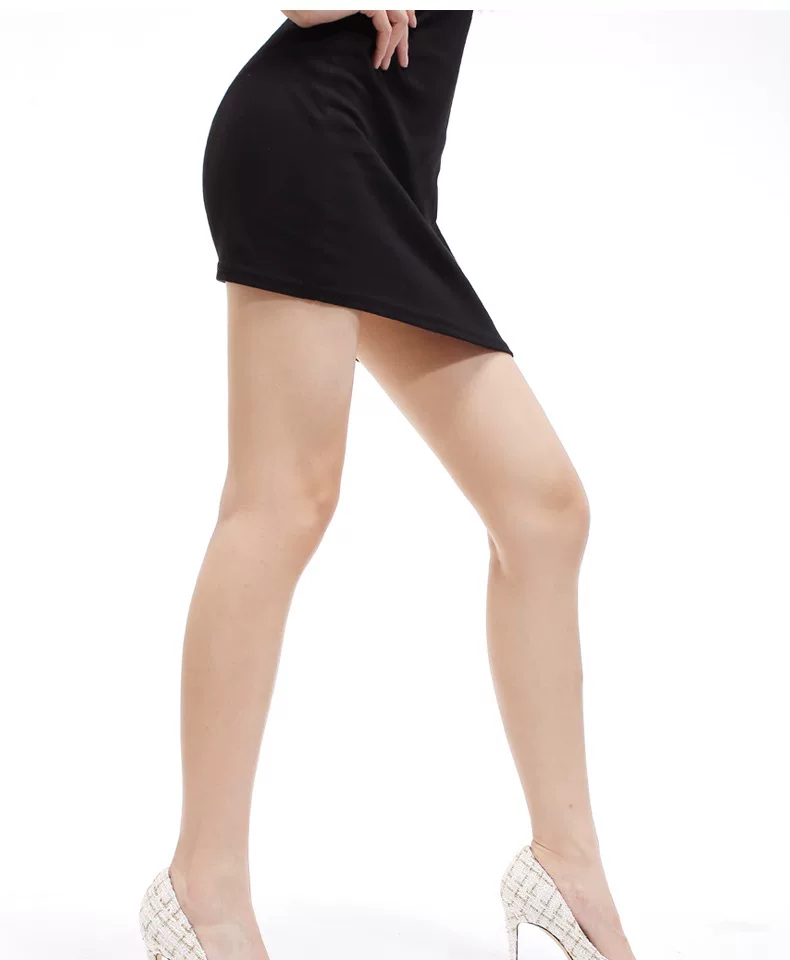
When woven leather is the wrong choice
Rain. Not because water ruins leather instantly, but because a wet woven shoe takes twice as long to dry as a solid one, and drying time is when leather loses shape.
Cold. The gaps that cool your foot in July are miserable in a cold office in January, and no sock fully fixes it. If your office runs at 19 degrees in winter, keep the woven pair for summer.
Long walking days. A woven upper flexes beautifully but supports poorly. On a day with 10,000 steps and hard pavements, a structured shoe is the better tool.
Travel is the murkier case. A woven pair packs flat, weighs almost nothing, and looks presentable at dinner. It’s also the pair that gets soaked in a downpour with no drying time before your flight. Take them if the forecast is dry. Take something else if it isn’t.
Formal events, mostly. There are exceptions, and a fine basket weave in a dark colour can work for a daytime wedding. But a woven shoe reads casual, and in a room full of smooth leather it stands out in the wrong direction.
And if you have very narrow feet, try before you buy. A woven upper gives where a solid one holds, which is exactly the wrong direction for a foot that needs grip at the sides.
Fit checks for a woven pair
The usual rules apply, with two extras.
Stand and roll your weight from heel to toe ten times. Watch the weave where the shoe flexes. It should crease as a unit, not separate into a gap. If the strips pull apart at the flex point, the shoe is too short for you.
Then push your foot sideways against the upper. You should feel the weave resist, not open. A woven upper that opens under lateral pressure will roll your ankle on uneven ground, and that’s a real risk on cobbles.
Length: leave 6mm to 8mm at the toe, slightly more than a solid leather shoe, because braided and soft weaves stretch at the front. Width: your foot should feel held at the ball, with the little toe not pressing on a strip.
Heel: for a woven heel, a slingback or an ankle strap is not a style choice. It’s what stops your foot sliding forward inside a shoe with a soft upper. These woven leather heels with a structured heel cup show the compromise: open weave at the front, firm grip at the back.
If you’re shopping in the middle of summer and your feet are swollen, buy in the morning or accept that the pair will fit loose by October. Woven leather doesn’t shrink back.
Try them with the socks or tights you’ll actually wear. A weave that feels roomy on bare feet can press on the top line once a 40-denier tight is between you and the leather, and that’s a fit problem you’ll only discover on the first cold morning. If you wear tights five days a week, size for the tights.
Toe shape also changes how much the weave has to work. A round or square toe gives your toes somewhere to sit, which matters more in a soft upper than a rigid one. This piece on square toe shapes that forgive a wide forefoot explains why the toe box does more for comfort than the weave itself.
What the price actually buys
Woven leather is labour-heavy. Cutting strips, skiving edges, and weaving by hand takes hours, so a cheap woven shoe is cheap because something was skipped.
Usually it’s the strips. Thin, corrected-grain leather cut into narrow strips loses most of its strength, and the strip is the whole structure. On a better pair, the strips come from the stronger part of the hide and are cut wider, which is why the pattern looks chunkier and lasts longer.
Second thing skipped is the lining, as covered above. Third is the sole attachment, since a woven upper is often glued to a lightweight sole without a welt or stitches. That’s fine for a summer shoe, and it’s why you shouldn’t expect five years out of one.
Under about £60, expect one or two summers. Between £100 and £180, three to four with care. Above that, you’re paying for the maker’s name and, sometimes, genuinely better strips.
Two pairs worth comparing if you want the shape rather than the look: a white woven pair for summer, and a softer sheepskin woven heel that behaves more like a slipper for the first month. Both live in the heel section of the shop if you want to see the difference in the weave up close.
Worth reading before you decide on width: this guide to where the extra room in wide width flat shoes actually comes from. The same logic applies to a weave, and it’s the difference between a pair that lasts and one that bags out.
Buy the tighter weave, in a colour that hides dust, and wear it between May and September. That’s the whole strategy.
