

You order an EU 38 because that’s what you always wear. It arrives, you slide your foot in, and your heel sits half a centimetre past the back edge. Or your toes are fine and the width is so tight you can feel your pulse. Either way, the number on the box lied to you, and it wasn’t the shop’s fault.
European shoes for women run on a different measurement system, and the conversion charts online are mostly approximations. Once you know what the numbers actually mean, ordering from a European brand gets a lot less like gambling.
I learned this the hard way with a pair of Spanish flats in 2021. I ordered my usual 38, wore them twice, and gave them to my sister, who is a 37 and found them snug. That’s a whole size of difference on a shoe that was labelled the same as everything else in my wardrobe.
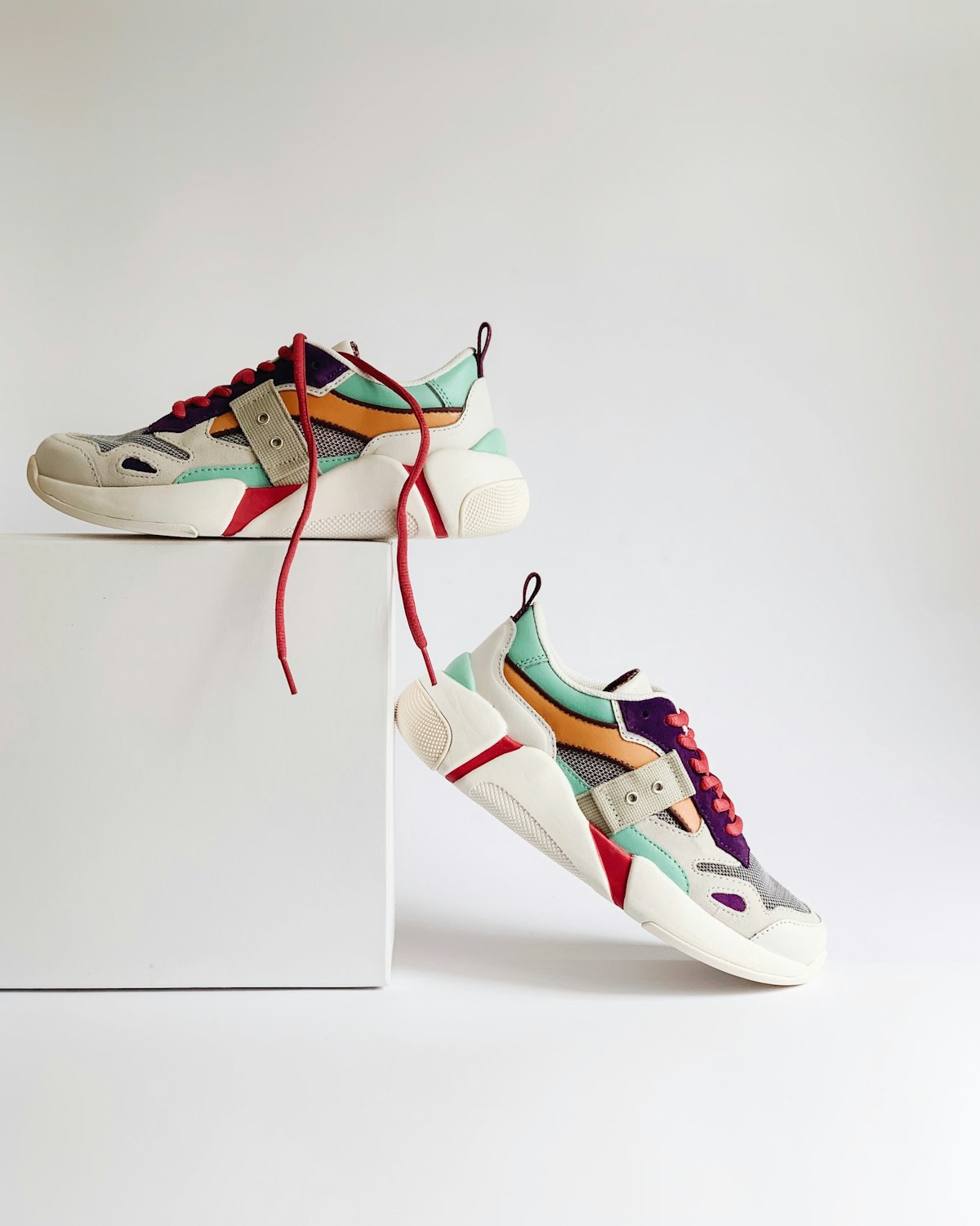
Why an EU 38 isn’t a US 7.5
The EU system is based on the length of the last, the wooden or plastic form the shoe is built around. It uses a unit called the Paris point, which is two thirds of a centimetre. A size 38 means the last is roughly 38 Paris points long, which works out at about 25.3cm.
That’s the length of the last, not your foot. The last includes an allowance for the toe and the heel, and that allowance varies by brand and by shoe type. A pointed toe needs more room in front than a round toe, so a 38 in a pointed pump can feel shorter than a 38 in a loafer even though both are technically the same size.
The US system is based on barleycorns, which is a third of an inch, and it starts from a different point. That’s why the conversion table has gaps and repeats. A US 7.5 maps to an EU 38 on most charts, but a US 8 also maps to a 38.5 on some and a 39 on others. Nobody is lying. The systems just don’t align cleanly.
UK sizing is a third system again, and it runs about two sizes below the US. An EU 38 is roughly a UK 5. If you’re converting mentally between three systems while shopping, you’re going to make a mistake eventually. The technical explanation of shoe sizing is worth ten minutes if you want the numbers in full.
My rule: ignore the conversion chart and use the centimetre measurement. Measure your foot in the evening, standing, with your weight on it. Add 10mm for toe room. That number in centimetres is the only one that travels between brands reliably.
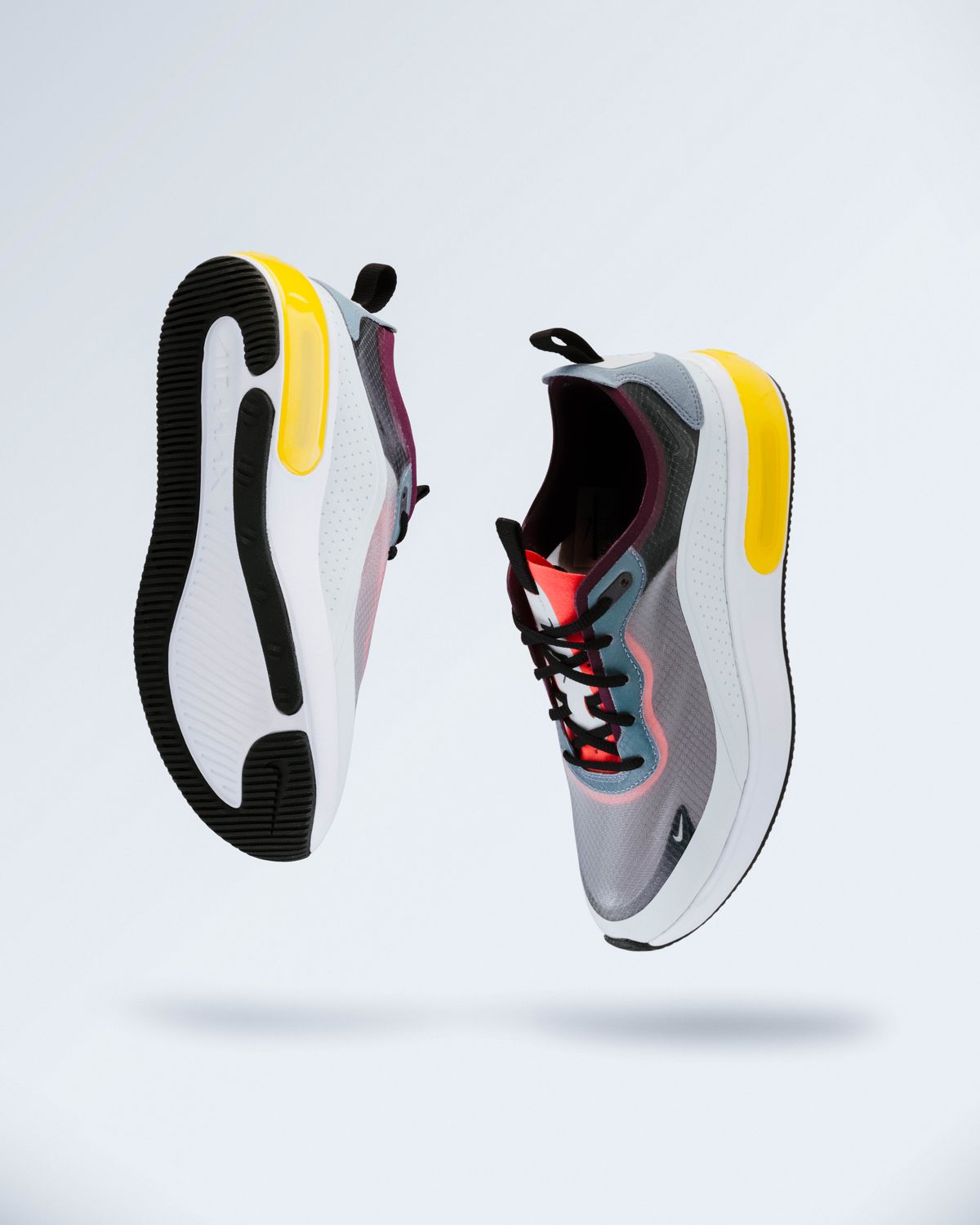
The three measurements that actually matter
Length gets all the attention, but width is what makes most European shoes feel wrong to women who are used to US sizing. European lasts tend to run narrower through the forefoot, especially Italian ones.
Here’s what to write down before you order anything:
- Foot length in cm, heel to longest toe, standing
- Foot width in cm across the widest part of the ball
- Instep height, which you can estimate by how tight a laced shoe feels across the top
Width is the one that gets ignored. A 38 in a narrow Italian last might measure 88mm across the ball. A 38 in a German comfort brand might measure 96mm. Those are not the same shoe, and no conversion chart will tell you that.
Instep height is the sleeper issue. If you have a high instep, a European slip-on will cut across the top of your foot and you’ll feel it within ten minutes. Look for an adjustable strap or a laced style, or size up and accept a slightly loose heel.
One more: measure both feet. Almost everyone has one foot 3mm to 6mm longer than the other, and most people buy for the shorter one because it feels better in the shop. Buy for the longer foot and use a heel grip on the other side.
What European lasts do differently
Before you compare lasts, it helps to look at how the styles are grouped on a site. The heel section of the store separates narrow cuts from wider ones, which makes the width question easier to answer before you order.
Italian lasts are narrow and elegant, with a tapered toe and a close fit through the arch. They suit women with narrow feet and low insteps, and they’re unforgiving on anyone else. If you have wide feet, an Italian 38 will feel like a 37.
Spanish lasts sit somewhere in the middle. They’re usually a touch wider than Italian and a touch shorter in the toe, which is why Spanish brands often advise going up half a size. My 2021 flats were Spanish and the length was the problem, not the width.
German and Austrian lasts are built for comfort. Wider forefoot, more volume, a more generous toe box. If you normally take a wide fit in US brands, a German brand in your usual EU size is usually the safer bet.
French lasts are the wildcard. Some are extremely narrow and some are almost British in shape. There’s no rule, which is annoying. Check the brand’s own size guide rather than a generic chart, and look for the words “true to size” or “runs small” in reviews from people with your foot width.
This is also why a European brand’s own measurement table is more useful than any third-party converter. They know which last they used. If the table gives foot length in cm, trust it over the size label.
One more quirk that catches people out: many European brands don’t make half sizes at all. You get a 38 or a 39, nothing in between. If you normally wear a US 8, which sits between those two, you have to choose. The general advice is to size up for closed shoes with a pointed toe, and size down for open shoes with a strap. It’s not a perfect rule, but it’s better than guessing.
Where the toe shape changes the fit
A pointed toe on a European last eats 10mm to 15mm of usable length compared to a round toe. That’s most of your toe allowance gone. If you’re between sizes in a pointed style, take the larger one.
Square toes give you the most room across the toes and the least room in length, because the corners don’t taper. They suit wide feet well. Almond toes are the middle ground and the safest choice if you’re ordering without trying anything on.
Open toes and slingbacks change the equation again, because your foot can move forward. In a closed shoe, your heel stays put. In a slingback, it doesn’t, and a shoe that fits perfectly standing still can slide forward when you walk. Size slingbacks by the length of your foot, not by how the heel strap feels in the shop.
The construction matters here too. A shoe built on a last with a defined heel seat holds your foot in the same place all day, which is why two pairs in the same size can behave completely differently once you start walking.
Boots are the exception to everything. European boot lasts usually run a half size large because they’re built for thicker socks and a little ankle volume. If you’re ordering boots from a European brand, go down half a size unless the listing says otherwise.
If you want to see how heel shape and toe shape interact in practice, the guide to women’s shoe heel types with real measurements breaks it down by style.
Ordering from Europe without eating the return cost
Returns across borders are expensive, so the goal is to get it right the first time. Four things help.
First, order two sizes if the brand allows it and return one. It costs a bit more upfront and saves a lot of time. Check the return window before you order, because some European brands give 14 days and some give 30.
Second, read reviews from people who state their foot measurements, not just their usual size. “I’m a 38 with a wide forefoot and these were tight” is worth twenty generic five-star reviews.
Third, check whether the price includes VAT and duties. A €120 shoe can land at €160 after import charges, and that changes whether the return is worth it.
Fourth, buy leather rather than synthetic if you’re unsure about fit. Leather gives about 3mm over the first two weeks. Synthetic doesn’t give at all, so a tight synthetic shoe stays tight forever.
If you’re buying from a European-style range closer to home, the French satin heel in black is cut on a narrower last, so it’s a good test of your real European size. The commuting block heel runs closer to a standard width, which makes it the easier first order if you’re unsure.
Care, resoling, and the European habit
European shoes are often built to be repaired, and that’s the real reason they cost more. A stitched sole can be replaced for £30 to £50. A glued sole can’t. If you’re paying European prices, check for stitching along the sole edge before you commit.
Leather needs a rest day between wears. Two pairs worn alternately will outlast one pair worn daily by a wide margin, because the leather dries out and the creases recover. That’s not a marketing line, it’s just how the material behaves.
Use shoe trees. Cedar ones absorb moisture and hold the shape. They cost about £15 and add years to a pair. If you only buy one accessory for your shoes, buy that.
Resist the urge to waterproof everything. Smooth leather doesn’t need it. Suede does. Nubuck does. A silicone spray on smooth calf leather just makes it look dull and attracts dust.
And store them properly. Not in the box in a damp cupboard, not squashed under the bed. A shelf with a bit of air is best. Mildew is the one problem you can’t fix once it starts, and it starts in dark, humid spaces.
If you want a wider read on how European sizing plays out for everyday walking, this piece on European walking shoes and why an EU 38 isn’t a US 7.5 goes through the same maths with more walking-specific detail.
What to do with the pair that doesn’t fit
Don’t try to break in a shoe that’s too short. It won’t happen. Leather stretches across the width by a few millimetres and almost not at all in length. If your toe touches the end, that pair is the wrong size and no amount of wearing will fix it.
A shoe that’s slightly too wide is fixable. An insole, a heel grip, or a tongue pad will take up the volume. A shoe that’s too narrow is only fixable if the upper is soft leather and you have a shoe stretcher, and even then you’ll get about 4mm.
For the pair that’s just a half size off, a cobbler can sometimes stretch the width on a leather last for £15. Ask before you give up. It won’t work on patent, on synthetic, or on anything with a bonded toe cap.
Keep a note on your phone with your foot length, width, and the brands you’ve tried. It takes one minute to write and saves you from re-learning the same lesson every autumn, when the new season drops and you’re tempted again by a pair that looks perfect in the photo.
And if you’re shopping in person in Europe, try shoes on in the late afternoon. Feet swell during the day, and a pair that fits at 10am will be tight by dinner. Every good European shop expects you to do this, which is why the assistants don’t rush you.
So measure your foot in centimetres, ignore the chart, check the width, and order leather if you’re unsure. Then keep the shoe trees in and give the pair a rest day. It’s a boring system, and it’s the one that stops you giving away a nearly new pair to your sister.
