

Booties Heels for Every Season: What Actually Works
I own six pairs of booties heels, which is not a flex. Two of them were mistakes, and one has been back to the cobbler twice for the same heel tip. What follows is the four-season rundown I give friends who are about to buy their first pair: what earns its space from March to February, what quietly wrecks an outfit, and where the ankle boot turns out to be a better idea than the sandal.
Short version: buy two pairs, wear them for a year, then decide.
What you’re actually buying
A bootie is a boot that stops at the ankle or just above it. That’s the whole definition, and it’s the reason the shoe works. The shaft covers your ankle bone, so the shoe holds your foot instead of just sitting on it, and that’s what makes a 70mm heel feel steadier than the same height in a pump.
Shaft height matters more than heel height, and almost nobody checks it in the shop. Measure the distance from your ankle bone to the top of the shaft with a finger. If the top edge sits more than two fingers above the bone, the boot is going to rub on your shin and cut your leg line in half. If it sits below the bone, you’ve got a shoe that slips off your heel when you walk.
Heel height is the second thing. A 60mm block is a walking shoe that happens to look smart. 70 to 75mm is the range most people can wear from nine in the morning until dinner, and it’s where I’d start. Anything above 90mm on an ankle boot is a different animal, because the shaft stops your ankle flexing, so the whole pitch ends up in your toes.

Spring: suede is a gamble
April is where most first booties die. You buy a pale suede pair in March because it’s the prettiest thing in the shop, you wear them to lunch the week the weather turns, and by the time you get home there’s a water mark on the toe that never comes out. Suede and drizzle don’t mix, and no amount of spray changes that.
What held up for me: a nude pair with a 70mm block heel, worn with a floral midi and a trench. The block grounds the print so the whole thing doesn’t turn saccharine, and nude keeps the leg looking longer than a black ankle boot does. The trap is the peep toe. Cute in the shop, freezing by five o’clock, and if it rains your toes get wet while the rest of your foot stays dry, which is a strange feeling.
Spring is also when tights come back into play, and they change the fit. A bootie that felt snug in bare feet will grip your calf through 40 denier in a way that’s noticeable by lunchtime. If you plan to wear tights from March to May, try the pair on with a pair of them, not with the thin socks the shop lends you.
Summer: yes, really
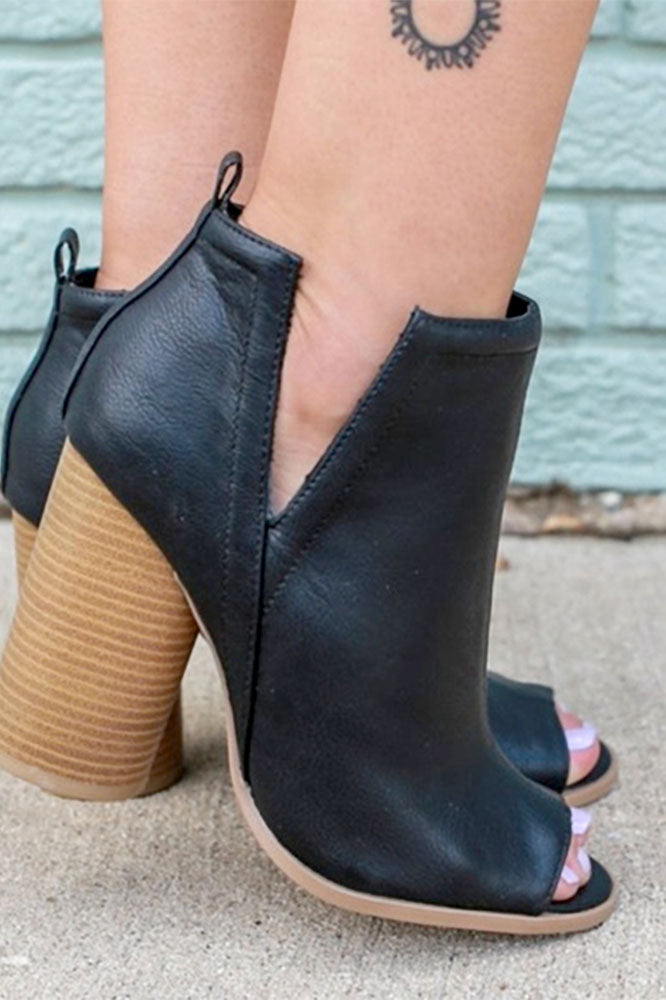
Boots in July sounds wrong until you spend a day on hot pavement in Rome and realise your sandals are letting the heat straight through the sole. A perforated or woven leather bootie does the opposite. The upper keeps the sun off, the cut-outs let air move, and the block heel stops you sinking into grass at an outdoor wedding.
Two rules from three summers of trying this. Go for unlined leather or a canvas shaft, because a lined boot in 32 degrees is a sauna. And keep the colour light: a black leather bootie in direct sun gets genuinely uncomfortable by mid-afternoon, while a tan or bone pair stays bearable. Pair them with cropped wide-leg trousers or denim shorts. It looks a bit odd in photos and completely fine in real life.
Autumn: the season they were built for
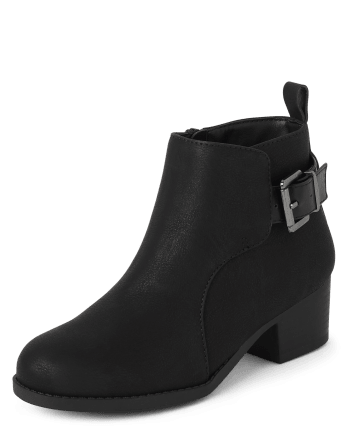
This is the easy one. Burgundy suede, charcoal leather, tan nubuck: autumn colours are forgiving, and the bootie sits naturally between a chunky knit and a midi skirt without anything looking forced. Tuck skinny jeans into a shafted pair and you get a clean line from hip to toe, which is why the trick has survived thirty years of style magazines.
The thing that goes wrong here is the shaft gap. If the boot stops an inch below the hem of your jeans, you get a visible break at the ankle and your legs look shorter than they are. Either your jeans go over the boot entirely, or you go with a cropped pair and show the whole ankle on purpose. Halfway doesn’t work.
Winter: grip is the whole story
Come December, everything else is secondary to whether you can walk. A smooth leather sole on a wet pavement is a fall waiting to happen, and I say that as someone who went down outside a tube station in 2022 holding two bags of shopping. Look for a lugged rubber outsole, or at minimum a rubber insert at the heel. A wedge or a low block beats a stiletto every time on ice.
Salt is the other winter problem, and nobody warns you. Grit from the pavement dries into white marks along the welt and the heel, and on leather it can stain if you leave it. Wipe the boots down with a damp cloth the day you get in, not the following weekend. For warmth, wear them over thin thermal socks, which means going up half a size compared to your summer fit.
What to spend, and what to skip
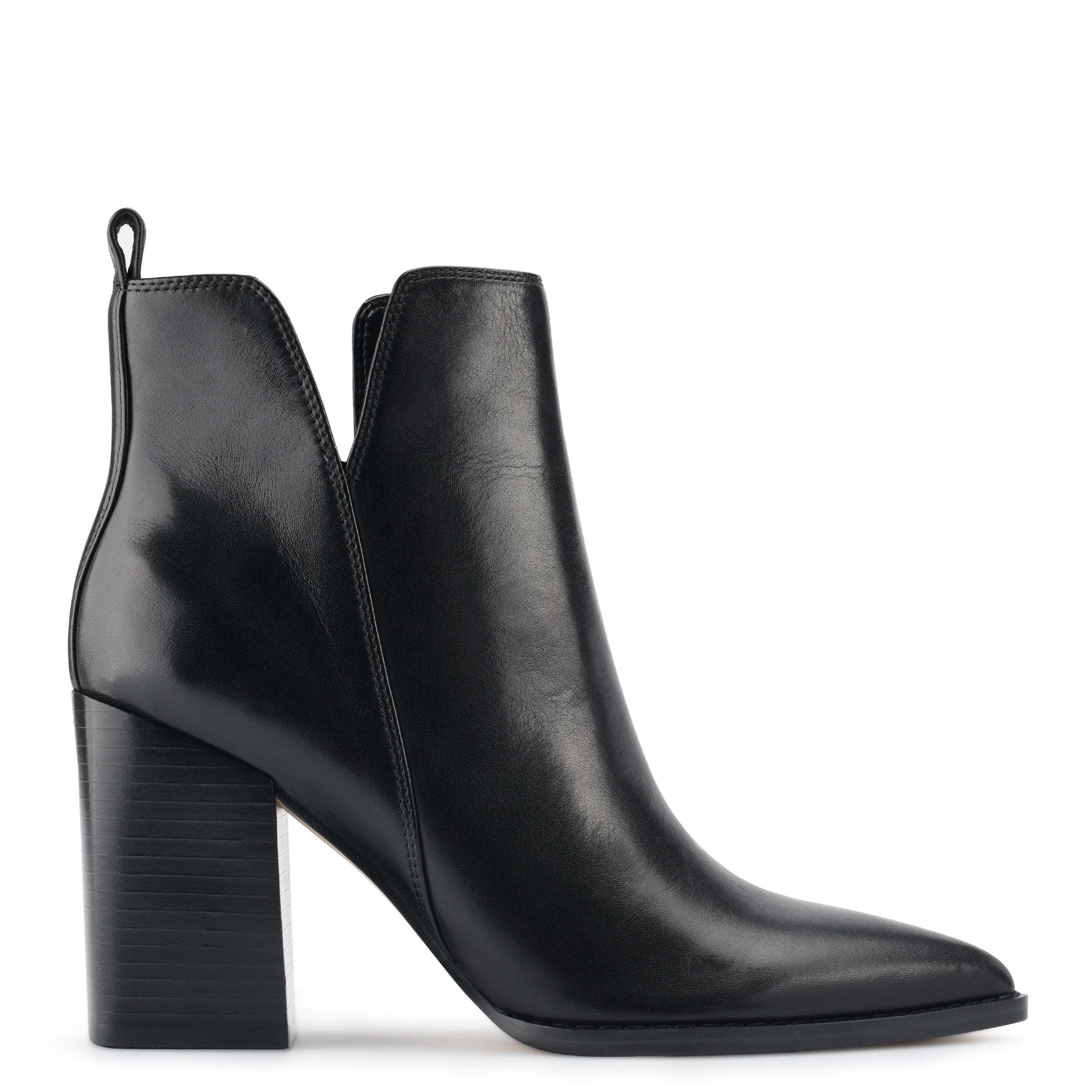
Two pairs cover the year if you choose well. One black leather bootie on a 70mm block heel handles work, dinners, and most of autumn. One neutral suede pair, tan or taupe, gives you texture for the days when black boots look like a uniform.
Then stop. The metallic pair I bought in 2021 has been worn four times, twice to the same birthday party, and it cost more per wear than anything else in my cupboard. Statement booties are a rental, in effect, and you can usually borrow the idea from a cheaper brand.
When you’re in the shop, do three things. Bend the boot at the ball of the foot; if it won’t flex, you’ll fight it all day. Press your thumb into the insole under the arch, and if it’s hard, walk away. And check the stitching where the upper meets the sole, because a wobbly line there means the whole thing was rushed.
Replace the heel tips every season or so. It costs about $8 and it’s the difference between a pair that lasts five winters and a pair that goes to the charity shop in two.
Start with the black block heel. Wear it through one autumn and one winter before you buy anything else, because a year of real walking tells you more about your own feet than any review can. If the shaft rubs, you’ll know by week two. If the heel is too high, you’ll know by the first long walk. Then buy the second pair with that information in hand, and you’ll end up with two boots you actually wear instead of six you admire from the shelf.
