

The Walking Shoe: Your Secret to Effortless Style and All-Day Comfort
Forget the notion that comfort and style exist in separate realms. The modern walking shoe has evolved into a sophisticated hybrid, a piece of footwear engineered not just for movement but for living. It is the unsung hero of the urban landscape, the foundation upon which a day of confidence is built. This isn’t about athletic performance in the traditional sense; it’s about the performance of daily life—navigating city streets, standing through meetings, exploring new neighborhoods, all while looking polished and feeling invincible. The right pair dissolves the barrier between you and your environment, turning potential fatigue into sustained vitality. Let’s dismantle the old stereotypes and explore how this essential item has become the cornerstone of a practical yet elegant wardrobe.
The Anatomy of All-Day Comfort: Beyond Simple Cushioning
The comfort of a superior walking shoe is a symphony of biomechanical engineering, not a single note of softness. It begins with the midsole, often crafted from advanced materials like EVA (ethylene-vinyl acetate) foam or proprietary compounds such as Adidas’s Boost or Nike’s React. According to research from institutions like the University of Massachusetts Amherst’s Biomechanics Lab, the primary role of cushioning is not merely to feel soft but to manage impact forces—the shock that travels up your skeleton with each step. However, true comfort is a balance. As Dr. Casey Kerrigan, a former Harvard Medical School professor and founder of a footwear science company, has noted, excessive, unstable cushioning can actually lead to greater muscle fatigue as the foot works harder to stabilize itself. This is where the science of the walking shoe shines: it integrates cushioning with structured support. The heel counter—the firm cup at the back—must be robust to prevent excessive heel roll, a common cause of Achilles tendon strain. The arch support should contour to the foot’s natural shape, not against it, to distribute weight evenly and prevent the plantar fascia ligament from overstretching. Furthermore, the rocker sole design, a subtle upward curve at the toe, is a critical feature often overlooked. This geometry, studied in podiatric literature, promotes a more natural gait cycle by propelling the foot forward, reducing the energy required from your calf muscles and the strain on the ball of your foot. It’s a holistic system where every component, from the breathability of the mesh upper to the flexibility of the forefoot, works in concert to create an experience of weightless support.
Style That Doesn’t Shout: The Quiet Revolution in Design
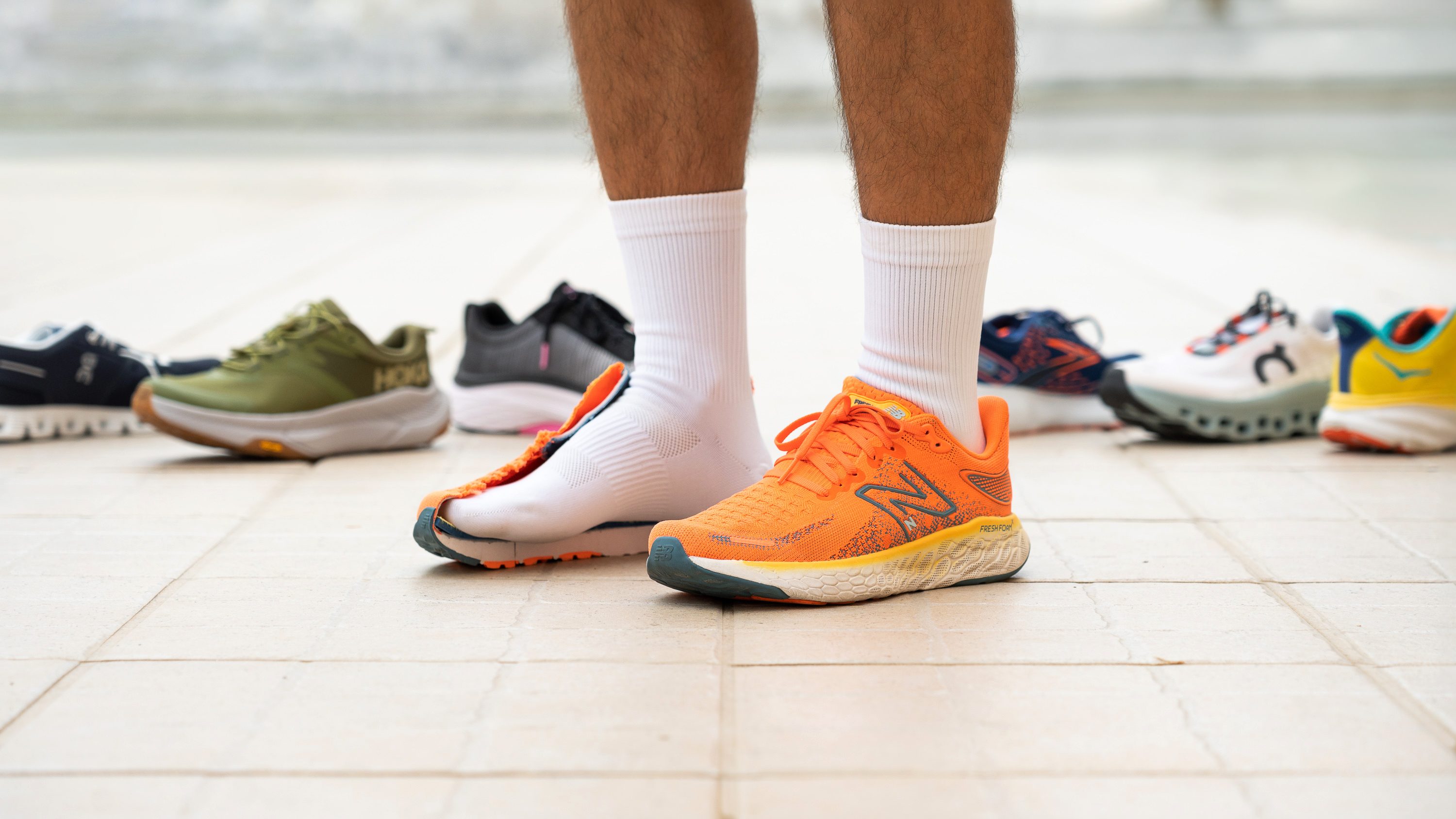
Gone are the days when comfortable shoes were aesthetic compromises. The contemporary walking shoe draws inspiration from minimalist fashion, retro athletic wear, and modern tailoring to create silhouettes that are as at home with tailored trousers as they are with jeans. This design philosophy echoes the principles found in iconic style guides, such as those espoused by Tim Gunn, who champions “style with substance.” The goal is versatility. Consider the clean lines of a leather sneaker with hidden technical comfort features, or the streamlined profile of a suede walking shoe that borrows from classic court shoe design. Brands like Cole Haan, originally a purveyor of fine dress shoes, have pioneered this fusion, embedding Grand.ØS technology into loafers and oxfords. The color palette has evolved, too. While classic whites and blacks remain staples, sophisticated neutrals—taupe, olive, navy, and muted metallics—allow for seamless integration into a curated wardrobe. This shift reflects a broader cultural trend noted on platforms like Quora and in men’s and women’s fashion forums, where users consistently prioritize “shoes I can wear all day without thinking about them” as a key component of personal style. The walking shoe has become a stealth wealth item in fashion; its value is not in loud logos but in its impeccable function and understated form. It speaks to a wearer who is confident, practical, and discerning—someone who understands that true style is experienced, not just seen.
The Footwear as Foundation: A Posture and Productivity Powerhouse
Your choice of footwear has profound implications that ripple far beyond your feet. Think of your body as a kinetic chain: a misalignment at the base can cascade upwards. Ill-fitting or unsupportive shoes can lead to a compensatory change in gait, which in turn can strain ankles, knees, hips, and even the lower back. The American Podiatric Medical Association (APMA) grants its Seal of Acceptance to products found to promote good foot health, and many modern walking shoes earn this distinction by promoting proper alignment. When your feet are properly supported, your posture naturally improves. You stand taller, with your shoulders back and spine aligned, a stance that psychology research from institutions like Harvard Business School has linked to increased feelings of power and confidence. This isn’t just about physical comfort; it’s about cognitive liberty. When you are free from the nagging distraction of foot pain or fatigue, your mental resources are freed for the tasks that matter. As author and productivity expert Chris Bailey discusses in his work, minimizing physical discomfort is a direct contributor to sustained focus and efficiency. A well-designed walking shoe acts as a tool for cognitive optimization, removing a common barrier to flow states throughout the workday. It’s the difference between counting down the hours until you can take your shoes off and moving through your day with unimpeded purpose.
Investing in Your Stride: A Guide to Informed Selection
Choosing the right pair is a personal investment, and an informed decision requires more than just trying on for fit. First, understand your foot type. The simple “wet test”—observing the imprint your wet foot leaves on a paper bag—can tell you if you have a neutral arch, a low arch (flat foot), or a high arch. This dictates your need for stability or motion control features. Second, consider the primary use. Are you logging miles on pavement, or is your day a mix of standing and walking on hard indoor surfaces? The outsole rubber compound will differ for durability versus slick-floor grip. Third, prioritize materials. Breathable, engineered knits or high-quality leathers will adapt to your foot and manage moisture, preventing blisters and odor. Don’t be swayed by trends alone; seek out the technologies that address your specific needs. As renowned runner and biomechanist Dr. Peter Larson has stated in his analyses, “The best shoe is the one that works for you, not the one that works for a marketing campaign.” Finally, shop in the afternoon when your feet are naturally slightly swollen, and always wear the socks you intend to pair with the shoes. Remember, the initial cost of a premium walking shoe is an investment in daily well-being that pays dividends in comfort, health, and preserved style.
Where Performance Meets Value: Uncompromised Quality, Attainable Price
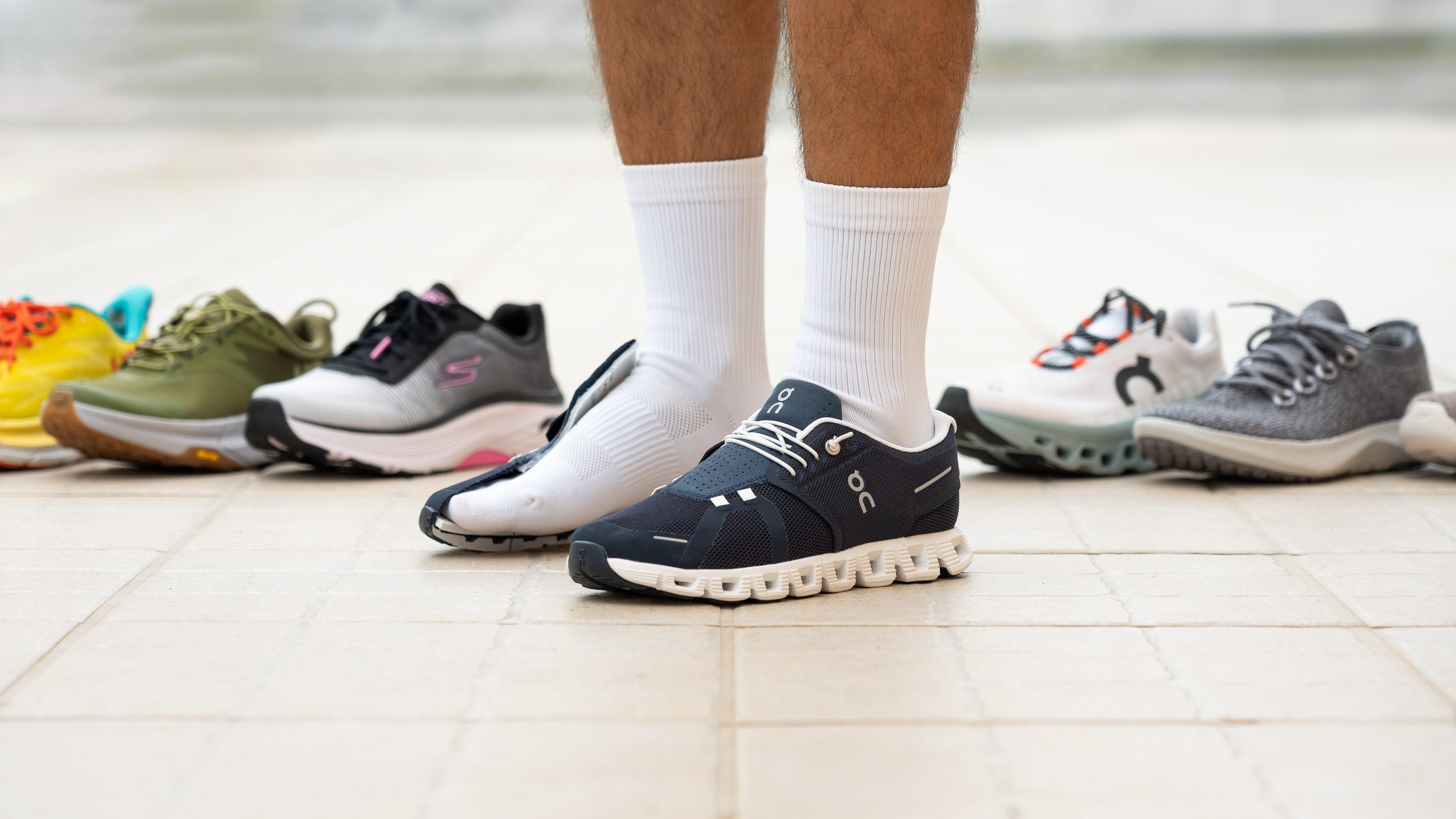
Exceptional engineering and materials need not command an exorbitant price. The democratization of footwear technology means that features once reserved for top-tier models are now accessible. Direct-to-consumer brands have disrupted the market by cutting out middlemen, offering premium components like ortholite insoles, german-engineered footbeds, and high-abrasion rubber outsoles at a fraction of the traditional cost. Furthermore, the seasonal cycle of retail presents opportunities. End-of-season sales, holiday promotions, and brand outlet stores are excellent avenues to acquire leading walking shoe models at significant discounts, sometimes 30-50% off the original price. The key is to know your size and preferred models in advance. Subscribing to newsletters from reputable footwear retailers or setting price alerts can give you a strategic advantage. As financial wisdom from sources like “The Intelligent Investor” applies here: value is received when the price paid is well below the intrinsic worth of the asset. In this case, the asset is your daily comfort and style. By combining the professional knowledge of what makes a great shoe—the supportive arch, the resilient cushioning, the durable build—with a savvy approach to shopping, you secure unparalleled value. You are not just buying a product; you are acquiring a tool that enhances every step of your life, and doing so intelligently makes that enhancement all the more satisfying.
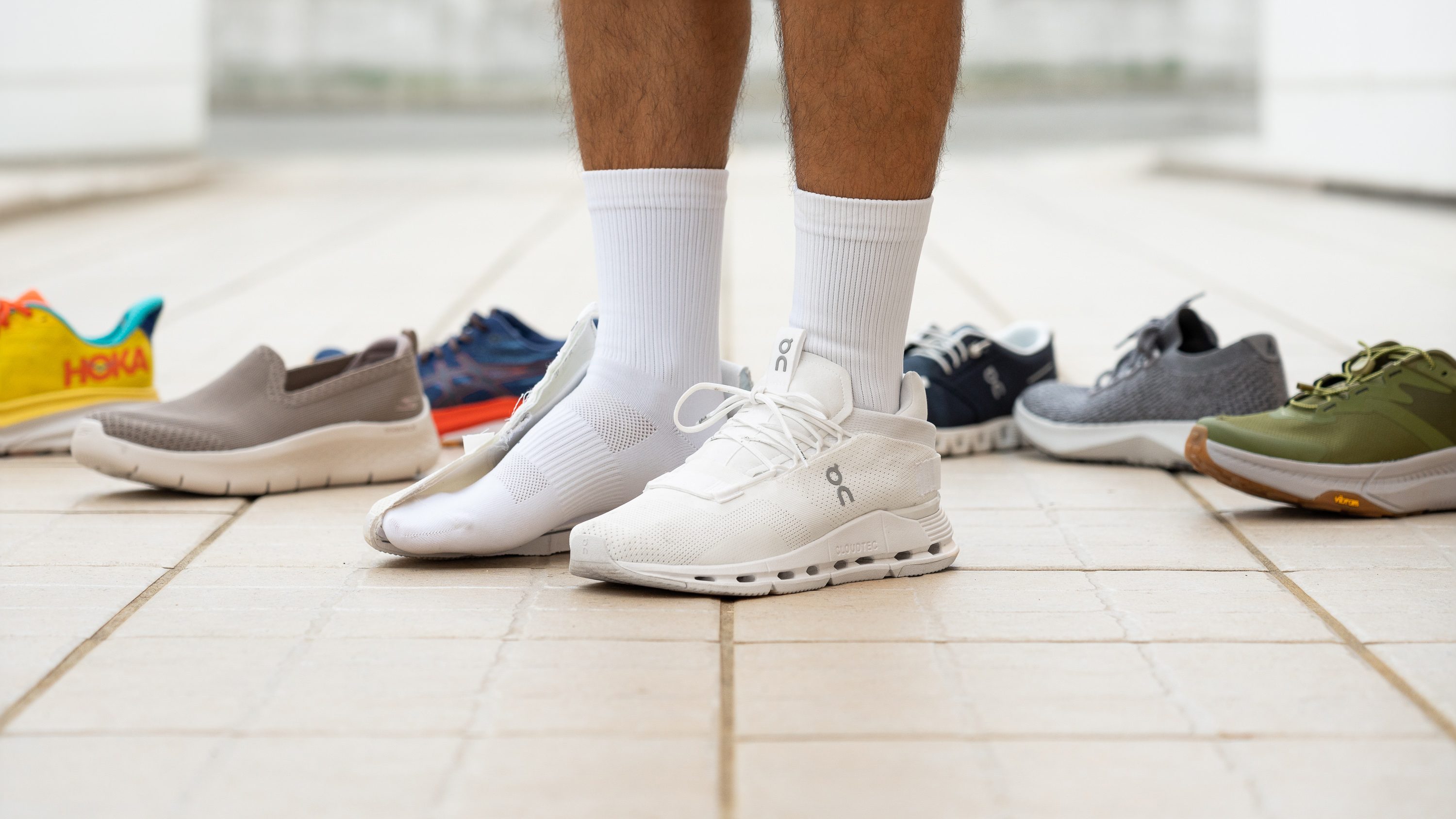
The pursuit of the perfect walking shoe is, in essence, the pursuit of a more seamless existence. It is an acknowledgment that our physical foundation matters, that ease of movement is a form of luxury, and that looking poised should never come at the cost of feeling pained. This footwear category has transcended its utilitarian origins to become a symbol of intelligent living—where scientific insight informs design, where style is defined by quiet confidence, and where value is measured in miles of comfort, not just moments of trend. Embrace the walking shoe not as a mere accessory, but as the fundamental gear for the most important journey: your daily life.
