

The Ultimate Guide to Vionic Walking Shoes for All-Day Support
In a world where we are constantly on our feet, the quest for footwear that merges uncompromising comfort with steadfast support is more than a desire—it’s a necessity. The wrong shoes can transform a simple walk into a cascade of discomfort, affecting not just your feet but your knees, hips, and back. This is where a specialized category of footwear rises above the rest, engineered not just for movement but for holistic well-being. Among the leaders in this field, Vionic walking shoes have carved out a reputation for biomechanically sound design. This guide delves deep into the architecture of all-day support, moving beyond marketing claims to explore the scientific principles and user experiences that define what it means to walk in comfort.
The Foundation of Foot Health: Understanding Biomechanics and Support
The human foot is a marvel of engineering, comprising 26 bones, 33 joints, and over 100 muscles, tendons, and ligaments. Its primary functions—support, propulsion, and shock absorption—are often compromised by modern lifestyles and flat, unsupportive footwear. Pronation, the natural inward roll of the foot during a gait cycle, becomes problematic when it is excessive (overpronation) or insufficient (supination). Both can lead to a chain reaction of misalignment. According to research from institutions like the University of Pittsburgh School of Medicine, improper foot mechanics are a significant contributor to plantar fasciitis, shin splints, and chronic knee pain. The core philosophy behind Vionic walking shoes is rooted in orthopedics. Their signature feature is a built-in orthotic footbed, designed to mimic the contours of a healthy foot standing on soft sand. This biomechanical orthotic provides three-zone comfort: deep heel cupping for stability, a secure arch support to combat overpronation, and a forefoot cradle for even weight distribution. It’s not merely a cushion; it’s a corrective platform that guides the foot through a natural, healthy motion from heel strike to toe-off.

Deconstructing the Vionic Difference: Key Technological Components
To label Vionic walking shoes as merely comfortable is to undersell their engineered sophistication. The support system is multi-layered. First, the aforementioned orthotic footbed is often removable, allowing for customization or the use of personal orthotics while maintaining the shoe’s structural integrity. Second, the midsole frequently incorporates lightweight, responsive materials like EVA or proprietary foams that provide cushioning without sacrificing stability—a balance many walking shoes fail to achieve. Third, the outsole is designed with strategic flex grooves and durable rubber compounds to offer both flexibility for a natural stride and reliable traction on various surfaces. This tripartite design—footbed, midsole, outsole—works in concert. As noted by Dr. Andrew Shapiro, a podiatrist frequently cited in foot health discussions, “Consistent wear of shoes with proper arch support and heel stabilization can significantly reduce strain on the plantar fascia and Achilles tendon.” Vionic’s design ethos directly addresses this professional guidance, making their shoes a therapeutic tool as much as a lifestyle product.
From Pain to Performance: User Narratives and Clinical Perspectives
The proof of any footwear technology lies in its real-world impact. Across platforms like YouTube, dedicated review channels run by healthcare professionals and long-term sufferers of foot pain offer compelling testimonials. One such reviewer, a nurse who logs over 15,000 steps per shift, stated, “Switching to my Vionic walking shoes was the difference between ending my day in agony and being able to actually enjoy my time off.” This sentiment is echoed on community-driven sites like Quora and Reddit, where users with plantar fasciitis often list Vionic as a top non-invasive management strategy. Furthermore, literature from authoritative sources like the Journal of Foot and Ankle Research underscores the importance of footwear with contoured insoles in managing musculoskeletal pain. These user experiences and clinical viewpoints converge to paint a picture not of a fleeting trend, but of a validated approach to foot care. The shoes serve as a daily intervention, subtly correcting gait and providing a foundation that allows the body’s natural mechanics to function without impediment.
Integrating Style with Substance: The Aesthetic Evolution
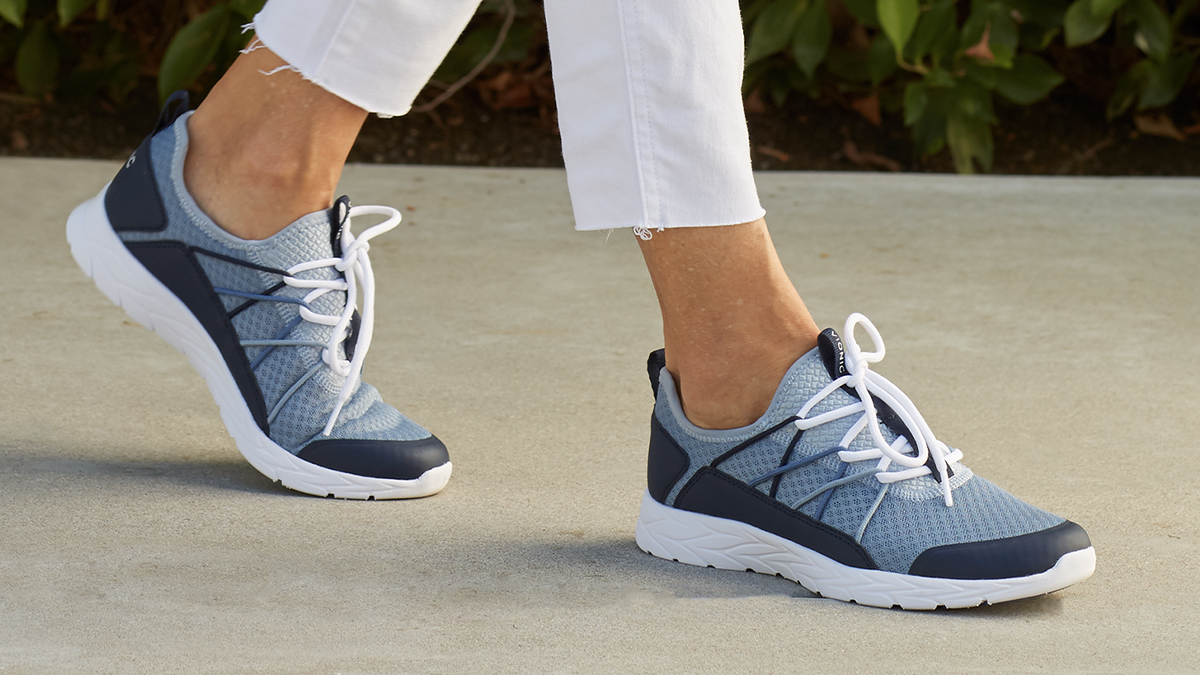
Historically, shoes offering serious orthopedic support were often relegated to a category marked by clunky designs and limited aesthetic appeal. Vionic has played a pivotal role in shattering this stereotype. By collaborating with designers and focusing on contemporary trends, they have successfully integrated their patented technology into silhouettes that range from athletic sneakers and sleek walking shoes to casual sandals and professional flats. This fusion is critical. As style icon and actress Sarah Jessica Parker once famously opined in the context of fashion, “I like my money right where I can see it: hanging in my closet.” This speaks to a universal desire: we want what we wear to reflect our personal style, even as it serves a functional purpose. Vionic answers this by ensuring that choosing foot health does not mean compromising on looking and feeling good. The Vionic walking shoe you wear for a weekend hike can possess the same color-blocking and streamlined profile as a fashion sneaker, while the pair you wear to the office can be a sophisticated loafer. This design philosophy removes the barrier of “medical-looking” footwear, encouraging consistent wear, which is paramount for deriving the long-term biomechanical benefits.
A Guide to Selection: Finding Your Perfect Pair
With a diverse range of styles, selecting the right model is key. Your choice should be dictated by your primary activity. For dedicated walkers or those in professions requiring prolonged standing, prioritize models with the highest level of cushioning and a supportive upper, like the ‘Walker’ or ‘Strider’ collections. For everyday casual wear, their versatile sneakers and slip-ons offer the core orthotic support in a more flexible package. It’s advisable to consult the detailed fit guides provided on their official website and authorized retailers. Remember, the hallmark of a good fit is that your foot feels secured at the heel and midfoot, with ample room in the toe box to wiggle your toes. There should be no “break-in” period of blistering pain; true supportive comfort should be immediate. As a practical tip, consider trying shoes on later in the day when feet are naturally more swollen to ensure a comfortable fit at all times.
Investment in Wellness: Value Beyond the Price Tag
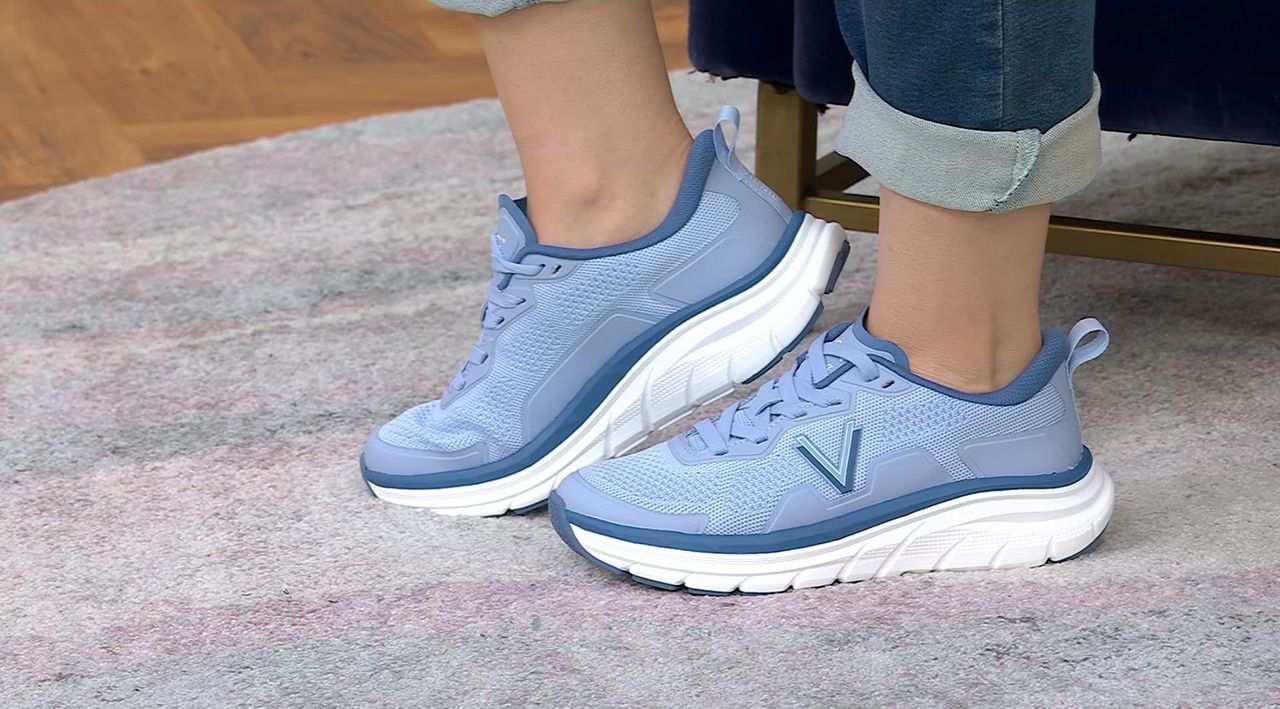
Quality footwear is an investment in your long-term mobility and comfort. While the initial cost of a pair of Vionic walking shoes may be higher than that of a standard department store sneaker, the value proposition is calculated differently. Consider the cost of ongoing treatments for foot ailments: physical therapy sessions, custom orthotics, pain relievers, and lost productivity due to discomfort. A well-constructed shoe that prevents these issues presents significant long-term savings. Furthermore, Vionic footwear is built with durability in mind, using quality materials that withstand daily wear, ensuring the investment pays off over many miles. To make this investment more accessible, it is wise to watch for seasonal sales on the official Vionic website and authorized partners. Signing up for newsletters can provide alerts for discounts, and outlet sections often feature past-season colors at reduced prices. This approach brings professional-grade foot support within a more attainable range, aligning the pursuit of health with financial practicality.

The journey to all-day comfort is not about finding the softest shoe, but the smartest one. It’s about choosing footwear that understands the intricate dialogue between your feet and the ground, and that actively participates in that conversation to promote alignment and ease. Vionic walking shoes represent this intelligent choice, blending orthopaedic science with modern design to create a product that supports not just your arches, but your entire active life. They stand as a testament to the idea that what you wear on your feet is foundational to how you move through the world, transforming every step from a potential stressor into an act of supported, effortless motion.
