

The Ultimate Guide to Saucony Walking Shoes for Everyday Style
In the realm of footwear that bridges performance and daily life, few names carry the weight and heritage of Saucony. For decades, this brand has been synonymous with running innovation, but its foray into walking shoes has created a category of its own: footwear designed not just for movement, but for a lifestyle. This guide isn’t about fleeting trends; it’s about how the engineering principles of a top-tier athletic brand translate into the ultimate companion for your everyday stride. We’ll dissect the science, the style, and the substance behind finding a walking shoe that supports you from morning errands to evening strolls, proving that comfort and aesthetics are not mutually exclusive.
The Anatomy of Comfort: Why Saucony’s Engineering Matters
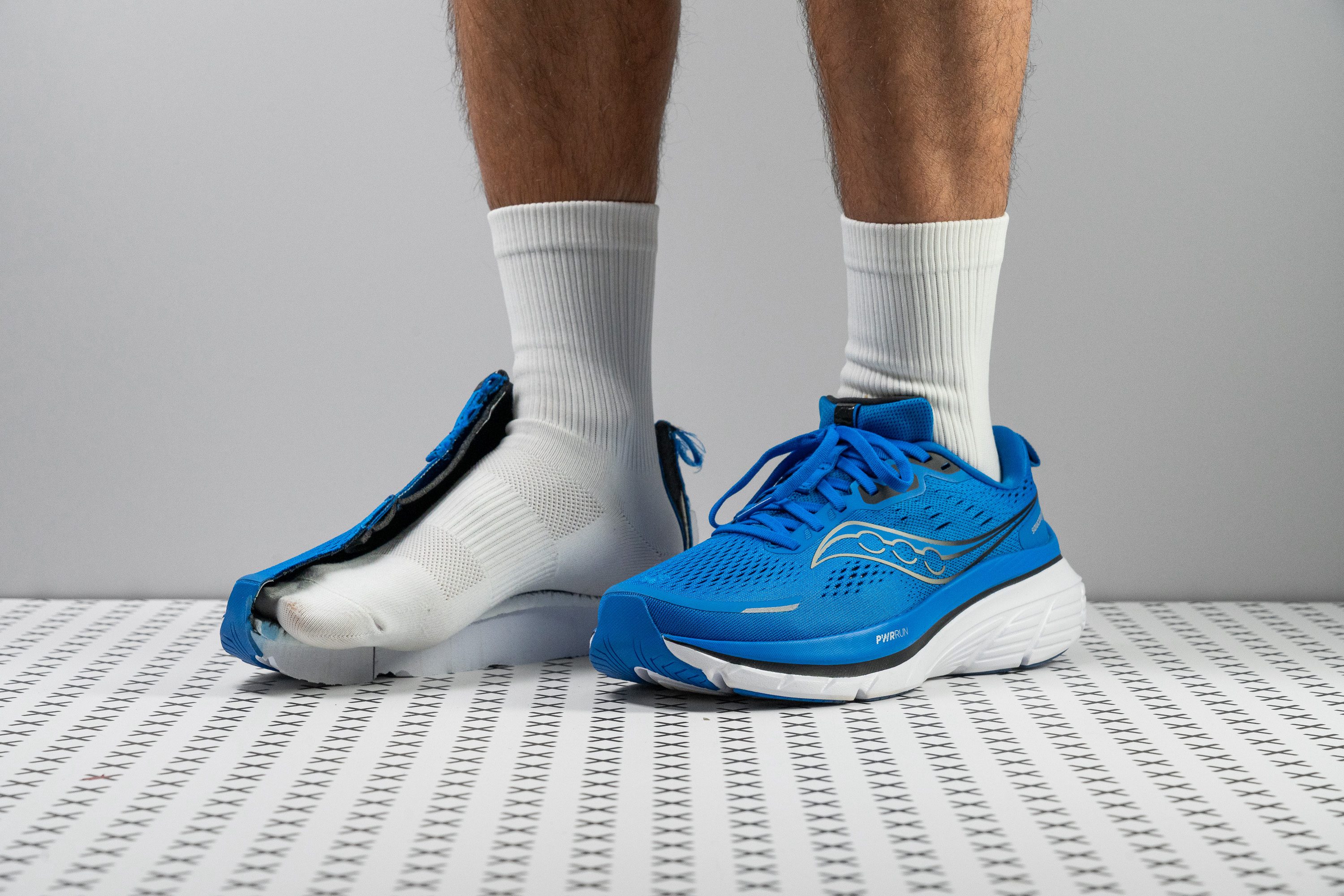
To understand the value of a Saucony walking shoe, one must first appreciate the biomechanics of walking. Unlike running, which involves a flight phase, walking always keeps one foot in contact with the ground, creating a different pattern of impact and force distribution. The Harvard Medical School publications on musculoskeletal health consistently emphasize the importance of proper footwear in preventing joint stress during daily ambulation. Saucony applies its running shoe pedigree to this challenge. Technologies like their proprietary PWRRUN cushioning, derived from years of material science research, aren’t just soft; they’re responsive. They absorb the heel-strike impact—which, according to studies cited on platforms like Quora and Runner’s World, can be 1.5 times your body weight—and then return energy to aid your foot’s roll-through to toe-off. The Guide series, for instance, often incorporates an internal guidance system. This isn’t marketing fluff; it’s a scientifically grounded approach to stability, using medial posts or structured cushioning to counteract overpronation, a common gait issue where the foot rolls inward excessively. By addressing these biomechanical realities, a Saucony walking shoe transforms a simple shoe into a tool for sustained well-being.
From Track to Sidewalk: The Style Evolution
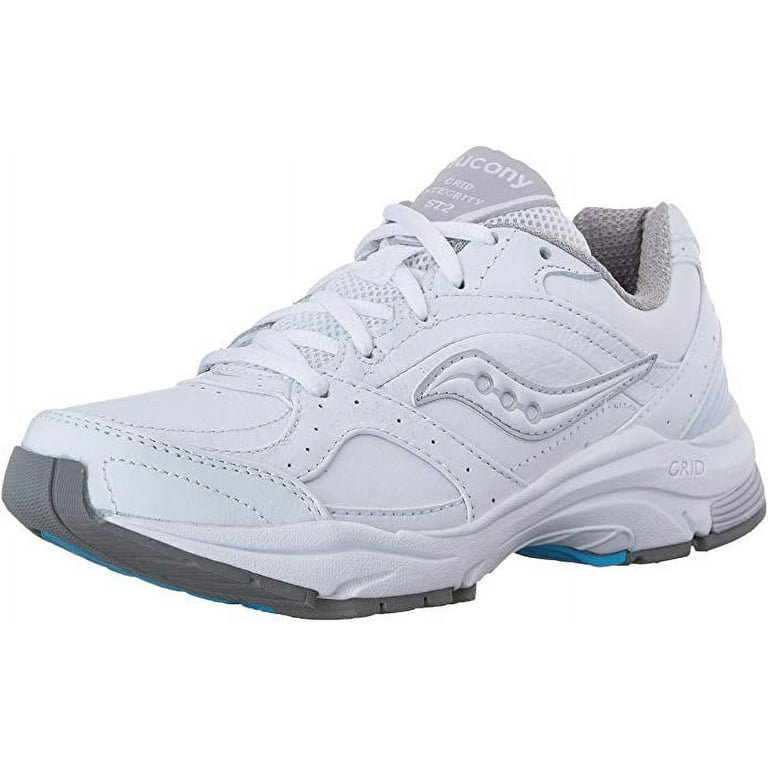
There was a time when “technical” shoes were relegated to the gym. That era is over. The modern demand, as echoed by fashion commentators from GQ to YouTube style influencers, is for versatility. We seek shoes that perform functionally but don’t scream “workout gear” when paired with jeans or casual trousers. Saucony has mastered this transition. Their walking models often feature cleaner silhouettes, muted color palettes, and sophisticated material mixes like suede overlays on engineered mesh. The design philosophy seems to draw from the minimalist ethos seen in brands like Common Projects or the functional fashion of Arc’teryx’s Veilance line—where every element has a purpose, and the purpose is distilled into a cohesive aesthetic. As designer Tom Ford once opined, “Dressing well is a form of good manners.” Extending that to footwear, choosing a Saucony walking shoe like the Integrity ST2 or the sleek ProGrid models is a mannerly nod to both your body’s needs and your personal presentation. It’s the recognition that style, in its truest sense, is the efficient and elegant expression of function.

Material Science and Your Foot’s Ecosystem
Let’s delve deeper into the “how.” The upper of a shoe is its interface with your world. Saucony frequently utilizes engineered mesh—a material whose name reveals its intent. It’s not random weaving; it’s calculated. Zones with higher breathability are placed over the metatarsals where heat builds up, while reinforced, tighter weaves provide structure around the midfoot and heel. This creates a micro-climate, a concept borrowed from outdoor apparel giants like Patagonia, applied to footwear. Furthermore, considerations for sustainability are creeping in, with some lines using recycled materials—a response to the growing consumer consciousness documented on platforms like Baidu Baike and Wikipedia regarding environmental impact. The outsole, typically made of durable carbon rubber or specialized blown rubber compounds, offers a balance of grip and flexibility. The tread pattern is designed for varied urban terrain: concrete, asphalt, tile, and the occasional gravel path. This holistic approach to materials ensures that the shoe is a system, working in concert to protect, ventilate, and propel the foot throughout the day.

Making the Investment: Value Beyond the Price Tag
Discussing price requires a shift in perspective. A premium Saucony walking shoe might carry a higher initial cost than a generic big-box store alternative. However, the investment is amortized over the shoe’s lifespan and, more importantly, your health. Podiatric literature from institutions like the University of Pittsburgh Medical Center often highlights how improper footwear can lead to a cascade of issues: plantar fasciitis, shin splints, and even knee and back pain. A properly engineered shoe acts as preventive care. Furthermore, the cost-per-wear metric is crucial. A durable, versatile shoe worn 300 days a year offers immense value. To bring direct value to you, it’s worth noting that while we don’t control prices, savvy shoppers can often find previous-season models like the Guide 17 or Integrity ST2 at significant discounts (sometimes 30-50% off) on major retailer websites or during holiday sales events. Investing in a quality pair during these periods is a financially intelligent way to access top-tier technology.
The Verdict of the Streets: Real-World Endorsements
Evidence isn’t confined to labs. The court of public opinion offers powerful testimony. On platforms like YouTube, certified podiatrists and physical therapists, such as Dr. Matt Hsu from “The Foot Practice,” often deconstruct shoe technology, praising brands like Saucony for their anatomical lasts and stability features. On Twitter, everyday users—from nurses who log 15,000 steps per shift to travelers exploring European cobblestone streets—consistently laud the brand for its all-day comfort. A recurring theme in these user-generated reviews, whether on Quora, Amazon, or specialty running forums, is the “forget-you’re-wearing-them” comfort. This aligns with the philosophical goal of good design, famously stated by designer Dieter Rams: “Good design is as little design as possible.” The best Saucony walking shoe disappears, becoming a seamless extension of the body, allowing you to focus on your day, not your feet.
Your journey through the day is a series of steps, a narrative written with your feet. Choosing the footwear for that narrative is a decision that resonates through your posture, your energy, and your style. Saucony, with its legacy of athletic precision, offers a compelling chapter in that story. It demonstrates that the right shoe is not a mere accessory but a foundational piece of everyday life—a synthesis of invisible engineering and visible style, crafted to keep you moving comfortably and confidently, wherever your path leads.
