

The pair I ordered at 11pm, sight unseen
I bought them for a wedding in early October. Gold, 90mm heel with a 30mm platform, ankle strap, delivered in four days. The listing photo had them on a marble floor with a silk dress hem falling just above the buckle, and I looked at that photo for about ninety seconds before I paid.
They arrived in a cardboard box with no dust bag. That should have been the first clue.
I’m writing this from the returns side of the trade, which means I see the same mistakes land on a counter every week rather than once in a while. Gold platform heels for women are one of the categories where the photo and the shoe diverge most, and the gap is almost never about colour. It’s about how much of the shoe is under your toes.
There’s also a timing problem nobody warns you about. Platform sandals sell out in the fortnight before wedding season and reappear in the sale rack in September, which means most people buy them in a hurry and at full price. I did both.
So this is the honest version: what I bought, what went wrong three hours in, the red flag I talked myself out of, and who these shoes genuinely suit.
What the photo showed and what the box contained
The colour was fine. Champagne-gold, slightly brushed rather than mirror, which is the more wearable end of the metallic spectrum. The problems started at the sole.
In the listing, the platform looked like a slim 20mm wedge hidden under the toe. In the box, it was 30mm and blocky, with a visible seam where the gold upper met the gold-covered midsole. Under shop light you could see the seam from a metre away.
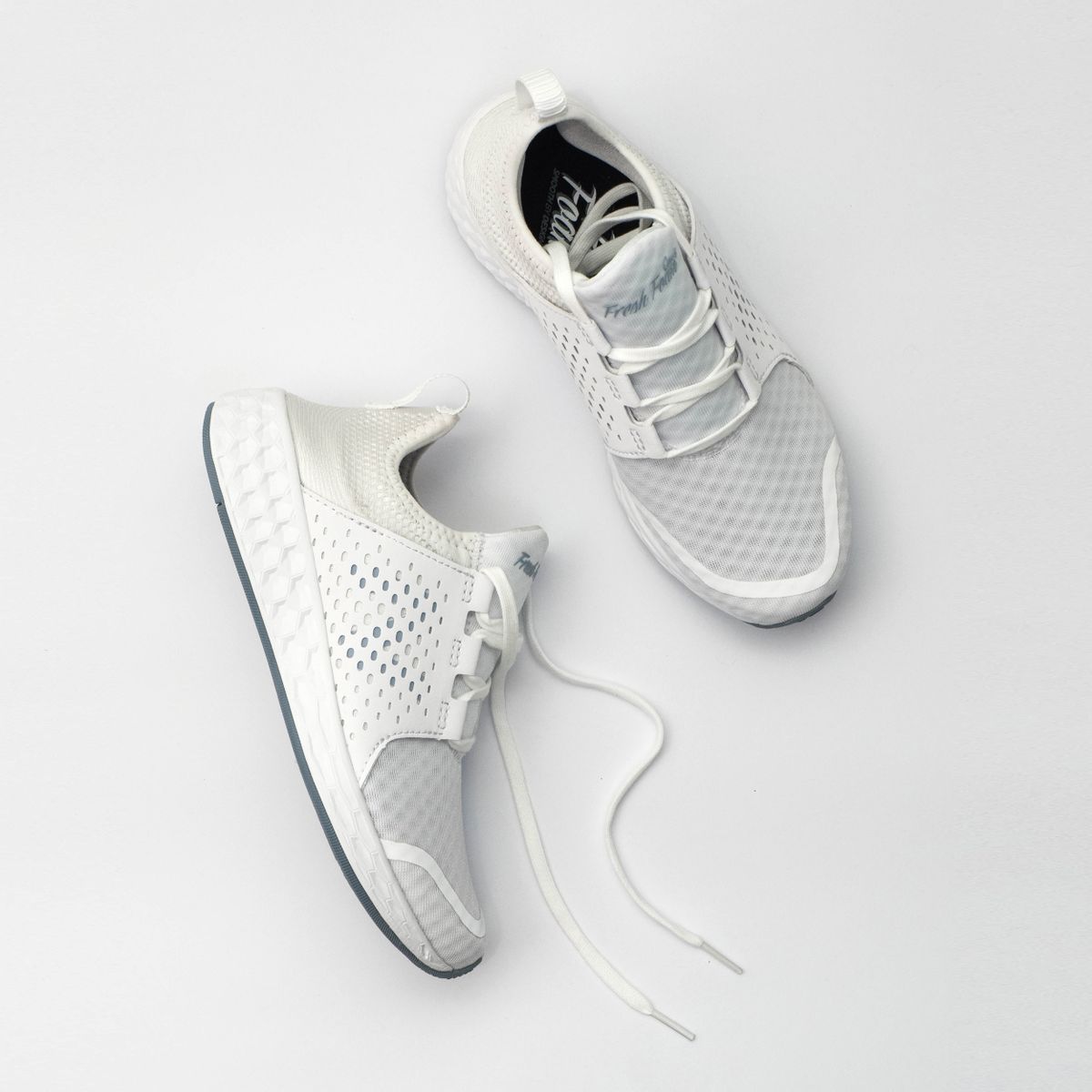
The platform height you see online is rarely the platform height in the box.
The weight was the bigger issue. On my kitchen scale they came in at 470g each, against 320g for a plain leather court of the same heel height. That extra 150g per shoe is the platform, and it sits at the front of the foot, which is exactly where you don’t want it when you’re balancing.
Nothing was defective. That’s worth saying, because returns counters fill up with shoes that are technically fine and practically wrong.
The strap was the second problem, and it’s the one most people don’t think to check. It was 18mm wide, cut from the same coated material as the upper, with a single buckle and no elastic. On a 90mm heel with a 30mm platform, an 18mm strap has to do all the work of keeping the shoe attached, because the stiff sole can’t grip your foot on its own. Wider straps, 22mm and up, spread that load. Thin straps look better in photos and behave worse on feet.
Three hours, one dance floor, and a lesson about cobbles
The wedding was in a converted barn. Ceremony on grass, drinks on gravel, dinner and dancing on a wooden floor with a slight slope near the bar.
Grass is fine. Gravel is not. A 30mm platform gives you a wide base on flat ground and almost no feedback on loose ground, so you plant your foot, the gravel shifts, and the ankle has nothing to correct with. I did the walk from the car park to the barn at a shuffle, holding my partner’s arm, which is not the entrance I had planned.
Inside, on wood, they were genuinely good for the first hour. The platform takes the sting out of standing, and 90mm with a 30mm platform really behaves like a 60mm pitch, which is within most people’s comfortable range.
Then the ankle strap started.
It sat about 15mm too high on my ankle, right on the bone, and because the strap was the only thing holding the shoe on, I’d tightened it. By hour three there was a red line I could still see the next morning. I took them off under the table during the speeches and put them back on for the first dance, then took them off for good at 10:40pm and walked to the car in flats I’d brought in my bag.
Not a disaster. Not a success either. I paid for a shoe I wore for roughly three and a half hours and carried for the rest of the night.
The photo from that night is still on my phone. In it, the shoes look excellent. That’s the annoying part about gold platform heels for women: they photograph better than they walk, and the camera doesn’t record the ten minutes you spent leaning on a doorframe.
The red flag at checkout
Four things were visible before I paid, and I overrode all four.
- The platform and heel weren’t shown side-on. Every angle was a three-quarter view from above, which flatters the toe and hides sole depth. If a listing won’t show you the profile, assume the platform is deeper than it looks.
- No weight listed. Sellers who care about the walking experience list grams. Sellers who don’t, don’t.
- The ankle strap sat high on the model’s ankle, above the ankle bone rather than below it. That’s a fit problem waiting to happen, because the strap has to work harder when it’s higher.
- One size only, no half sizes. A platform shoe with a stiff sole has almost no give, so a half size wrong is a full size wrong in practice.
Any one of those would have been survivable. Together they meant I was buying a shoe I’d have to make work rather than one that would work.
The wider point, and this is what I’d tell anyone standing in a shop holding a metallic platform: the platform shoe’s history is a history of raising the sole, and every centimetre of that lift adds weight at the front of the foot. That’s the trade, and it’s a real one.
Platform maths: what keeps you upright
Here’s the arithmetic, because it explains most of what went wrong.
Take the heel height, subtract the platform, and you get the effective pitch your foot is actually working at. A 90mm heel on a 30mm platform is a 60mm pitch. A 110mm heel on a 40mm platform is 70mm. That number, not the headline heel height, is what your calves and toes feel at the end of the day.
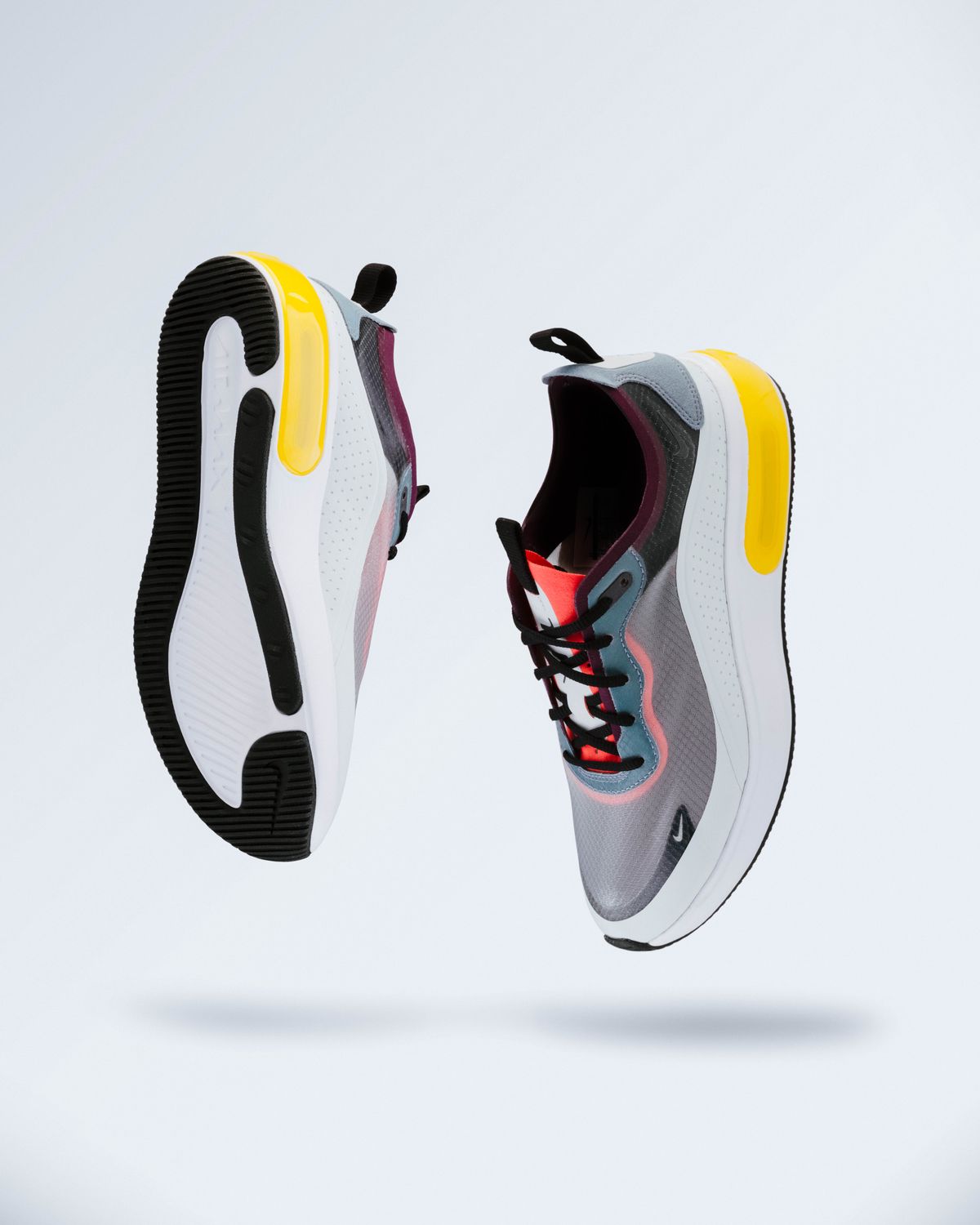
A 30mm platform turns a 90mm heel into a 60mm walk.
Three rules I now apply to any platform:
- Keep the platform at or under one third of the heel. Above that, the sole gets stiff and the shoe stops flexing where your foot does.
- Check the rocker. A good platform has a slight curve at the toe so you roll forward instead of slapping down. A flat platform plate makes every step a clomp.
- Weigh one shoe. Under 400g is comfortable for a full evening. Over 450g and you’ll feel it in your shins by hour four.
The one thing platforms genuinely solve is the ball-of-foot pain that comes with high thin heels, because the platform takes the load instead of your metatarsals. If your problem is forefoot pressure, a platform is the right tool. That’s worth being clear about, because it’s the reason these shoes exist and the reason they keep selling.
If your problem is balance or unstable ground, a platform makes it worse. Those are different problems and they get opposite answers.
Break-in is where gold platform heels for women surprise people. There’s no break-in in the sole, because the sole doesn’t flex. What breaks in is the strap and the footbed, typically over two or three wears. If the footbed has no padding, it won’t develop any. That’s the one part you can judge in a shop by pressing your thumb into the insole.
What I bought instead
A gold metallic sandal with a 60mm block heel and a thin adjustable strap that sits below the ankle bone. Half a size up from my usual, because the strap does the fitting rather than the sole.
I’ve worn it to two weddings and a dinner since, and the difference is not the colour or the height. It’s feedback. A block heel on a 60mm pitch tells you what the ground is doing, so your ankle can correct before you notice. That’s the whole trick.
What I miss is the line. A platform gives you a longer leg and a heavier, more deliberate look that photographs well in a group shot. The sandal is prettier in motion and plainer in a photo. If your priority is the picture, the platform wins. If your priority is getting to the taxi at midnight without holding someone’s arm, it doesn’t.
I also now own a pair of suede retro single shoes with a modest heel for the days when I want the metallic look without the engineering. And for long standing events, a thick-heel pair that survives a nine-hour day does more work than anything in my wardrobe.
The resale was its own lesson. I listed the platforms after one wear and got back about 55% of what I paid. Metallic shoes resell badly because buyers can’t tell a scuff from a coating crack in photos. If you’re unsure about a pair, buy from somewhere with a thirty-day return and keep the box intact for the first month.
Thirty days sounds generous until you count the days you actually wear them. Most people try a pair on at home, like it, wear it to the event in week three, and find the problem after the window has closed. Wear them around the house for two hours on day two. If the strap bites there, it will bite at the wedding.
Sizing and strap fit: the measurements that matter
Two measurements decide whether a platform sandal works, and neither is the one shops ask you for.
First, the distance from the floor to the outside of your ankle bone. Stand barefoot and measure it. Then look at where the strap sits on the shoe, measured from the insole up. If the strap lands within 10mm of your bone, it will rub, and no amount of wearing in will fix it. You need it either clearly below or clearly above.
Second, the width of the strap itself. Under 20mm on a high platform, expect pressure. Above 25mm, expect a strap that holds without being tightened hard.
Then there’s length. Platform soles are stiff, so they don’t stretch the way a leather vamp does. If the shoe is tight across the toes on day one, it will still be tight in week three. Go up half a size rather than hoping.
A short checklist before you pay:
- Ask for the profile photo, side on, sole flat on a table.
- Ask for the weight of a single shoe in your size.
- Check half sizes exist. If not, find a different seller.
- Look at the buckle. Metal with a roller is easier on a strap than a plain prong.
None of this is exotic. It’s the difference between a shoe you wear six times and a shoe you wear once and resell at a loss.
Gold finishes don’t behave like normal leather
Metallic gold on a shoe upper is usually a coated finish, not a dyed one. That coating sits on top of the leather or synthetic base and it does not absorb polish, which changes how you care for the pair. It’s also the layer that gets tested for chemical residue, so if you react to coated leathers, the OEKO-TEX testing standards for coated leathers are the framework buyers usually ask about.
Don’t use cream polish on metallic gold. It collects in the grain and dulls the finish. Wipe with a dry microfibre cloth, and for marks use a barely damp cloth with nothing on it. That’s the whole routine.
The failure mode to watch for is cracking at the flex point, just behind the toe. A coated finish flexes less than the material underneath, so it cracks in fine lines that look like crazing. Once that starts, it doesn’t stop. Keeping the shoe on a tree between wears slows it down.
Store them in a dust bag, not a plastic box. Metallic coatings trap moisture against the surface, and a sealed box in a warm wardrobe is the fastest way to a cloudy finish. If the pair came without a bag, a cotton pillowcase does the job.
One more thing worth knowing: gold shows scuffs as dark marks rather than light ones, the opposite of grey or cream. A soft pencil eraser lifts most of them. It sounds ridiculous until you try it.
Picking a sole by venue
Most people don’t need to choose a shoe style. They need to choose a sole for a specific floor, and the venue decides more than the outfit does.
- Hotel ballroom, carpet, seated dinner: a platform is fine and looks the part. Carpet absorbs the clomp and you’re not walking far.
- Barn, garden, marquee: skip the platform. Grass and gravel need feedback, and a stiff sole gives none.
- City wedding with a walk between venues: block heel at 60-70mm. It handles pavement, kerbs, and a taxi rank.
- Restaurant with stairs and a narrow staircase: plain court, 70mm, nothing strapped. Straps catch, platforms clip the step edge.
If you only own one pair for events, make it the block heel. It’s the least interesting answer and the one you’ll still be wearing at midnight. The gold platform is the pair you buy when you already have the block heel and you want a second look.
That’s how I’d frame the purchase now: not as an upgrade, but as an addition. The mistake wasn’t buying gold platforms. It was buying them as my only option for a night that involved gravel.
Who gold platforms actually suit
They suit three kinds of wearer, and I’m none of them on a normal week.
One: someone who will sit for most of the event. If your evening is dinner, a ceremony, a car between venues, a platform is fine. The load is not the issue when you’re seated.
Two: someone with forefoot pain in thin heels but no ankle instability. The platform removes the sting at the ball of the foot, and if balance isn’t your problem, you get the height for free.
Three: someone dressing for photographs, where the extra 30mm of apparent leg length matters more than three hours of comfort.
Who should skip them: anyone with a history of ankle sprains, anyone whose event involves gravel, grass, or a lot of standing, and anyone who needs to drive home in the same shoes. Gold platform heels for women are a specific tool. They’re not a default.
If you’re set on the look, buy in person if you can, weigh one shoe, and look at the profile from the side before you commit. And check the strap position against your own ankle bone, not a model’s. That single measurement would have saved me a return, a wedding entrance, and a very long walk to the car park.
Gold platform heels for women aren’t a bad buy. They’re a bad first buy, bought in a rush, for the wrong floor. Get the floor right and they earn their place.
