

The invitation said garden party, 3pm, and asked for “something you can stand in”. I read that as permission to skip the stilettos and bought a pair of tan high heels with a 70mm heel and a thin ankle strap. They arrived on a Thursday. The wedding was on a Saturday, in a field, with a marquee at one end and a gravel path at the other.
I’ve now worn those shoes to a wedding, a christening and a work dinner. Two of those three outings went well. The one that didn’t taught me more about tan heels than any buying guide could, and it had nothing to do with the colour.
If you’re staring at an invitation and wondering whether tan is the right call, here’s what actually happened, in the order it happened.
The invitation said garden party, so I bought tan
Tan is the safe answer to an ambiguous dress code. It reads dressy without reading bridal, it works with navy, olive, cream and most florals, and it doesn’t compete with whatever the bride is wearing. That last point matters more than people admit. Nobody wants to be the guest whose shoes are the second most photographed item of the day.
There’s a practical argument too. A tan shoe at 70mm sits in the middle of the formality range, which is exactly where a garden party lives. A black pump would have read too city. A flat sandal would have read too casual next to the marquee. Tan threads the gap.
What I didn’t think about was the ground. A garden wedding in late spring means grass that has been watered for a week, and grass is the enemy of any heel narrower than a thumb. That’s the failure point, and it’s decided by the shape of the heel rather than the colour of the shoe.
The other thing I didn’t think about was the light. Ceremonies at 3pm in late spring run straight into the golden hour, and tan behaves differently in that light than it does in a shop. More on that later, because it caught me out in the photographs.
The pair I chose had a closed toe, a 70mm heel and a strap that ended just above the ankle. My shortlist had four options and I ruled out three for reasons that still seem sound: black felt too formal for 3pm, cream would have looked like I was aiming at the bridal party, and a metallic pair was on trend and completely wrong for a field. Tan high heels sat in the gap between all three, which is exactly what a vague dress code asks for.
Nude and tan are not the same shoe
Shops use these words interchangeably and they shouldn’t. Nude is close to skin tone and its job is to disappear. Tan is a colour in its own right, closer to caramel or camel, and its job is to warm up an outfit.
- Nude: matches your foot, extends the leg line, reads almost invisible in photos, and looks wrong the moment the shade is off by two steps.
- Tan: warmer and more visible, works with brown leather bags, and reads slightly retro in a good way.
- Cognac: a deeper tan with red in it, the most forgiving of the three on pale skin and the hardest to match with a cool-toned dress.
I bought tan because nude on my skin tone looks like a plaster. That’s a personal thing, not a rule. If your skin is cooler, nude will look better on you than any tan, and the leg-lengthening effect is real.
The reason it matters for a wedding is photography. Nude blends into skin and can look like you’re barefoot in a wide shot. Tan holds its own edge, so your feet read as deliberate. In a group photo on grass, that’s an advantage: you can see where the shoes are.
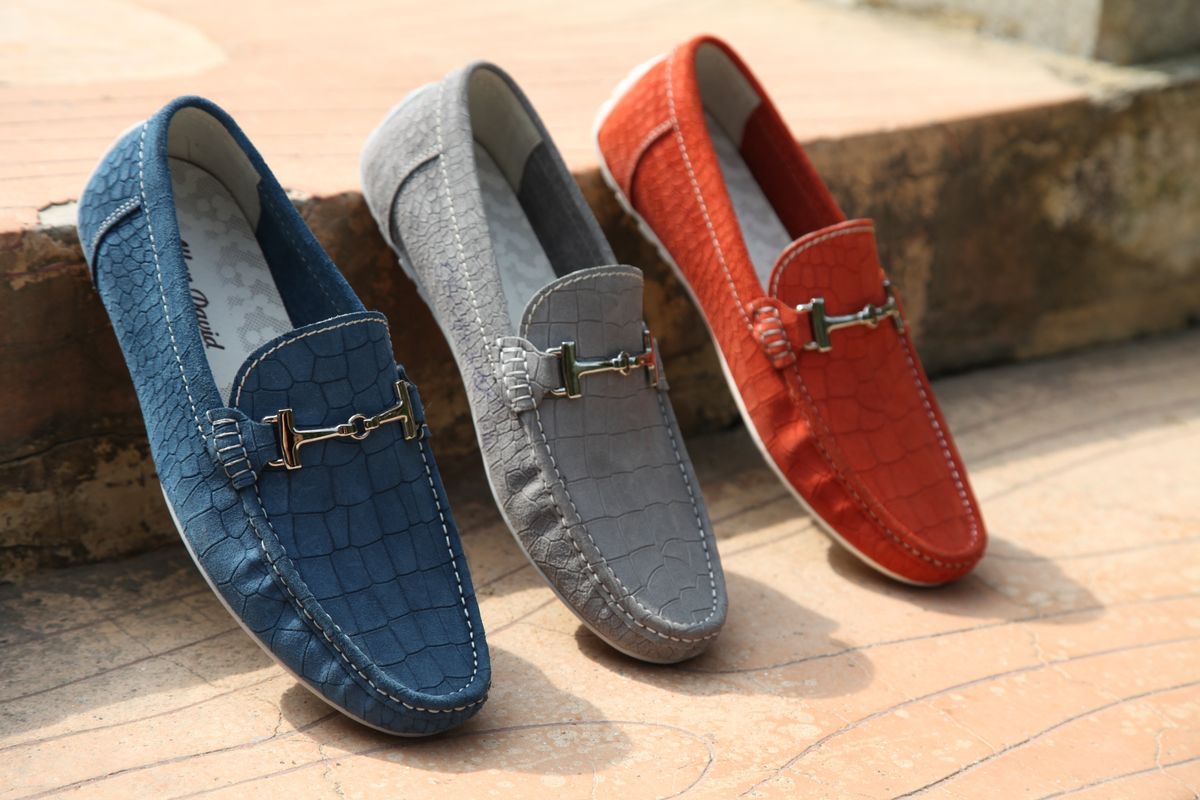
One warning: tan shows scuffs from grass and gravel far more than black does. A green mark on a tan toe is visible from three metres away. I found that out during the photographs, not before them.
Testing the shade is easy if you do it properly. Take the shoes to a window at home, put them next to the bag you plan to carry, and look at both from a metre away. If the tan and the bag are within a shade of each other, they’ll read as a set. If the bag is cooler than the shoes, the tan will look orange next to it by the end of the day. That test takes thirty seconds and it’s more reliable than any photo on a product page.
The heel width decides whether you sink
A 70mm heel with a 9mm tip on soft grass will sink about a centimetre per step, and that’s true of any tan high heels with a slim heel, whatever the price. That doesn’t sound like much. Over 40 steps to the ceremony seats it’s the difference between walking and wobbling.
Two things fix it, and neither requires giving up the height of your tan high heels.
- A wider heel: a block heel of 20mm or more spreads the load enough to stay on the surface. It changes the look, but on grass it’s the difference between standing and leaning on your partner.
- Heel protectors: the clear plastic caps that slip over the tip. They cost very little, they’re ugly if you look closely, and they work. I now keep two pairs in my bag from May to September.
I did neither. I wore thin heels, and I spent the drinks reception standing on the paved edge of the marquee while everyone else drifted onto the lawn. Not a disaster, but not the wedding I’d planned to have.
For an outdoor ceremony, the sensible move is to check the venue photos before you choose shoes. If the ceremony is on grass and the reception is on a terrace, a wider heel solves the first half and looks fine for the second. If the whole thing is on grass, consider a wedge and accept that it’s a different outfit.
There’s a bonus detail: gravel is worse than grass. A thin heel on gravel doesn’t sink, it slides, and it does it sideways with no warning. If the car park is gravel, walk on the grass verge instead, even if it’s longer.
You can rehearse all of this before the day. Put the shoes on, walk across a wet lawn for two minutes, then look at the heel tip. If it has collected a plug of soil, the surface will hold you for about an hour before it starts to slide. If it has cut a groove, you’ll be on the paving by the second drink. Ten minutes in a garden tells you more than any advice column, including this one.
What photographs badly at four in the afternoon
Tan leather under low spring sun goes warmer than it looks in your hand. Mine photographed somewhere between honey and orange in the group shots, and much closer to true tan in the shaded ones. Neither is wrong, and the mismatch bothered me more than it bothered anyone else.
Two things help if you’re planning around photos, and both are about material rather than shade.
- Matte finishes read truer than patent. Patent tan bounces light and can look almost yellow in direct sun.
- Suede photographs softer and hides the scuffs that grass leaves, at the cost of needing a brush afterwards.
If you want a second opinion on pale finishes and how fast they mark, the notes on what three wears do to a cream finish follow the same logic with a lighter colour.
The other photographic problem is the strap. A thin ankle strap cuts the leg line at the narrowest point of the ankle, which is usually flattering, but it also draws the eye downward in a full-length shot. If you’re short, that can work against you. If you’re tall, it doesn’t matter.
The hem is the variable you control. A midi skirt that ends 5cm above the ankle strap keeps a continuous line. A hem that lands right on the strap breaks the leg into two blocks and makes the shoe look like an afterthought.
I wore a hem that landed exactly on the strap. In the photos it reads fine, but in the ones where I’m walking, the strap and hem fight each other. Try the combination on at home, in daylight, and take a photo from three metres away. It’s the cheapest test available.
What other guests wore was instructive. Two women had block-heeled sandals in tan and spent the whole day on the grass without a second thought. Three had thin heels and stayed on the terrace. One had white trainers and looked like she’d read the invitation more carefully than the rest of us. The pattern wasn’t about price or taste. It was entirely about heel width, and everybody who got it right had made that decision before the day, not during it.
The strap, the hem, and the one thing I’d change
The ankle strap was the part I was most confident about and the part that caused the only real discomfort. A thin strap on a warm day, worn for six hours, leaves a mark. Mine sat just above the ankle bone and by the speeches it had pressed a line into the skin that took a day to fade.
Wider straps spread that pressure. So does a strap that sits lower, closer to the top of the foot rather than the ankle. If you’re choosing between two pairs at the same price, pick the wider strap. It’s less delicate and much kinder over a long day.
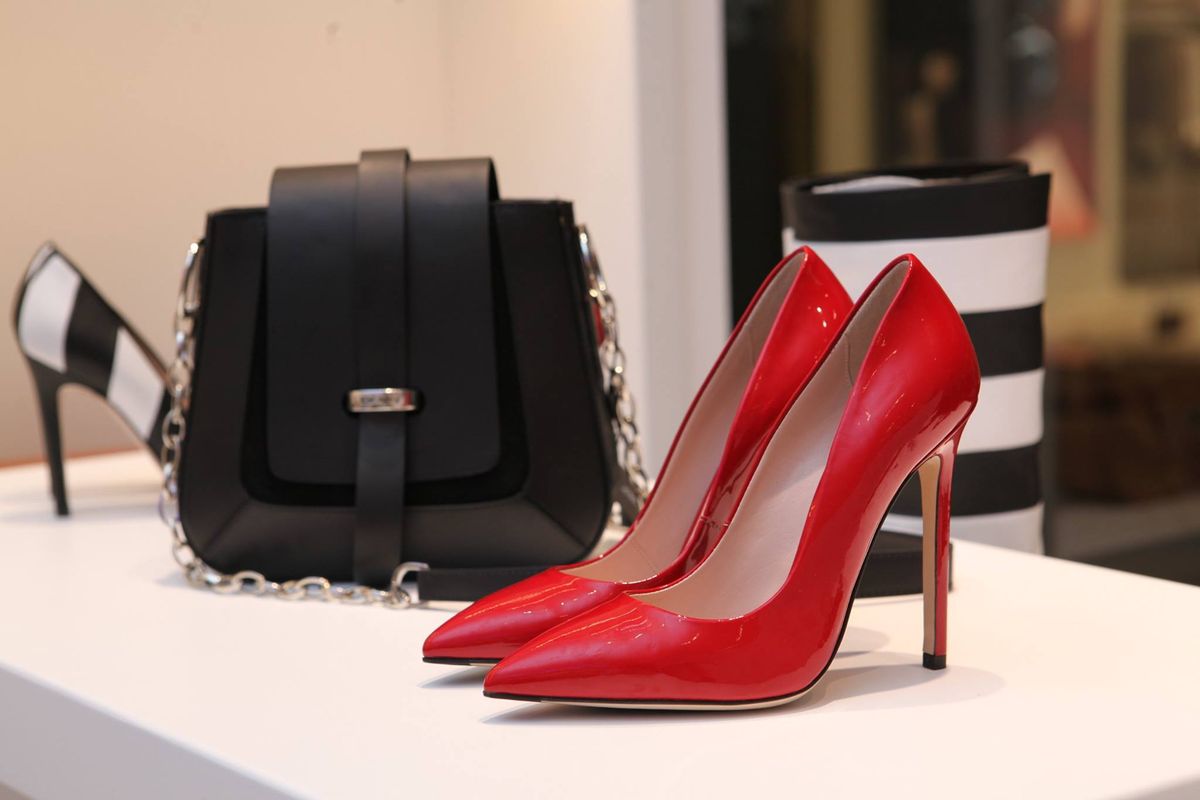
What I’d change if I did it again: nothing about the colour, everything about the heel. A 70mm thin heel was the wrong call for a field. A 60mm block heel in the same tan would have been comfortable, stable on grass, and still formal enough next to a marquee. The difference in how dressed up it looks is smaller than the difference in how the day feels.
I’d also carry a second pair of shoes in the car. Not to wear during the ceremony, but for the drive home. Half the guests at that wedding changed into flats by 9pm, and the ones who didn’t were the ones leaning on chairs.
One thing I got right: tan with a navy dress. It’s a combination that works in every light, and it doesn’t look like a seasonal choice. The same shoes with a pale pink dress looked wrong when I tried it, and with a cream dress they looked like an accident.
If a strap is the only thing wrong with an otherwise good pair, a cobbler can often shorten it or replace it with a wider one for less than a new pair costs. I had a quote of £18 for a wider strap on the same shoes, which is worth knowing before you write off a pair that fits everywhere except one detail.
Wearing them again, and what survived
Six weeks later I wore the same pair to a christening, indoors, on carpet, for four hours. They were comfortable. No marks, no rub, no wobble. Same shoes, same feet, completely different experience, which tells you how much of shoe comfort is decided by the surface and the duration rather than the shoe itself.
The third outing was a work dinner on a polished concrete floor. Slippery, but fine. The heel tips have held up better than I expected: after roughly 14 wears there’s a flat spot on the right tip and the left is barely touched, which is normal and worth watching. A worn tip changes the angle of the whole shoe and starts the slide towards replacement.
Three events is a fair test for a pair bought in a hurry, and the tan high heels came out of it better than I expected. What didn’t survive was the finish on the toe of the right shoe. There’s a scuff about 4mm across from the gravel path, and it took the top layer off the leather. On black I’d have covered it with polish and forgotten. On tan it’s visible, and the repair is a matching cream polish applied in thin layers, which never quite disappears.
If you’re buying for a specific event and want something you’ll wear again, the champagne wedding shoes with a softer heel are a better bet for grass than anything with a thin heel. For a warmer tan tone, the soft-soled bridal pair has a padded insole that makes a long day easier on the ball of your foot.
On the dress code question, the standard breakdown of dress codes is more useful than most wedding websites, mainly because it explains what “garden party” is meant to exclude. For the mechanics of heel height on grass, the reference on heeled footwear covers the load distribution clearly. And if you’re deciding between a sandal and a closed shoe, my notes on foot width in kitten-heel sandals apply to straps as well. More tan and neutral styles sit in the women’s shoe range.
Would I buy tan again for a wedding? Yes, with one change: a wider heel and a wider strap, and a pair of heel caps in my bag before the car leaves. The colour was never the problem. The ground was.
