

One bag, four days, and the shoe question
Four days, one carry-on, a wedding on the second night and a work dinner on the third. The bag allowance is 55 x 40 x 20cm and about 8kg. Most people solve this by packing three pairs and wearing the heaviest on the plane. That works, but it costs you a third of your space before you’ve packed a single dress.
There’s a version of this trip where the shoe problem disappears: pick your outfits first, then count how many colours of shoe they actually need. Nine times out of ten the answer is two. Sometimes it’s one. It’s almost never three.
What makes black and white shoes the answer rather than a compromise is that neither colour needs a companion. Black works with everything dark. White works with everything pale. Between them, they cover the middle too, which is where most travel wardrobes actually sit. That’s the whole case for the pair, and it’s the reason this article keeps coming back to it.
The better answer, in most cases, is two pairs: one black, one white, both heels, both doing different jobs. Black carries the formal evening. White carries daylight, and daylight is where most travel outfits fall apart.
What follows is the list, the packing method, the wash test, and the one thing that gets left behind almost every time and shouldn’t.
Before any of that, a number. A 55 x 40 x 20cm case holds roughly 40 litres. A pair of size 38 heels takes about 2.5 litres in a cloth bag, because the shape leaves gaps you can fill. Three pairs is 7.5 litres, which is a fifth of the case before you’ve packed a single dress. That’s the maths behind the two-pair rule.
Why black and white beats black alone
Black is the safe travel shoe and that’s its limitation. Against a linen dress in Mediterranean light, black reads heavy. Against white trousers it’s the only thing that works. So one pair of black heels covers about half of a warm-weather trip, and the other half looks slightly wrong in every photo.
White, or off-white, does the opposite. It’s the shoe that makes a tan look intentional and a striped dress look finished. It’s also the one that shows every scuff, which is why people avoid it.
Together, black and white shoes for women cover a wider range than two pairs of black in different heights. That’s the argument, and it holds up in practice. The catch is that white heels must be leather or a coated finish, never suede, or the first wet pavement ends the trip for them.
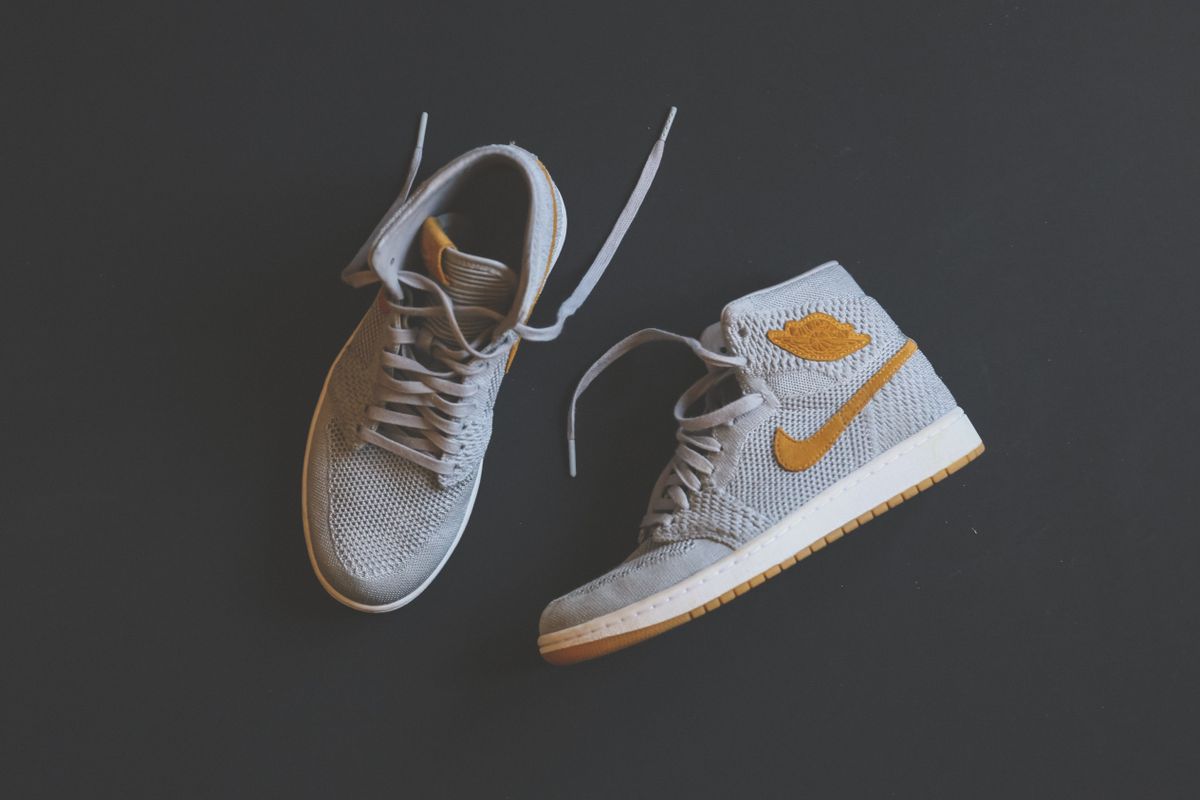
One dark pair, one light pair covers more outfits than two dark pairs.
Hotel lighting is the test nobody thinks about. Warm bulbs turn an ivory shoe yellow and a stark white shoe grey, so an off-white or bone tone is safer than pure white if you’re going to be photographed indoors. Pure white looks crisp in daylight and slightly chalky at night. Bone looks softer in both.
The same logic runs the other way for black. A soft black with a slight sheen reads less severe than a flat matte black, which is why patent works at an evening event and looks wrong at breakfast.
There’s a third case worth naming: if the trip is entirely indoors, hotel to restaurant to hotel, one pair does it. Two pairs earn their space when you’re walking between venues in daylight.
And there’s a fourth: if the trip is a wedding plus a few days of sightseeing, the two-pair rule still holds, but the black and white shoes should both be under a 70mm pitch. Museum floors, cobbled squares, and a train station platform are not places where 90mm is fun, no matter how good your balance is.
The exact packing list
This is what fits in a 40-litre carry-on with four days of clothes. Adjust the clothing, keep the ratios.
- Shoes: one black heel, 60-70mm, closed toe. One white or bone heel, 50-60mm, sandal or slingback.
- Clothes: two dresses, one pair of trousers, one shirt, one knit, one light jacket.
- Underwear and socks: four days’ worth, plus one spare.
- Repair kit: two heel tips, a neutral polish wipe, a blister plaster, a spare insole.
- Bags: one flat pouch for evenings, one tote that folds into the case.
That’s a real list, not a theoretical one. It weighs about 7.2kg with a pair of jeans swapped for the trousers, which leaves you under most cabin limits.
The ratio to keep is two shoes to three outfits, not two shoes to two outfits. Three outfits give you one spare combination for the day something doesn’t dry or the evening runs longer than expected. Two outfits and two pairs means no slack at all, and holiday plans change.
If the trip includes a pool or a beach, swap the trousers for a second dress. Linen is lighter than denim and dries in three hours on a balcony, which is not true of cotton twill.
What earns its place in that repair kit is the heel tip. A worn tip on a trip means walking on metal for the rest of it, and a cobbler in an unfamiliar city is a half-day you don’t have. Two tips weigh nothing and cost almost nothing.
Weights matter more than people think, because cabin limits are enforced at the gate far more often than at check-in. A soft-shell case weighs about 2.4kg empty. Clothes for four days, rolled, run to about 3kg. Two pairs of heels are 1.2kg. That leaves roughly 1.4kg for everything else before you hit an 8kg limit, which is why the polish tin and the rigid shoe bag get cut.
Getting heels into a carry-on without crushing them
Heels don’t crush. They crush other things. That’s the principle to pack around.
Put each shoe in a cotton bag or a hotel laundry bag, heel facing the corner of the case where the shell is strongest. Stuff the toe of each shoe with socks or rolled underwear. That does two things: it holds the shape of the vamp and it saves space you’d otherwise waste.
Then build around them. Roll the dresses along the spine of the case, not folded flat, because a rolled dress takes the shape of whatever is next to it. Put the heels at the hinge end, where the case flexes least.
Three rules that save real space:
- Wear the heavier pair on the plane. A 470g platform at the bottom of a case is 470g you can carry on your feet.
- Never pack shoe boxes. They’re 40% air and they don’t protect anything a bag doesn’t.
- Pack the white pair inside a cloth bag, not loose, because a scuff on day one of four is a problem you’ll look at all week.
If you’re tight on space, a slingback packs flatter than a court because the back collapses. That’s a genuine advantage, and it’s why so many frequent travellers end up with a slingback rather than a pump.
Security is the other reason to pack shoes at the hinge end. Bags get opened at security, and a pair of heels loose in an open case is the fastest way to lose a shoe cap or a strap keeper. Bag them, close them, and they stay together through the search.
If you’re travelling with a hard-shell case, the equation changes. Hard shells flex less but open into two flat halves, which means the heel can’t sink into a corner. In that case, put the shoes flat against the spine with the soles facing the hinge and the uppers protected by a folded knit.
Cabin bags with a laptop sleeve are the worst offenders. The sleeve eats 4cm of depth across the whole case and leaves you packing shoes into a space designed for a charger. If you’re choosing luggage for this kind of trip, pick a case with the sleeve on the outside or leave the laptop at home.
One more trick worth knowing: pack the two shoes separately if the case is tight. One at each end, soles outward. It sounds wrong and it works, because heels are the tallest item in the bag and splitting them lets the soft items fill the middle where they’d otherwise create a hollow.
The sink-wash test
Four days is short enough that you probably won’t wash anything. Five days and the maths changes, and every traveller should know which of their shoes survives water before they find out at 11pm in a hotel bathroom.
Test at home. Run a lukewarm sink, dip a cloth, wipe the shoe, and leave it on a towel overnight. Leather with a polished finish comes back fine. Coated metallic finishes come back cloudy if you scrub. Suede comes back ruined, and no, the internet’s vinegar advice doesn’t save it.
The 36-hour rule applies to the shoes themselves: if a pair gets properly wet, give it 36 hours before wearing again, with newspaper inside and the shoe away from heat. Radiators warp soles. Hairdryers crack coatings.
For the white pair, carry a magic eraser or a plain white cloth. Most marks on white leather are transfer from the ground, and they lift with water and light pressure if you deal with them the same day. Leave them a week and they set.
One thing worth knowing about why leather behaves this way: the structure of tanned leather is a mesh of fibres that swells when wet and tightens as it dries, which is why a soaked shoe that dries slowly keeps its shape and one that dries fast does not. Slow drying is the whole trick, and a bathroom floor with a towel under the shoe is close to ideal.
Materials with a lower environmental load also tend to be the ones that tolerate packing better. If you’re choosing between two white pairs and one carries a verifiable material claim, the material standards published by Textile Exchange are a reasonable place to check what the label actually means.
What you shouldn’t do is machine wash anything structured. Insoles come loose, shanks bend, and the glue that holds a stacked heel gives up. No shoe with a heel above 40mm belongs in a machine, whatever a care label claims.
Day three is where feet change
Feet swell on flights and stay swollen for about 48 hours. That’s why the second evening is usually fine and the third morning is when the strap that fitted on Monday starts to bite.
This is also where a second pair of heels earns its keep in a way people don’t expect. It’s not about matching outfits. It’s about rotation, because two pairs worn alternately give each shoe’s lining a day to dry out. One pair worn four days straight is a wet shoe by day three, and wet leather is where blisters start.
Plan for it. Wear the lower heel on day three. If you know you’ll be walking a lot, that’s the day for the 50mm white pair rather than the 70mm black one, no matter what the outfit wants.
Two practical habits help:
- Put the blister plaster on before you feel anything. On the heel, not on the toe.
- Take the shoes off for ten minutes at lunch. Feet recover faster than people expect from a short break.
And if a shoe does bite, stop wearing it. People push through on holiday because they packed two pairs and one is now unusable. That’s how a small rub becomes a limp for three days. Buy a flat in a local shop instead; it’s cheaper than ruining the trip.
The maths of swelling is worth knowing. A foot can gain half a size across a long-haul flight and stay there for two days. That’s roughly 4mm of extra width at the ball, which is exactly enough to turn a comfortable court into a tight one. The reason the third morning is the hard one is that two days of walking on hard pavements adds a little more on top.
So plan the heel heights backwards. Highest heel on the first evening, when feet are still normal. Lowest on the third day. Back up on the fourth, when swelling has gone down and you’re going home anyway.
The same logic applies to women’s heels in general, not just on trips. A pair that’s comfortable on a normal Tuesday can be a problem on a swollen Wednesday, and the shoes get blamed for something the calendar did. If you know you’ll be on your feet more than usual, choose the lower pair before you leave the room rather than after lunch.
What I’d leave home next time
Three things that took up space and did nothing.
- A third pair, strappy, bought to match one dress. It got worn for ninety minutes. Two pairs is right for four days.
- A shoe bag with a rigid base. It weighed 300g and protected nothing a cotton bag didn’t.
- A polish tin. One treated wipe does the same job and weighs a tenth as much.
What people forget to add is a foldable flat. Not for style. For the flight home, when your feet have had enough and the airport walk runs 20 minutes. It folds to the size of a phone and it’s the difference between landing comfortable and landing sore.
The other thing worth carrying, and almost nobody does, is a lightweight shoehorn. It costs nothing, weighs nothing, and saves the heel counter on both pairs when you’re putting them on in a hurry in a hotel room with no chair.
Two pairs I’d point people towards for this kind of trip, since both pack flat and both survive a bag: a black satin heel that folds into an evening bag, and a woven white leather pump with enough texture to hide travel marks. Neither is a hiking shoe. Both do the job a four-day city trip asks for.
Pack the black and white pair, one flat, and the repair kit. That’s the whole shoe strategy for a four-day trip, and it leaves room in the case for the things you’ll actually remember.
Most packing advice is about folding. The real constraint is colour, because colour decides how many outfits each pair can join. That’s the part of the black and white shoes equation nobody writes about, and it’s the one that decides whether your case closes.
Black and white sit at opposite ends, which means between them they cover nearly everything. A tan heel covers less. A red heel covers less again, even though it’s more fun.
So the rule is simple. Two pairs, one dark, one light, both plain enough to disappear into an outfit. Keep the interesting shoe for the trip where you have space, and keep the carry-on trip boring. Boring is what gets you to the wedding on time with both shoes intact.
