

A backless shoe either stays on your foot or it doesn’t, and the difference is decided by numbers you can measure before you pay. If you’re shopping for kitten heels mules, check three things in this order: heel height between 40mm and 50mm, a footbed that grips rather than slides, and an upper that holds the ball of your foot without pressing the toes.
Get those three right and you have a shoe for a full working day. Get any one wrong and you’ll be shuffling by lunchtime, which is how most mules end up at the back of the cupboard.
What follows is the criteria, the measurements, and the cases where a mule is honestly the wrong choice.
Start with the three checks that decide everything
Before style, colour or price, run these. They take five minutes on a shop floor and they predict almost all of the regret.
- Heel height. 40mm to 50mm is the range that lets your calf work without loading the ball of your foot. Above 60mm, a backless shoe becomes a shoe you clench to keep on.
- Footbed friction. Press a dry thumb across the insole and drag it. It should resist. A smooth, shiny footbed means your heel will slide out with every step, no matter how good the fit is elsewhere.
- Upper hold. The vamp has to cross the widest part of your foot, not the toes. If the opening stops short of the ball, the shoe has nothing to grip and your toes do all the work.
Each of these is binary in practice. A mule with a 70mm heel and a slick insole is not a slightly worse shoe than a 45mm one with a suede footbed. It’s a different category of object, closer to a slipper you can’t walk in.
Kitten heels mules also vary in where the vamp starts, and that’s the number nobody publishes. Measure from the inside heel to the front edge of the upper on your own foot. Anything under 150mm means the shoe grips the toes rather than the ball of the foot, and that’s the shape that produces the clawed-toe walk you see on a hot afternoon.
One measurement worth taking at home before you shop: the length of your foot from heel to the ball joint, which is roughly 70% of total foot length. That distance is how much of the mule’s vamp needs to sit over your foot. On a 245mm foot, you’re looking for about 170mm of upper coverage from the heel to the front edge of the vamp.
There’s a fourth check that saves returns and costs nothing: put the shoe on a table and look along the footbed from heel to toe. You want a slight rise at the heel cup and a flat run under the arch. A footbed that dips in the middle, which happens on cheaper moulded soles, makes the foot roll inward and the shoe tip outward. On a backless shoe you’ll feel that within twenty minutes, and no insole corrects a sole that was moulded wrong.
Most mules are cut to cover somewhere between 140mm and 180mm, which is why two pairs in the same size feel completely different. If the number is below 150mm, the shoe is for sitting.
Why a mule slips, and what actually holds it on
A mule has no heel counter and no strap, so everything keeping it on comes from friction and geometry. Understanding both makes the difference between a shoe that works and one that clacks off your foot at a crossing.
There’s a long history behind this silhouette, and the background of the mule explains why it’s been a indoor shoe for most of it. That’s not a coincidence: without a heel counter, it works best on flat, dry ground.
The geometry is the heel seat. A mule’s footbed has a slight cup at the back, and that cup holds the heel bone in place laterally. If the cup is shallow or the footbed is flat, your heel wanders sideways and the shoe tips. Put your thumb in the heel cup in the shop. You want a lip of at least 4mm rising around the back.
The friction is the insole material. Leather footbeds grip well when new and polish up over time, which is why a two-year-old leather mule slides more than a new one. Suede footbeds grip the best and last the longest. Synthetic linings feel smooth and stay smooth, which is the worst combination for a backless shoe.
Then there’s sole stiffness, and this is the part almost nobody checks. A mule with a stiff sole works like a clog: your foot stays put because the shoe doesn’t flex under the arch. A mule with a soft, flexible sole bends with your foot, which sounds comfortable and means the shoe walks off at the heel.
On kitten heels mules, the width at the ball matters more than the length, because nothing at the back is holding the foot in place. If the shoe is 4mm narrower than your foot, the sides press and the sole rolls. If it’s 4mm wider, the foot slides. The tolerance is about half of what a pump allows, which is why trying them on rather than ordering blind is worth the trip.
Weight distribution finishes the job. On a mule with a 45mm heel, about 70% of your body weight sits over the forefoot, which is why the toe area has to be wide enough and padded enough. If the front edge of the shoe digs into your toes when you stand still, the shoe is already 8mm too short, and it will be unbearable by the time you walk a kilometre. Standing still for thirty seconds in the shop is a better test than walking eight steps.
Test it by holding the mule at the heel and toe and twisting gently. Some resistance is good. If it folds like a gym shoe, it will not stay on.
The exception is a mule with a slight platform under the toe, which keeps the sole flatter as the foot rolls. That’s why the heel range shows a lot of low platforms in this shape. It’s structural, not decorative.
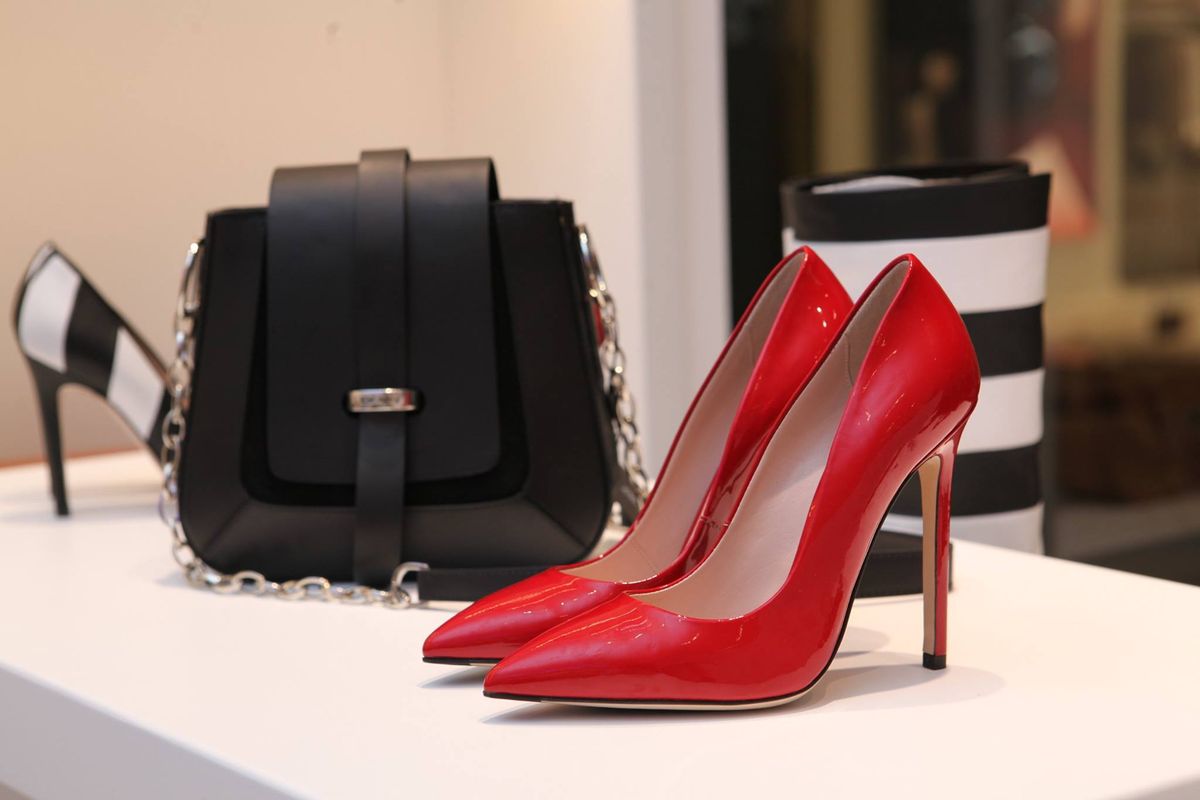
The 45mm rule: how far you can walk before it costs you
Heel height changes how much work the calf and the ball of the foot do, and for a backless shoe the trade-off is sharper than for a pump because nothing anchors the heel.
At 30mm to 40mm, most people walk four to six kilometres without noticing the shoe. At 45mm to 50mm, the same walk is comfortable for about three kilometres and then the ball of the foot starts reporting in. Above 60mm, the shoe is for two hours of standing and sitting, not for walking.
The mechanics of a raised heel are the same in a mule as in a pump, with one difference: a pump transfers some load to the heel counter, and a backless shoe transfers none of it.
Those numbers assume a normal arch and no existing forefoot pain. If you have a bunion or a history of metatarsal pain, cut each distance by roughly a third, because the load per square centimetre at the ball of the foot rises with every millimetre of heel.
Just as useful: check how much of your heel sits inside the cup. On kitten heels mules with a shallow seat, the heel bone rides on the back edge rather than inside it, and every step pushes the shoe forward. Your heel should sit 5mm to 8mm inside the cup with no overhang at the back.
Arch support changes the arithmetic, and it’s the one thing you can add after buying. A mule with a flat footbed and a 45mm heel gives you nothing under the arch, so the foot slides forward into the vamp and the toes take the load. A stick-on arch support of 3mm to 4mm pushes the foot back against the heel cup and reduces that slide noticeably. On a backless shoe it’s the highest-value 10 dollars you can spend.
What’s useful about a kitten heel is that it keeps the shoe visually elevated while the load stays close to flat. The gap between 25mm and 45mm is where almost all of the wearable range sits, and it’s narrow for a reason.
| Heel height | Realistic wear | Where it fails |
|---|---|---|
| 25mm to 35mm | Full working day, walking included | Looks flat in photographs |
| 40mm to 50mm | Office day, 3km of walking | Ball of foot after 4pm |
| 60mm to 70mm | Two to three hours, mostly seated | Heel lift, toe clawing |
| 80mm and up | Photographs and short events | Everything, on a backless shoe |
One number worth pairing with that table: the sole thickness under the ball. Below 8mm, you feel every paving slab. Between 10mm and 15mm, the shoe absorbs enough to make a difference. A 45mm heel on a 12mm forefoot sole is a far better walking shoe than the same heel on a 5mm sole, and the difference is invisible in a product photo.
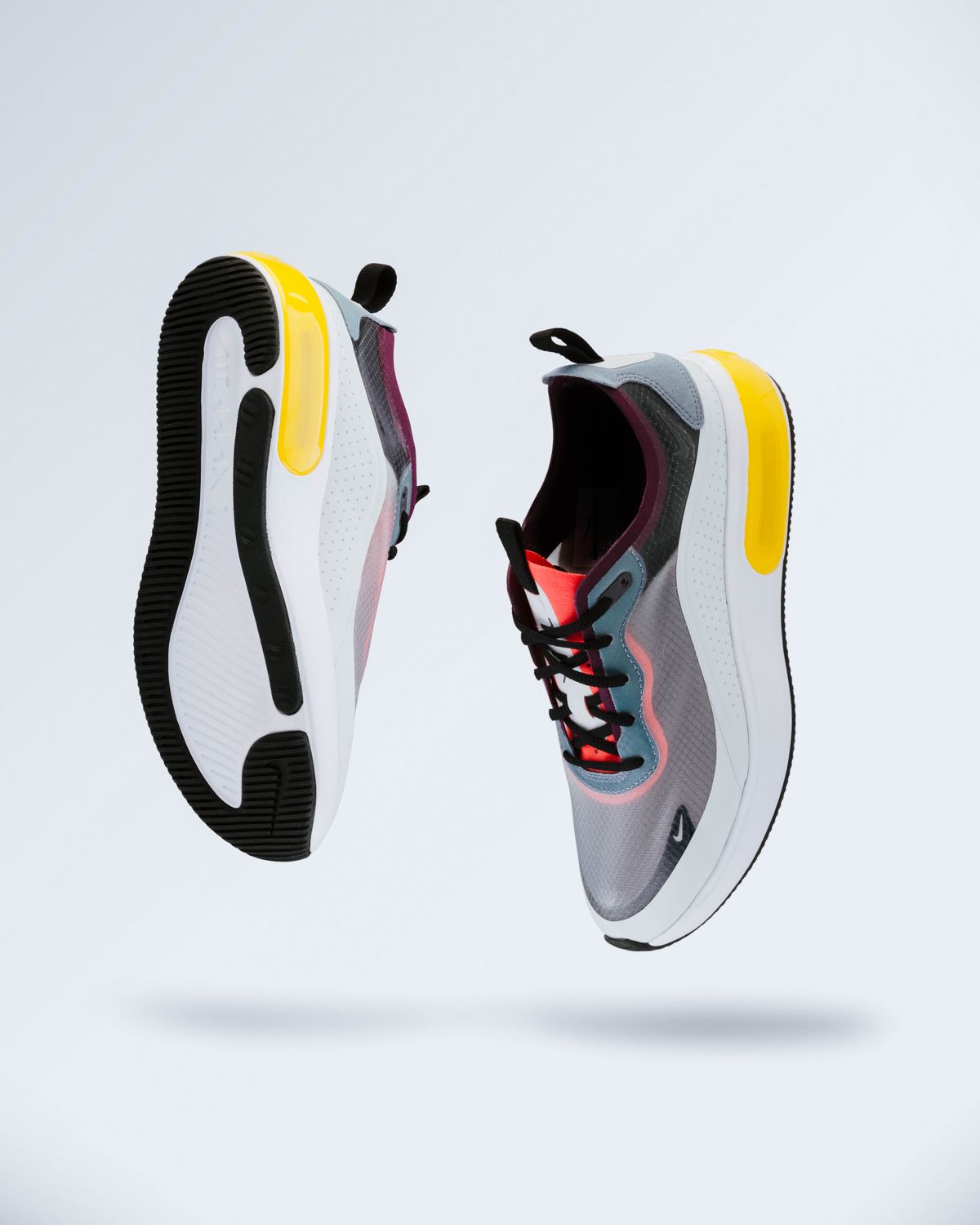
Leather, suede or patent: the choice that decides grip
On a mule, the upper material does two jobs, and the one that matters for fit is grip at the vamp rather than looks.
Suede is the most forgiving on a backless shoe. It grips the top of the foot, softens quickly and doesn’t shine up with wear. It also marks in rain and needs a brush and a spray, which is the price of the grip.
Smooth leather is the middle option. It holds the vamp shape well and creases where your foot flexes, which is acceptable on a mule because the vamp is short. Over a year, the surface polishes where the straps cross the foot, and that’s where the grip starts to go.
Patent and other high-shine finishes are the ones to think twice about. They look sharp and they slide. On a pump that doesn’t matter, because the heel counter holds the shoe. On a mule with a patent vamp, the top of your foot becomes a low-friction surface, and the shoe moves forward with every step until your toes are gripping the front edge.
If you want the shine, look for a patent upper with a suede or nubuck footbed. That combination keeps the look and puts the grip where it’s needed. A patent shoe with a patent insole is a shoe for a car.
One note on the vamp height, since it decides most of the fit on kitten heels mules. A vamp that stops in the middle of the foot holds well and looks formal. A vamp cut closer to the toes holds less and looks casual. Neither is wrong, but the lower cut needs a grippier footbed to work, and most cheap versions pair a low vamp with a smooth insole.
Price doesn’t track grip in any reliable way, which is worth knowing before you spend up. I’ve handled soft leather mules with suede footbeds and a 12mm forefoot sole that cost a third of a patent pair with a synthetic lining, and the cheaper pair held the foot better through a summer of daily wear. The parts that matter here are inside the shoe, and they barely show up in the photography that most shops rely on.
There’s a climate angle too. Suede in a wet city means spraying and brushing more often than most people will. Smooth leather with a suede footbed is the practical compromise: wipe the outside, keep the grip inside.
For a soft-footbed option in the same family, the white kitten heel with a padded footbed shows how much difference the insole makes at this height, and the nude mesh pair with a finer heel is the version for evenings rather than offices.
When a mule is the wrong shoe
Three situations where you should buy something with a strap, and one where no backless shoe will work at all.
Long commutes with stairs. A mule with a 45mm heel is fine on flat ground and genuinely awkward on a stairwell, because the shoe tips forward when your foot drops and nothing holds it back. If the walk to work includes two flights, add a slingback to the rotation.
Cobbles and grass. The narrow heel finds the gaps, and a backless shoe gives you no leverage to recover. Wedges exist for this reason.
Any day with rain forecast and no umbrella. Wet leather and a backless shoe is a combination that ends with the shoe in your hand.
The absolute case: a foot that rolls inward heavily, or an ankle that needs support. A mule offers neither, and no insole converts it into a supportive shoe. If you’ve sprained an ankle in the last year, this isn’t the shape.
The same logic explains why most kitten heels mules are bought in pairs. One for the office at 45mm, one in suede for evenings at 30mm, and the second pair does the work the first can’t. That’s cheaper than one compromise shoe worn badly all summer.
One more case worth naming, because it comes up often: driving. A backless shoe is a poor pedal shoe, since the heel slides and nothing ties the foot to the sole. Keep a pair of flat shoes in the car rather than relying on a mule for the drive, even a low one.
What’s left is a wide, useful middle. Offices with carpet, restaurants, a wedding where you’ll mostly sit, a summer dinner, a flight. For those, a 45mm kitten heel mule with a suede footbed does everything a pump does and is easier to get on.
For the closed version of the same shoe, the fit guide for kitten heel sandals covers straps and width, and the two-hour sit test is the check to run if you’re buying for an event. If a backless shoe keeps sliding, the pointed pump with a heel counter solves the grip problem by holding the heel at all.
Measure the heel cup, drag a thumb across the insole, and check the sole resists a twist. Then decide about the colour, which has never once kept a shoe on a foot.
