

You bought them for one night. Gold, strappy, slightly too high, absolutely correct in the shop mirror. They cost $135. You wore them to a birthday dinner in March, the strap cut into your ankle by 10pm, and they’ve been in the box since. That’s $135 for four hours, or about $34 an hour, which is more than you paid for the dinner.
Nobody counts this. We count price tags, not wearings. And party shoes are where the gap between those two numbers gets ugly.
So here’s the frame: divide the price by the number of times you’ll genuinely put them on. If the answer is under $12 a wear, buy them. If it’s over $40, you’re renting a photo, not buying a shoe. Everything below is how to work that number out before you spend, and which details change it.
The maths before the glitter
Take a pen and answer one question: how many times a year do you go somewhere that needs a party shoe? Not weddings you’re invited to in theory. Actual events you attended last year, with a number.
Most people say eight to twelve. Some say four. A few say twenty, and those people are usually in their twenties with a friend group that throws themed birthdays.
Now do the division. A $220 pair worn ten times a year for three years is $7.30 a wear. A $60 pair worn twice and then destroyed by rain is $30 a wear. The expensive pair is not the expensive choice. The one you keep wearing is.
Here’s the version people find harder. A $90 pair worn four times a year for two years is $11 a wear, which is fine. The problem is that most party shoes don’t survive two years of four-times-a-year wear, because satin scuffs, sequins shed, and metallic finishes rub off at the toe. So the real lifetime is often one season, and the honest maths is $90 divided by four, not eight.
That’s the number to beat. Write it on your phone before you go shopping, and it becomes much easier to walk past the pair that only works in the shop lighting. For context on how much of the industry is built on one-wear purchases, Footwear News coverage of the dress shoe market keeps returning to the same theme: occasion dressing sells, but repeat wear is where brands struggle.
One refinement. Cost per wear punishes a shoe for being special. If a pair costs $180 and you wear it to four events a year for five years, that’s $9 a wear, which is cheaper than the coffee you bought this morning. The trap isn’t spending a lot. It’s spending a lot on something you’ll wear once because it only works with one dress.
Count the wears before you count the sequins
Occasion shoes fail for a boring reason: they’re built for the photo, not the fourth hour. Straps that look elegant in a mirror dig in once your foot swells. Soles that are beautiful and thin transmit every piece of gravel on the walk from the car. Most party shoes for women get bought in this gap between how they look and how they behave at 10pm.
Before you fall for a pair, run through the four-hour checklist.
- Strap placement: an ankle strap should sit on the bone or just above it, never across the tendon at the back.
- Toe shape: square and rounded toes let your toes lie flat. Sharp points look sharper in photos and hurt sooner.
- Sole thickness: under 5mm and you’ll feel every paving stone. 8mm or more and the night gets easier.
- Heel base: anything narrower than a pencil is a sitting shoe, no matter what the shop assistant says.
- Back counter: press it. If it collapses, the shoe will slip off when you dance.
Two of these you can check in ten seconds. The strap placement takes a mirror and a walk. The sole thickness you can feel with your thumb.
And be honest about your event. A wedding with a 40-minute standing reception is a different brief from a dinner where you sit for three hours. If your calendar is mostly dinners, that spells out the answer: buy the sitting shoe and stop pretending you need a dancing one.
The calendar also clusters. Most people’s party shoes for women get worn between late November and early January, then again from May to September for weddings. That’s about fourteen weeks of real use. If you can find a pair that works across both clusters, you’ve doubled the wears without spending a cent more, and that alone changes the maths from $40 a wear to $18.
What makes a party shoe wearable past hour two
Padding is the least glamorous feature and the one you’ll notice most. A 3mm memory foam insole under the ball of the foot buys you roughly an extra hour. You can add one yourself for about $10, and it’s the single best modification you can make to a shoe you already own.
Platform height is the second lever. A 100mm heel with a 20mm platform is effectively an 80mm shoe for your ankle, which is why so many bridesmaids survive in them. The trick is measuring the gap between the heel and the platform rather than trusting the headline number, and the platform gap measurement explains it with actual numbers.
Ankle straps divide people. They keep a backless shoe on your foot, which is a safety feature at 11pm, but a badly placed strap will rub the Achilles raw. If you have narrow ankles and the strap is loose, a cobbler can punch an extra hole for $5. If the strap is fixed and too tight, walk away, because it doesn’t stretch.
Heel grip matters more than heel height on polished floors. A rubber cap on a stiletto tip costs $8 to replace and stops the slide that turns into a sprained ankle in a hotel lobby.
One more thing that nobody mentions: weight. A heavily beaded shoe can weigh twice what a plain satin pump does, and that extra 150g per foot is the difference between dancing at midnight and sitting down at 10:40. Pick the shoe up. If it feels dense, it will feel heavier by the end of the night.
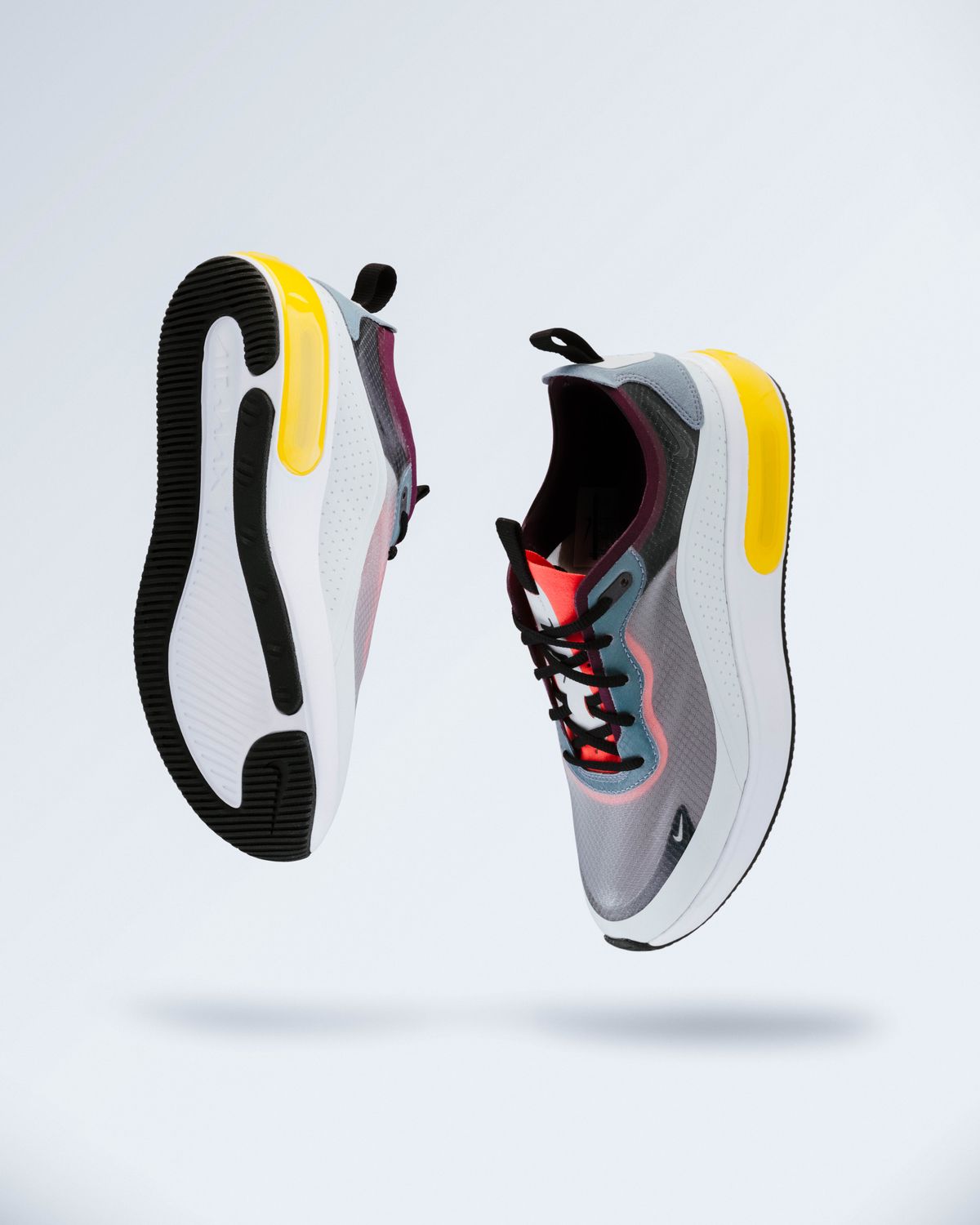
Toe box room matters more in party shoes because your feet swell. After six hours of standing and warm rooms, a foot can gain up to half a size. If the shoe is snug at 6pm in the shop, it will be painful by 10pm at the party, and there is no clever fix for that except buying the wider option.
Colour and finish decide how many times you’ll actually wear them
Black satin and dark metallics are the workhorses. They go with everything, hide scuffs, and read as “dressed” without announcing themselves. They’re also the pairs that survive to a second and third season, which is what makes the price-per-wear number work. If you only ever buy one pair of party shoes for women, buy this one.
Silver and gold are the next tier. They photograph well and work with most colours, but the finish is where they fail. Cheap metallic coatings are a sprayed layer over synthetic, and they rub off at the toe within a few wears. Better metallic finishes are bonded or foil-laminated leather, and you can often feel the difference: run your thumb across the surface and see whether the shine sits on top of the material or inside it.
Sequins are the highest-risk purchase in the shop. They shed, they catch on tights, and they’re nearly impossible to repair invisibly. If you love them, treat them as a one-season shoe and price them accordingly. Pay $60, expect four wears, and you’ll be fine. Pay $200 and you’ll be annoyed by the third.
White and cream are the prettiest and the least forgiving. One scuff at the toe and the whole shoe looks tired. They work if you’re the kind of person who carries a cloth, and they don’t if you’re not.
According to the manufacturing notes on sequins, most modern sequins are plastic film cut and coated, which explains both the price and the shedding. That’s not a reason to avoid them. It’s a reason to pay less for them.
Satin needs a different warning. It’s a weave, not a fibre, and it water-spots. A spilled drink leaves a ring that won’t come out with a damp cloth, and dry cleaning a $90 shoe often costs $25. If you’re buying satin, buy a darker shade where a mark is a rumour rather than a headline.
Renting, resale, and the case for not owning at all
If your real number is three wears a year, ownership is the wrong model. Renting a pair for a wedding costs $40 to $90 in most cities, which beats buying at $150 and never touching them again. It also solves the storage problem, which is the quiet reason so many pairs end up squashed at the back of a wardrobe.
The catch is fit. Rental shoes arrive a week before, are built on a generic last, and have been worn by someone else’s feet. Order two sizes if the service allows it, and wear them around the house the day they arrive so you find the problem while you still have time to swap.
Resale is the better middle path. Platform heels, block heels, and classic satin pumps show up on resale sites at 30 to 50% of retail, often worn once, sometimes never. Search the exact model name rather than a description, because photos of a “gold strappy heel” tell you nothing about the heel base or the strap placement.
Borrowing from a friend is free and underrated. The only rule is to return them clean, with a note about the fit, because the next friend will want the same information.
What doesn’t work is buying a cheap pair as a “backup” and then never wearing either. Two unworn pairs at $60 each is worse than one worn pair at $140, and it’s the most common pattern I see in shoe cupboards.
If you’re renting, book two weeks out, not two days. Sizes run out before the popular wedding weekends, and a late booking means accepting whatever is left, which is usually the pair with the strap nobody wanted. And check the cleaning fee before you commit, because some services charge $20 on return and that changes the cost per wear more than you’d think. For anyone testing the idea first, a single rental of the crystal champagne wedding pair tells you whether the style suits your feet at all.
The three-party test plan
You can’t test a party shoe at a party. You need three cheaper rehearsals first.
Rehearsal one, at home, 30 minutes. Wear them on carpet with the tights or socks you’ll actually wear. Look for heel slip and toe pressure. This is where most problems show up, and it costs nothing.
The second rehearsal is a low-stakes evening. Drinks, a casual dinner, anything where leaving early is acceptable. Bring a foldable flat in your bag. You’ll learn exactly where the shoe bites, and whether the bite is a blister or just new-leather stiffness. If you want a preview of how a long night actually feels, this piece on buying heels for the fourth hour instead of the photo is the same argument with a different set of examples.
Rehearsal three, a long walk in daylight. Ten minutes on pavement, ideally slightly wet pavement, to check grip and sole flex. If the heel wobbles here, it will wobble worse on a marble floor at 11pm.
After three rehearsals you’ll know whether the pair has a future. If your feet are sore after a 30-minute carpet test, no amount of breaking in will fix it, and you should return them while you still can. If they’re fine after a two-hour dinner, they’ll usually survive a wedding.
Then add the insurance: a gel insole under the ball, a spare heel cap in your bag, and a small pack of plasters. Total cost around $15, and it turns a risky pair into a reliable one.
If a rehearsal fails, you have options before you give up. A cobbler can stretch the toe box by roughly 3mm, add a padded heel grip for $10, or reduce the heel by 10mm if the shoe is leather and the construction allows it. Those three fixes cost less than a new pair and solve most of the problems that show up in rehearsal two.
Timing matters too. Buy at least ten days before the event so you have room for one rehearsal, one fix, and one more rehearsal. Buying on the Thursday before a Saturday wedding is how people end up in the emergency flats they hate, and those flats usually cost as much as the shoes they replaced.
When the cheap pair actually wins
There’s a contrarian case worth making. If your number is two or three wears a year, and the events are all different, buy the inexpensive pair and spend the savings on the night out.
Expensive party shoes earn their price through construction that survives years of use. If you’ll wear them four times and then change taste or size or city, that durability is wasted. A $55 pair that fits well and looks right will do the same job as a $190 pair for those four nights.
What you shouldn’t do is buy the cheap pair in the wrong size because it’s on sale. Fit is the one thing that money can’t fix after purchase, and a 20% discount doesn’t compensate for a strap that cuts into your ankle every time you take a step. It’s the same mistake people make with party shoes for women every December, and it’s always the same $60 wasted.
Split the budget differently. Spend on the pair you’ll wear fifteen times a year: the black block heel, the neutral pump, the pair that goes to office parties and dinners and the odd wedding. Save on the novelty pair, the colour you love but won’t repeat, the trend you’ll be done with by spring.
That two-tier approach is how you end up with a cupboard that works. One pair of serious black heels at 45mm covers the events that matter, and one cheaper statement pair covers the nights when you want to look like someone else. The block and kitten heel range is where that first pair usually comes from, and the butterfly detail pair with a slim heel is the kind of thing that belongs in the second tier, bought cheap and worn deliberately.
Party shoes for women are usually bought as a costume. Treat them as a tool with a known lifespan and the maths gets simple: cheap for the one-off, good for the rotation. Count the wears, check the strap, feel the sole, and let the number make the decision instead of the shop mirror.
One last habit worth stealing: before you buy any party shoe, look at the last three you owned and count how many times you actually wore them. That number is your real forecast. Not the number of parties you’re invited to, not the number of outfits you could build around them. The one you already lived through. It’s almost always lower than you expect, and it’s the only honest input in the calculation.
