

Forty percent off is a number that switches off the part of your brain that asks questions. Women’s clearance walking shoes are the category where that switch costs the most, because a walking shoe has to hold up for thousands of kilometres, not one party. The shoes arrive, they look fine, and eight months later the midsole has gone flat and hard in a way that doesn’t match how much you paid.
That’s the trap with clearance walking shoes. The discount is real, but so is the reason for it, and the reason is usually time. A pair that has sat in a warehouse for three summers is cheaper because it’s older, not because it’s worse designed.
None of that means don’t buy. Half my walking shoes came from end-of-season sales and two of them were excellent. But there’s a short inspection routine that separates the bargains from the boxes nobody wanted, and it takes about four minutes per pair.
The discount is about stock age, not quality
Walking shoes get marked down for three reasons: a new model replaced them, the colour didn’t sell, or the retailer over-ordered a size run. Only the third is a genuine bargain on a shoe you wanted anyway.
The fourth reason is the one nobody advertises: a pair that came back. Returns get re-boxed and shelved with the sale stock, sometimes after a week of indoor wear. That’s not automatically a bad buy, but you should know what you’re holding before you pay a clearance price for it.
Model replacement is the most common. Brands run a shoe for two or three years, then change the upper pattern and call it a new version. The outgoing pair is often 40% off and functionally identical, which makes it the best value in the shop. If you already know a model fits you, buying the previous version at half price is close to free money.
Colour clearance is the second. This is where fashion shades land: pale pink, sky blue, the metallic one that looked great in the campaign photo. If you liked that colour anyway, you’ve won. If you’re buying it because it’s cheap, you’ll wear it four times and go back to the grey pair.
Over-ordered size runs are trickier. Those are usually the middle sizes, and the stock may have been tried on repeatedly in a shop for a year. That’s a condition problem, not an age problem, and the inspection below covers it.
There’s a fourth reason things get cheap, and it’s the one to be careful with: a shoe that came back. Returns get re-boxed and put on the clearance shelf, sometimes with a season’s wear inside. Nothing wrong with buying a return if you inspect it, but you should know that’s what you’re holding.
One rule I’d suggest: only buy clearance in a brand or model you’ve worn before, or from a shop with free returns. Walking shoes are a fit purchase first, a price purchase second. Getting the fit right at full price beats a 40% saving on a shoe that rubs your little toe.
Foam has a shelf life, and shoes don’t age like wine
Midsoles are foam. Foam is a structure of gas bubbles held in a polymer, and that structure changes over time whether you wear the shoe or not. Two things happen.
The first is compression. EVA, the most common walking-shoe foam, loses a little height under load and never fully recovers. A pair that’s been stacked in a hot warehouse with other boxes on top starts life already partly compressed.
The second is worse and only affects certain foams. Polyurethane midsoles absorb moisture from humid air and gradually break down, which is why old shoes sometimes crumble into yellow dust at the heel. It’s called hydrolysis, and once it starts there’s nothing to apply or spray that fixes it. The chemistry behind polyurethane explains why humidity is the trigger, and the EVA overview covers the more stable alternative.
Practically, that gives you a rough window. A shoe stored in a cool dry place is usually fine for three to five years from manufacture. One stored in a hot shipping container or a damp stockroom can be compromised in eighteen months.
Heat is the other accelerant. A container sitting on a dock in July can hit 60C inside, and foam that spends six weeks at that temperature ages the equivalent of a year on a shop shelf. You can’t see this from the outside, which is why the box date and the thumbnail test matter more than how the shoe looks.
If you’re shopping women’s clearance walking shoes in a warehouse outlet, assume some heat exposure and inspect harder. If you’re buying from a small shop that turns stock over twice a year, the risk is lower and the discount is usually smaller for exactly that reason.
So find the manufacture date. It’s normally on the box label, and often on a small tag inside the tongue or under the insole. Some brands print a four-digit month and year, some use a code. If the date is more than three years old, you’re buying a shoe that has already spent part of its life.
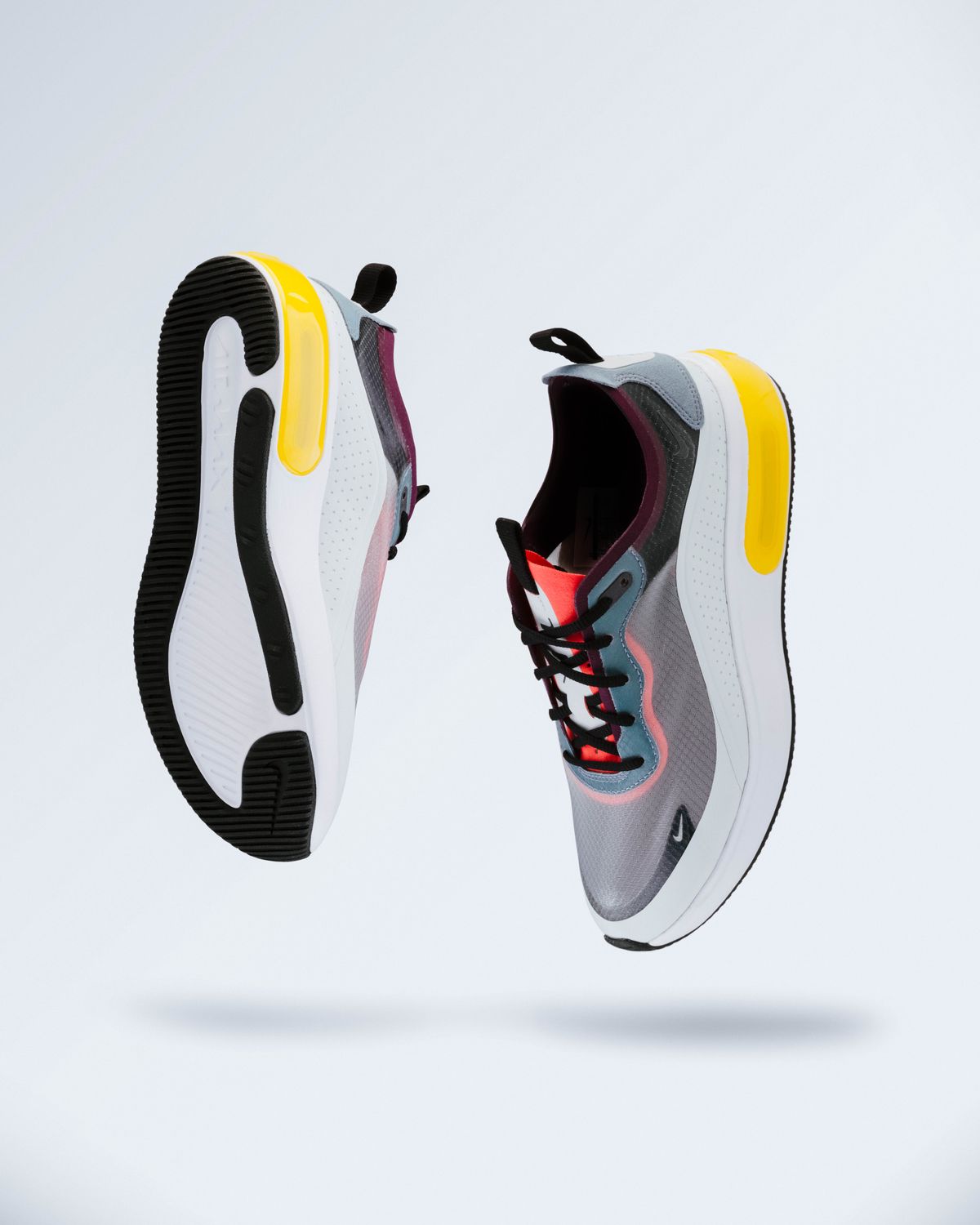
Two versions of the same shoe can fit differently
Version numbers matter more than people expect. A shoe called the same thing with a v2, v3, or 2026 suffix is often a different last, even when the photos look identical.
Brands change the upper pattern to fix complaints, they swap the insole for a cheaper one to protect margin, and they occasionally narrow the toe box without announcing it. So “I had the old one in a 7” isn’t a guarantee that the new one fits.
The version number is usually in the product title or on a small label inside the shoe. If you’re buying the outgoing model at a discount, check which version you’re getting and read reviews for that specific version. Search the model number plus the word “fit” and you’ll find forum threads listing exactly what changed.
There’s a second detail worth checking on clearance pairs: the insole. Cheap end-of-line stock sometimes ships with a thinner footbed than the one reviewed online. Take it out and look at the thickness at the heel. If it’s 3mm of flat foam, budget for replacing it, which adds $20 to your bargain.
One more version trap: brands sometimes keep the same name but switch the outsole supplier, and the replacement rubber is harder. A shoe that used to be quiet on tile becomes clattery, and you notice it in a hallway rather than a shop. Reviews for the exact version will mention it if it happened.
Width options vanish in clearance faster than anything else. If you need a wide or narrow fit, the odds of finding it in a sale are slim, and you’ll mostly see standard widths left. That’s the honest reason wide-footed walkers pay closer to full price, and the guide to women’s 4E width walking shoes explains why the size on the box rarely matches the fit anyway.
Someone else may have already worn them for a year
Shop stock gets tried on. In a busy store, a popular size can be on and off forty feet in a month. Most of that leaves no trace, but some of it does, and clearance racks are where the traces accumulate.
The heel collar is the giveaway. Look at the inside of the collar where your Achilles sits. New shoes have a smooth, even lining. Worn ones have a slight fuzz, a shine, or a crease where the padding has collapsed. If the lining is shiny, the shoe has been worn enough to mould to someone else’s heel, and it won’t hold yours the same way.
Then look at the toe box from the side. A deep diagonal crease across the vamp means the shoe has flexed a lot, which means someone walked in it. One light crease is normal from trying on. Three creases fanning across the toe means miles.
The footbed tells you the rest. Pull the insole out and look for a dark imprint of toes or a compressed patch under the heel. If the imprint is visible, the shoe has taken someone’s weight for hours. It will still work, but the cushioning is already partly spent, and that’s the thing you were paying for.
There’s a subtler sign too: the laces. Factory-laced shoes have an even, untouched pattern, and the lace ends are trimmed square. If the laces are re-laced unevenly, or one is noticeably dirtier than the other, the pair has been worn and returned. Not a dealbreaker on a deep discount, but it should change what you’re willing to pay.
Smell the inside, too. A pair worn for a few days has a faint foot odour that no amount of airing in a shop removes, and clearance racks are where those pairs end up. It sounds crude. It works.
Finally, check the sole edges. Scuffed sidewalls clean up easily in a shop, but small nicks in the rubber at the toe bumper don’t. Nor does grit stuck in the tread.
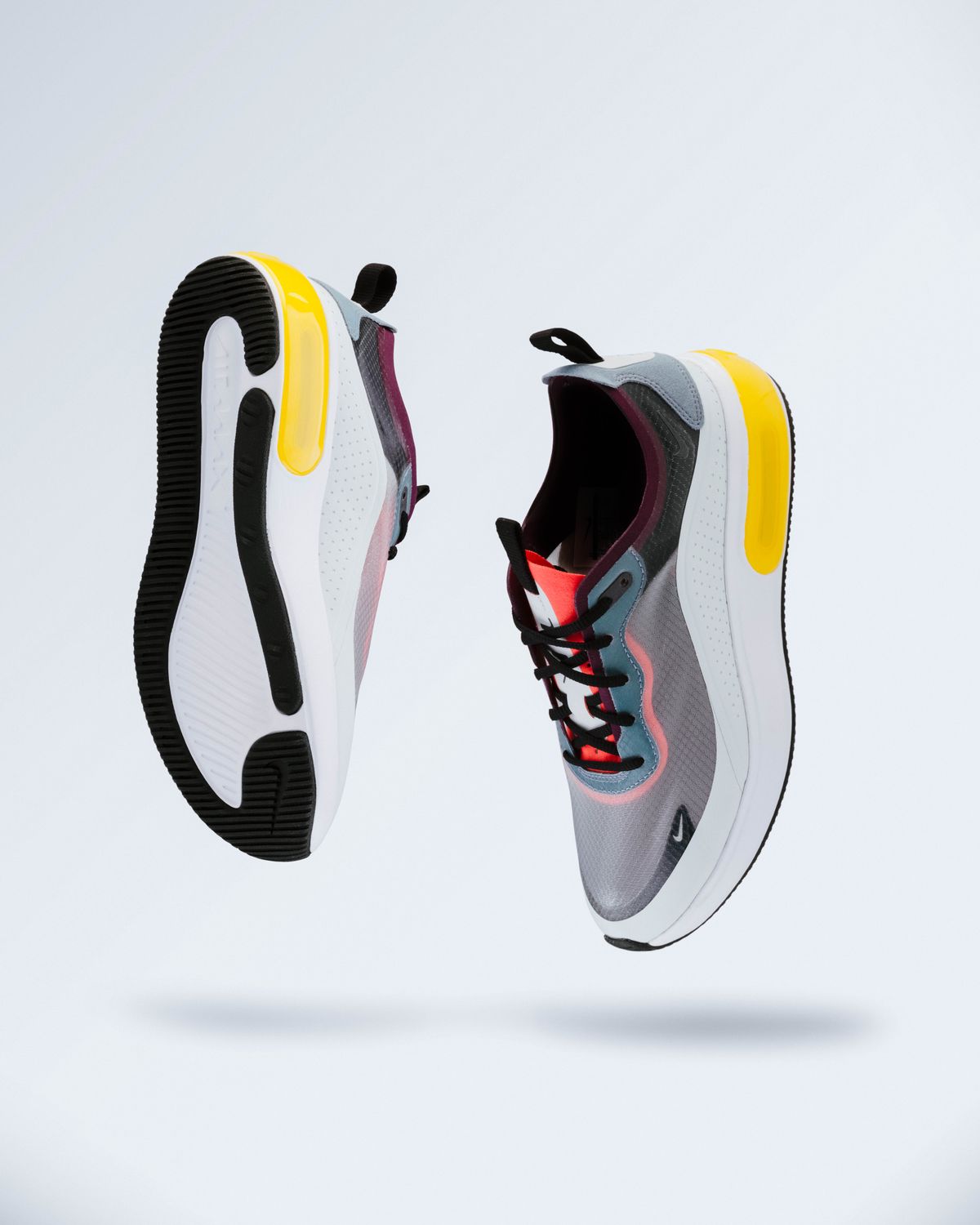
Four minutes of inspection before you pay
Run this list in order. Any single fail isn’t fatal, but two fails means walk away, even at half price.
- Box date: under three years old, ideally under two.
- Version number: matches the reviews you read, not a variant you’ve never heard of.
- Heel collar: smooth lining, no shine, padding still springy.
- Toe box: one light crease at most.
- Insole: removable, at least 5mm thick at the heel, no dark imprint.
- Midsole: press it with a thumbnail. It should spring back, not stay dented.
- Glue line: no yellowing or lifting where the upper meets the sole.
- Returns: at least 14 days, and you can return them worn indoors.
Bring a tape measure if you can. Published widths vary by up to 6mm between brands at the same nominal size, and clearance stock can’t be swapped for the right one. Measuring the insole at the ball takes ten seconds and settles it.
The thumbnail test is the one I trust most. Push hard into the side of the midsole and hold for three seconds. Fresh foam bounces back within a second or two. Aged foam stays dented, and that dent is a preview of what your heel will do to it over a year.
Smell is a rough but real signal. Old foam and old adhesive have a slightly sour, chemical smell, quite different from new rubber. If a pair smells like a garage, it’s been stored warm for a long time.
Do the maths on the discount as well. If a pair is 40% off but needs a $25 insole and a $10 tube of shoe glue within two months, your saving is smaller than the tag suggests. Compare the all-in cost against a current model at full price and decide whether the gap is still worth it.
Then check the return policy before you queue. Some clearance stock is final sale, and a final-sale walking shoe you’ve never worn is a gamble with your own money. If the shop won’t take them back, only buy a model you’ve owned before.
Where clearance is a bad deal, even at 60% off
Some categories should be bought new. Waterproof shoes with a membrane are the clearest example. The membrane is a thin film, and it delaminates with age and flexing. A discounted waterproof walking shoe with two years of shelf time may already leak at the flex point, and you won’t find out until the first proper rain.
Anything with a glued-on sole and a lot of stored tension is a risk too. Adhesive doesn’t improve with time, and a shoe that has sat in a box can start to lift at the toe within a month of wear. That’s fixable with shoe glue, but it’s a repair on a new purchase.
There’s a price threshold worth naming. Under about $50, a clearance walking shoe is a gamble you can afford. Above $90, you’re close enough to a current model that the saving stops justifying the risk, and I’d rather have the warranty and the return window.
Also skip clearance if you need a specific width or a half size that’s already unusual. The stock simply won’t be there, and hunting it wastes weeks you could spend walking.
Sale shoes also tend to be the ones with the least information. There’s often no spec sheet, no weight listed, no drop measurement, and the staff may not know. That’s fine if you already know the model. If you don’t, you’re buying blind on the one purchase where fit decides everything.
One last rule for women’s clearance walking shoes: if the shop can’t tell you the model year, assume it’s at least two. That’s not a reason to walk away on its own, but it should push you toward the pairs you can date.
And don’t buy a fashion colour on discount unless you’d have paid full price for it. This is the most common clearance regret: a beautiful shade at a great price that goes with exactly one outfit. The notes on blue shades and how they age apply to any clearance colour you’re considering.
If you do buy them, do this in the first fortnight
Wear any pair of women’s clearance walking shoes indoors for two hours a day for the first week. Not because indoor walking breaks them in, but because it gives you time to find the pressure points while the return window is still open. Carpet is the fairest test surface you have.
Check the flex point on day one. Bend the shoe where your toes bend and see whether the sole creases in the same place. On aged stock, the midsole sometimes creases ahead of the toe joint, which pushes your foot forward with every step and jams your toes.
Replace the insole if it’s thin. A $25 pair of flat, supportive insoles restores most of what three years on a shelf took away, and it’s cheaper than returning the shoes and starting over.
Rotate them from the start. Two pairs worn alternately last far longer than one pair worn daily, and that’s doubly true when one of the pairs is already a few years old. Give each pair 48 hours to dry out between wears.
Store them somewhere dry, out of sunlight, and not in a plastic bag. Foam needs air. A breathable cotton bag or the original box with the lid off is better than a sealed bin, especially in a humid climate.
Then judge them at week two, not day one. If your arches ache after a 5km walk in a clearance pair, that’s the foam telling you it’s done, and no insole will add back structure the midsole no longer has. If they feel fine at 5km, you got a good one, and the $60 you saved is real.
If you want a current pair to compare against, the everyday options in the walking shoes collection include something like these breathable mesh walking shoes, which are light enough to wear all day and cheap enough that a sale price is genuinely good value. For a firmer platform under the forefoot, the flat-soled board shoes hold their shape well, though the sole is stiff for long distances.
Buy the clearance pair in a model you already trust, check the box date before you pay, and press your thumbnail into the midsole. If it bounces back, it’s a bargain. If it doesn’t, it’s just old.
