

Your alarm goes off at 6:50. By 7:30 you’re standing in front of the wardrobe with one shoe on, one hand on the door frame, and the pair you wore yesterday still sitting by the radiator with a crease across the toe. That’s the exact moment casual work shoes for women either earn their place or get quietly retired.
The short version: a 25mm to 35mm heel, a rubber sole you can bend with one thumb, and an upper that’s already softened will get most women through a nine-hour day without thinking about their feet again. Everything below that is detail. Useful detail, but detail.
I’ve watched this go wrong more times than I can count. Someone buys a beautiful flat on a Saturday, wears it to the office on Monday, and by Thursday there’s a plaster on each heel and a pair of emergency trainers under the desk. The shoe wasn’t bad. It was just chosen for the wrong nine hours.
Start with what your day actually looks like
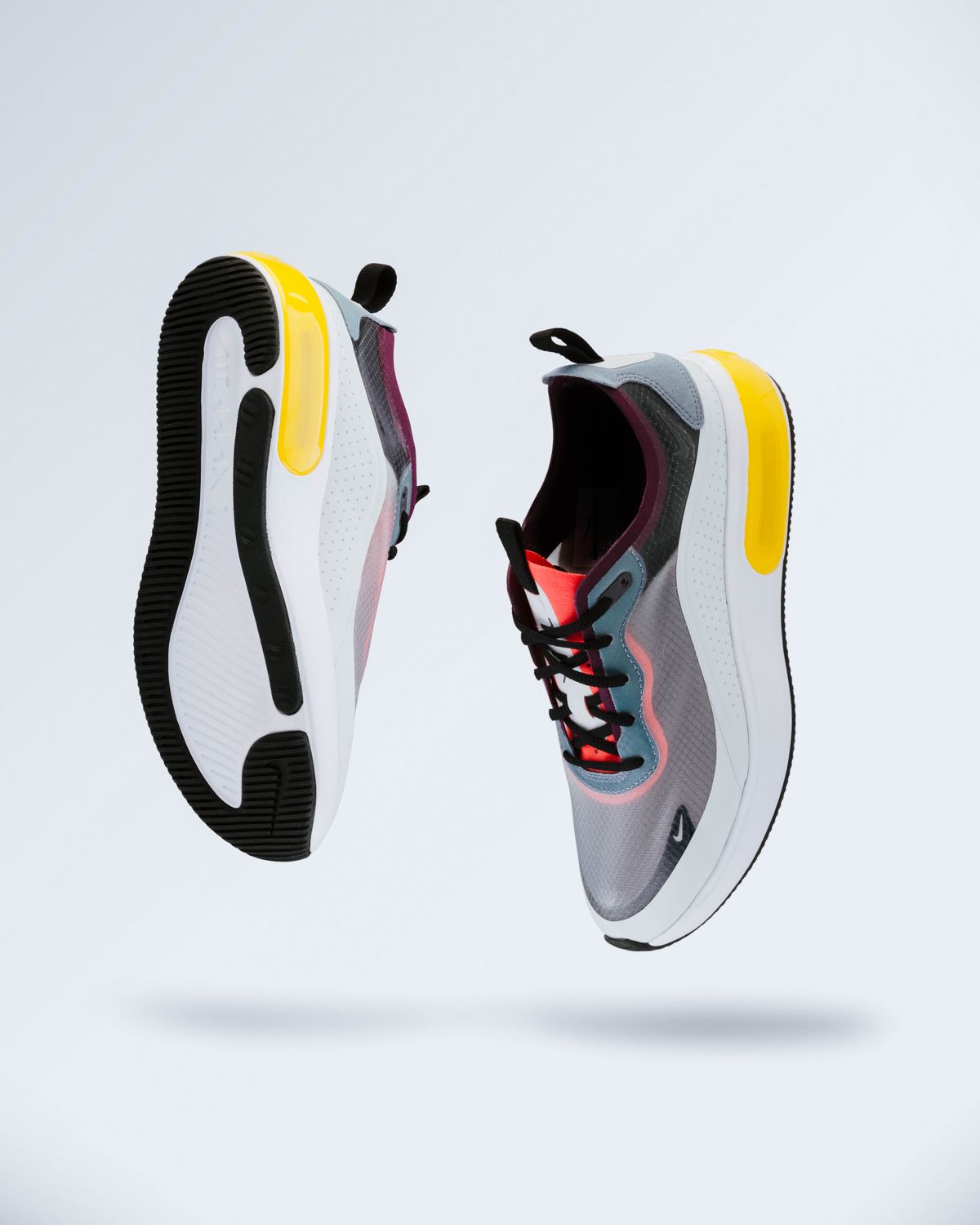
Before you look at a single pair, count your day in steps and surfaces. A desk job with a lift and a 6-minute walk from the station is maybe 4,000 steps. A retail floor or a hospital ward is 9,000 to 12,000, most of it on sealed concrete. Those two days need completely different shoes, and buying one pair for both is how people end up with sore arches by Wednesday.
Concrete is the part nobody warns you about. It doesn’t flex, so it sends every impact straight back up through the sole into your heel. Carpet absorbs some of that. Tile doesn’t. If your office is on the fourth floor of a building with stone floors, a thin leather sole will feel like standing on a plank by 3pm.
Write down three things tonight:
- How many minutes you spend standing still, not walking
- Whether your building has carpet, tile, or polished concrete
- How long your walk from transport actually takes, door to door
That last number matters more than people expect. A 20-minute walk each way adds 40 minutes of pavement to your day, and pavement is unforgiving in a way office carpet isn’t. If you’re doing that in winter, add rain and a 4°C wind and you’ll want a sole with some grip rather than a smooth leather bottom.
The other thing to note is whether you sit with your feet under a chair for hours. Feet swell by roughly half a size over a long day, which is why a shoe that fits perfectly at 8am can pinch at 5pm. Buy your work shoes in the late afternoon if you can. It sounds fussy. It works.
One more check that costs nothing: stand on a piece of paper in the evening and trace your foot. Compare the outline to the insole of the shoe you’re considering. If your toes touch the very end of the insole, size up. Toes need about 10mm of clearance in front, and most women are walking around in shoes that give them 3mm and a lot of denial.
The 25mm rule for heel height
Most women can wear a 25mm to 35mm heel for a full working day without a problem. Above 50mm, the workload shifts onto the ball of your foot and your calf, and you’ll feel it after about three hours of standing. That’s not a moral judgement about heels. It’s just where the load goes, and the biomechanics of high heels are well documented if you want the physiology behind it.
Here’s the test I use in shops. Stand up, put your weight on both feet, and try to lift your heels off the floor by 2cm without holding onto anything. If you can do it easily, the heel height is fine for a full day. If your ankles wobble or your toes grip hard, that pair is a two-hour shoe, not a nine-hour shoe.
A block heel at 30mm is the safest shape for office wear, and it’s also the least interesting, which is why so many women drift toward something slimmer. Fair enough. If you want the look of a slim heel, keep the height under 40mm and make sure the heel tip is at least 8mm wide where it meets the floor. Thin tips sink into pavement grates and wobble on tile, and a wobbly ankle is what actually makes a heel feel unstable.
Wedges and platform soles are worth a mention because they solve the concrete problem differently. A 20mm platform under the toe means the heel can be 50mm while your foot only sits at a 30mm angle. The catch is weight and stiffness. Platforms don’t flex, so your foot does all the work at the ankle instead of rolling through the step. Fine for a desk job. Less good if you’re on your feet all day. If that trade-off sounds familiar, this piece on how a platform sole changes the angle under your toes goes deeper into the geometry.
If you already know you want a heel and you want to understand how the shapes differ in practice, our guide to the types of women’s shoe heels breaks down the numbers by shape. Worth ten minutes before you spend anything.
Check the sole with your thumb
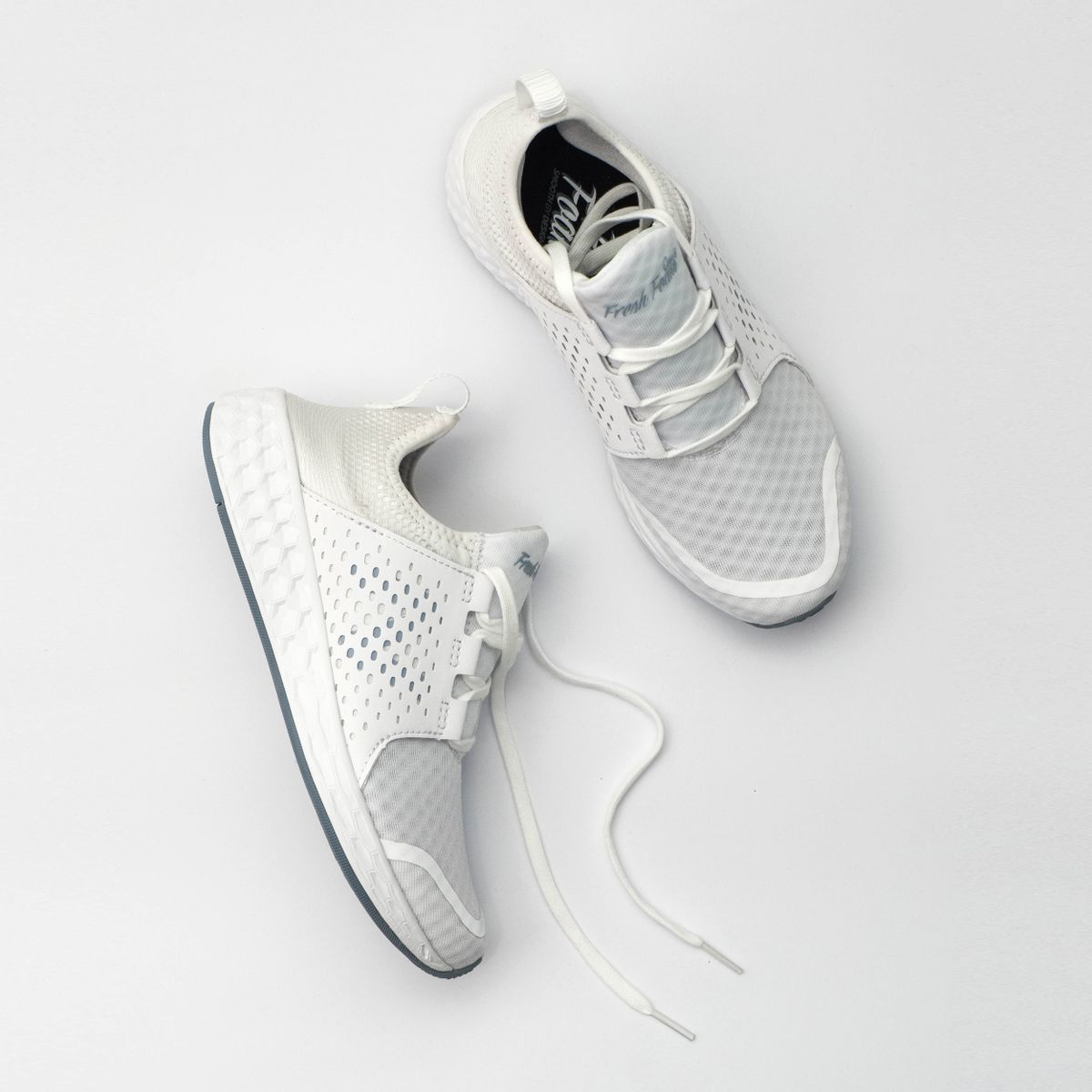
Pick the shoe up and bend the front third with both thumbs. It should give, maybe 2cm of movement, and then spring back. If it folds in half like a flip-flop, there’s no support and your arch will do all the work. If it won’t move at all, you’ll feel every paving slab for the first two weeks. Heel pain that starts after long shifts on hard floors is often traced to the plantar fascia, which the Mayo Clinic’s guide to plantar fasciitis explains in plain terms.
The heel counter matters just as much and nobody checks it. That’s the stiff cup at the back. Squeeze it between your thumb and finger. It should hold its shape, not collapse. A soft heel counter is comfortable for about an hour and then your heel starts sliding sideways, which is how blisters form at the back of the ankle.
Look at the outsole pattern too. Smooth leather bottoms look expensive and behave badly on wet tile. You want a rubber or TPU outsole with a shallow tread, at least 2mm deep, and a slightly raised heel edge. Commuter stations are slippery in the rain, and a shoe with no tread turns a normal morning into a small act of faith.
Weight is the last number worth knowing. A casual work shoe for women should land between 220g and 320g per shoe in a size 38. Under 200g usually means the sole is thin and the support is gone. Over 400g and you’ll notice it by the end of the week, mostly in your hip.
One caveat: memory foam insoles feel amazing in the shop and flatten out in about six weeks. They’re not a substitute for a sole with structure. If you love the cushioning, buy the shoe one size up and put a proper arch support in it. That combination usually outlasts anything the foam was doing.
Materials that survive a 12-block commute
Leather takes a break-in period of roughly 10 to 14 wears, and after that it moulds to your foot and stays there. That’s the trade. You’ll get a blister in week one and a shoe that fits like a slipper in month two. If you can’t afford a bad week, don’t buy stiff leather in November.
Suede is softer from day one but hates rain and road salt. One wet commute and you’ve got a watermark that never quite leaves. It’s fine for a job where you drive or take a short bus ride. It’s a gamble if you walk 25 minutes each way.
Knit and woven uppers are the easiest first week you’ll ever have. They stretch, they breathe, and they don’t need breaking in. The downside is structure. A knit shoe will hold your foot but won’t hold your arch, so pair it with a firm insole if you have flat feet or you’re standing all day.
Patent and coated leathers look sharp and crack at the flex point above your toes after a few months. If you want a shiny finish for meetings, keep that pair for the days you’re mostly sitting. Don’t make it your everyday shoe. I learned that one the expensive way in 2019, with a pair that developed white creases by March.
Whatever you choose, treat the upper once before you wear it outside. A basic protector spray takes four minutes and buys you a lot of extra months, especially on suede and nubuck. Reapply every six to eight weeks if you’re wearing them four days a week.
Socks and tights change the fit more than most people budget for. A 40-denier tight adds about 1mm of volume all round, which is enough to turn a comfortable shoe into a tight one. Try your work shoes on with the tights you’ll actually wear, not bare feet at 10am on a Saturday. If you switch between both, buy for the thicker option and add a thin insole for the barefoot days.
Also think about the lining. Leather lining breathes and lasts. Synthetic lining feels smooth for a month and then starts to smell, because it traps moisture against the foot. You can’t see the lining from across the shop, so reach inside and check. It’s the cheapest quality signal in the whole shoe.
Shoes that fail the office test, and why
Ballet flats with a 5mm sole are the classic mistake. They fold into your bag, they look neat with trousers, and they offer nothing under the arch. Two hours in, your feet are working like hands. If you love the shape, look for a version with a 15mm hidden wedge and a removable insole. Those exist and they behave completely differently.
Mules and backless loafers are a problem for a different reason. Without a heel counter, your foot grips with the toes to keep the shoe on. That’s a small muscle group doing a big job for eight hours, and by Friday your toes ache. Great for a desk you never leave. Bad for anyone who walks between buildings.
Pointed toes with a narrow toe box will squeeze your forefoot even if the length is right. Press your thumb across the widest part of the shoe. If it’s under 90mm across in a size 38, most women will feel it after lunch. Wide feet need a round or square toe, and there’s no trick around that.
And the big one: brand-new shoes on a day with a presentation. Don’t. Wear them for two half-days at home first, then a short errand, then work. By the time you’re standing in front of a room, they should feel like nothing.
If you want a pair that’s built for exactly this, the commuting heels with a low block are cut for long days rather than events. For something with more cushioning under the ball of the foot, the thick-heel pair that doesn’t tire your feet is the one I’d try on a Friday and wear properly on a Monday.
Breaking them in before Monday
Give yourself four evenings. Night one, wear them indoors for 30 minutes with thick socks. Night two, 45 minutes, and walk up and down stairs a few times. Night three, wear them outside for a 10-minute walk. Night four, do your actual commute in them, but carry a backup pair in your bag just in case.
If a specific spot rubs, deal with it before it becomes a wound. A stick of heel balm on the inside of the heel counter, applied twice, fixes most of it. For the top of the toes, a shoe stretcher overnight with a bit of warmth does more than any plaster will.
The other trick is rotation. Two pairs worn alternately last about three times as long as one pair worn daily, because the leather dries out between wears and doesn’t crack at the flex point. It also gives you an option on the days your feet are tired. That’s the real reason people keep a second pair at work, not laziness.
So: measure your day, buy in the afternoon, bend the sole, squeeze the heel counter, and give yourself four evenings before you commit to a full Monday. Do that and the 7:30 decision gets a lot shorter. What’s currently living under your desk as the emergency pair, and how long has it been there?
