

The Best Tennis Shoes for Walking Comfort and Fashion
In the realm of footwear, a quiet revolution has been taking place. The lines between specialized athletic gear and everyday fashion have blurred, giving rise to a category that masterfully combines form and function: tennis shoes for walking. No longer confined to the clay or grass courts, these shoes have stepped off the baseline and onto the pavement, offering a unique synthesis of support, cushioning, and style that traditional walking shoes or casual sneakers often struggle to match. This isn’t merely about repurposing sports equipment; it’s about recognizing a design philosophy born from rigorous athletic demands that translates exceptionally well to the biomechanics of daily ambulation. The modern urban explorer, the dedicated campus walker, or the style-conscious commuter now looks to tennis shoes not as a compromise, but as a premier choice for navigating the concrete jungle with both comfort and panache.
The Engineering of Comfort: Why Tennis Shoes Excel for Walking
To understand the supremacy of tennis shoes for walking, one must first dissect their anatomical and technological blueprint. Unlike running shoes, which are engineered primarily for forward motion in a single plane, tennis involves multi-directional movement—lateral cuts, quick stops, sudden sprints, and constant weight shifts. This demands a shoe with exceptional stability, torsional rigidity, and durable outsoles. When applied to walking, these features provide a profound benefit. The reinforced midsoles and often wider bases prevent excessive foot roll (overpronation or supination), a common issue during long walks that can lead to joint pain. The cushioning, while responsive, is typically more substantial in the heel and forefoot to absorb the repeated impact of hard court play, which directly translates to cushioning the repetitive heel-strike of a walking gait. As noted by biomechanics researchers at the University of Calgary’s Human Performance Laboratory, footwear stability is a critical factor in reducing load rates on the lower extremities during weight-bearing activities. The inherent stability features of a performance tennis shoe, therefore, offer a pre-emptive protective advantage for the walker.
Key Technological Pillars: Cushioning, Support, and Durability
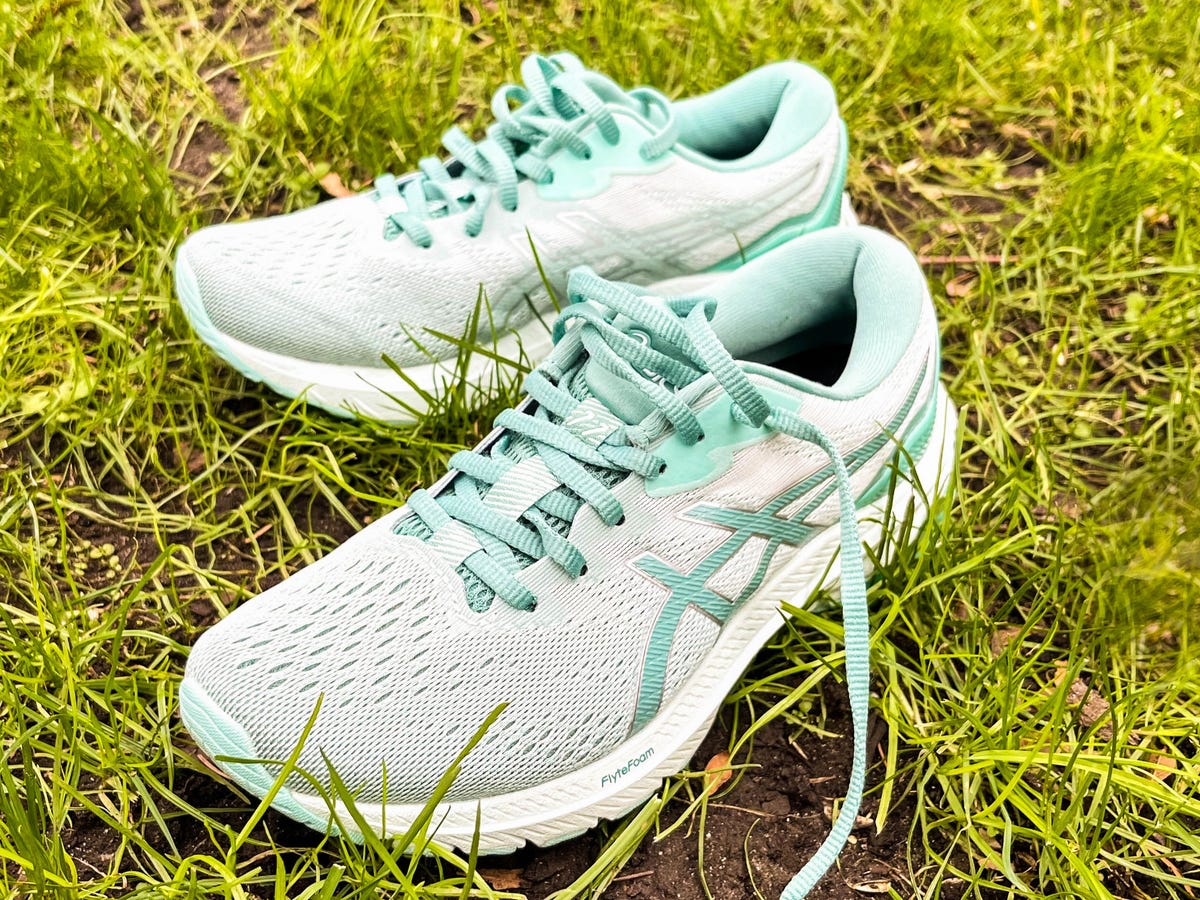
Delving deeper, three pillars uphold the walking comfort of a tennis shoe: advanced cushioning, structured support, and outsold durability. Brands like ASICS with their GEL technology, Nike with Air units or React foam, and Adidas with Boost or Lightstrike cushioning have all developed proprietary systems that dissipate impact forces. For instance, ASICS’ GEL silicone-based pads, placed in the rearfoot and/or forefoot, are renowned for absorbing shock, a technology whose efficacy is often highlighted in product reviews on authoritative sites like Runner’s World. The support comes from features like thermoplastic heel counters that cradle the foot, arch supports that maintain the foot’s natural alignment, and robust upper materials that provide a secure, locked-down fit without constriction. Durability is non-negotiable; tennis outsoles made from high-abrasion rubber compounds like Adidas’ Adiwear or Nike’s Duralon are designed to withstand the abrasive drag of court surfaces, meaning they laugh in the face of pavement wear, offering a longevity that outpaces many casual sneakers. This trifecta ensures that every step you take is insulated, guided, and supported over miles and months.
The Aesthetic Evolution: From Court Classic to Street Staple
While performance is paramount, the ascension of tennis shoes for walking into the fashion lexicon is a cultural phenomenon rooted in nostalgia, authenticity, and versatile design. The classic white leather tennis shoe, epitomized by models like the Adidas Stan Smith or the Nike Court Legacy, has been a symbol of clean, minimalist style since the 1970s. As fashion historian and author of Sneakers: Fashion, Gender, and Subculture, Yuniya Kawamura, observes, “The tennis sneaker represents a certain athletic purity and timelessness that designers and consumers continually return to.” This aesthetic versatility allows them to bridge wardrobe gaps effortlessly. They pair as naturally with tailored trousers and a blazer for a smart-casual look as they do with jeans and a t-shirt. The color palettes have expanded far beyond tournament white, with brands offering everything under the sun, from subdued earth tones to vibrant collaborations with designers and artists. This sartorial flexibility means you are not choosing between comfort and style; you are opting for a singular item that delivers both in abundance, making tennis shoes for walking a cornerstone of the modern capsule wardrobe.
Icons and Influencers: The Celebrity Endorsement of Everyday Wear
The popularization of tennis shoes as all-day wear has been significantly accelerated by celebrity adoption. This isn’t about traditional sports endorsements, but about organic, off-court style choices. When a figure like filmmaker and style icon Sofia Coppola is frequently photographed in classic canvas tennis shoes, or when actor Timothée Chalamet wears a sleek, modern pair to a premiere, it signals a validation of their fashion credibility. On platforms like Twitter and YouTube, fashion influencers and stylists routinely deconstruct “athleisure” looks, with tennis shoes often serving as the foundational piece. As celebrity stylist Karla Welch stated in an interview with Vogue, “The right sneaker, especially a clean tennis shoe, can ground an outfit and make it feel both current and effortless. It’s about ease and intention.” This cultural endorsement reinforces the idea that these shoes are not just for athletes; they are for anyone who values intelligent design and understated style, solidifying their position as the ideal tennis shoes for walking through city life.
Selecting Your Perfect Pair: A Practical Guide
Navigating the market for the ideal pair requires a shift in perspective. You are not shopping for a Grand Slam match, but for a shoe that will perform during your daily marathon. First, prioritize fit and feel over a specific brand name. Your foot should feel secure, with about a thumbnail’s width of space in the toe box. Pay close attention to arch support and heel lockdown; try shoes on in the afternoon when feet are naturally slightly swollen. Second, consider the primary walking surface. For mostly paved urban environments, look for shoes with a durable, non-marking rubber outsole with a modified herringbone or circular tread pattern for all-weather grip. Third, analyze the cushioning system. Do you prefer a plush, soft feel or a firmer, more responsive ride? Brands like New Balance often excel in offering varying widths and substantial cushioning, making models like their Fresh Foam offerings exceptional tennis shoes for walking. Finally, don’t neglect the upper. Breathable mesh is excellent for ventilation, while leather or synthetic leather offers more structure and weather resistance, extending the shoe’s usability across seasons.

Professional Insight and Value Acquisition
Bringing professional knowledge to your purchase decision can lead to significant value. Podiatrists often recommend shoes with good torsional stability and a slight heel-to-toe drop (between 8-12mm) for walking, features common in tennis shoes. Furthermore, understanding the product lifecycle can secure you discounted prices. New models of popular tennis shoes are typically released on an annual or biannual cycle. When a new version (e.g., Nike Court Vision Next Nature 2) is launched, retailers will often discount the previous version (Court Vision 1), which remains a technologically advanced and highly capable shoe. Outlet stores, end-of-season sales, and brand loyalty programs are excellent avenues for finding premium tennis shoes for walking at a fraction of the original price. Investing in a slightly older model from a reputable brand is a savvy strategy to acquire professional-grade comfort and durability without the premium cost, ensuring your investment in foot health and style is both wise and economical.
The Verdict: A Step in the Right Direction
The search for the perfect walking companion ends not in a specialized niche, but in the versatile, robust, and stylish world of tennis-inspired footwear. These shoes represent a convergence point where decades of athletic research meet contemporary fashion sensibilities. They offer a scientifically-backed foundation for foot health through their emphasis on stability, cushioning, and durability, while their design lineage provides a timeless aesthetic that complements a wide range of personal styles. Whether you are logging miles on your daily commute, exploring a new city on foot, or simply seeking a shoe that supports you from morning errands to evening engagements, the modern iteration of tennis shoes for walking stands ready. They are a testament to the idea that the best tools are often those designed for a challenge, repurposed with intelligence for the journey of everyday life. Your path forward deserves nothing less than this harmonious blend of comfort and fashion.

